REVIEW · KINDERDIJK
Rotterdam: Kinderdijk UNESCO World Heritage Entry Ticket
Book on GetYourGuide →Operated by UNESCO Werelderfgoed Kinderdijk · Bookable on GetYourGuide
Kinderdijk turns Dutch engineering into a walkable, floatable story. I love seeing working windmills inside the included museum mills, and I also love the included boat trip across the polders so the site feels huge without feeling exhausting.
One heads-up: the small tour boats can be affected by bad weather, so plan a bit of flexibility if skies look iffy.
In This Review
- Key highlights at a glance
- What makes Kinderdijk special (and easy to get excited about)
- Your ticket: what you’re actually paying for
- Blokweer and Nederwaard: the museum mills you’ll want to prioritize
- The pumping station engine room: why it changes how you see the whole place
- The boat trip through the World Heritage Site: the shortcut to understanding scale
- Walking the village and trails: pace yourself, especially in peak season
- Timing: opening hours, last boat departures, and building in buffer
- How to pair Kinderdijk with Rotterdam (without making it a travel headache)
- Who this Kinderdijk entry ticket suits best
- Tips that make the difference on the ground
- Should you book the Rotterdam: Kinderdijk UNESCO entry ticket?
Key highlights at a glance
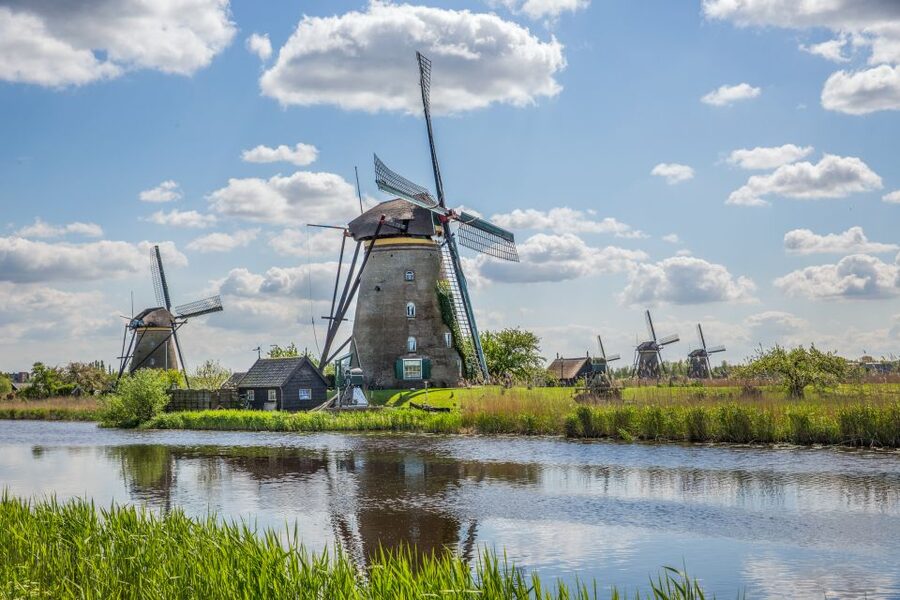
- Two included museum mills: Blokweer Museum Mill and Nederwaard Museum Mill
- Pumping station engine room entry that explains how the land stays dry
- Boat cruise through the World Heritage Site as part of the ticket
- Audio guide in many languages plus an informative film and exhibition
- Kid-friendly extras including a scavenger hunt and hands-on-style moments
- You can walk trails too, not just do the boat ride
What makes Kinderdijk special (and easy to get excited about)
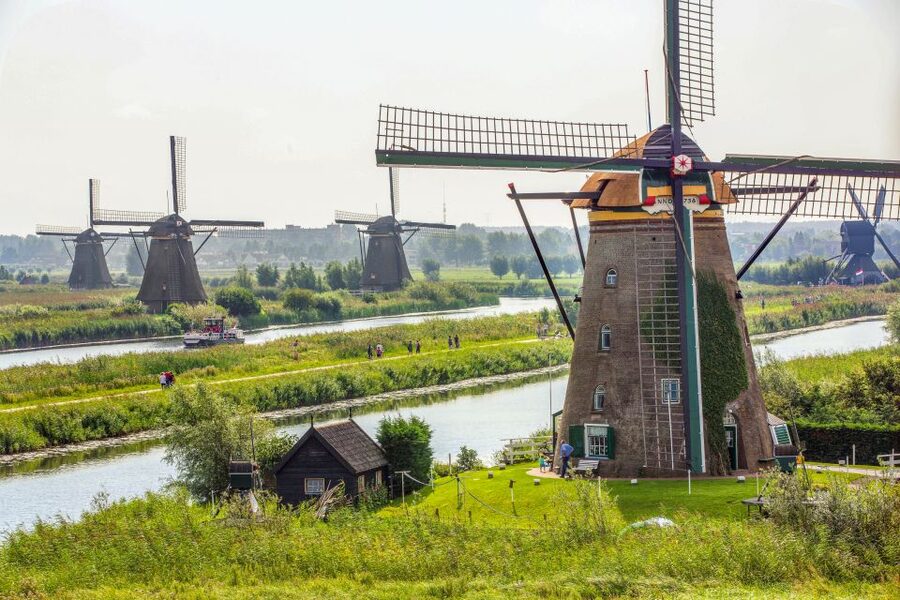
Kinderdijk is one of those places where you stop thinking about windmills as scenery and start thinking about them as infrastructure. Here, the windmills are not just pretty shapes. They’re part of a system that made life possible in low, watery Holland—long before modern pumping stations and power grids.
The included stops make that story click fast. You get into two museum mills and the pumping station engine room, so you’re not just peeking at exteriors from a dike. And the boat portion helps too: you’ll glide through polder waters with windmills drifting past at eye level, which is a much more natural way to understand spacing and scale than trying to spot everything from footpaths alone.
Your ticket: what you’re actually paying for
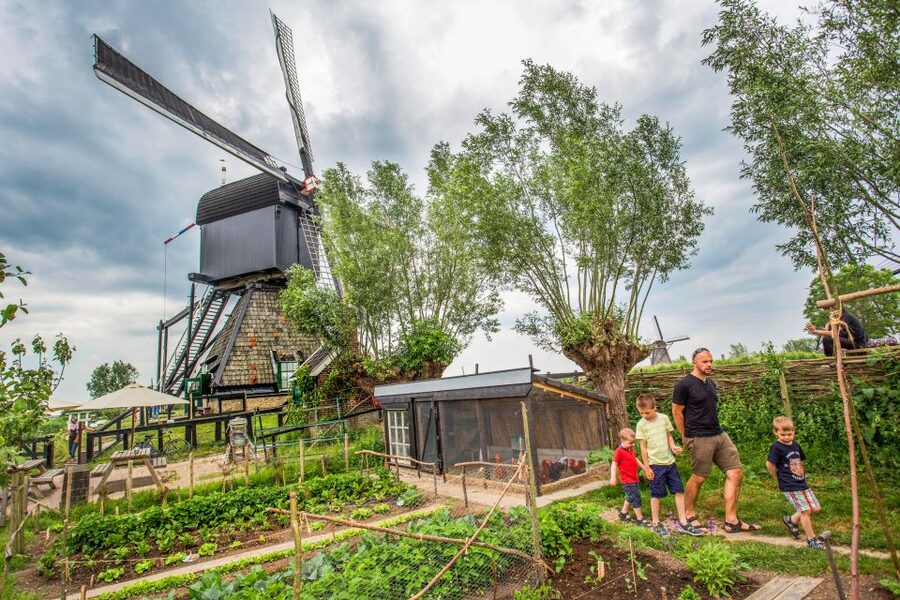
At around $25 per person, this ticket is basically paying for access to the key indoor parts plus a boat cruise. If you like historical sites where you can move between rooms, not just stand outside, the value is strong.
Here’s what’s included:
- Entrance to the Blokweer Museum Mill
- Entrance to the Nederwaard Museum Mill
- A boat trip through the UNESCO World Heritage Site
- Entrance to the pumping station engine room
- An informative film and exhibition
- An online guide with audio tours (English, Dutch, French, Spanish, Italian, Chinese, German)
The practical takeaway: if you’re only doing a quick outer-walk, you’ll miss the “how it works” part. The paid areas are where the site becomes more than photos.
Blokweer and Nederwaard: the museum mills you’ll want to prioritize
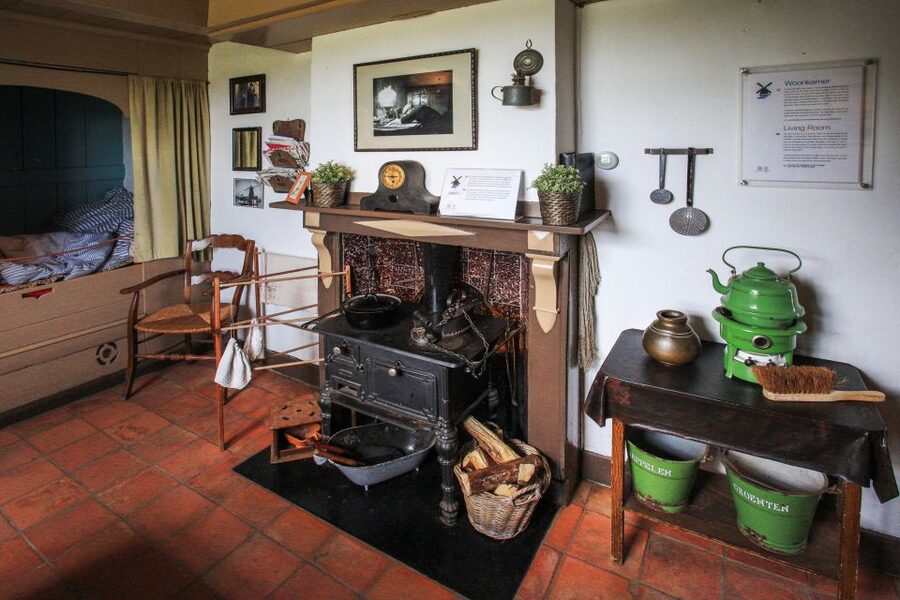
Kinderdijk has many windmills and you’ll see plenty from the paths, but the included ticket focuses your time on two museum mills. That matters because inside access is where you get context: how a miller lived and worked, and how the mill design supported water management.
Both museum mills are worth aiming for early, when you still have energy to move between indoor and outdoor viewpoints. Expect to spend time inside rather than rushing through. Even if you’re not a hardcore architecture person, there’s something oddly satisfying about standing in a real working-mechanics environment and letting the audio guide connect the dots.
A common theme from visitor experiences: the ability to walk around the site and then step inside a mill makes it feel like you’re not just looking at artifacts—you’re learning how people used them.
The pumping station engine room: why it changes how you see the whole place
If you only do one “indoor” item, make it the pumping station engine room. This is where Dutch water control becomes less mysterious and more concrete. You’re no longer guessing how the polders stay dry; you’re seeing the engine-room perspective on land reclamation and water management.
This part of the ticket is also a great contrast to the windmills. Wind is atmospheric and dramatic. Machinery is practical and methodical. Together, they give you a fuller picture of how the system evolved over time.
If you enjoy science-y explanations in plain language, you’ll likely appreciate this stop. It’s also a smart choice if you’re visiting with kids, because the experience doesn’t rely only on visual windmill spotting.
The boat trip through the World Heritage Site: the shortcut to understanding scale
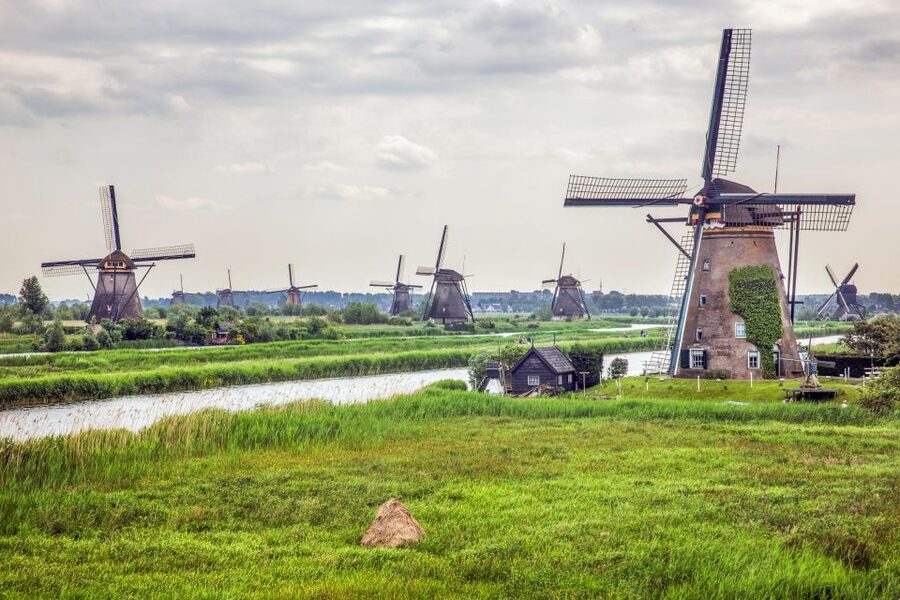
The included boat cruise is one of the easiest ways to make your visit feel “complete” without adding more strain to your legs. The polders are flat, but the site still asks for walking—paths, crossings over dikes, and moving between viewpoints.
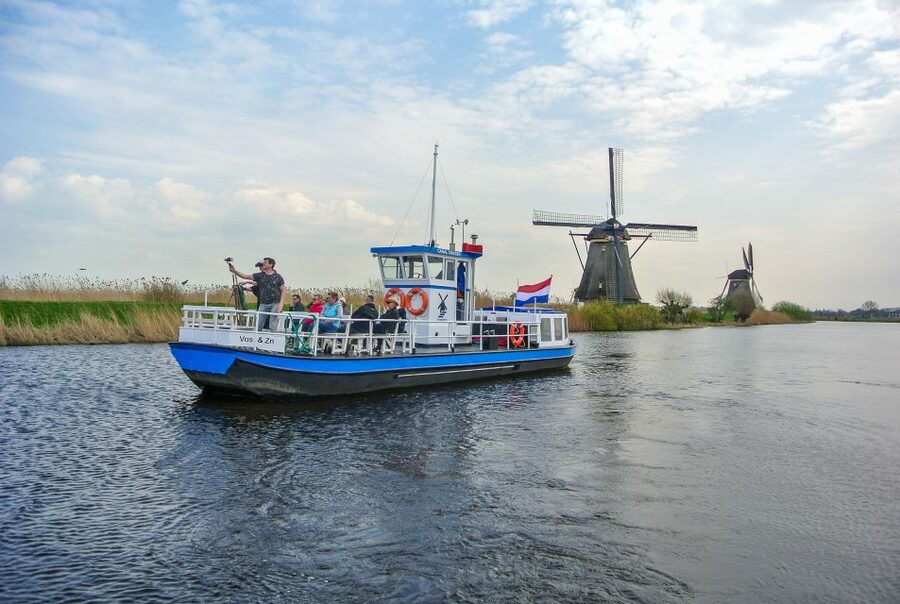
On the boat, windmills drift past as you cruise through the waters of the heritage zone. That motion gives you a rhythm for the place: you notice how windmills are spaced, how the waterways connect viewpoints, and how the village sits inside a broader water-management landscape.
A real-world consideration: the boats may sometimes not sail due to bad weather. When that happens, you’ll still have things to do on land, but you’ll want to build your day with the possibility of a delay or a different timing plan.
Walking the village and trails: pace yourself, especially in peak season
Kinderdijk isn’t a “park-and-quit” site. It’s a place where the best experience comes from mixing slow walking with short stops at key points, then adding the indoor visits where the story deepens.
From what visitors report, you should expect plenty of walking. Some routes feel like they’re geared for wandering rather than quick touring. If you’re adding the boat plus two museum mills and the pumping station, a half-day can work for some people, but it’s smart to plan for a longer window so you’re not rushing from one highlight to the next.
Also pay attention to practical comfort:
- Sun and limited shade can be a factor between museum stops.
- The boat may have limited seating, so arrive on time for your departure option.
- Watch for bikes and cyclists on walking paths.
If you want to cover more ground with less effort, biking is a popular approach for day trips, and it can be a great match for how the site is laid out.
Timing: opening hours, last boat departures, and building in buffer
This is the part that saves your day. The ticket is valid for 1 day, but the actual experience depends on when you arrive and what boat options you can catch.
Here are the opening times by season:
- Until March 5: 10:30 a.m. to 4:00 p.m.
- March 6 to November 1: 9:00 a.m. to 5:30 p.m.
- November 2 to December 31: 10:30 a.m. to 4:00 p.m.
- Christmas Day: closed
And one important rule: the last boat departs half an hour before closing time. If you show up late, your best shot at that cruise may be gone. So I recommend arriving with enough buffer to visit at least one mill and still make your intended boat time.
Because boats may not sail in bad weather, I’d also mentally prepare for a plan B: keep your walking schedule light enough that if the boat gets delayed, you’re not stuck sprinting between indoor entrances.
How to pair Kinderdijk with Rotterdam (without making it a travel headache)
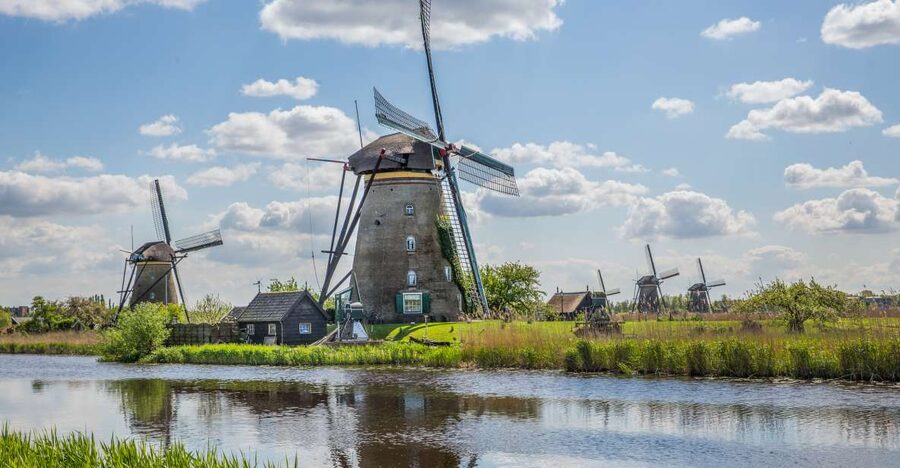
This ticket is only the experience at Kinderdijk. It does not include transport to the site. That’s normal for Dutch day trips, but it changes how you should plan.
One helpful pattern people use: get to Kinderdijk by water transport, then cover the area efficiently once you’re there. Several visitors describe using the waterbus (including a route connected to Rotterdam) and then biking for flexibility. That approach can turn the day into a smooth rhythm:
1) move by water (less stress, great views),
2) arrive and do your boat cruise and indoor visits,
3) then walk or bike between remaining viewpoints.
If you’re coming from Rotterdam, you’ll likely find that water connections make the trip feel like part of the adventure, not just a commute.
Practical note: parking can be difficult. If you’re driving, check local conditions first and plan time for it.
Who this Kinderdijk entry ticket suits best
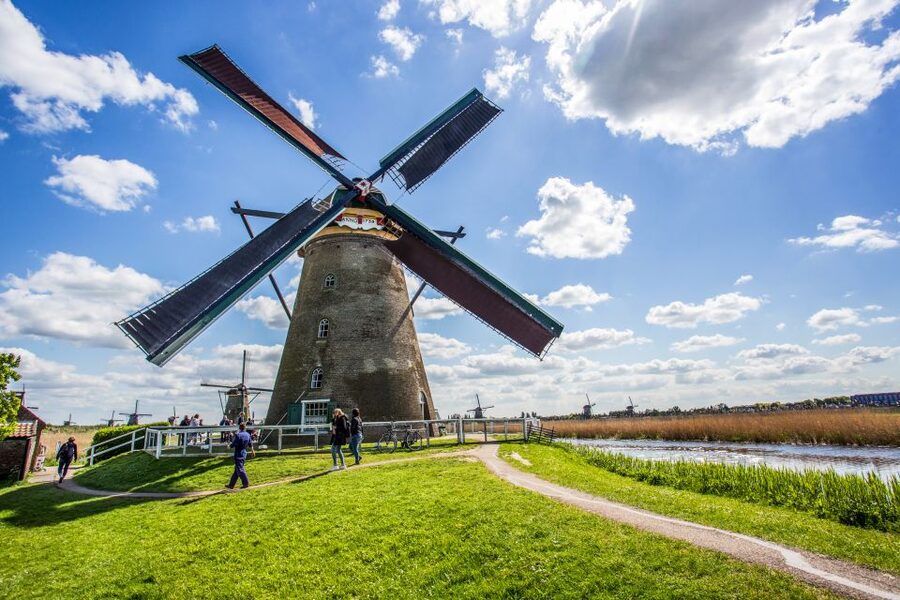
This is best for people who want more than a quick photo stop. If you like understanding how a system works—especially water management—you’re in the right place.
It’s a great match if:
- You enjoy historic engineering and want indoor context at a UNESCO site.
- You like mixed formats: walk outside, then go indoors for film and exhibits, then ride a boat.
- You’re visiting with kids and want built-in engagement like the scavenger hunt and interactive-style moments.
It may not be ideal if:
- You hate walking and can’t manage flat-but-long routes.
- You’re relying on the boat cruise as the only reason for going and you can’t adapt if weather changes schedules.
- You need lots of shade between indoor stops.
On the accessibility front, the venue is described as wheelchair accessible. One nuance: access from the water taxi may be harder for some mobility needs, even if the site itself is mobility-friendly once you arrive.
Tips that make the difference on the ground
A few practical moves can raise your day from good to smooth:
- Start early enough to avoid missing the last boat option. The boat is included, so timing matters.
- Treat the audio guide as your “second guide.” The online guide supports multiple languages, so you can follow along at your own pace rather than crowding around guide groups.
- Wear shoes you can trust. The site has lots of walking and paths with crossings.
- Bring a small plan for energy: indoor visits take time, outdoor photo moments take time, and it’s easy to underestimate how quickly time passes in a place that’s this visually satisfying.
- If the weather looks questionable, keep your expectations flexible for the boat portion.
Should you book the Rotterdam: Kinderdijk UNESCO entry ticket?
Yes—if you want the real Kinderdijk experience, not just the view. The price feels fair because you’re not only paying for entry; you’re paying for the parts that explain why these windmills matter, plus an included boat cruise that makes scale click.
Book it if you can spare a solid half-day to most of a day, and if you’re the type who enjoys museums, short films, and audio-guided history. Skip (or reconsider) if your main goal is a quick exterior stroll and you’re unwilling to handle possible weather-related boat changes.
If you’re planning a Netherlands trip from Rotterdam and you want one outing that connects stunning scenery with practical Dutch know-how, this is a strong call.