REVIEW · HOBART
Salamanca Walk – History Tour
Book on Viator →Operated by Peter Lutz · Bookable on Viator
Salamanca and Battery Point share dark stories. This 2.5-hour history walk turns Hobart’s waterfront streets into a convict-era timeline, with photos and drawings that help the past click into place. You’ll cover Battery Point’s early foundations and Salamanca’s changing streets, at a pace that keeps things fun.
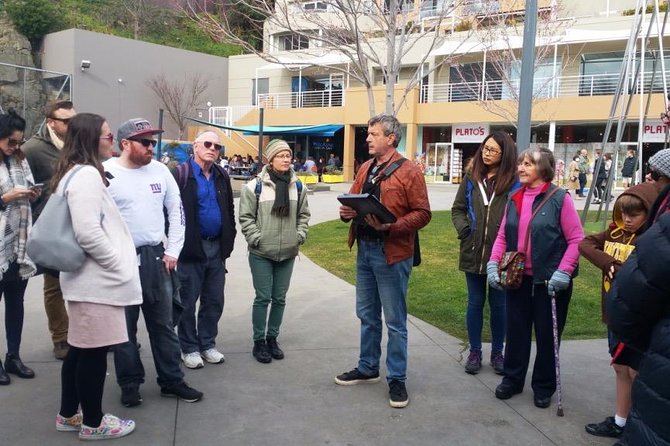
I especially like the way the guide uses old photos and drawings. It makes the buildings feel real, not like dates on a page. I also like the small group setup, with a maximum of 15 people, so you actually get time to ask questions and spot details you’d otherwise miss.
One drawback to think about: it’s mostly moving, with no long sit-down breaks. If you want a slower museum-style pace or a lot of time to linger at each spot, you might wish for just a bit more stopping time.
In This Review
- Key Things That Make This Walk Worth Your Time
- Salamanca and Battery Point: The Perfect Pair for Hobart’s Early Years
- Getting Started at Salamanca Arts Centre (and Finding the Right Mood)
- Arthur Circus Park Stop: Where Stories Meet Street-Level Details
- Salamanca’s Market Streets: Reclaimed Ground and Real Change
- Battery Point Views and Architecture: Looking Out While the Timeline Turns
- St. David’s Park Stop: Tying It All Together Without Rushing
- What the Photos and Drawings Actually Do for You
- Price, Value, and How to Pair It With Lunch Plans
- Who This Tour Suits Best (and Who Might Want Something Different)
- Should You Book Salamanca Walk: History Tour?
- FAQ
- How long is the Salamanca Walk: History Tour?
- Where does the tour start, and where does it end?
- Is the ticket price all-inclusive?
- Is this tour good for families or kids?
- How big is the group?
- What is the cancellation policy?
Key Things That Make This Walk Worth Your Time

- Convict heritage, explained on the streets: quarrying stone, whale hunting, and early settlement work
- Battery Point viewpoints: you’ll look out over the Derwent River while the stories catch up
- Photos and drawings with every stop: past and present in one glance
- Small group feel: up to 15 travelers, with a relaxed pace
- Arthur Circus Park details: nature notes like an American pine show up in the story
- Family-friendly timing: easy walking for a wide range of ages
Salamanca and Battery Point: The Perfect Pair for Hobart’s Early Years
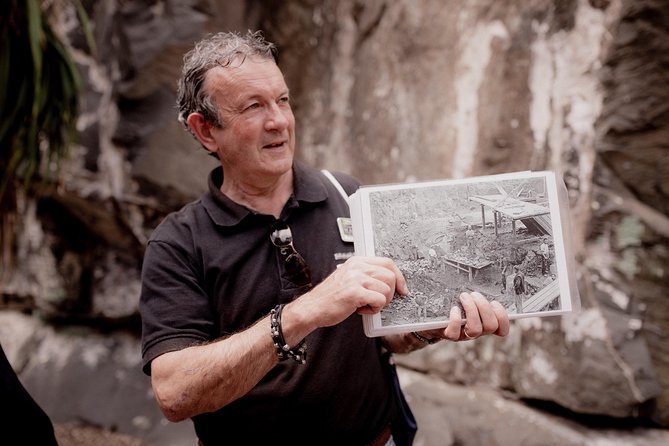
If you want Hobart to make sense fast, this tour is a smart move. Salamanca and Battery Point sit close together, but the vibe changes quickly once you start learning what used to happen here. The walk connects the colony’s early layers, from convict labour and tough living conditions to the later shift toward merchants, settlers, and everyday life.
The best part is that you’re not just hearing history in the abstract. The stories tie into what you can see right in front of you: stone work, building styles, and the way areas evolved as the settlement grew. You’ll get names and roles, too, like craftsman, clergyman, free settlers, merchants, and convicts, so the history doesn’t feel like a single faceless wave of people.
This tour also fits well early in your trip. By the time you head out to markets, cafés, and pubs later, you’ll understand what you’re actually walking past and why it matters.
Getting Started at Salamanca Arts Centre (and Finding the Right Mood)
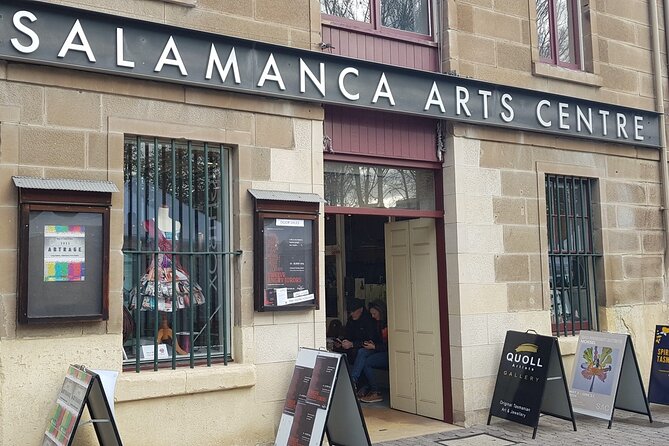
The tour starts at Salamanca Arts Centre, 77 Salamanca Place, Battery Point TAS 7004, and it ends back near the same meeting point. That matters because you don’t have to think about transport or where you’ll end up. You can walk, learn, and then go straight into lunch plans.
Bring the right mindset and it gets even better. This is a gently paced walk, and it’s designed for people of different ages, so you won’t feel pressured to sprint between stops. You’ll also have a mobile ticket, which is handy if you’re bouncing between apps, emails, and tickets on your phone.
Your guide brings plenty of visual material. In feedback, guides like Peter Lutz are specifically praised for using lots of old photos and for answering group questions clearly. Even if the departure you catch is led by someone else, the structure stays the same: story first, then you look at the streets with fresh eyes.
One practical note: this is a walking history tour. Wear comfortable shoes, especially if you’re visiting in winter rain or on cool days when your footing might be a bit slick.
Arthur Circus Park Stop: Where Stories Meet Street-Level Details
Arthur Circus Park is a great starting point for understanding how this part of Hobart grew around real work and real people. This stop works because you can slow down mentally while the guide connects the view and the surroundings to what came before.
In particular, you might hear nature details that make the place feel lived-in, not just historic. One highlight shared in feedback is the note about an American pine linked to Arthur Circus. That kind of small detail is exactly what helps the tour stick in your head later, because it gives you something specific to remember beyond the big names.
Expect the guide to use photos and drawings to compare what you’re standing near now with what the area looked like when the colony was young. Photos are doing heavy lifting here. They help you see changes in building styles and the way open areas and streets developed over time.
Drawback to consider: because the focus is walking and storytelling, this stop may not be long. The value is in the comparison—what you notice today and how it ties back to early labour and settlement patterns.
Salamanca’s Market Streets: Reclaimed Ground and Real Change
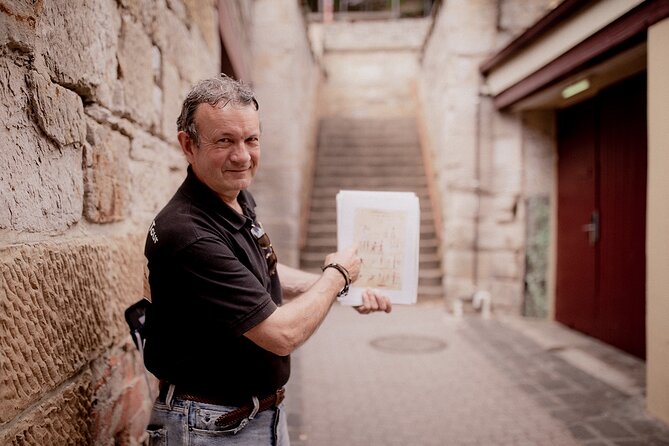
Salamanca is the part of Hobart most people visit for shopping and wander time. What changes during this tour is what you notice while you’re there. You’ll start to read the area like a timeline instead of a shopping strip.
The tour frames Salamanca through transformation: what the land looked like early on, how settlement reshaped it, and how different groups helped build Hobart’s foundations. The stories lean into the mix of people—convicts as labourers, plus free settlers and merchants building a functioning town.
You’ll also spend time around the Salamanca market area and nearby streets, looking at old houses and noticing how the environment was shaped over the years. Feedback highlights that this includes how land was reclaimed and made into the place you see today.
This portion of the walk is especially useful if you’re the kind of person who likes to plan meals and stops logically. After you learn why these streets look the way they do, you’ll know where to linger for photos, where to duck into cafés, and what corners are worth a closer look.
And yes, you’ll likely get a few practical local pointers along the way. In one featured experience, the guide shared food and pub ideas in addition to history, which is exactly the kind of extra value that makes a tour feel worth it even after the walk ends.
Battery Point Views and Architecture: Looking Out While the Timeline Turns
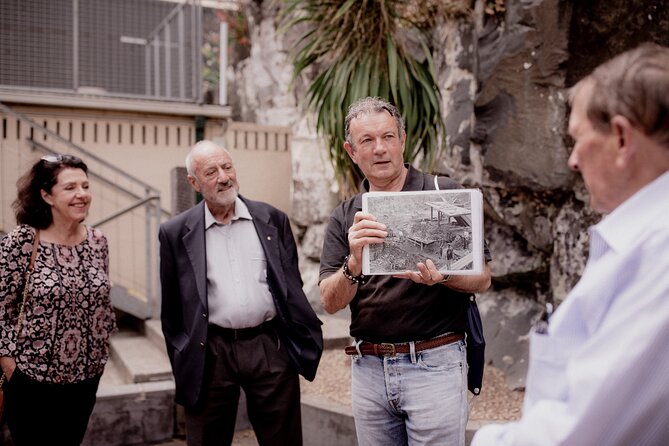
Battery Point is where the tour feels most cinematic, mainly because you can look out toward the Derwent River while your guide explains how the early town functioned. The area’s architectural treasures are part of the story here, not just pretty scenery.
The guide focuses on the gritty parts of early life, including how convict labour supported building and working tasks. Expect references to stone quarrying and the role of people hunting whales, plus the broader mix of characters who made the colony run—craftsman, clergy, merchants, and settlers alongside convicts.
This is also the moment when the photos and drawings make the biggest difference. You’re seeing a place that survived, changed, and kept its identity through layers. Instead of staring at a building and wondering what you’re looking at, you get a framework: who lived here, what work shaped the town, and how the street changed around them.
If you’re traveling with family, this is a good segment. It’s interesting without needing special background knowledge. One review specifically mentioned that the walk is not physically demanding and works for all ages, and Battery Point is scenic enough to keep kids and adults engaged at the same time.
St. David’s Park Stop: Tying It All Together Without Rushing
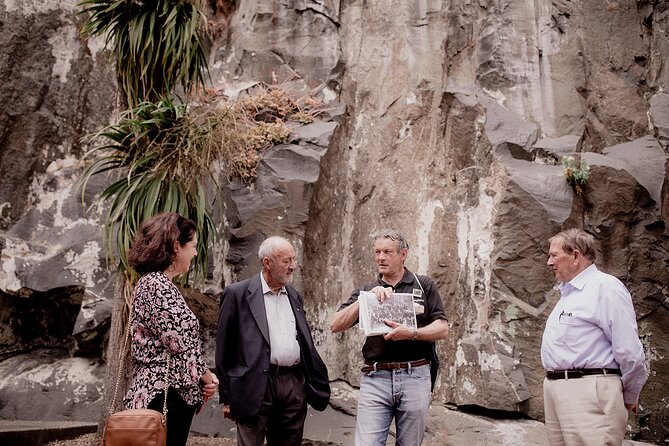
The second named stop is St. David’s Park. This is a classic tour move: you’ve built up the history, and now you give it a place to land. The guide uses the park setting and surrounding streets to wrap up themes you’ve been hearing all along.
What you should expect here is more of the comparison technique: old visuals versus current surroundings. Since photos and drawings are included, this stop is often where the story clicks because you can step back mentally and connect the earlier labour and settlement context to what you see now.
If you’re someone who likes to ask questions, this is a good moment to do it. In feedback, guides are praised for taking time to answer questions and for being friendly and interactive. That kind of back-and-forth can turn a good walk into a memorable one because you can personalize what you care about: housing style, early industry, or specific places tied to the colony.
A possible drawback: if you’re hoping for extended time to quietly observe from the park, remember the tour runs about 2 hours 30 minutes. It’s designed to keep momentum while covering key points, not to be a slow sit and stare session.
What the Photos and Drawings Actually Do for You
Some tours throw history at you. This one helps you see it. The included pictures and drawings aren’t a gimmick; they’re the bridge between what’s on the street and what’s in the guide’s stories.
When old photos show a building, a street corner, or a spot you’re standing near now, your brain starts doing something useful: connecting cause and effect. You begin to understand how the colony’s growth changed daily life. That is especially powerful with a place like Hobart, where the layers are visible but not always obvious to first-time visitors.
You might also get connections that feel personal. One highlight in feedback mentioned a First Fleet memorial being relevant, and that kind of moment can make the whole walk stick, especially if you’re tracing family roots or you just like seeing how names and events show up in the local environment.
Finally, the best guides use visuals to pace the story. They don’t just recite. They point. They pause. They let the group look. If you like tours where you can actually follow along and not feel lost, this format fits that style.
Price, Value, and How to Pair It With Lunch Plans

The price is $28.69 per person, and you’re getting a lot for that money: about 2 hours 30 minutes of guided storytelling, a small group (maximum 15), and included photos and drawings. It’s also a tour with a clearly defined geographic footprint, so you’re not paying for long transfers.
This is also one of those deals that gets better if you care about context. If you’re just planning to look at buildings, you might feel like you could do it on your own. But if you want the why behind what you see—convict labour, early settlement roles, and how the market area evolved—then the guide’s interpretation becomes the value.
There’s also a family perk: children under 16 get free tickets. That’s a big deal if you’re traveling with kids and want something educational that doesn’t require museum stamina or adult-only pacing.
One thing not included: food and alcoholic beverages. So plan a proper lunch or snacks before or after. A good approach is to do this walk early enough that you can spend the rest of your day acting like a local: markets, cafés, and a relaxed late meal, rather than rushing straight into dinner with cold feet and full minds.
Who This Tour Suits Best (and Who Might Want Something Different)
I think this walk is ideal for you if:
- you’re visiting Hobart for the first time and want your bearings quickly
- you enjoy history that ties to buildings, streets, and everyday life
- you like small groups and question-friendly guides
- you’re traveling with family and want an easy pace
It also works well if you’ve been to Salamanca already and still felt like you were just passing through. This tour turns it into a guided way to look properly.
Who might find it less ideal? If you’re hoping for a long sitting, museum-style deep dive with lots of time at each location, the walking format and total duration may feel tight. And if you’re the type who wants hands-on activities, this is more story and visual interpretation than interactive workshops.
That said, the tour is described as physically not demanding and attended by all ages, so discomfort usually isn’t the issue. Time and pace might be.
Should You Book Salamanca Walk: History Tour?
If you want an easy, high-value way to understand Hobart’s early convict heritage and the evolution of Salamanca and Battery Point, I’d book it—especially early in your trip. The small-group size, the photos and drawings, and the guide-led storytelling around quarrying, whale hunting, and building the colony’s foundations make the history feel grounded in real places.
I’d especially recommend it if you love walking tours that help you notice things: architecture details, street changes, and the way the past shows up in plain sight. Just come prepared for movement, comfortable shoes, and a tour that prioritizes steady storytelling over long stops.
FAQ
How long is the Salamanca Walk: History Tour?
The tour runs for about 2 hours 30 minutes.
Where does the tour start, and where does it end?
It starts at Salamanca Arts Centre, 77 Salamanca Place, Battery Point TAS 7004, Australia. It ends back at the meeting point.
Is the ticket price all-inclusive?
The tour price includes pictures and drawings of Hobart, Salamanca, and Battery Point. Food and alcoholic beverages are not included.
Is this tour good for families or kids?
Yes. It’s described as fun for the whole family, and children under 16 have free tickets.
How big is the group?
The tour has a maximum of 15 travelers, and it’s described as a guaranteed small-group tour.
What is the cancellation policy?
You can cancel for a full refund up to 24 hours in advance of the experience’s start time. If you cancel less than 24 hours before, the amount paid is not refunded.