REVIEW · HOI AN
Private tour Hoi An Coconut basket boat ride and Ancient town
Book on Viator →Operated by TTP Henry Travel Hoi An · Bookable on Viator
Hoi An can feel like a postcard come alive. This private 3 to 4 hour tour mixes the Old Town lanes with a calm basket boat ride through the coconut village area of Cam Thanh. You also get a guide who helps you connect the architecture, history, and everyday life in town into one plan that moves at your speed.
I love the practical setup: hotel pickup and drop-off, bottled water, and tickets handled for the sights and boat ride. I also like that guides such as Henry and Thanh focus on explanations that make landmarks easier to read, not just point at.
One thing to consider: you’ll mostly be on a guided walking route plus a short boat ride, so if you’re craving a long sit-down, low-motion experience, you may want to add a slower, rest-focused part of the day on your own.
In This Review
- Key highlights worth clocking
- Hoi An’s Ancient Town: why this walk feels different
- The Japanese Covered Bridge and the Old Town building mix
- Chinese and temple stops: what to look for (beyond the obvious)
- Old Town market time: a quick taste of real Hoi An life
- Cam Thanh’s coconut forest: the 200-years-of-coconuts context
- The basket boat ride: what to expect and how to prepare
- Tickets, admissions, and the “don’t make me plan” value
- Price check: is $45 per person a good deal?
- Pacing and comfort: make the tour match your body and interests
- Who this Hoi An tour suits best
- Where to go next after the tour
- Should you book this private Hoi An tour?
- FAQ
- How much does this private tour cost?
- How long is the tour?
- Does the tour include pickup and drop-off?
- Is the basket boat ride included?
- What stops are included?
- Do I need to pay admissions?
Key highlights worth clocking
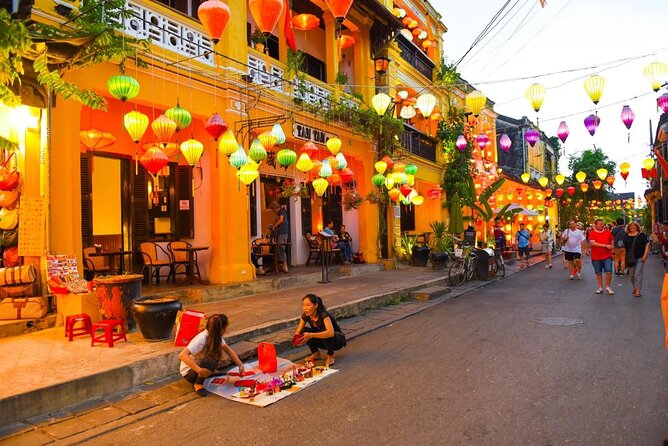
- Private pacing: you set the rhythm, take photo breaks, and steer the focus to what you care about
- Ancient Town context: historic houses, temples, pagodas, canals, and the Japanese Covered Bridge area in one loop
- Local market stop: a quick chance to see how people shop and live beyond the postcard streets
- Cam Thanh coconut forest ride: a peaceful river cruise on rustic basket boats through the coconut lanes
- Admissions and boat included: you don’t have to scramble for entry tickets during the tour
Hoi An’s Ancient Town: why this walk feels different
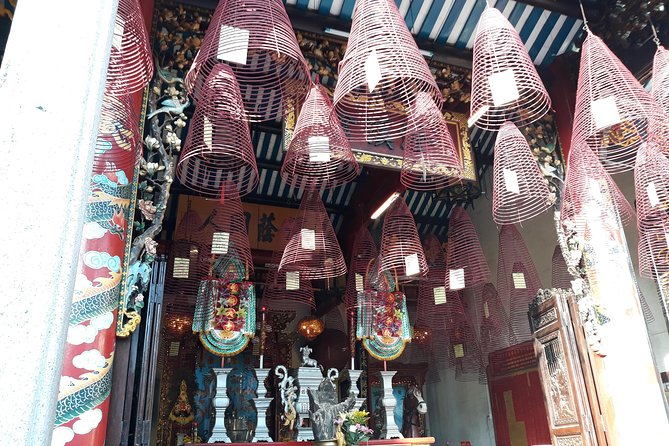
Hoi An’s Old Town isn’t just pretty. It’s also a living record of when this port mattered across Southeast Asia. Back in the 16th and 17th centuries, the town was a major trading post, and the architecture still reflects the mix of influences that came through the harbor.
That’s part of why this tour format works: you’re not wandering randomly. You’re walking with an English-speaking guide who helps you notice details you’d normally miss. The town is recognized as a UNESCO World Heritage site, declared in December 1999, and the restored and preserved old-town core is the reason so many people find it both charming and surprisingly informative.
And yes, it’s also a place for good food, relaxed shopping, and friendly street scenes. The guide’s job here is to help you connect those “fun” parts to the actual landmarks you’re passing.
You can also read our reviews of more tours and experiences in Hoi An.



The Japanese Covered Bridge and the Old Town building mix
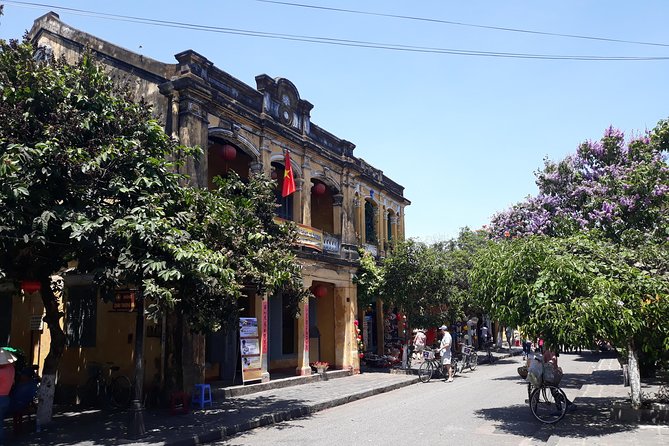
Expect your Ancient Town time to be a guided loop through the kinds of sights that make Hoi An feel like a patchwork of eras and cultures. You’ll see heritage buildings such as Chinese temples, the Japanese-designed Covered Bridge area, pagodas, and traditional wooden shop-houses.
You may also encounter French-colonial house styles and old canal corridors. It’s a smart mix because it shows that Hoi An isn’t one single “theme” like some heritage towns. It’s more like a layered port city—trading routes brought people, and people left marks in stone, wood, and street layout.
A practical tip: bring your photo mindset but also your “why” mindset. When the guide explains how one building type differs from another, suddenly the Japanese bridge, temple, and shop-house aren’t just background—they become clues for what the town used to do and who used to pass through.
Chinese and temple stops: what to look for (beyond the obvious)
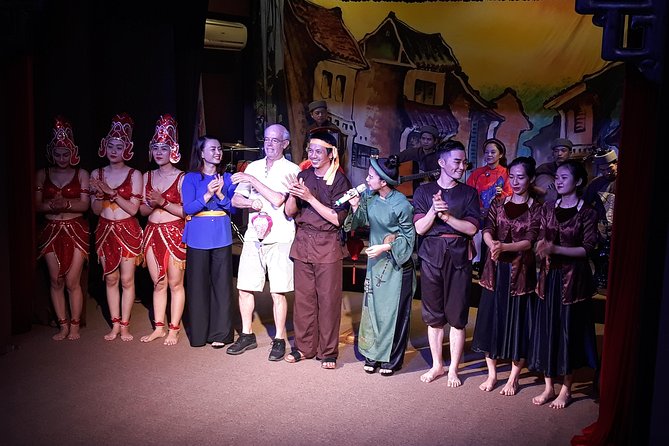
When a tour focuses on temples and assembly halls, it’s easy to treat them like quick checkpoints. The better version is what this experience aims for: help you read symbols and architectural choices so the places make sense in context.
Your guide can point out elements tied to Chinese influence (including Chinese temples and assembly hall style buildings), and then compare that with the religious and civic layout you’ll see as you keep walking. You’ll also see pagodas and heritage structures that show how everyday worship and community life fit into the old commercial streets.
If you’re the type who likes stories that connect objects to people, this is where the guide’s energy matters. In the positive experiences shared for this tour, Henry and Thanh were described as engaging, patient, and tuned in to the group’s pace. In one less-perfect experience, the guide’s attitude felt off for that group. The lesson for you is simple: if you want a talkative, story-heavy guide, say so at the start and ask how conversational you can make the walk.
Old Town market time: a quick taste of real Hoi An life
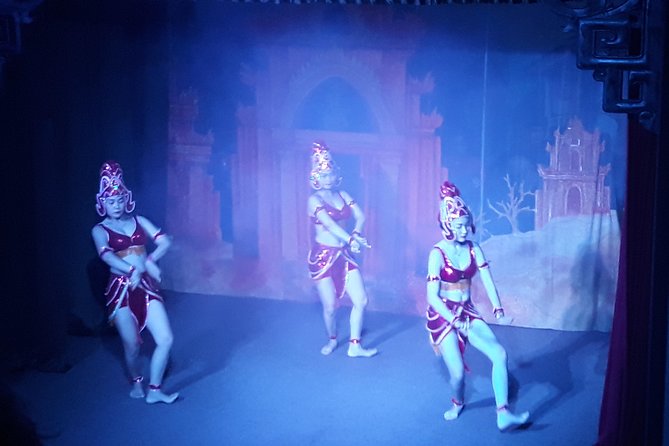
This experience includes a stop at a local market. That matters because it breaks the “only heritage buildings” rhythm. A market stop gives you a few things at once: the chance to see what’s being sold, how people move, and what normal daily commerce looks like when you step away from the most obvious photo lanes.
In a town known for food, shopping, and crafts, a market visit also adds texture to the tour. Even if you don’t plan to buy much, you’ll get a better feel for how Hoi An works as a living town rather than a museum set.
If you’re shopping for a tailor-made outfit or local crafts later, this kind of market glance helps you get oriented. You’ll see how styles, materials, and prices tend to sit in the local rhythm.
Cam Thanh’s coconut forest: the 200-years-of-coconuts context
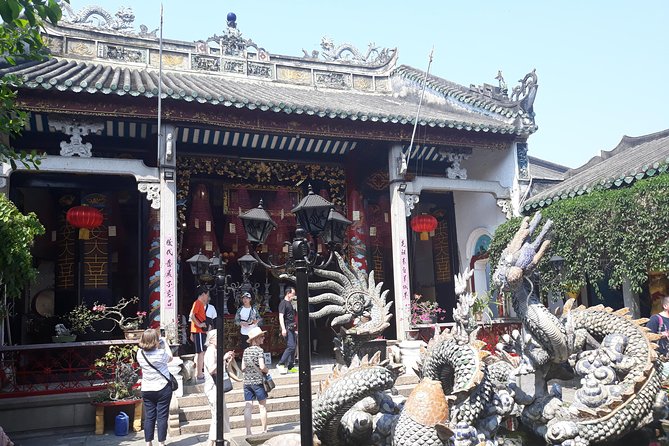
After the Ancient Town walking portion, you’ll head to Cam Thanh—an area often described as a coconut village, coconut forest, or Cam Thanh coconut garden. The main draw is the peaceful natural scenery and the water-based views.
What makes this stop more interesting than a simple boat ride is the background: local accounts tie the coconut forest to roughly 200 years ago, when migrants from the Southwest region brought water coconuts and planted them here. Over time, the trees grew into a coconut forest area of about 7 acres (around 7 hectares).
On the water, you’ll be out on clear water river cruises in basket boats. These are rustic, small boats designed for calm routes through the coconut-lined waterways. The experience is short, but it gives you a big visual reset from old-town streets.






The basket boat ride: what to expect and how to prepare
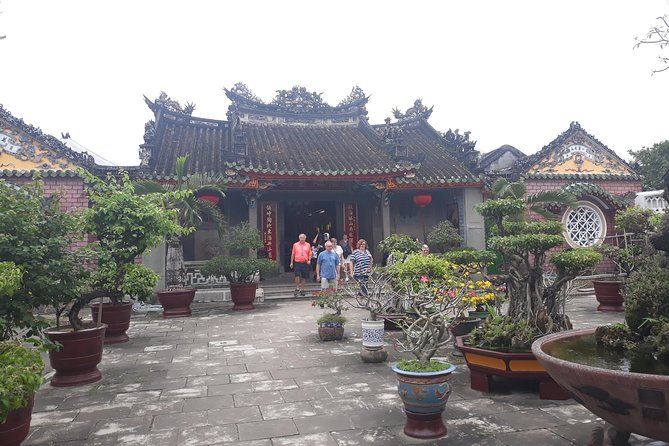
A basket boat ride sounds fun, and it is. But it also has a practical side. You’ll be in a very “up close” setting: low boat profile, water views at eye level, and lots of greenery framing the scene.
Because this is a private experience with a set duration, the ride timing stays part of the plan rather than becoming an extra detour you have to manage. The tour includes the basket boat ride, and Cam Thanh admission is listed as free for this stop.
What I’d do before you go:
- Dress for heat and sun since the ride and walking add up
- Wear comfortable shoes for the Ancient Town portion
- Bring water patience: it’s a few hours of moving, not a long couch session
If you’re traveling with older folks or anyone who needs breaks, this tour can work well because the format is private and the pace is adjustable. That flexibility came up strongly in positive experiences.
Tickets, admissions, and the “don’t make me plan” value
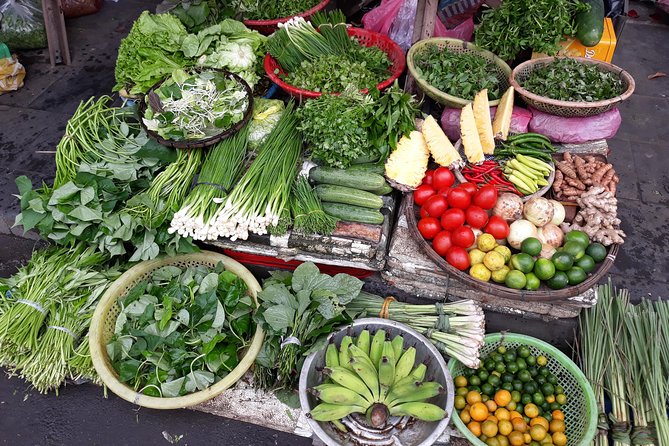
One reason people pick tours like this is to reduce mental load. Here you get hotel pickup and drop-off, bottled water, and a guide who carries the ticket side of things.
The pricing and admission details show one small inconsistency in the way the information is presented: the Ancient Town stop notes admission ticket not included, while the general inclusions list says admissions fees are included. Instead of guessing, do one quick check when you book:
- Ask what Ancient Town entry fees are covered
- Confirm the specific sites tied to your route
That’s the fastest way to avoid surprises.
Also look for the mention of a mobile ticket. In real life, that often means less time standing around with paper tickets. You’re spending your time walking and riding, not hunting for documents.
Price check: is $45 per person a good deal?
At $45 per person for roughly 3 to 4 hours, this tour has strong “value-per-time” potential—mainly because it bundles three things people usually pay for separately:
- A private, English-speaking guide
- Transportation convenience (pickup and drop-off)
- The basket boat ride plus admissions handled by the operator
For a private tour, $45 is not a budget shell game. It’s a reasonable rate if you actually use the included boat ride and don’t end up paying extra for site entries that should have been included.
It also requires a minimum of 02 people per booking, which can affect how the math works if you’re traveling solo or as a couple. On the upside, group discounts are listed, so if you’re traveling with friends, the cost can become even more sensible.
Pacing and comfort: make the tour match your body and interests
This experience is built around the idea that it’s private, meaning you’re not locked into a rigid group pace. That’s not just a luxury. In Hoi An—where heat and cobblestone walking can wear you down—being able to slow down can make the tour feel pleasant instead of tiring.
In better experiences, guides like Henry and Thanh were described as patient with slower walkers and willing to stop for photos. You can ask for that kind of control even if your group is fully mobile. Tell your guide:
- how long you want each walking segment to be
- whether you want more talking or more quiet viewing
- how many photo stops you’ll need
If you want the guide to share personal or local context, ask early. Some guides naturally share stories about family life in the city, which makes the old streets feel more human.
Who this Hoi An tour suits best
This is a strong fit if you want:
- A guided overview of Hoi An Ancient Town without getting lost in the lane maze
- Heritage stops that include Chinese temple style sights and the Japanese bridge area
- A real taste of local life via a market stop
- A short nature reset at Cam Thanh with a coconut forest boat ride
It may be less ideal if you want a long deep-dive into one single attraction, like only a museum day, or if you’d rather avoid walking and prefer a vehicle-only itinerary. You’ll still have a private guide, but the structure includes walking.
Where to go next after the tour
Once you’ve seen the Japanese bridge area, temple sites, and the coconut waterways, you’ll have a better sense of where to wander on your own. Hoi An is famous for food and shopping, and the tour’s market stop helps you understand what to look for after you’re back on your own schedule.
If you’re planning shopping or tailoring, this is also a good time to start noticing fabrics, styles, and the general “look” of the older shop-houses and crafts around town. You can use what you learned to shop with more confidence.
Should you book this private Hoi An tour?
I’d book it if you want an efficient, low-stress way to see the highlights of Hoi An’s old core and then add the signature coconut village water view in Cam Thanh. The best parts are the balance: heritage walking with a knowledgeable guide, then a relaxing boat ride that shifts you from streets to water.
Before you confirm, do two quick checks:
- Confirm what Ancient Town admissions are covered versus what you might pay separately, since the info shows conflicting notes.
- Tell your guide your pace needs and interests at the start, so the experience matches your energy level.
If that sounds like what you want—history with context, plus a peaceful water break—this private Hoi An Coconut basket boat + Ancient Town plan is a solid choice.
FAQ
How much does this private tour cost?
The tour price is $45.00 per person.
How long is the tour?
It runs about 3 to 4 hours.
Does the tour include pickup and drop-off?
Yes. Hotel pickup and drop-off are included.
Is the basket boat ride included?
Yes. The basket boat ride is included, and bottled water is provided.
What stops are included?
You’ll visit Hoi An Ancient Town and Cam Thanh (the coconut forest area).
Do I need to pay admissions?
Admissions fees are listed as included overall, and Cam Thanh admission is listed as free. However, the Ancient Town stop notes admission ticket not included, so it’s smart to confirm what’s covered for your exact route when you book.