REVIEW · BLENHEIM
Skip the Line: Dangerous Skies WWII Exhibition – Omaka Aviation Heritage Centre
Book on Viator →Operated by Omaka Aviation Heritage Centre · Bookable on Viator
WWII aviation gets human.
At Omaka Aviation Heritage Centre in Blenheim, this Dangerous Skies exhibition mixes restored aircraft with striking storytelling, including Russia’s all-woman bomber unit the Night Witches. What I like most is the way the museum turns history into something you can follow, plus the top-notch display work—there’s a real sense of care in the restoration and the presentation.
You’ll also get a special guided format when you book it, which helps you read the scenes instead of just walking past them. The main thing to think about is time: the experience can run from 45 minutes to several hours, depending on how long you linger—so set your expectations before you go.
In This Review
- Key things to know before you go
- Omaka Aviation Heritage Centre: WWII aircraft with real craft behind them
- Skip-the-line guided time: is the $15.51 ticket good value?
- The Night Witches and the Battle of Stalingrad: the story you’ll remember
- Weta Workshop mannequins: why this display style works
- What you’re actually seeing: restored aircraft and how to look
- How long to plan: from a quick visit to a 7-hour wander
- Shop and refreshments: a practical finish to your visit
- Who should book this (and who might not love it)
- Should you book this Dangerous Skies skip-the-line visit?
- FAQ
- Where is this experience located?
- How much does the experience cost?
- How long does the exhibition take?
- Is this a mobile ticket?
- Are there guided tours included?
- What are the opening hours?
- Is the museum open on Christmas Day?
- Is there food available on-site?
- Can I buy souvenirs?
- Do I need to sign in for contact tracing?
- Is free cancellation available?
Key things to know before you go
- Skip-the-line access helps you start without hunting for your spot in the queue
- The exhibition includes the story of the Night Witches, Russia’s notorious all-woman bombing squad
- You’ll see Battle of Stalingrad presented as a multimedia experience
- Weta Workshop is credited with building the mannequins used in the displays
- The museum shop has souvenirs for all ages, plus a coffee kiosk and light refreshments on-site
Omaka Aviation Heritage Centre: WWII aircraft with real craft behind them
Blenheim is not a place you stumble into by accident. Omaka is a deliberate stop. And that’s good news if you like museums that feel made for people, not just for archives.
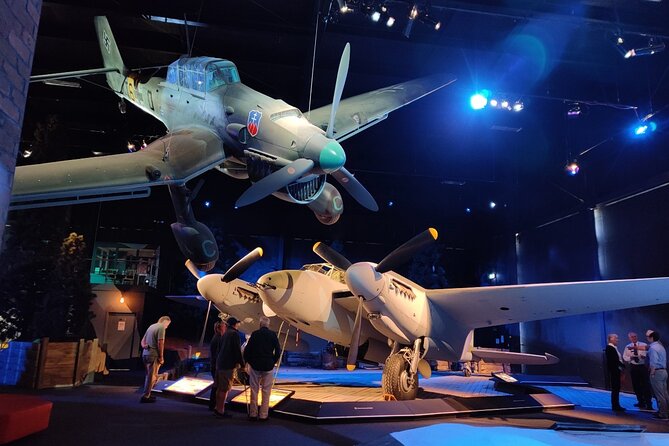
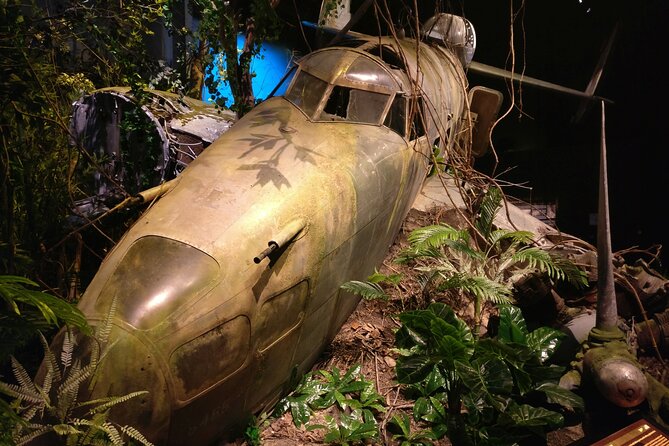
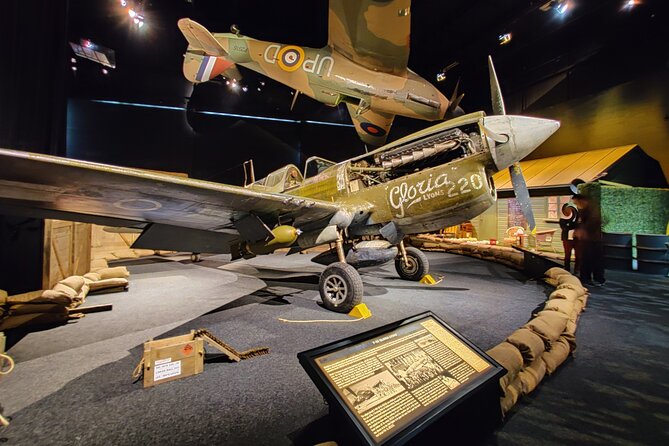
Omaka Aviation Heritage Centre is built around historic aircraft from World Wars I and II, but Dangerous Skies focuses on the WWII air war stories. The big draw here is that you’re not just looking at planes. You’re looking at restored planes and then being guided toward the people and moments behind them. In other words: aircraft first, then meaning.
I also appreciate the practical “museum logic” of the place. It’s open seven days a week except Christmas Day, and it has clear timing for entries. That matters because WWII exhibits can be overwhelming if you rush. With a planned visit, you can actually take in the aircraft details without feeling like you’re sprinting through a hangar.
You can also read our reviews of more tours and experiences in Blenheim.

Skip-the-line guided time: is the $15.51 ticket good value?
This experience costs $15.51 per person, and GST is included. That price is reasonable for a focused, museum-based experience in a dedicated aviation centre, especially when you’re paying for the “skip the line” benefit and the added context of a guided format (when you choose one).
Here’s how I think about value. A WWII exhibition can easily turn into passive viewing—lots of reading, little connection. A guide changes that. You get explanations that help you notice what matters: the display choices, the aircraft restoration effort, and the way the story is paced across rooms and themes.
One practical note: the info you have says guided commentary isn’t automatically included unless requested. So, when you book, make sure you’re selecting the guided option you want. If you choose to go more independently, you can still do self-guided touring of the exhibit, but you may lose some of the “how to read this” context.
The Night Witches and the Battle of Stalingrad: the story you’ll remember
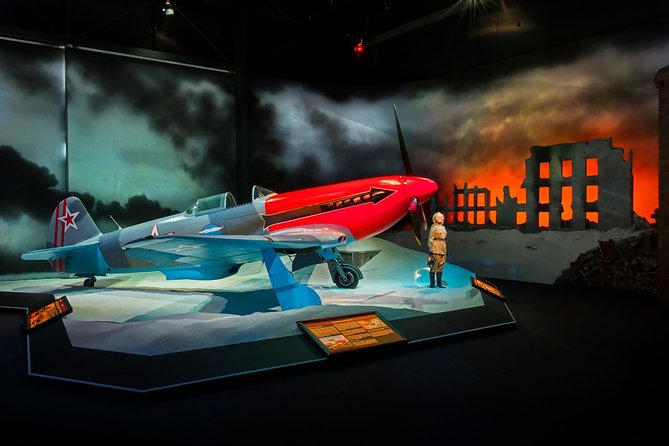
The headline theme of the exhibition is hard to forget: Russia’s Night Witches—a notorious all-woman bombing squad. This isn’t treated like a side chapter. It’s presented as a core part of the WWII aviation narrative, and it gives the exhibit a strong emotional anchor: people doing terrifying work under intense pressure.
Then comes the Battle of Stalingrad portion. It’s described as a multimedia extravaganza, which is exactly what you want in a museum like this. Stalingrad is hard to grasp from a single timeline. Multimedia helps compress complexity into something your brain can actually hold onto during a short visit.
If you’re the type who reads every label, you’ll likely enjoy the structure. If you’re the type who prefers a guided path, this is still a good fit because the multimedia section and the themed displays create natural “pause points” for the guide’s explanations.
Weta Workshop mannequins: why this display style works

A big visual hook is the credit to Weta Workshop for building the mannequins used in the exhibition. That detail matters because mannequins can either feel like decoration or like storytelling tools.
In Dangerous Skies, they’re used to help you picture the air war moments and the human side of the conflict. This kind of crafted figure-work also helps bridge a problem many people have with WWII museums: text can feel distant. If you’re looking at planes and reading about missions, the mannequins add a layer of scale and realism that makes the scenes feel closer to life.
I like displays that don’t rely on shock value. These feel built to communicate. The craftsmanship shows in how the figures are used inside the larger aircraft-and-story framework.
What you’re actually seeing: restored aircraft and how to look

This is an aircraft-focused museum, and it shows. The exhibition includes impeccably-restored bombers and fighter planes from the era. That restoration quality is one of the most praised parts of the experience, and it’s the kind of thing you can spot quickly if you slow down for a minute.
When you arrive, give yourself a chance to orient:
- Look at the aircraft first. Don’t rush to labels. Notice paint, markings, and how the restoration brings out panel lines and details.
- Then read the story context around them. That’s where the guide helps—linking the physical plane to the human decisions and wartime realities behind it.
If you love aviation, you’ll probably enjoy standing at specific aircraft angles and comparing what you see to what the display explains. If you’re less technical, you’ll still get value from the way the museum doesn’t assume everyone knows the lingo. The combination of aircraft + story + figures does the teaching.
How long to plan: from a quick visit to a 7-hour wander

The duration for the experience is listed as approximately 45 minutes to 7 hours. That’s a huge range, and it’s the biggest factor in your enjoyment.
Plan for a shorter visit if:
- You want the guided highlights
- You’re most interested in the Night Witches and Battle of Stalingrad areas
- You prefer to keep moving and don’t need to read every placard
Plan for longer if:
- You’re into aviation restoration and want time to study the aircraft details
- You like exhibitions with multiple layers (aircraft, figures, and multimedia)
- You tend to linger in museums because the stories are pulling you along
One more timing detail you should take seriously: last entry is 4pm and the museum closes at 5pm. The centre’s seasonal opening hours show either 9am–4pm or 9am–5pm depending on the dates, so build in buffer time. If you arrive late, you’ll feel it fast.
Shop and refreshments: a practical finish to your visit
Your visit doesn’t end when you exit the exhibition. There’s a shop where you can pick up souvenirs for young and old—useful if you want something tangible without leaving the museum.
There’s also a coffee kiosk and light refreshments available. Food and drinks aren’t included in the ticket, so consider this an extra perk rather than part of your plan. If you’re going during a longer window, having that option on-site can help you avoid turning the day into a snack hunt.
If you’re traveling with kids or teens, the shop is a nice reset moment. It’s also where many people will decide whether to extend the day with more museum time or just keep it focused.
Who should book this (and who might not love it)

This experience is a strong fit if you like:
- WWII aviation stories with real aircraft on display
- exhibitions that connect history to characters and events, not just facts
- multimedia elements that help you process big events like Stalingrad
- craftsmanship-focused museums where restoration quality matters
You might want to think twice if:
- You only have a tiny time window and hate timed pressure. Last entry at 4pm means you need a plan.
- You don’t care about WWII themes and only want modern aviation. This is WWII-focused.
If you’re curious but not an aviation nerd, you’ll likely still enjoy it because the themes—Night Witches and Stalingrad—give you a storyline to follow.
Should you book this Dangerous Skies skip-the-line visit?
I’d book it if you want a WWII museum visit that doesn’t feel like homework. Skip-the-line is worth it because it gets you into the exhibition without wasting time, and the guided format (when selected) adds context that makes the aircraft and scenes click. The restoration quality and the presentation are major strengths, and the Weta-built mannequins plus the Stalingrad multimedia segment give you multiple ways to connect with the story.
If you’re on the fence, here’s the simple decision rule: go only if you can give it at least an hour. The short version is good, but the longer time range is where the experience really pays off.
FAQ
Where is this experience located?
It’s at the Omaka Aviation Heritage Centre in Blenheim, New Zealand.
How much does the experience cost?
The price is $15.51 per person.
How long does the exhibition take?
It’s listed as approximately 45 minutes to 7 hours, depending on how much you explore.
Is this a mobile ticket?
Yes, the ticket is listed as mobile.
Are there guided tours included?
Guided commentary is listed as not included unless requested. Make sure you select the guided tour option you want when booking.
What are the opening hours?
The hours vary by season:
- 05/01/2025–11/30/2025: Monday–Sunday 9:00 AM–4:00 PM
- 12/01/2025–03/31/2026: Monday–Sunday 9:00 AM–5:00 PM
Last entry is from 4pm.
Is the museum open on Christmas Day?
No. It’s open seven days a year except Christmas Day.
Is there food available on-site?
A coffee kiosk and light refreshments are available, but food and drinks are not included in the ticket.
Can I buy souvenirs?
Yes. Souvenirs are available in the shop.
Do I need to sign in for contact tracing?
Yes. All guests are required to sign in for contact tracing purposes.
Is free cancellation available?
Yes. You can cancel up to 24 hours in advance for a full refund.