REVIEW · BARBADOS
St. Nicholas Abbey Heritage Great House and Rum Distillery Tour
Book on Viator →Operated by ST NICHOLAS ABBEY · Bookable on Viator
A rum tour with centuries behind it. At St. Nicholas Abbey, you walk through a 1658 Jacobean great house, then shift gears to see how plantation-era sugar work turns into rum.
I especially like the way the house museum connects Amerindian settlement artifacts to colonial-era life, so the building feels like a timeline, not just old walls. And I also like that you can take your time—stopping for quiet garden moments without feeling rushed.
What seals it for me is the rum part: you visit the artisan distillery and end with a tasting plus a complimentary drink. On some tours, you might even meet a family host like Simon Warren during the rum session, which adds a very human touch to all that machinery-and-barrel talk.
One caution: the tour works on a set pace, and the rum tasting itself is typically brief. If you’re hoping for a long, heavy pour or a big-food lunch included in the price, you might feel like the value lands better when you pair it with time at the terrace café.
In This Review
- Key things that make this tour work
- Entering St. Nicholas Abbey’s 1658 Great House
- Self-paced exploring, with enough guidance to keep it meaningful
- The plantation film: why it helps you see the whole estate
- Syrup Factory and the working steam mill experience
- Inside the rum distillery: from cane to bottle
- Where the café and gift shop fit (and how to plan lunch)
- Price and time value: what you’re really paying for
- Logistics that matter: getting picked up and avoiding timing stress
- Who should book this tour, and who might skip it
- Should you book the St. Nicholas Abbey and Rum Distillery Tour?
- FAQ
- How long is the St. Nicholas Abbey and Rum Distillery tour?
- What is included in the tour price?
- Is the tour self-guided or guided?
- Do I get a rum tasting?
- Where does the tour start and end?
- What’s the cancellation policy?
Key things that make this tour work
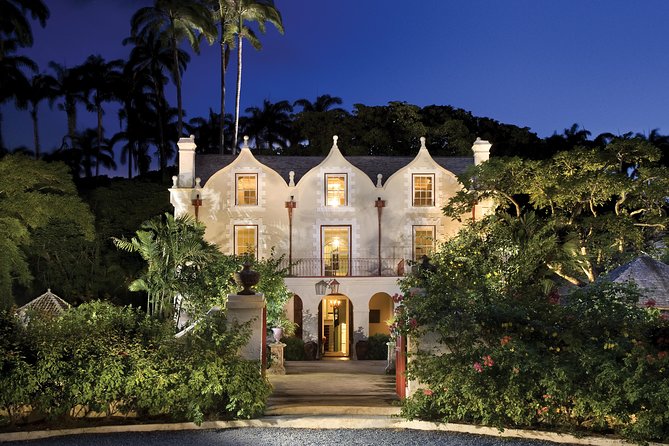
- 1658 Jacobean Great House: You’re seeing a specific landmark, not a generic “historic house” stop.
- Museum artifacts across eras: Amerindian through colonial items help you read the site like a story.
- On-site vintage plantation film: A screened movie turns rooms and tools into a single scene.
- Syrup Factory and working steam mill: You get a clear look at cane processing, not just a display.
- Rum distillery + tasting + complimentary drink: The end of the tour is hands-on and easy to enjoy.
- Small group size (max 25): You’re unlikely to feel lost in a crowd.
Entering St. Nicholas Abbey’s 1658 Great House
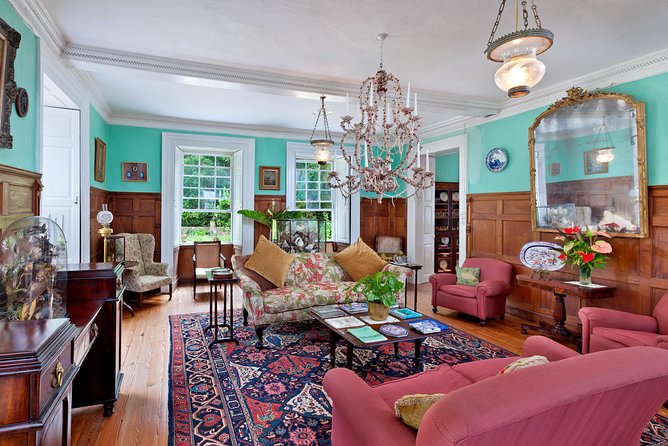
St. Nicholas Abbey isn’t trying to be a theme park. It feels like an active estate with a visible past and a current restoration mindset. That matters because it changes how you look at the place: you’re not just snapping photos. You’re noticing details and reading the site like a working document.
The centerpiece is the 1658 Jacobean Great House. You’ll move through rooms that function as a house museum, and the experience is built around objects and artifacts that trace how life on Barbados changed over time. The big win is the range: you don’t only get colonial stories. You also see material connected to Amerindian settlement, then it progresses forward into the colonial period. It helps you understand the island as layers of people and labor, not a single chapter.
I also like that this isn’t only about the house. The property is designed for you to keep going—into gardens, into working sections, and eventually to rum. That flow keeps the tour from feeling like a detour.
You can also read our reviews of more tours and experiences in Barbados.

Self-paced exploring, with enough guidance to keep it meaningful
The format gives you the best of both worlds: there’s structure, and then there’s breathing room. You’re not stuck listening nonstop, and you’re not wandering blindly either. You can set your own pace as you walk through the great house spaces and museum areas, and the site gives you cues for where to look next.
This matters because historic estates can go one of two ways. Either you feel herded, or you feel like you’re reading labels in a quiet panic. Here, the pacing helps you slow down for what really catches your eye—like how different rooms were used, how the story is laid out, and where quieter spots in the gardens invite a reset.
If you like tours where you can ask a question and then quietly verify it by looking around, this is a good match. One of the strongest recurring themes in the overall vibe is that the guide presence (even with self-paced wandering) doesn’t feel like a script. It feels like someone genuinely knows the place and can answer your questions without making you feel small for asking.
The plantation film: why it helps you see the whole estate
There’s a film you watch on-site that focuses on plantation life and Barbados. This is more than entertainment. It’s a shortcut for context. When you’ve just walked through rooms and seen artifacts, the film helps you connect those objects to the daily reality of plantation operations—work rhythms, hierarchy, and the scale of production.
Timing-wise, it also breaks the tour in a smart way. You’re not overheating your brain with history while standing in sun the whole time. You sit for the movie, you refocus, and then you can head toward the parts of the estate where the work becomes literal: sugar cane processing and rum production.
If you’re the type who learns best when a setting comes with a story, you’ll like this added stop. If you prefer hands-on over media, it still functions as a quick orientation so the rest of the tour has sharper meaning.
Syrup Factory and the working steam mill experience
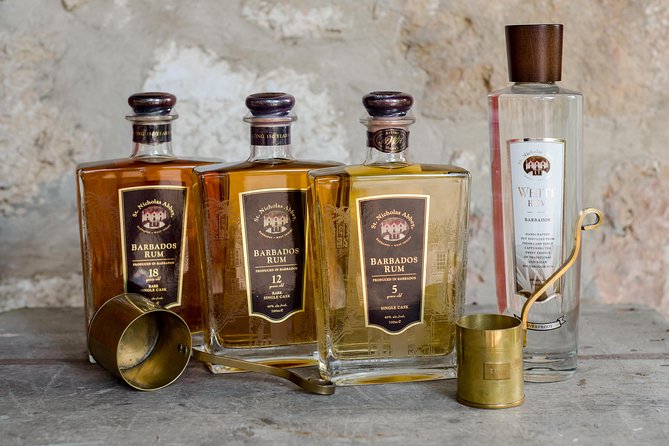
This is the part where the property stops being “pretty” and starts being practical. You’ll get to see the syrup factory side of the estate, including a working steam mill dating to around the late 1800s. The key word here is working. You’re seeing processes tied to how sugar cane was crushed and processed.
When people talk about plantation history, they often focus on the grand house and the artwork. But sugar production was the engine. Watching the estate’s production story unfold gives you a more grounded view of what life on Barbados actually required—labor, machinery, and constant processing.
If you’re into how things work, you’ll appreciate that this isn’t just “here’s a machine.” The flow of the tour helps you imagine the steps from cane to product. Even without technical jargon, you can see the logic of the operation.
And yes, there’s also a vintage railway element on the property that some visitors enjoy as part of the overall day. If you have time, it’s an easy add-on mood-wise: it slows you down and lets the scenery catch up with your learning.
Inside the rum distillery: from cane to bottle
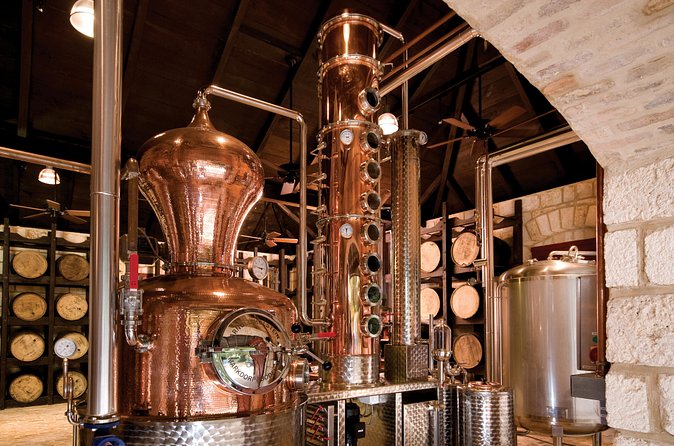
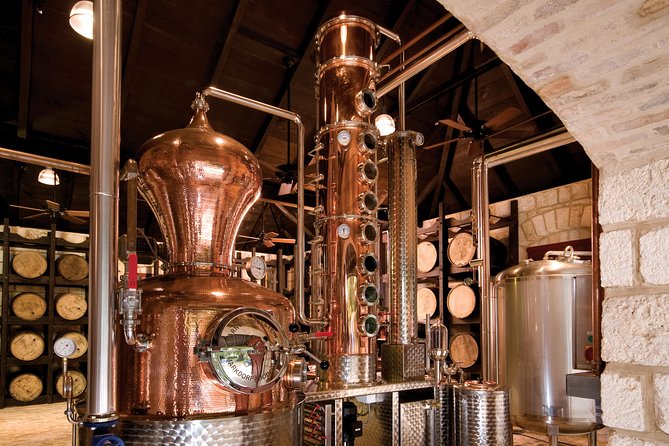
Then comes the fun part: the artisan rum distillery. The tour route brings you from production visuals into the spirit-making stage—so you’re not only tasting at the end without context. You see how rum moves along the line from cane to bottle, and that makes the tasting feel earned.
The distillery portion includes a rum tasting and a complimentary drink. Even if you’re not a serious rum person, you’ll likely find something enjoyable here because the tasting is presented as part of the story, not just a sales pitch.
One more thing I like: the tasting session is often narrated with real personality. Some tours include explanations from people who know the product well—one highlight from a prior visit was hearing about aged rum during the tasting, with a lively, on-the-spot feel. If you tend to remember stories more than notes, this is a strong point in the experience.
Practical tip: take small sips and pace yourself. You’re out walking on a hot island. If you add lunch afterward, you’ll feel better keeping the tasting modest.
Where the café and gift shop fit (and how to plan lunch)
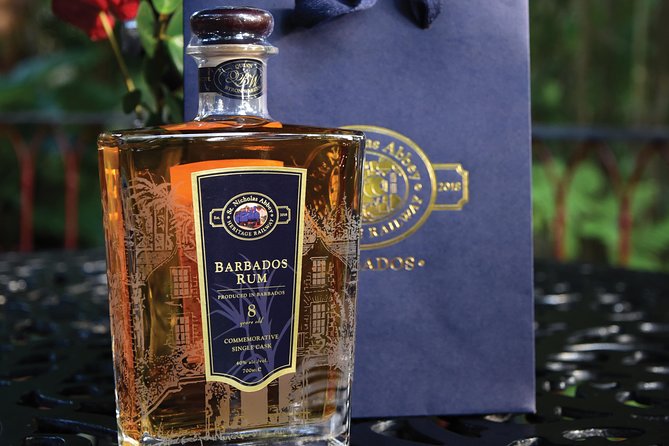
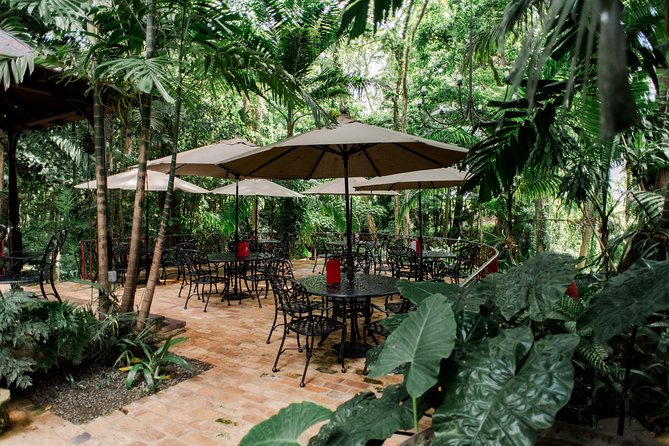
After the key tour elements, you’re not stuck with hunger and no options. There’s a terrace café on-site, and it’s the kind of place where you can slow down with coffee or a proper lunch while the day stays relaxed.
Some visitors have mentioned enjoying lunch on the patio and ordering items like rum punch at the café. The gift shop is also there if you want a souvenir that fits the theme—especially since the rum and production story is so central to what you just experienced.
My advice: if you want a calmer day, plan to eat before you feel “too hungry to think.” Once the sun hits midday, it’s easy to rush and then regret it. The café is a handy reset button.
Price and time value: what you’re really paying for
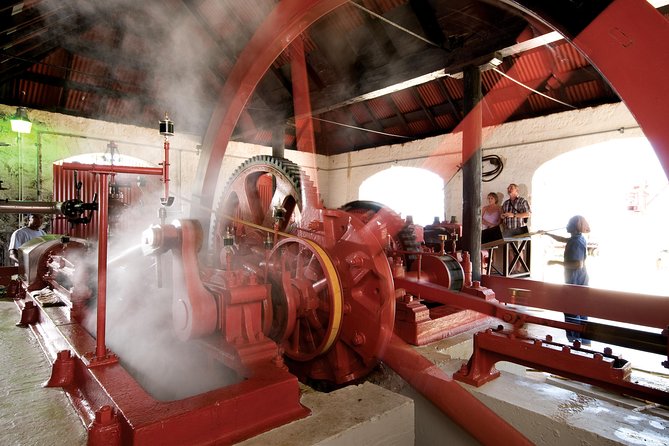
At $45 per person, this tour sits in a mid-range zone. It’s not a bargain-bucket entry, but it also isn’t trying to charge you for a full-day resort experience. The value comes from the mix: one ticket gets you access to the great house setting, a film stop, production-site viewing (steam mill and syrup factory), plus a distillery visit with tasting.
The timing can run from about 45 minutes to 1.5 hours, depending on pace and how much you linger. That range actually helps. If you’re on a tight schedule, you can do a focused pass. If you like details, you can slow down in the house and gardens and let the production sections land properly.
Still, it’s worth being honest about the tradeoff. One downside that can affect perceived value is that the rum tasting isn’t a long, sit-and-sip session. It’s more like a structured taste and a complimentary drink—enjoyable, but not a full tasting flight. If you’re primarily coming for rum in quantity, you may be happier pairing this stop with other rum options on the island.
Logistics that matter: getting picked up and avoiding timing stress
If you’re using a taxi, plan your schedule with care. One practical tip I’d follow: ask the driver to pick you up and confirm timing, especially if you want to add extra elements on the property like the train ride alongside the distillery portion. These estates run on an internal flow—once you leave, you don’t want to be stuck negotiating pickup while your afternoon slips away.
The good news is that the tour ends back at the meeting point, so you’re not dealing with a complicated drop-off situation.
Also, keep in mind the group size: it’s capped at 25 travelers. Smaller groups generally mean less waiting and more room to ask a question without feeling like you’re competing for the guide’s attention.
Who should book this tour, and who might skip it
This is a strong choice if you want history that has moving parts. You’ll like it if you enjoy tours where you can connect architecture to agriculture, and then to rum. It also suits you if you like a paced experience: a bit of guided structure, plus self-paced wandering through the house and quieter garden zones.
You’ll get extra mileage if you’re the type who enjoys a short film and then uses it as a lens for what you’re seeing next. The combination of the great house museum and the production side gives you a fuller picture of the estate.
I’d tell you to consider skipping or adjusting expectations if your goal is only tasting. The rum portion is included, but it’s not built as a long tasting event. It’s built as a meaningful finish to a tour about the site as a whole.
Should you book the St. Nicholas Abbey and Rum Distillery Tour?
Yes, if you want a compact tour that feels real and grounded. For $45, you get more than a house visit: you get the great house museum feel, a plantation film stop, a working steam mill experience tied to sugar production, and then a distillery tasting with a complimentary drink. That’s a lot of “story per hour.”
Book it if you like tactile history—tools, production, and the way the estate explains itself. If you’re short on time in Barbados but still want something that isn’t generic, this is the kind of stop that makes your day feel purposeful.
FAQ
How long is the St. Nicholas Abbey and Rum Distillery tour?
The tour duration is approximately 45 minutes to 1.5 hours.
What is included in the tour price?
The tour includes admission to the experience, a film about plantation and Barbados, access to the St. Nicholas Abbey house and museum areas, the syrup factory with a working steam mill, and the rum distillery with a rum tasting and a complimentary drink.
Is the tour self-guided or guided?
You explore St. Nicholas Abbey at your own pace, and the experience also includes guided elements around the great house and the on-site programming that’s part of the tour.
Do I get a rum tasting?
Yes. The experience includes a rum tasting and a complimentary drink.
Where does the tour start and end?
It starts at St Nicholas Abbey, Saint Peter, Barbados, and it ends back at the same meeting point.
What’s the cancellation policy?
You can cancel for a full refund up to 24 hours in advance. If you cancel within 24 hours of the start time, the amount paid is not refunded.