REVIEW · LAGOS
The Black Heritage – Badagry Tour
Book on Viator →Operated by Motley Travels · Bookable on Viator
Badagry tells stories you won’t forget. This tour pairs the Badagry Slave Museum and Black History Museum with a trip to Gberefu Island, so you see the slave era’s history in the very places it happened.
I especially love the way the day mixes museum stops with outdoor ground you can walk and stand on, including the Atlantic shore. I also love the guide-led storytelling, with operators like Godstime plus drivers and guides such as Bright and Adedemi (spelling may vary), who explain what you’re seeing in a careful, human way.
One drawback to plan around: the Lagos-to-Badagry ride can be long and chaotic, so it’s not the kind of outing where you can relax and nap the whole time.
In This Review
- Key things that make this tour worth your time
- Badagry’s Black Heritage Tour: what you’re really signing up for
- Price and value: is $269.10 a fair deal for 8 to 10 hours?
- Getting to Badagry from Lagos: timing, traffic, and mental prep
- Stop 1: Badagry Slave Museum and Black History Museum, end to end
- Barracoon relics and the resting place of Williams Seriki Abass
- Missionaries in the Black History Museum: roles, relics, and wreckage
- A first-storey building reference in the heritage area
- The boat-to-land story at Gberefu Island: attenuation wells and the Atlantic shore
- Attenuation wells: the legend and why it’s included
- The monument and relic-housing visit
- Shores of the Atlantic: what you should notice
- Guides matter here: the difference between facts and meaning
- What to bring for a long Lagos-to-Badagry day
- Timing and pacing: how to make the day feel manageable
- Who should book this tour, and who might want to skip it
- Quick reality check before you go
- Should you book the Black Heritage – Badagry Tour?
- FAQ
- How long is the Black Heritage – Badagry Tour?
- Is hotel pickup and drop-off included?
- What are the main stops on the tour?
- Does the tour include a boat trip?
- What is Gberefu Island known for on this tour?
- Are admission tickets included?
- Is this a private tour?
- What are the tour’s operating hours?
- Can I cancel for free?
- Are service animals allowed, and can most travelers participate?
Key things that make this tour worth your time
- Two major museum stops in one day covering the slave era and Black heritage
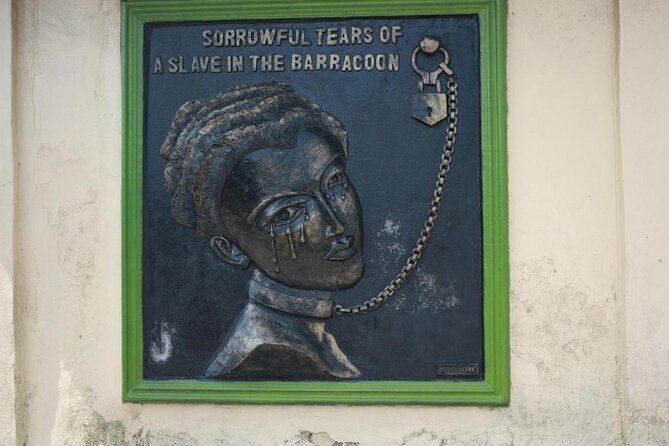
- A barracoon visit tied to the resting place of Williams Seriki Abass
- Missionary-era context shown through relics and even wreckage from the period
- Gberefu Island’s “point of no return” story explained on-site
- Attenuation wells and their legend about wiped memory
- Hotel pickup and a private group format so the pace stays manageable
Badagry’s Black Heritage Tour: what you’re really signing up for
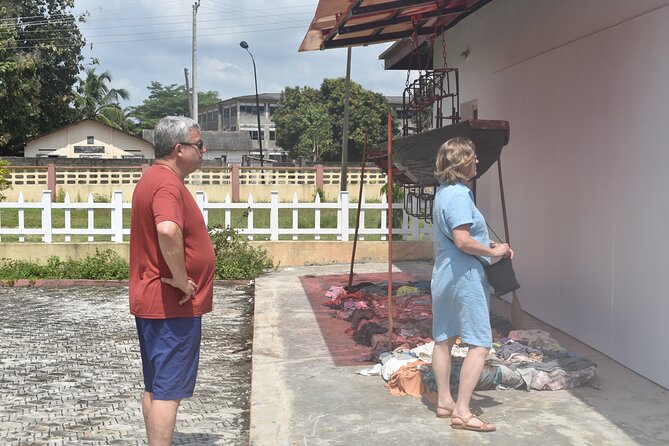
This is a heavy, reflective day. You’re not just checking boxes in a museum. The tour is built around a trail of meaning: barracoon relics and memorials, then a separate stop that explains why Gberefu is tied to the idea of no return.
What makes it work is the balance between indoor history and the physical sense of place outdoors. You spend time in museums, but you also get to be outside near the Atlantic—exactly the kind of setting that helps the stories stick.
You can also read our reviews of more tours and experiences in Lagos.
Price and value: is $269.10 a fair deal for 8 to 10 hours?
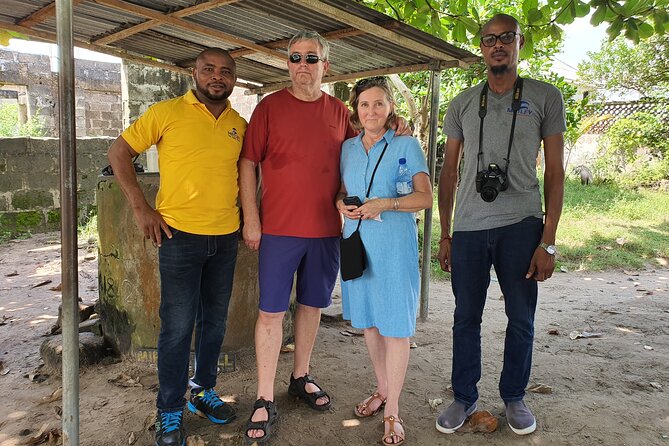
At $269.10 per person, this isn’t a budget half-day. The value comes from three things you’re getting together:
First, the day runs 8 to 10 hours and starts and ends with transfers from your hotel. That’s real time and effort, especially with Lagos traffic.
Second, the tour includes admission tickets, plus a day that covers two museum sites and a full Gberefu Island segment with a boat trip. In many places, you end up paying extra for each admission, then still pay for separate transport.
Third, it’s described as a private tour/activity (only your group), which usually means you can ask questions and get clearer explanations. That matters on a subject like this, where the details and context are the whole point.
Getting to Badagry from Lagos: timing, traffic, and mental prep
The trip out of Lagos is often the hardest part to manage. One of the most consistent themes is that the ride can be long and chaotic, so you should treat the journey like part of the experience, not a minor chore.
Because the tour runs within the operating window of 8:00 AM to 6:00 PM, you’ll want to start the day well-fed and ready. If you’re prone to stress with driving, it can help to bring water, keep your phone charged, and wear something comfortable for a long seat.
Also, since it’s a full day, plan your rest for the evening afterward. This is the kind of tour that can leave your head spinning, even if the guide keeps the pace organized.
Stop 1: Badagry Slave Museum and Black History Museum, end to end
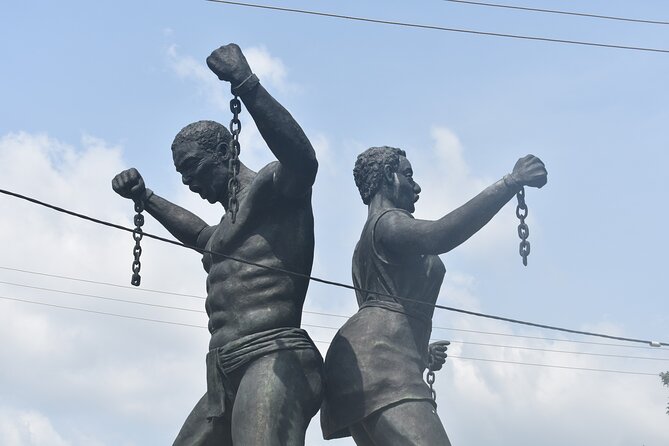
You begin at the slave museum, where the guide gets you oriented with what to expect. That welcome matters because the day is emotional and factual at the same time. You’ll get a clear map in your mind before you start seeing artifacts.
Barracoon relics and the resting place of Williams Seriki Abass
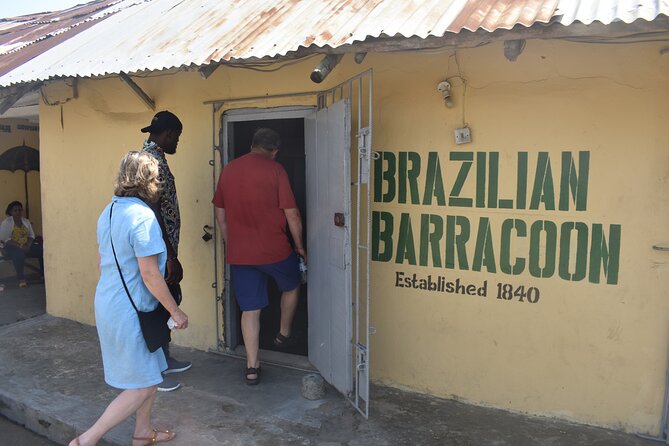
Inside the slave museum, the focus is on the barracoon—a space that’s chilling not because it’s theatrical, but because it’s physical. You’re shown relics of the slave era and brought through the story connected to Williams Seriki Abass, including his resting place.
For many visitors, this is the moment the tour becomes more personal. Even if you don’t have direct ancestry tied to the era, it’s hard to stand near memorial meaning and remain detached. The guide’s job here is to explain what you’re seeing without turning it into spectacle, and this tour is set up to do exactly that.
Missionaries in the Black History Museum: roles, relics, and wreckage
After the barracoon segment, you shift to the Heritage/Black History Museum, where you learn about the lives of missionaries and the roles they played at the time. Instead of only hearing general statements, you’ll see relics and even wreckage of items used during the period.
That detail is valuable. It helps you understand that history isn’t just ideas and dates. It’s tools, objects, and systems—some of them shaped by power and some shaped by belief. The museum layout supports that kind of thinking.
A first-storey building reference in the heritage area
From the Heritage museum, the tour continues to see the first storey building in Nigeria referenced as part of this visit. The key for you is not the architecture lesson—it’s that the day is threading together slavery-era history with later heritage markers in the same broader area.
If you like context you can physically point to, this little add-on helps.
The boat-to-land story at Gberefu Island: attenuation wells and the Atlantic shore
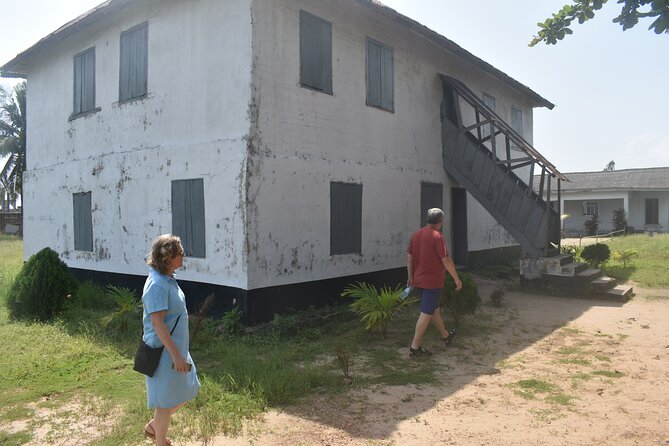
Once you finish the museum portion, you move to Gberefu Island, known for the idea of the point of no return. The tour keeps building meaning: you go from museum objects to geography tied to departure and loss.
Attenuation wells: the legend and why it’s included
You’ll make a brief stop at the attenuation wells. The explanation given is that the memory of enslaved people was wiped out when they drank from the well.
Even if you approach the legend with a critical mind, the inclusion is still useful. It shows how local history and memory are carried through place-narratives, not only written records. On a tour like this, the goal is often to understand how people tried to survive psychologically and spiritually in a system designed to break them.
The monument and relic-housing visit
After the wells, you visit the historical monument set up to house other relics from the slave era. This is where you can shift from hearing stories to seeing how the site tries to preserve meaning.
If you’re thinking practically: monuments like this also help you anchor the day. When your brain feels overloaded, your eyes can rest on something organized.
Shores of the Atlantic: what you should notice
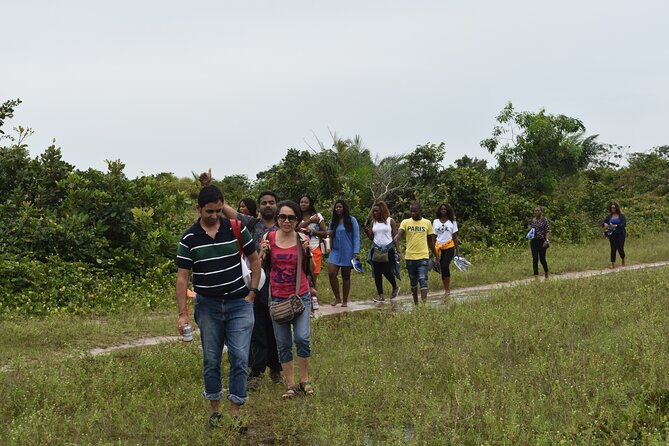
You’ll spend time at the Atlantic Ocean shoreline, the same coast used during the transportation routes to unknown destinations. The tour also includes the boat trip and, based on the way the day is described, a walk connected to the point-of-no-return message.
This is where the tour feels most “in place.” Standing near the ocean, you’re not pretending the sea is a movie set. You’re looking at a real boundary—between home and forced movement—that makes the story harder to ignore.
Guides matter here: the difference between facts and meaning
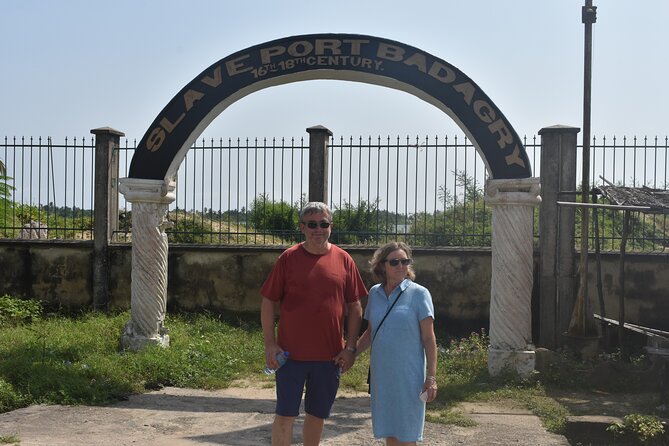
This tour’s best moments tend to come from guide delivery. The day includes complex topics: slavery infrastructure, missionary-era roles, and site-based memory stories. Without good explanation, it could become a list.
From the tour experience as described, you’ll likely encounter guides and drivers who take care with the flow. Names you may hear include Bright (driver) and Adedemi (spelling may vary), plus tour support linked with Godstime. The pattern is what’s important: guides who don’t rush, who connect details, and who keep you oriented when the content becomes emotional.
If you want a day that feels handled with respect, focus on choosing the time and group setup that lets your guide set the pace.
What to bring for a long Lagos-to-Badagry day
Because the day is long and the ride can be chaotic, keep your kit simple and practical:
- Comfortable shoes for walking near museum areas and on the island shoreline
- Water, and a basic snack if you get low energy during transit
- Sun protection (shade can be limited outside, and you’ll be at the coast)
- A phone battery pack, since you may want photos and maps
- A calm mindset—this is emotional history, not a casual sightseeing loop
Also, be ready to listen. The most useful part of a tour like this is the guide’s interpretation of what you’re seeing. If you treat it like background noise, you’ll miss the meaning.
Timing and pacing: how to make the day feel manageable
This is a full day, roughly 8 to 10 hours. You should expect a rhythm that goes museum, then travel, then coast and reflection. The tour includes admission and the main movement between stops, so you won’t be scrambling to figure out transport while you’re inside a heavy topic.
Still, pacing is personal. If you’re someone who needs frequent breaks, tell your guide so they can adjust the tempo where possible. Private-group formats can help with that kind of flexibility, as long as the schedule stays within the day’s plan.
Who should book this tour, and who might want to skip it
This tour is ideal if you:
- Want Black heritage history connected to real sites around Badagry
- Appreciate a structured, guide-led approach with time for both museums and the island
- Like tours where you can ask questions and get context, not just look at objects
You might want to think twice if:
- You’re very sensitive to emotionally intense historical content
- You hate long road trips and aren’t okay with Lagos traffic pressure
- You prefer light, casual sightseeing with no memorial focus
That said, even people who know some history often find this tour valuable because it links artifacts, names, and site stories into one connected route.
Quick reality check before you go
This day isn’t about fun photos or quick facts. It’s about understanding. The museums and the island are designed to make you slow down.
If you go with respect—ready to listen, ready to feel, and ready to learn—you’ll likely leave with a clearer picture of what the slave era meant on the ground, and why Gberefu is remembered as a point where hope for return disappeared.
Should you book the Black Heritage – Badagry Tour?
If you have one full day in Lagos and you want the most direct, site-based Black heritage experience around Badagry, I’d book this. The combination of two museum stops, the memorial focus around Williams Seriki Abass, and the Gberefu Island segment with attenuation wells and Atlantic shoreline time creates a day that feels coherent.
I’d also lean toward booking if you want pickup included, admission included, and a setup that keeps the group private so questions don’t get lost.
Just be honest with yourself about the trade-off: the drive can be long and chaotic, and the subject matter is emotionally demanding. If you’re okay with that, this is one of the most meaningful ways to spend a day in the area.
FAQ
How long is the Black Heritage – Badagry Tour?
It’s about 8 to 10 hours.
Is hotel pickup and drop-off included?
Yes. The tour starts and ends with transfers from your hotel.
What are the main stops on the tour?
You’ll visit the Badagry Slave Museum and Black History Museum, then go to Gberefu Island.
Does the tour include a boat trip?
Yes. The Gberefu Island portion includes a boat trip.
What is Gberefu Island known for on this tour?
It’s called the point of no return, and the tour explains it in connection with the slave era.
Are admission tickets included?
Yes. Admission tickets are included for the museum and island stops.
Is this a private tour?
Yes. Only your group participates, so it’s private rather than mixed with strangers.
What are the tour’s operating hours?
The tour runs Monday to Sunday, 8:00 AM to 6:00 PM.
Can I cancel for free?
Yes. You can cancel up to 24 hours in advance for a full refund.
Are service animals allowed, and can most travelers participate?
Yes. Service animals are allowed, and most travelers can participate.