REVIEW · MINCA
Trekking History and Indigenous Heritage in Minca + Cacao & Coffee + Waterfall
Book on GetYourGuide →Operated by Macondo Project Tourism · Bookable on GetYourGuide
If you like your nature walks with real meaning, this one fits. You’ll follow historic Tayrona trails and meet an Arhuaco family connected to the land through cacao and coffee. One catch: the hike is medium and you’ll want solid shoes, plus you should bring a swimsuit in case the waterfall appears along the way.
I like that the tour isn’t just scenic—it’s guided by context, with a bilingual specialist focused on indigenous history and culture. You also get time to slow down and taste cacao and coffee in a setting tied to traditional worldview and sustainable community support. The main consideration is simple: food and drinks aren’t included, so plan accordingly.
In This Review
- Key Highlights You’ll Feel on Day One
- Tayrona-Era Trails and Indigenous Heritage in Minca
- Getting Started at Parque de Minca (Central Park) Without Wasting Time
- The Cabanas Bosque Cacao Stop: Coffee and Cacao with Meaning
- When the Guide Makes It Click
- The Trek Itself: Nature, Traditional Practices, and Ecological Clues
- Waterfall Time: The Cool-Down You’ll Be Glad You Prepared For
- What You’ll Pay ($41) and Why It’s Good Value
- Included vs. Not Included: The Practical Stuff That Saves You Money
- What to Bring for a Medium Jungle Hike (and a Possible Swim)
- Who This Tour Fits Best (and Who Should Skip It)
- Quick Decision: Should You Book the Minca Trek with Cacao, Coffee, and Waterfall?
- FAQ
- Where is the meeting point?
- How long is the tour?
- What languages are available?
- What difficulty level is the hike?
- What’s included in the farm and tasting part?
- Is there a waterfall?
- What should I bring?
- Is food included?
Key Highlights You’ll Feel on Day One
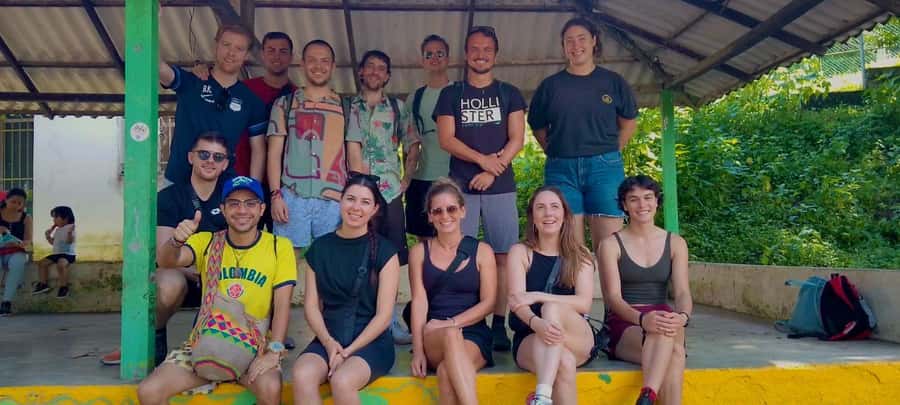
- Historic Tayrona trail route: Walk paths tied to indigenous heritage rather than random backroads.
- Bilingual, community-focused guiding: A local specialist in indigenous culture keeps the story clear in English or Spanish.
- Arhuaco cacao and coffee farm visit: Learn cultivation and transformation steps, plus tasting.
- Indigenous worldview context: It’s not just production; it’s explained through how the community understands land and use.
- Waterfall break in the jungle: You’ll get access to relax, and you may spot one along the way.
- Sustainable community project support: Each booking contributes to local initiatives.
Tayrona-Era Trails and Indigenous Heritage in Minca
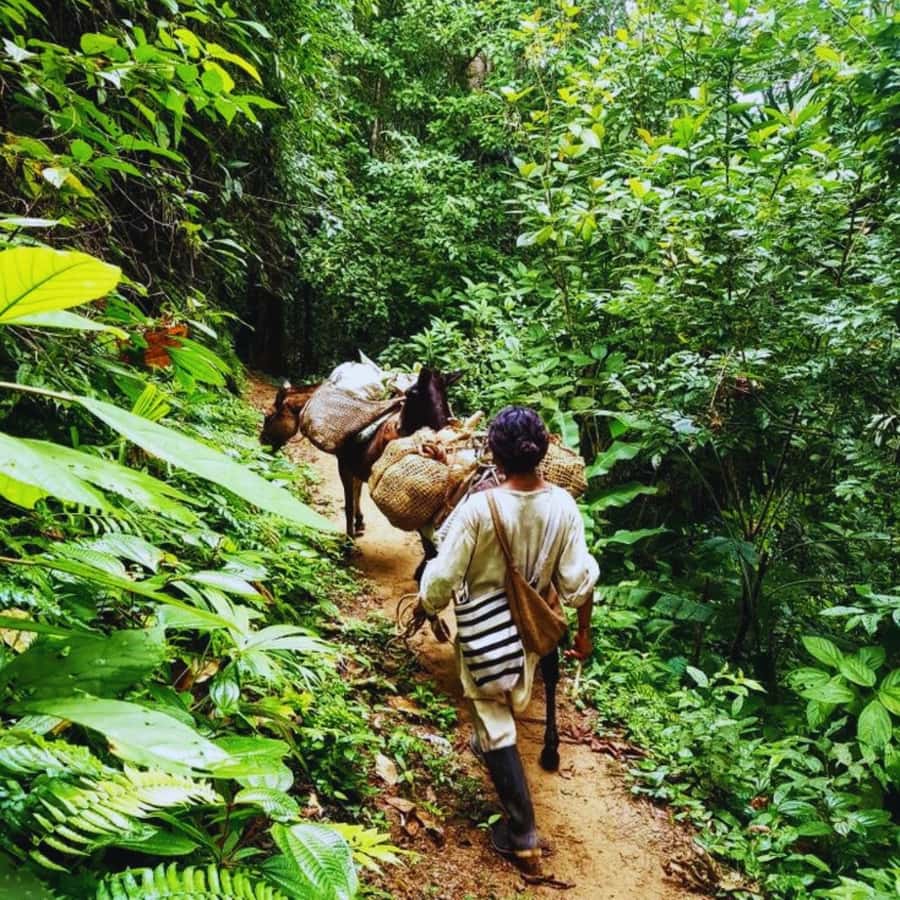
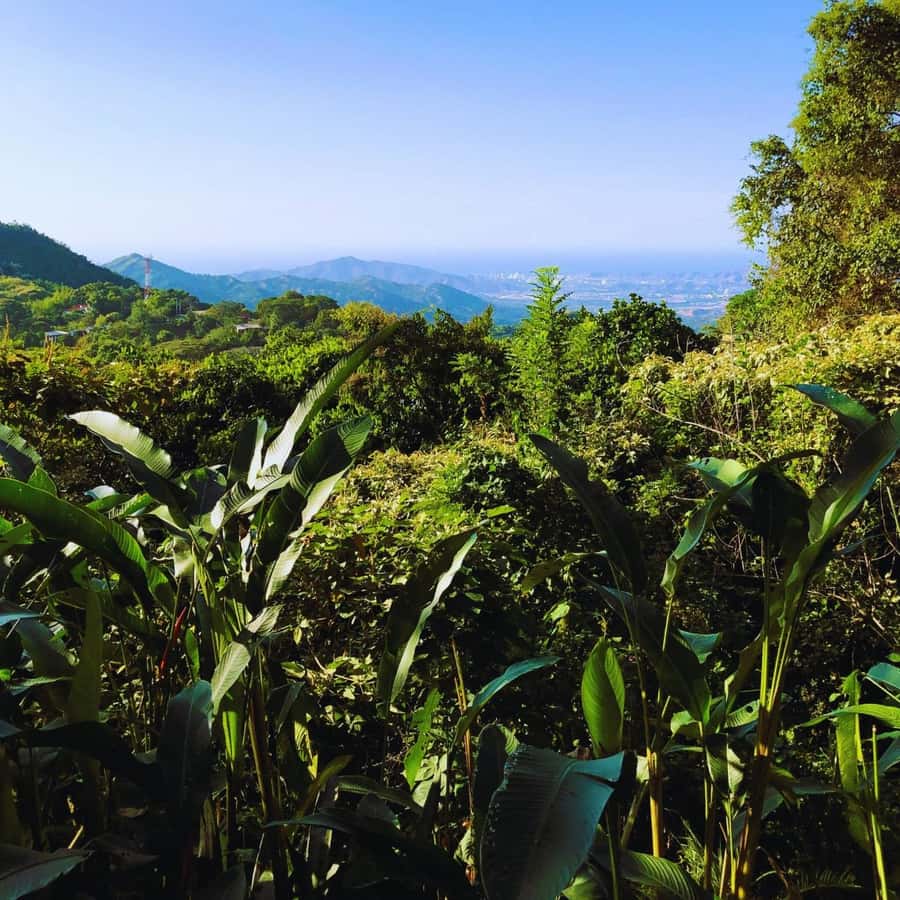
Minca has a reputation for jungle air and cool walks, but this experience gives you the why behind the scenery. The trek follows historic trails associated with the indigenous legacy of the Tayrona and communities descended from them. As you walk, you’re not just moving through trees—you’re tracing cultural memory in the way people have traveled and worked the territory for centuries.
The tour also names the communities connected to this region—Kogui, Wiwa, Arhuacos, and Kankuamos—and frames their continued relationship with nature as living knowledge, not museum history. That matters because it changes how you look at what’s around you. Instead of asking what’s pretty, you start noticing what’s useful, how practices fit the environment, and why respect is part of the rules.
Getting Started at Parque de Minca (Central Park) Without Wasting Time
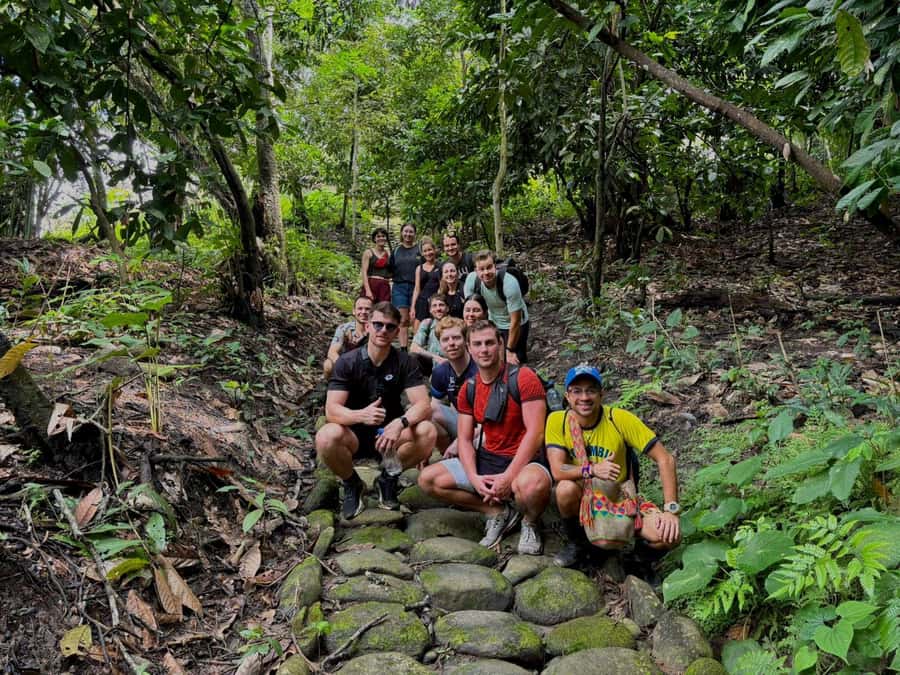
You meet in the center of town at Minca’s Central Park, by the chapel. It’s a straightforward start, and it helps you get oriented fast—especially if you’re using Minca as a base near Santa Marta. The total experience runs about 4.5 hours (plan 4–5 hours), so it’s long enough to feel satisfying, but not so long you’ll feel cooked by the end.
Difficulty is listed as medium, and that’s accurate in the way that counts: you’ll want a day pack mindset, not a stroll mindset. Wear comfortable clothing and shoes you trust. If you’re prone to slipping on wet ground, consider your grip first—jungle trails can be slick even when you think the weather is mild.
Practical tip: bring what you’d want for a real hike plus the “just in case” items. The tour warns that it runs in rain or shine (except extreme conditions), so gear up for changeable weather.
The Cabanas Bosque Cacao Stop: Coffee and Cacao with Meaning
The biggest portion of the tour happens at Cabanas Bosque Cacao, where you get a guided visit tied to an indigenous coffee and cacao farm managed by an Arhuaco family. This is where the experience shifts from trekking into hands-on learning and tasting.
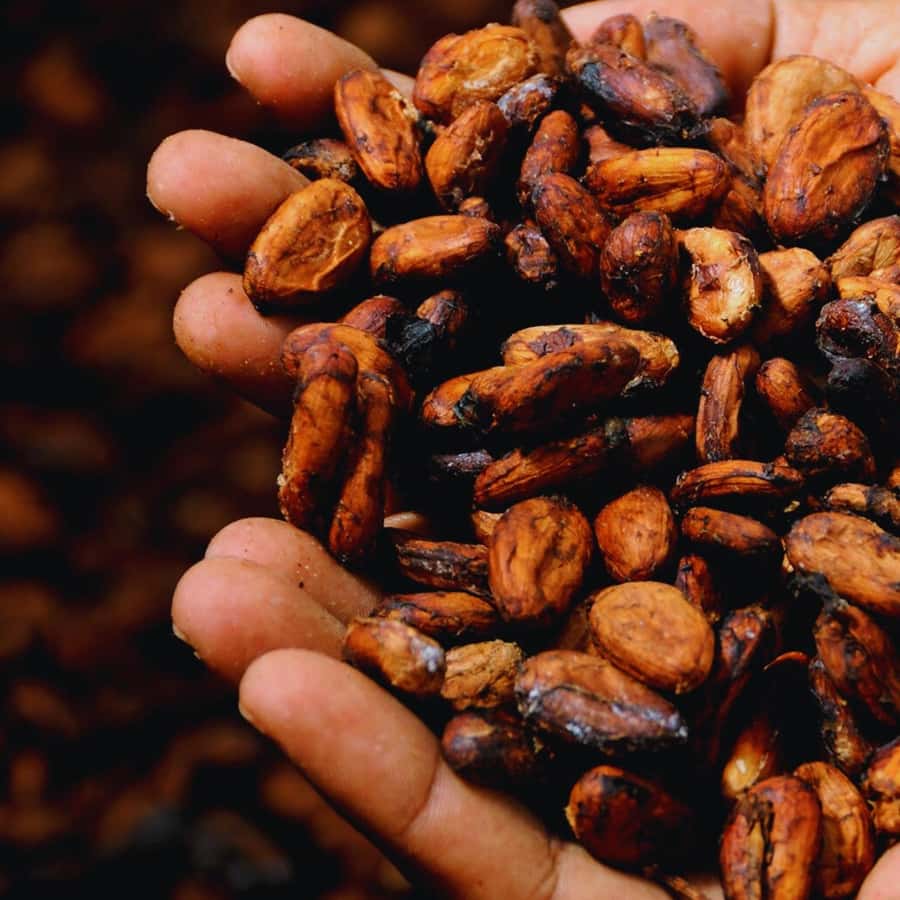
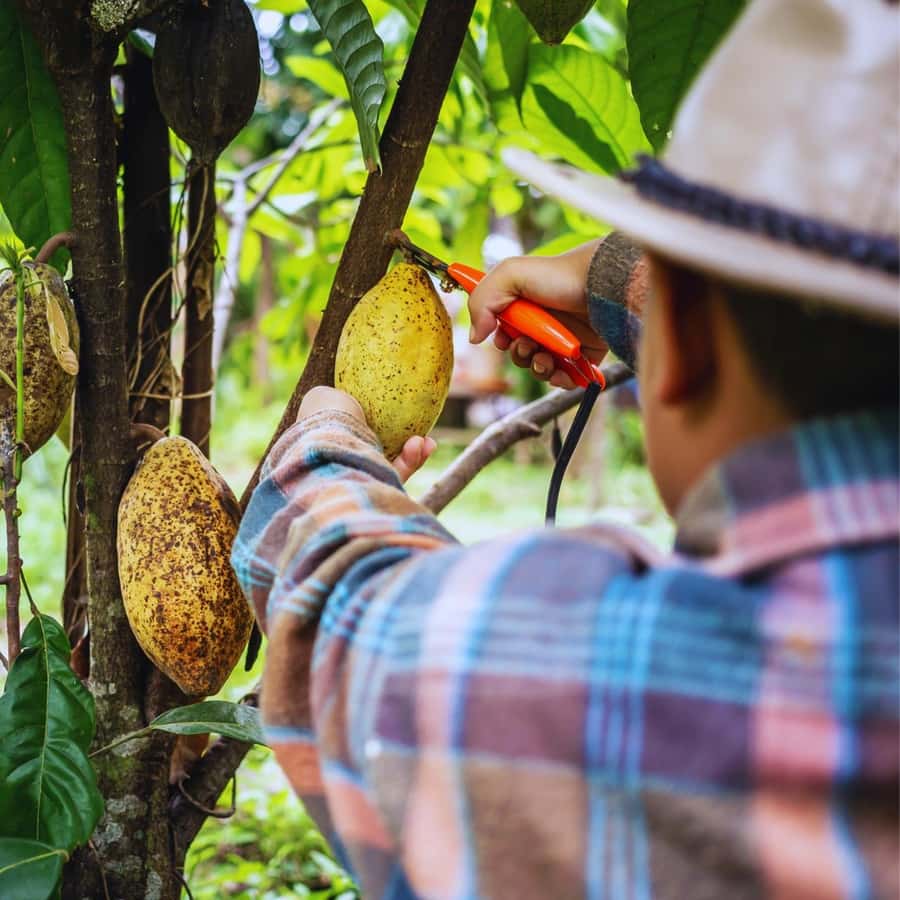
You’ll hear how cacao and coffee are cultivated and transformed—from growing to the steps that turn plants into something you can actually taste. You’ll also learn how the community discusses these crops through their indigenous worldview: what the plants represent, how they fit into daily life, and how traditional practice has continued even as sociocultural changes pressed on the territory.
And yes, tasting is part of it. You’ll get traditional cacao and coffee tasting, which is one of those moments that makes theory click. If you’ve ever had coffee or chocolate without thinking about where it comes from, this is the antidote: you’ll connect flavor to people, place, and process.
When the Guide Makes It Click
This tour runs with bilingual support, and the guide experience can really change how much you take away. In past groups, guides like Jorge have been especially good at answering questions and adding extra pointers for the Santa Marta area. Others, like Andres, keep the walk informative but fun. And you might be lucky enough to get a guide like Santiago, praised for being the best—so ask questions early, because the guides tend to welcome them.
The Trek Itself: Nature, Traditional Practices, and Ecological Clues
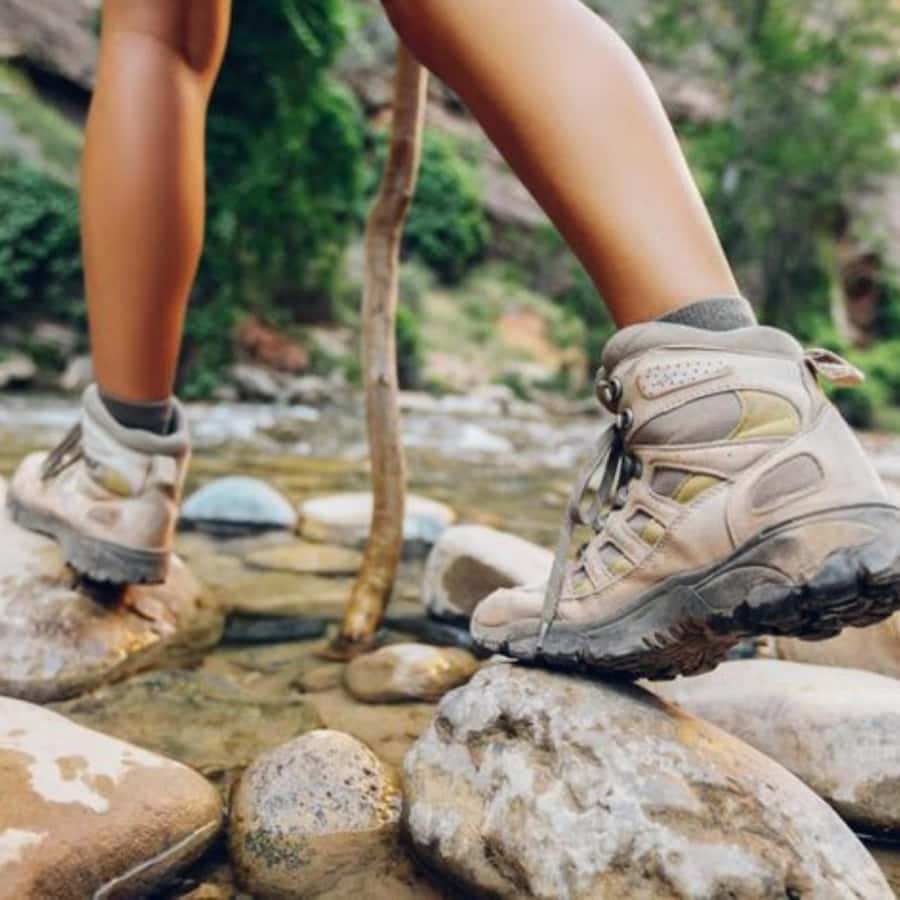
On the walk, you’ll notice the tour’s pace is built for observation. The route is described as nature trails with an emphasis on Tayrona heritage, and the guide explains how native vegetation and species interact with traditional practices. That turns the hike into a series of small lessons rather than nonstop talk.
What I like about this approach is that it doesn’t force a single “look at this” moment. Instead, it trains your attention. You start connecting patterns: where plants grow, why certain areas matter, and how people have historically used the environment without treating it like an obstacle.
If you’re the type who hates being “info-dumped,” don’t worry. The tone in the descriptions leans toward conversation and explanation tied to what you’re seeing right now. It makes the hike feel like a guided walk, not a lecture.
Waterfall Time: The Cool-Down You’ll Be Glad You Prepared For
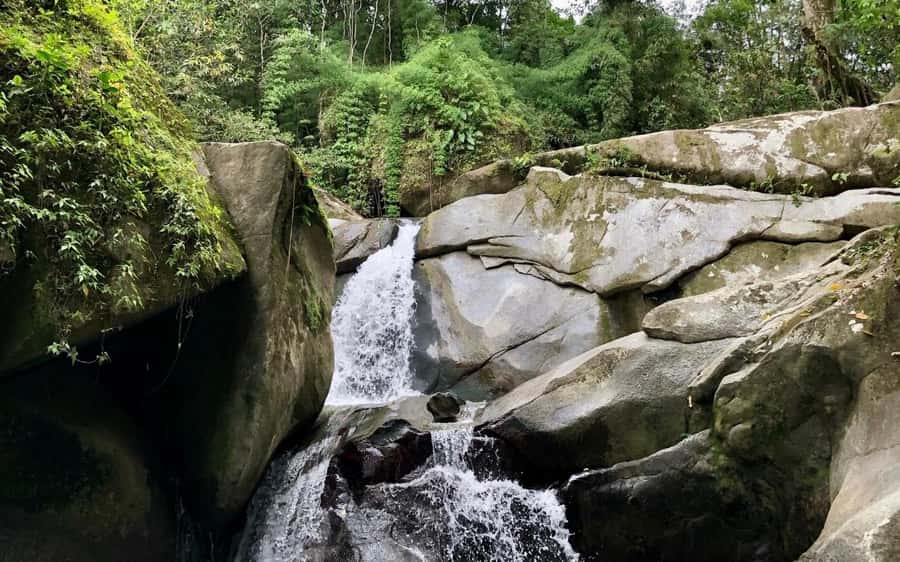
The tour ends by building in time to relax at a natural waterfall. This isn’t just a photo stop. The setting symbolizes the link between land and identity of the place, and the guide also lets you unwind after the trek.
There’s an important practical note: you may encounter a waterfall along the way. That’s why bringing a swimsuit matters. Even if you don’t end up changing clothes, the option to cool off can be a big quality-of-life upgrade in the humidity.
What to expect physically: it’s a medium trek, and the waterfall time is your recovery window. Go easy on yourself on the walk—save energy for the cooling stop.
What You’ll Pay ($41) and Why It’s Good Value
At $41 per person, the value comes from three things you don’t usually get together in Minca:
1) A guided hike tied to indigenous heritage,
2) a farm visit with cultural context and tasting,
3) and access to a waterfall break.
You also get support for the community side: the tour specifies a direct contribution to indigenous community projects. That means your money supports local initiatives rather than disappearing into a generic checklist experience.
One thing to plan: food and beverages aren’t included. That’s not a dealbreaker, but it does affect your comfort level. If you tend to get hungry fast, eat before you go or carry a snack that you can keep with you. Also plan for hydration—there’s guidance to bring a reusable water bottle.
Included vs. Not Included: The Practical Stuff That Saves You Money
Here’s the practical breakdown, in plain terms.
Included:
- A local bilingual guide specialized in indigenous history and culture
- Guided hike along nature trails with Tayrona heritage
- Visit to an Arhuaco cacao and coffee farm
- Explanation of cultivation plus indigenous worldview context
- Traditional cacao and coffee tasting
- Time to talk with members of the Arhuaco community
- Access to a natural waterfall
- Insurance assistance during the activity
- Direct contribution to indigenous community projects
Not included:
- Food
- Beverages
- Transportation
If you’re planning to travel from Santa Marta to Minca (or back), the tour mentions that private-driver contact info is available if you need help. It’s a small detail, but it matters if you don’t want to scramble for timing on the day.
What to Bring for a Medium Jungle Hike (and a Possible Swim)
If you pack like a pro, the tour feels smooth. Use the list as your baseline:
- Comfortable shoes (and/or hiking shoes for grip)
- Sun hat
- Sunscreen, ideally biodegradable
- Biodegradable insect repellent
- Reusable water bottle
- Hiking pants
- Swimwear (because a waterfall may happen)
- Biodegradable sunscreen if you can get it
- Trekking gear you already own (optional but useful)
Also follow the behavior rules. Weapons or sharp objects aren’t allowed, and alcohol and drugs aren’t allowed. The tour also asks for respect around the indigenous community and instructions you’ll receive during the farm visit.
Who This Tour Fits Best (and Who Should Skip It)
This works best if you want more than a generic jungle walk. It’s ideal if you care about understanding how people connect to land through cultivation, worldview, and continuing traditions.
It’s also a good fit if you enjoy guided explanations and tasting experiences. The cacao and coffee farm visit isn’t just a stop—it’s the learning anchor.
It’s not suitable for:
- Children under 12
- Wheelchair users
- People over 95
Quick Decision: Should You Book the Minca Trek with Cacao, Coffee, and Waterfall?
If your ideal Minca day includes a real guided story plus hands-on tasting and a chance to cool off, I’d book this. The pairing of Tayrona-linked trails with an Arhuaco farm visit is exactly the kind of combo that keeps the day from feeling like separate activities taped together.
Don’t book if you hate hikes, need lots of scheduled comfort, or you’re expecting food included. Also, if the idea of rain-or-shine trekking makes you nervous, pack smarter rather than skipping—this tour runs rain or shine unless conditions turn extreme.
For the best experience, start with the right shoes, bring swimwear, and arrive ready to ask questions. That’s when guides like Jorge, Andres, or Santiago tend to turn the walk into something you’ll remember for more than the photos.
FAQ
Where is the meeting point?
You meet your guide at Minca’s Central Park, near the central chapel. The tour ends back at the same meeting point.
How long is the tour?
The experience lasts about 4.5 hours (approximately 4–5 hours).
What languages are available?
The guide provides the tour in English and Spanish.
What difficulty level is the hike?
The trek is listed as medium, so good physical condition is recommended.
What’s included in the farm and tasting part?
You’ll visit an indigenous coffee and cacao farm, learn cultivation and transformation processes, receive an explanation of the indigenous worldview, and enjoy traditional cacao and coffee tasting plus time to talk with the Arhuaco community.
Is there a waterfall?
There is time to relax at a natural waterfall, and the tour also notes that you may encounter a waterfall along the way. Bringing a swimsuit is recommended.
What should I bring?
Bring comfortable shoes, a sun hat, sunscreen (biodegradable if possible), swimwear, hiking pants, a reusable water bottle, and biodegradable insect repellent.
Is food included?
No. Food and beverages aren’t included, so you should plan your day around that.