REVIEW · PORTO
3-Hour Porto Jewish Heritage Walking Tour with Local Guide
Book on Viator →Operated by EFun Tours · Bookable on Viator
History hides in plain sight. Porto’s Jewish story is one you can actually walk. This 3-hour Porto Jewish Heritage walking tour strings together landmarks, street corners, and medieval details that explain how Jewish communities shaped the city—then how the Portuguese Inquisition tried to erase them.
I love that you start at a major anchor point, Catedral do Porto, and then the route keeps making sense as you go: trade, quarters inside and outside the city walls, and the fear-filled aftermath of Inquisition pressure. I also like that the guide pacing feels built for real sight-seeing—short stops, clear context, and plenty of time to look up, not just listen.
The main drawback to plan for is physical: you’ll cover steep streets and stairs, so comfortable shoes are not optional. If you’re hoping for a synagogue or museum visit, note those aren’t included here—this is a street-and-landmark history tour.
In This Review
- Key highlights
- Starting at Porto Cathedral: the route’s smartest beginning
- Tracing Jewish quarters: from Ribeira Square to old streets
- São Bento da Vitória memorial stop: history you can read in stone
- Postigo do Carvão and the medieval ghetto gate clues
- Viewpoints and the Porto rhythm: Virtudes, Miradouro, and the walks in between
- What the guide brings: research tone and English-led storytelling
- How much you pay for 3 hours of history
- Walking logistics: meeting point, shoes, and pacing you can handle
- Who this tour suits best (and who may want a different option)
- Should you book this Porto Jewish Heritage walk?
- FAQ
- Where is the meeting point for the Porto Jewish Heritage walking tour?
- Where does the tour end?
- How long is the tour?
- Is a visit to the Porto Synagogue included?
- Is the Porto Jewish Museum included?
- What group size should I expect?
- What language is the tour offered in?
Key highlights
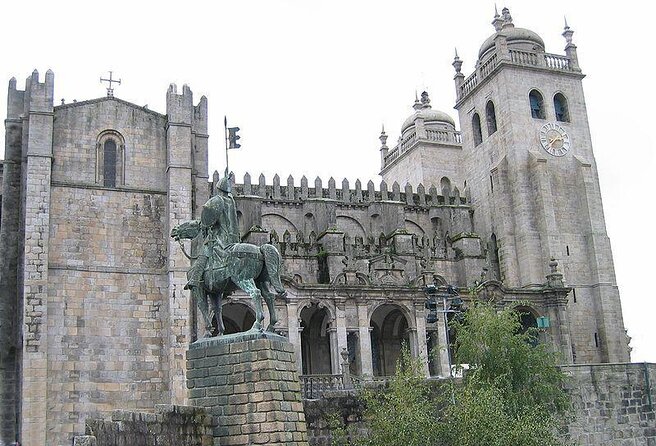
- Catedral do Porto as the story’s starting point, with the route’s tone set fast
- Tracing Jewish quarters inside and outside the city walls
- A focus on the Inquisition and what changed for Jewish life in Porto
- Medieval urban clues at places like Postigo do Carvao and nearby gates
- Scenic endings near Passeio das Virtudes and viewpoint spots
Starting at Porto Cathedral: the route’s smartest beginning
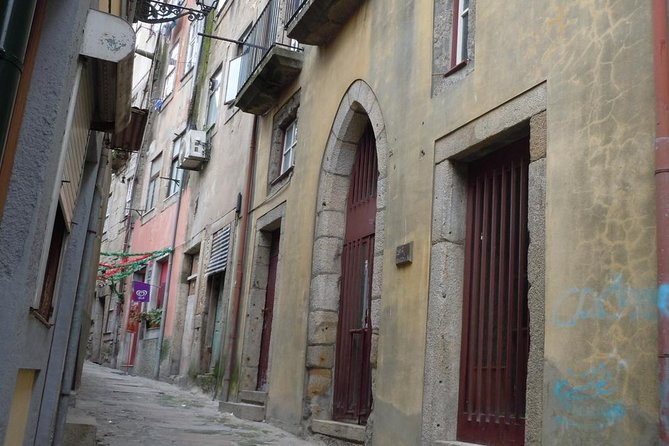
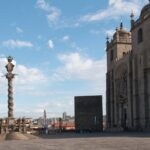
You meet at Porto Cathedral (Catedral do Porto), at Terreira da Sé (4050-573 Porto). It’s a strong choice because it gets you grounded immediately: you’re not wandering randomly—you’re entering the story from one of the city’s most recognizable landmarks.
From there, you’ll learn what Jewish residents contributed to Porto’s early merchant trade. The idea is simple but powerful: before the religious persecution chapters, you’re first shown how Jewish people helped the city grow through business connections and commerce. It’s an “origin story” that makes the later tragedy hit harder.
Also, the stops are close enough to keep your attention moving. Even when you’re climbing, it feels like you’re heading somewhere specific each time, not just going uphill for the sake of it.
You can also read our reviews of more tours and experiences in Porto.

Tracing Jewish quarters: from Ribeira Square to old streets
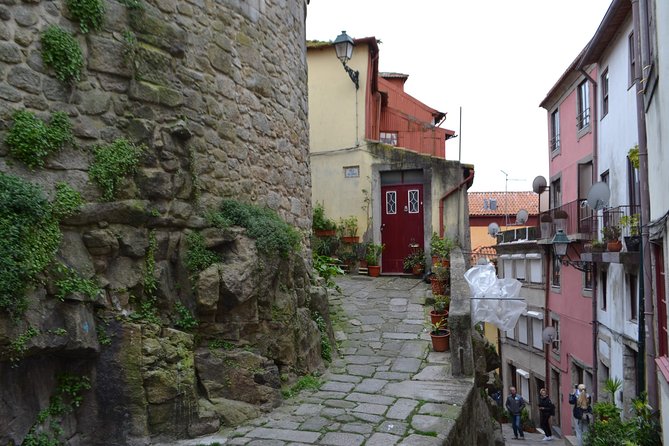
After the cathedral, you head toward Ribeira Square (Praca da Ribeira), where the tour shifts into the geography of the old Jewish quarter. This is one of the tour’s best moments because it turns Porto’s layout into something you can read.
You’ll hear how the city’s Jewish neighborhoods were not just one block. Instead, you’ll trace different areas—part of the story happens inside the city walls, and part takes shape outside them. When a tour does this well, you stop seeing Porto as “pretty streets” and start seeing it as “how people lived.”
Then you’ll move through the wider historic fabric of the city with brief landmark stops. One of the highlights is the connection between place and memory: even if there isn’t a dramatic building standing, the guide points out what the streets and structures hint at. That matters because much of this heritage in Portugal was erased over time, so details are often small, easy to miss, and worth learning to spot.
São Bento da Vitória memorial stop: history you can read in stone
One of the stops is at Mosteiro de São Bento da Vitória. The visit is short, but it’s useful because it works like a “bookmark” in the narrative. You’re not just collecting dates—you’re getting moments where the city’s religious and civic history intersects with the Jewish community’s role and the later attempts to suppress it.
The tour also includes another memorial-related stop at Igreja Paroquial de Nossa Senhora da Vitória. Together, these stops create a sense of continuity. You see how the story doesn’t live only in one district; it’s braided into the places people still visit today.
Practical note: these kinds of stops are great for photos, but they’re also where you’ll want to listen closely. The history is often in what the guide points out around the entrance areas and within the immediate surroundings, not in a big, obvious centerpiece.
Postigo do Carvão and the medieval ghetto gate clues
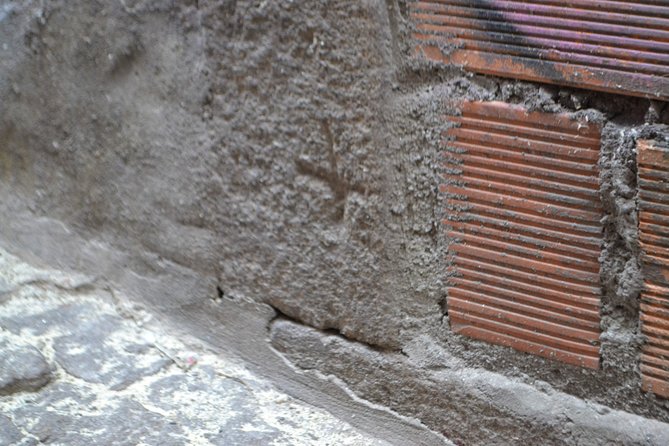
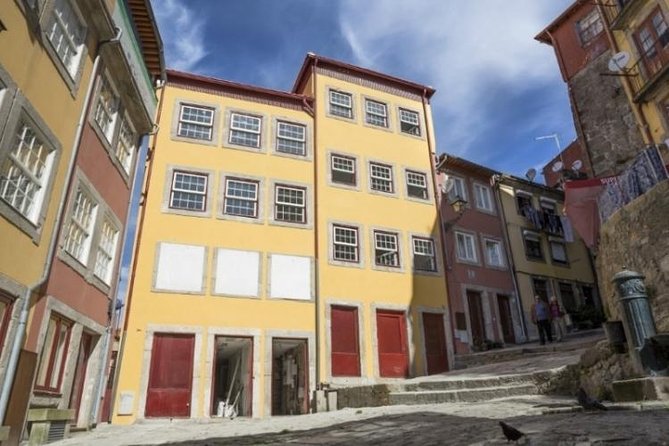
Then you reach Postigo do Carvão. This is where the tour leans into medieval Porto’s urban details—the kind of place-specific clues that make walking history feel real.
The tour focuses on the Portuguese Inquisition and how it tormented Jewish people and tried to erase their role in the past. You’ll be guided through the “what changed” side of history: not just persecution in general, but how that pressure reshaped public life and where people could live.
A standout part here is seeing a gate area that once opened onto a medieval ghetto, where Jewish people were confined. Even though you’re on modern streets, that kind of reference forces you to look at the city’s boundaries differently. It’s one thing to hear about confinement; it’s another to stand where a gate once marked that boundary.
Viewpoints and the Porto rhythm: Virtudes, Miradouro, and the walks in between
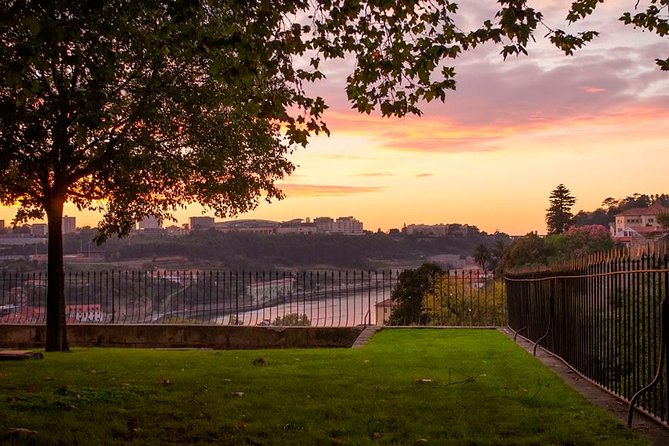
After the tighter, more somber parts of the story, the tour opens up with scenic breaks.
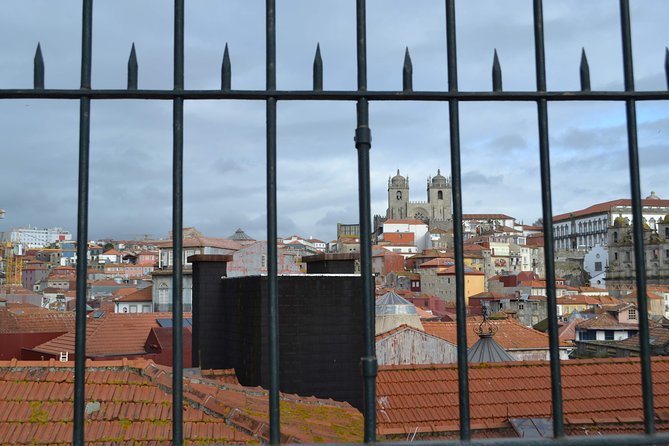
You’ll stop at Passeio das Virtudes and also reach Miradouro da Vitoria, described as a hidden gem viewpoint. If you’ve ever been to Porto and felt the hills on day one, you’ll appreciate this rhythm: history lessons, then a viewpoint where your legs get to rest for a minute and you can reset your brain.
These stops are more than scenic filler. They help you understand the city’s scale and how neighborhoods sit on slopes. When you look out from these points after walking earlier streets, you start connecting geography to history: where communities could cluster, what routes people took, and why certain areas became important.
You’ll also pass a fountain stop tied to a former gate: Chafariz da Porta do Olival. This is the kind of “small place, big meaning” stop. A fountain seems ordinary until the guide ties it to the medieval city plan and a named gateway—then it becomes a clue to what used to be nearby.



What the guide brings: research tone and English-led storytelling
This tour runs with a local guide, and it’s offered in English. The strongest recurring praise is how much detail the guides bring without turning it into a lecture marathon.
In particular, guides like Ricardo stand out for serious preparation. People highlight his deep research, enthusiasm, and how he answers questions clearly. There’s also a sense that the guides try to bring the story to life with extra context, including supporting references like documents and images.
That matters because much of Porto’s Jewish heritage is not obvious. You aren’t walking past one big preserved synagogue museum complex. Instead, you’re learning to notice traces—on buildings, street alignments, memorial points, and place names—so the quality of the storytelling really affects the value.
How much you pay for 3 hours of history
At $36.30 per person for about 3 hours, you’re paying for a local guide, a structured route, and time savings. Porto’s old city can be fun to explore on your own, but if you want a focused Jewish Quarter and Inquisition-era story, you’ll likely spend extra time researching and still miss connections.
A useful value check: many of the tour stops are free to enter. The cathedral stop is listed as admission ticket free. Several other stops are also free to visit, which means you’re paying mostly for the guide and the route logic, not for a bundle of paid attractions.
Two items to keep straight:
- This is a walk focused on street-level history and memorial landmarks.
- The Porto synagogue and the Porto Jewish Museum are explicitly not included, so if you want those, you’ll need separate plans.
Also, group size is kept fairly small. Shared tours have a maximum of 10 travelers, while the overall cap is 20. If you like a guide to actually respond to your questions, small group structure helps.
Walking logistics: meeting point, shoes, and pacing you can handle
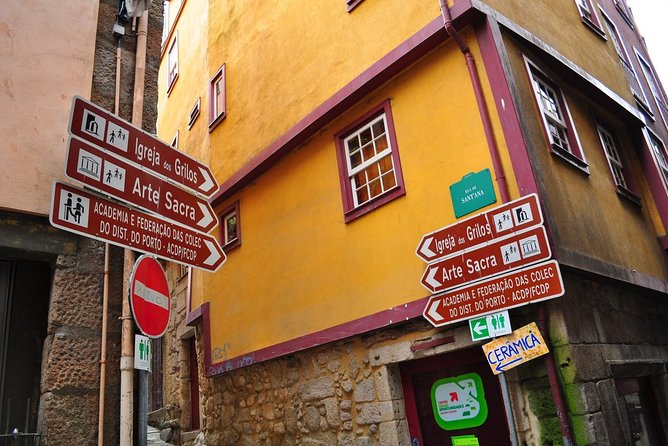
The meeting point is at Porto Cathedral (Terreiro da Sé, 4050-573 Porto, Portugal). The tour finishes around Passeio das Virtudes, with the walk from the cathedral to the finish described as about a 10-minute stroll—though you’ll do far more walking than that during the full route because the itinerary includes multiple climbs and stair sections.
Here’s the key practical advice: bring comfortable shoes and expect steep streets and stairs. The tour notes smart casual dress, plus that it runs in all weather conditions. You still want good footwear and layers, because slick pavement in Porto can turn a “manageable walk” into a slippery one.
One more logistics tip: smart casual is fine for most travelers, but you’ll be moving for hours, so skip anything that restricts your step. If you’re traveling with kids, keep in mind the strong physical fitness requirement and the uphill nature of the route.
Finally, if you plan to use public transport, that’s supported. Still, the simplest way to avoid a headache is to get to the meeting area early enough to orient yourself.
Who this tour suits best (and who may want a different option)
This is ideal if you:
- Want a Porto history tour that connects Jewish heritage to the city’s real geography
- Like walking tours with stops that explain “why this matters here”
- Enjoy questions, because the guides are known for answering them
- Prefer a guided route when the sites are subtle and easy to miss on your own
You might want to consider a different option if:
- You’re mainly looking for a synagogue interior visit or a museum collection. Those are not included.
- You don’t like hills and stairs. This route is physically demanding enough that you’ll want to be honest with yourself about your pace.
Should you book this Porto Jewish Heritage walk?
I think it’s a strong booking for most people doing Porto with curiosity and a decent walking tolerance. It’s not about checking one famous building off a list. It’s about learning how a community shaped trade, where quarters sat inside and outside the walls, and how the Inquisition era tried to wipe the story away. When the guide is on their game, Porto’s streets start telling you the truth.
Book it if you want context you can carry into the rest of your trip. Skip it only if you need indoor museum time or step-free routes—this tour is very much made for street-level history and viewpoint breaks, with footwork as part of the price.
FAQ
Where is the meeting point for the Porto Jewish Heritage walking tour?
You meet at Porto Cathedral, Terreira da Sé, 4050-573 Porto, Portugal.
Where does the tour end?
The tour ends near Passeio das Virtudes, in Porto. It’s described as about a 10-minute stroll from the cathedral.
How long is the tour?
The tour is approximately 3 hours.
Is a visit to the Porto Synagogue included?
No. A visit to the Porto Synagogue is not included.
Is the Porto Jewish Museum included?
No. A visit to the Porto Jewish Museum is not included.
What group size should I expect?
If you book shared, the group has a maximum of 10 travelers. Private bookings are just your group and the guide. The overall maximum for the experience is listed as 20 travelers.
What language is the tour offered in?
The tour is offered in English. It also allows service animals.