REVIEW · TULSA
Tulsa History Tour with Oil Baron’s Tunnel
Book on Viator →Operated by Tulsa Tours · Bookable on Viator
Under Tulsa, history has hallways.
This 90-minute guided loop connects downtown architecture to the oil boom—then adds a rare moment: Waite Phillips’ personal tunnel. It’s paced for real people, with a small group size and storytelling that makes the places easier to understand, even if you’ve never studied Tulsa’s oil past.
I especially love the mostly indoor stops. One minute you’re looking at marble and vaulty bank rooms; the next you’re getting the meaning behind it, without freezing outside. I also like the small-group feel—up to 10 travelers—so the guide can give clear directions and keep the flow smooth.
One drawback to keep in mind: don’t plan this like a secret, private-only tunnel. The tunnel access is part of a visitor experience (not a behind-locked-doors situation), so if you expect a truly exclusive route, you may feel slightly different than you imagined. Also, note that no photos are allowed inside the 320 South Boston building.
In This Review
- Key Things to Know Before You Go
- Tulsa’s Oil-Era Story, Told Through Downtown Buildings
- Meeting at Hyatt Regency and Getting Your Timing Right
- 320 South Boston Building: The Bank That Grew With Oil Fortune
- Regus–Tulsa Kennedy Building: Marble Lobby Details and a Quirky Statue
- Mid-Continent Tower: Tulsa’s First Skyscraper (and a Name History Forgot)
- Atlas Life Building: Where Insurance Fits Into the Oil Boom
- Philtower and Waite Phillips: Neo-Gothic Lobby Meets His Personal Tunnel
- Price and Value: What $40 Buys You in Tulsa
- Who Should Book This Tour (and Who Might Skip It)
- Should You Book the Tulsa History Tour with Oil Baron’s Tunnel?
- FAQ
- How long is the Tulsa History Tour with Oil Baron’s Tunnel?
- How much does the tour cost?
- Where do I meet the guide?
- Where does the tour end?
- What’s included in the ticket price?
- Is the tour offered in English?
- Are there any photo restrictions?
- Does the tour sometimes skip stops?
- What happens if the weather is bad?
Key Things to Know Before You Go
- Waite Phillips’ personal tunnel is the tour highlight, and it’s something you won’t find the same way on your own.
- Small groups (max 10) help the pacing and make questions easier.
- Most of the tour is indoors, which is a smart move when Tulsa weather turns.
- Downtown architecture is the lesson: banks, office lobbies, and early skyscraper stories connected to oil wealth.
- Photo restriction at 320 South Boston means plan to enjoy the view, not your camera.
- One stop may be skipped (the Regus–Tulsa Kennedy Building), depending on the tour version.
Tulsa’s Oil-Era Story, Told Through Downtown Buildings
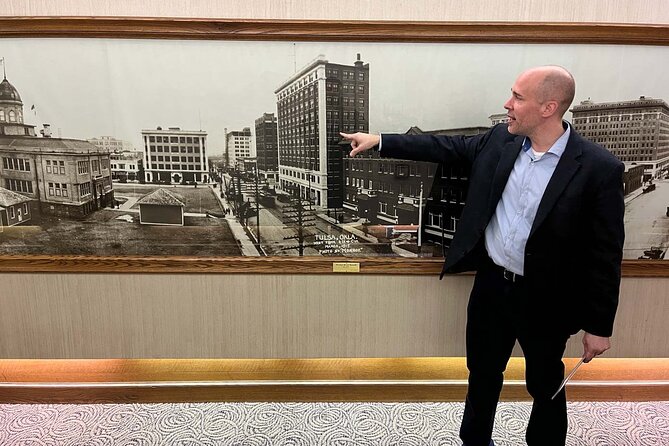
This tour works because it doesn’t treat Tulsa like a vague map of “old stuff.” It shows you how oil money shaped real buildings—and how those buildings, in turn, shaped the city’s businesses and identity. You get a tight timeline, from early wealth to the early skyscraper era, with the tunnel serving as the final “how did they really live?” chapter.
Also, it’s not just talk. You move between a handful of downtown landmarks and you spend just enough time in each spot to notice details. That matters, because Tulsa’s architecture can look similar at a glance—banks and corporate lobbies often share the same clean lines and formal entrances. Your guide helps you see what’s different and why.
Finally, this is a practical tour length. At about 1 hour 30 minutes, you can do it as a first-day activity to get your bearings, then come back later for museums or nearby neighborhoods with better context.
Meeting at Hyatt Regency and Getting Your Timing Right
You start at the Hyatt Regency Tulsa Downtown at 100 E 2nd St S. From there, the tour ends at the Philtower Building at 427 S Boston Ave (near 5th Street). That means you’re walking a downtown loop and finishing where the tunnel story peaks.
To keep things easy:
- Bring your mobile ticket (keep your phone charged and accessible).
- Wear comfortable shoes. It’s a city walk with short indoor transitions.
- You’ll want a moderate fitness level; the tour is designed for people who can handle normal downtown movement.
If you’re photo-minded, remember the one big rule: no photos inside the 320 South Boston building. Plan on using your eyes there and save pictures for the other stops and exterior views.
320 South Boston Building: The Bank That Grew With Oil Fortune
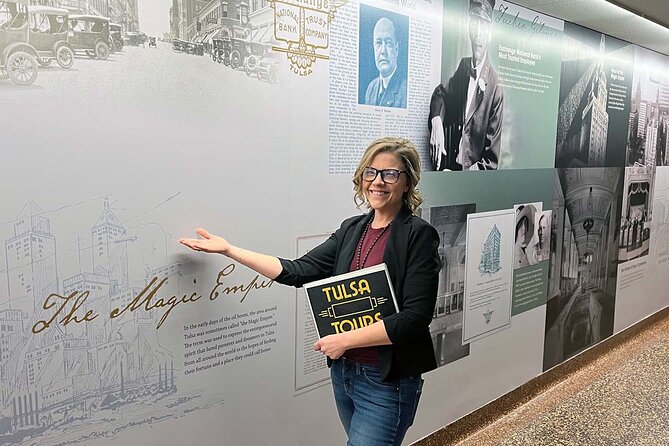
The first stop is at 320 South Boston, a block-wide bank building built in multiple stages. The point here isn’t just that it’s old. It’s how the building’s size and vaults grew as Tulsa’s oil fortunes overflowed in the 1920s.
You’ll get both outside and inside access. Outside, you can understand the building as a statement of wealth and permanence. Inside, it’s the vault concept that really lands: you’re seeing a place designed to protect money during boom times—when fortunes were moving fast and the stakes were huge.
One clear drawback: photos are not allowed inside this building. If you rely on pictures to remember details, you’ll need to stay mentally “camera-on”—look carefully, then move on. The upside is that it tends to keep the group focused, and it also means the space doesn’t turn into a photo safari.
Regus–Tulsa Kennedy Building: Marble Lobby Details and a Quirky Statue
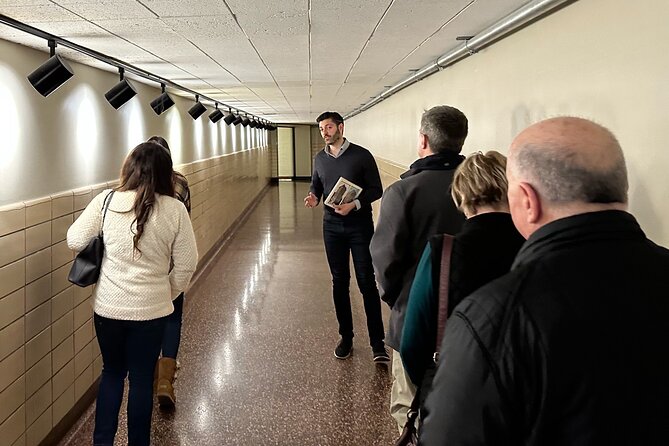
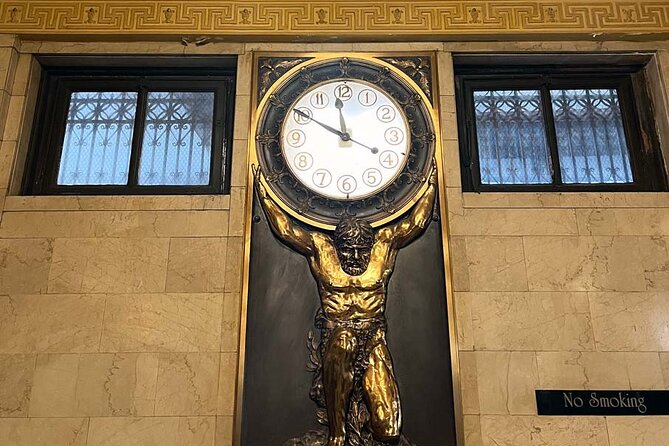
Next comes the Regus–Tulsa Kennedy Building. The highlight is the marbled lobby, plus a quirky, lifelike businessman statue. It’s the kind of detail you might miss if you’re simply walking past a downtown office building, and your guide helps you connect the visual vibe to the business culture of the era.
One practical note: some versions of the tour may bypass this stop. If it’s skipped, don’t worry—the tour still hits the major themes: finance, skyscraper ambitions, early insurance, and the tunnel finale.
If you’re the type who likes noticing what a city chooses to display in its public-facing spaces—lobbies, entrances, and interior art—this is a nice bonus.
Mid-Continent Tower: Tulsa’s First Skyscraper (and a Name History Forgot)
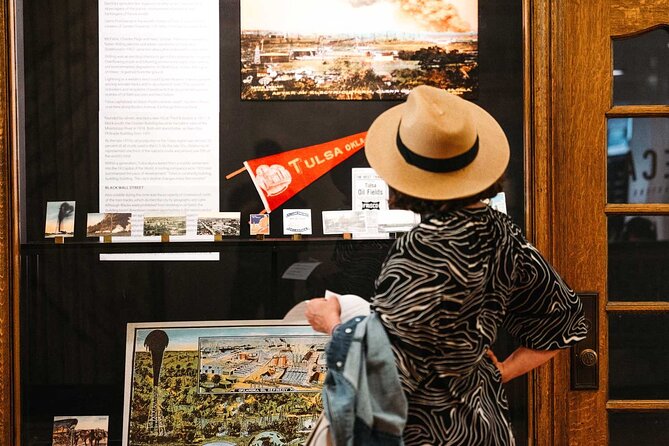
At the Mid-Continent Tower, you hear about Tulsa’s first skyscraper. This is where the story shifts from “money in banks” to “money built upward,” and it’s tied to a colorful oil baron who the tour says has been largely forgotten by history.
That’s a useful kind of tour detail. If you only visit Tulsa’s most famous addresses, you can end up with a city that feels like it was shaped by a few remembered icons. This stop rebalances the picture a bit—showing that the oil era had big personalities, and not all of them stayed in the spotlight.
The stop is short, but it’s designed to give you a sense of scale and ambition. When you see how early the skyscraper story starts, the whole “Tulsa boom” narrative becomes more believable. You stop thinking of oil as a short-term burst and start seeing it as something that pushed Tulsa to build.
Atlas Life Building: Where Insurance Fits Into the Oil Boom
The Atlas Life Building is a quick one—about five minutes—but it makes a point most visitors miss. You sit and learn about Tulsa’s first life insurance company.
This matters because oil wealth didn’t only build banks and towers. It also drove the need for systems that managed risk, planned for families, and protected earnings. Insurance is part of how a boom turns into an actual city structure: it creates stability for ordinary life, not just business expansion.
This stop is ideal if you like the “everyday consequence” angle of travel. It’s not just about how the rich spent money—it’s about how new money and new industries created new institutions.
Philtower and Waite Phillips: Neo-Gothic Lobby Meets His Personal Tunnel
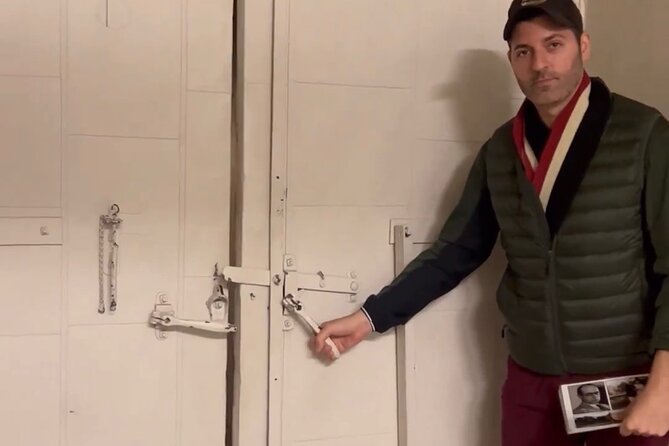
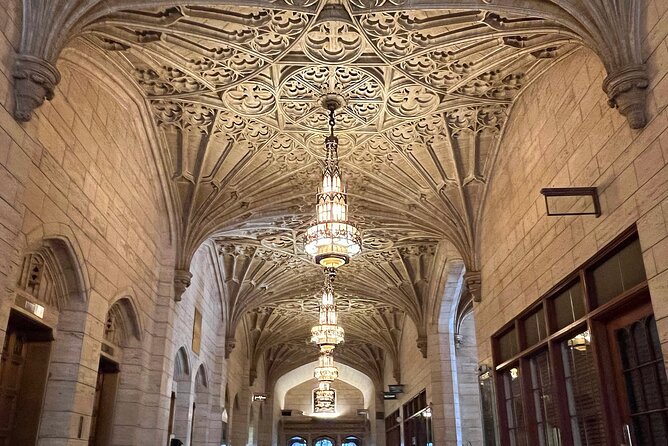
The final stop, the Philtower, is the one you’re waiting for. You hear the story of oilman Waite Phillips, then you see the Neo-Gothic lobby. That style choice gives you an instant contrast: it’s formal, theatrical, and intentionally impressive—very on-brand for someone who wanted his success to look permanent.
Then you enter his personal tunnel. This is the part you can’t easily replicate on your own, and it’s also the part that changes the tour from “architecture lecture” into something more human. A bank vault tells you wealth needed protection; a personal tunnel hints at how the wealthy moved through the world—how they wanted privacy, convenience, and control.
A tunnel experience can feel like a gimmick on some tours. Here, the value is in framing: you’re not just walking through a passage. You’re learning what it symbolized and why it belonged to Waite Phillips in particular.
You finish at the Philtower address (427 S Boston Ave #103), which is convenient if you want to keep exploring nearby once the tour ends.
Price and Value: What $40 Buys You in Tulsa
At $40 per person, this isn’t a long, all-day investment. For the time (about 1 hour 30 minutes), the value comes from two specific things that are actually included:
- Tunnel access fees are covered through arrangements with the property owners
- A guide is included to connect the places into one story
And that’s the big difference between a “self-guided list” and a guided experience. The tunnel access alone usually means you’re getting something structured and explained. Then the guide ties it back to the visible downtown landmarks—bank expansion, office-lobby details, the first skyscraper angle, and the life insurance institution.
One more value signal: the tour maxes out at 10 travelers. You’re not getting shoved into a large group where the guide has to rush. You get a more controlled pace, which helps you actually notice the details that make the story click.
Don’t forget: tipping isn’t listed as included. If you felt the guide did a good job—clear, funny, and easy to hear—planning a tip is the normal move.
Who Should Book This Tour (and Who Might Skip It)
Book it if:
- You like downtown architecture with an actual story attached.
- You want a short way to understand Tulsa’s oil era without reading a book first.
- You’re excited by the idea that the city’s wealth had physical footprints—vaults, towers, and even private passageways.
- You appreciate tours that stay mostly indoors, which can make Tulsa weather a lot less annoying.
Consider skipping or adjusting expectations if:
- You’re looking for a truly exclusive, private-only tunnel setup. The tunnel areas are not described as “only for one group” and may feel more like guided interpretation than secret access.
- You’re expecting nonstop stops. This one is intentionally timed and focused, so it moves at a quick, efficient pace.
This also works well as an early booking during a trip. Learn the names, themes, and locations first—then you can explore on your own with better context.
Should You Book the Tulsa History Tour with Oil Baron’s Tunnel?
Yes, if you want a compact, guided route that turns Tulsa’s oil boom into something you can see and understand fast. The biggest “why this one” is the combination of downtown landmarks and the Waite Phillips personal tunnel, explained clearly by guides such as Jeffrey and Dennis from the experiences described.
If you’d rather roam freely with zero structured pacing, or if the idea of guided interpretation doesn’t match your expectations for private access, you might prefer other Tulsa stops. But for most people—especially first-time visitors—this is a smart use of time and money.
FAQ
How long is the Tulsa History Tour with Oil Baron’s Tunnel?
It runs about 1 hour 30 minutes (approximately).
How much does the tour cost?
The price is $40.00 per person.
Where do I meet the guide?
The tour starts at Hyatt Regency Tulsa Downtown, 100 E 2nd St S, Tulsa, OK 74103.
Where does the tour end?
The tour ends at the Philtower Building, 427 S Boston Ave #103, Tulsa, OK 74103 (near 5th Street).
What’s included in the ticket price?
The ticket includes tunnel access fees paid to property owners and the guide.
Is the tour offered in English?
Yes, it is offered in English.
Are there any photo restrictions?
Yes. Photos are not allowed inside the 320 South Boston building.
Does the tour sometimes skip stops?
Some tours may bypass the Regus – Tulsa – Kennedy Building.
What happens if the weather is bad?
This experience requires good weather. If it’s canceled due to poor weather, you’ll be offered a different date or a full refund.