REVIEW · LAKE BRACCIANO
Visit the Etruscan underground Heritage Site of Tarquinia
Book on Viator →Operated by MyloveItaly Travel&Experiences · Bookable on Viator
Tarquinia’s underground Etruscan world is the kind of place you remember. What makes this outing interesting is the mix of Etruscopolis recreated tomb scenes plus a slow wander through Tarquinia’s medieval-and-Renaissance streets. I especially like that the tour keeps you in a small group (up to 8) and that the Etruscopolis ticket is included, so you spend less time on admin and more time looking.
One thing to consider: this is a walking tour with steps and ups/downs, and timing/English support can be hit or miss depending on how the day runs. In other words, it’s best if you can handle cobblestones, stairs, and a good chunk of moving without needing frequent rest stops.
In This Review
- Key things to know before you go
- Etruscopolis: the Etruscan underworld you can actually visit
- Tarquinia city-center walk: churches, walls, and big views
- Timing and transfers: how the day is structured from Civitavecchia
- Price: is $114.15 worth it for what you actually do?
- Walking comfort: cobblestones, stairs, and pace control
- Language and museum signage: what English support can look like
- Small-group cap vs total group size: how it may feel on the ground
- What I would do to make this day smoother
- So, should you book this Tarquinia underground heritage experience?
- FAQ
- How long is the Tarquinia underground and city tour?
- Where does the tour start and end?
- What’s included in the price?
- Is lunch included?
- What language is the tour offered in?
- What if the tour is canceled?
Key things to know before you go
- Etruscopolis admission included so you get right into the underground park experience
- Small-group pacing (up to 8) helps you ask questions and move together
- Guided city-center walking tour focuses on churches, walls, and viewpoints
- Port-to-city round-trip transfer removes the stress of finding transport
- Lunch not included (plan on your own meal time)
- Mobile ticket makes it easier at check-in, if your phone behaves
Etruscopolis: the Etruscan underworld you can actually visit
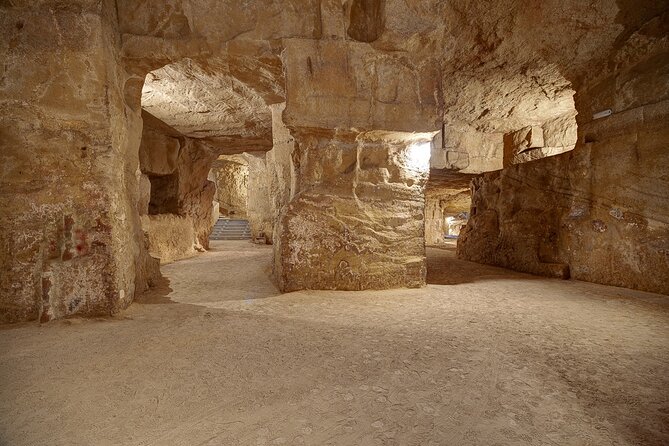
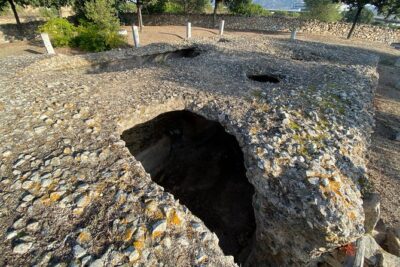
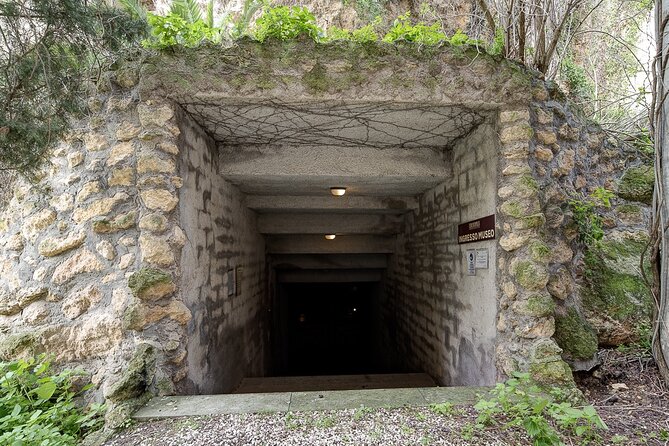
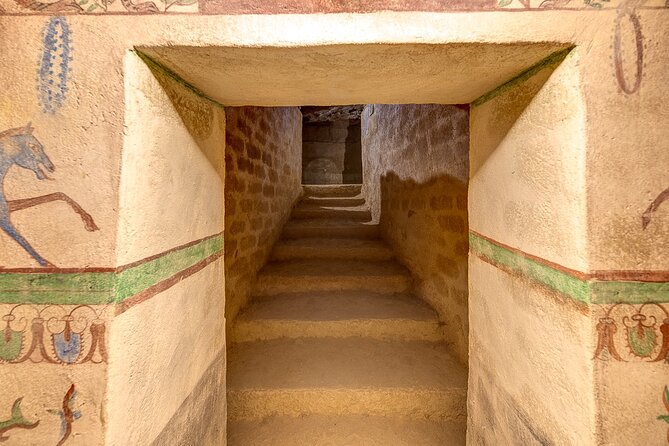
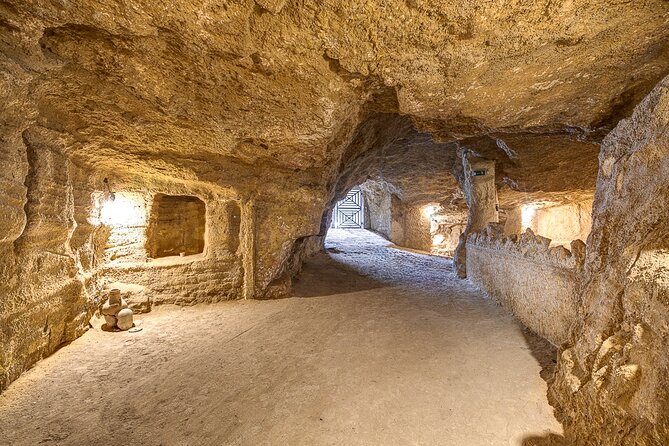
If you’ve only seen Etruscan things in museums with flat labels, this is a different angle. Etruscopolis is an underground heritage site built to show daily life through recreated tombs, homes, objects, and scenes. You’re not just staring at artifacts behind glass. You’re walking through a world shaped by what people thought mattered—ritual, status, and the everyday stuff that still feels human.
A key detail that makes this stop work is the way it’s presented. You’ll see curated exhibits of excavated Etruscan ceramics and artifacts, plus life-like dioramas and scenes. This is where the Etruscans stop being a name from a textbook and start behaving like people. Even if you don’t read a ton of Italian, the physical storytelling helps you connect the dots fast.
The visit is set for about 2 hours, so it’s long enough to look carefully but not so long you burn out. Still, it’s a museum-style experience under one roof, with plenty to take in. If you tend to read every sign, give yourself extra patience for the museum portions.
You can also read our reviews of more tours and experiences in Lake Bracciano.


Tarquinia city-center walk: churches, walls, and big views
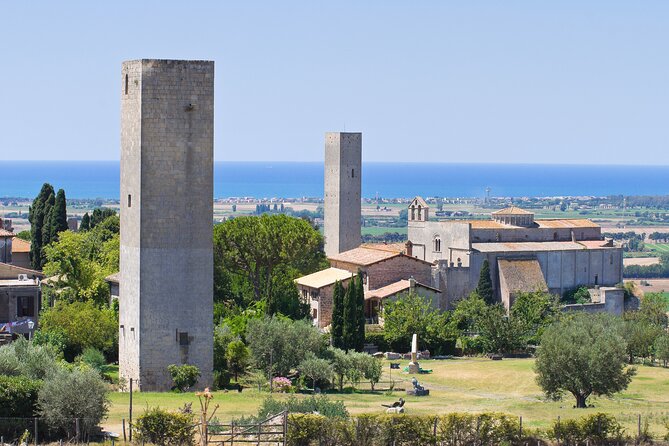
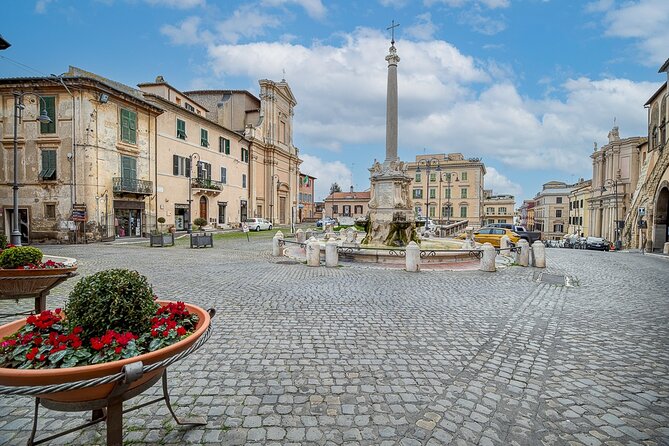
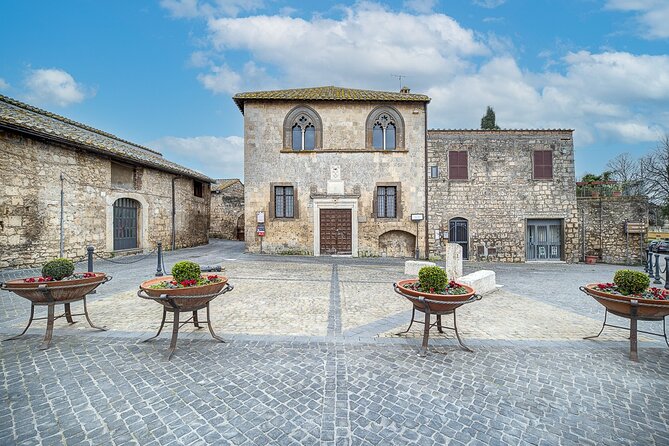
After the underground stop, you shift gears to the surface world—Tarquinia’s historic center. You’ll get dropped at the city boundary area and then start a guided walking tour through narrow streets in the medieval and Renaissance parts of town. This is the “how the city grew” layer, where you get a sense of why walls and churches mattered so much here.
The tour is described as visiting churches and majestic walls, plus historic buildings with sweeping viewpoints. That “views” part isn’t filler. Tarquinia’s setting is part of the story. When you see the town from the right angles, the Etruscan landscape stops being abstract. You start thinking like a planner: people built cities where they could defend them and where routes and horizons made sense.
You’ll also have a stretch of free time—time for coffee, local food, or just taking photos without feeling rushed. This is one of the best parts of the day because you control the pace. If you find a church that grabs you, you can linger. If you just want to keep moving, you can.
Timing and transfers: how the day is structured from Civitavecchia
This trip is built for cruise-port travelers. Pickup and drop-off are handled from Civitavecchia, and you’ll use a bus coach to reach the Tarquinia area. The total duration is about 5 to 6 hours, which is a solid length for a one-day culture outing without turning it into a marathon.
There are different return times depending on your start window. For example, if you start at 9:30am, the transfer back is around 2:30pm. If you start at 10:30am, the return is around 3:45pm. That means your day feels predictable enough to plan what you’ll do next—especially important if you’re connecting with a cruise schedule.
That said, the best advice here is simple: arrive at the meeting point at least 15 minutes early and keep an eye on your phone. One of the roughest experiences described involved a delayed pickup and unclear coordination, which is the kind of problem that becomes a bigger headache the farther you are from the meetup.
Also note the human factor. The experience includes a tour assistant, and the city walking portion is escorted, but the setup is not described as a licensed-guide style for everything. You might find English support varies across the day, and that can affect how much you get from museum signage.
Price: is $114.15 worth it for what you actually do?
At $114.15 per person, this tour isn’t cheap—but it can be good value if you like structured sightseeing and you want transfers included. You’re paying for four things working together: round-trip transportation from the port, entry to Etruscopolis, an escorted city walk, and a capped group size for at least part of the program.
The value question really comes down to expectations. If you’re hoping for a long, full-time guided museum lecture plus custom pacing, you might feel disappointed. The format is more “guided highlights + walking + time to look,” not a private, in-depth seminar.
One more wrinkle: the overview mentions a local lunch, but the listed inclusions say lunch is not included. So budget for a meal on your own. In practice, that can still work well if you plan to use that free time in Tarquinia to grab something local instead of hunting later.
Bottom line on value: if the transfers and coordination go smoothly, you’re buying an efficient day with entry handled and a helpful escort. If coordination goes sideways, you’ll feel the price more sharply—because a lot of the day depends on timing and meeting points.
Walking comfort: cobblestones, stairs, and pace control
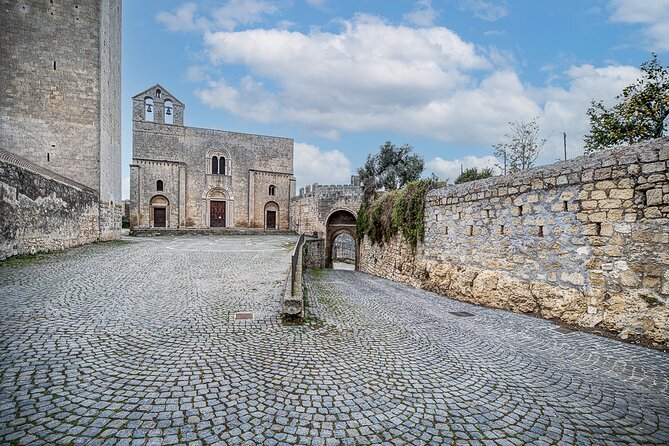
This is where you should be honest with yourself before booking. The walking portion includes narrow streets and the day is described (and experienced by at least one passenger) as having steps and up-and-down movement. That’s typical for historic Italian centers, but it matters for comfort.
If you use a cane, have mobility limits, or you’re someone who likes frequent seating breaks, plan carefully. A shared walking tour is harder to adapt in real time. Even with a small group, people still move at a pace that keeps the schedule on track.
If you’re traveling with mobility concerns, consider building buffer into your day: wear supportive shoes, use layers (heat can be intense), and don’t assume there will be extra time for slow movement. One unfortunate scenario included time lost and then being rushed through areas without the expected supervision, which is the opposite of what you want when you need steady pacing.
Language and museum signage: what English support can look like
The tour is offered in English, and that’s a big plus. Still, museum environments don’t automatically guarantee fluent explanations everywhere. Signs in Etruscopolis can be in Italian, and one experience described had signage that leaned heavily Italian, which can limit how much you absorb if you’re not reading it.
What helps: focus on the dioramas and reconstructed scenes. Even when language is limited, the visuals do a lot of work. If you’re the type who reads every exhibit label, bring patience—or consider supplementing with a phone translation app once you’re inside.
Also, the day may involve more than one staff member handling different portions. That’s normal in tourism, but it means you might feel a change in how explanations are delivered.
Small-group cap vs total group size: how it may feel on the ground
You’ll see two different “group” numbers in the info you’re given: a small group cap of 8 and a tour maximum of 25 travelers. Here’s how that can play out in reality: you might be assigned into a smaller cluster within a larger overall tour day.
What you should care about is not the spreadsheet—it’s the feel. A smaller group helps at bottlenecks, improves communication, and makes it easier to stay together on narrow streets. It also increases the odds that your questions get answered instead of getting left behind.
If things go wrong (missed pickup, bus left early, unclear drop-off), a smaller group can help because you’re not trying to manage chaos across a crowd. But it can’t fully fix transportation breakdowns. So again, arrive early, keep your phone ready, and treat the first hour of the day as the “make-or-break” window.
What I would do to make this day smoother
You can stack the odds in your favor with a few practical moves:
- Wear shoes you’d wear for a city with cobblestones and stairs
- Carry water, especially if you’re going in warmer months
- Plan on using Tarquinia’s free time for food since lunch isn’t listed as included
- Keep your mobile charged for day-of coordination
- If English explanations are light, don’t panic—let the exhibits do the talking
And here’s a smart expectation check: this is a shared tour. You’re not guaranteed the same level of accompaniment everywhere, every minute, like a private guide.
So, should you book this Tarquinia underground heritage experience?
I’d book it if you want a well-paced day trip that combines underground Etruscan storytelling with a guided city walk, and you’re comfortable with walking. The included Etruscopolis entry and port transfers are real time-savers, and the small-group structure can make the day feel personal instead of assembly-line.
I’d think twice if you have mobility limitations or you’re very sensitive to delays and drop-off confusion. Some experiences described problems like late pickup, being left to manage the second portion with limited help, and even getting dropped at an inconvenient point relative to where people expected to find onward transport. Those are exactly the situations that turn an otherwise great idea into an exhausting day.
If your top priority is smooth logistics above all else, you might also consider whether a private tour would better match your pace needs. If your priority is the Etruscan underground experience and you can handle stairs and timing, this one can be a strong choice.
FAQ
How long is the Tarquinia underground and city tour?
The tour runs about 5 to 6 hours total, with 2 hours at the underground park and about 3 hours for the city-center walking portion.
Where does the tour start and end?
It starts at Largo della Pace, 00053 Civitavecchia RM, Italy and ends back at the meeting point.
What’s included in the price?
You get round-trip transfer, pickup and drop-off from the port, the Etruscopolis entrance ticket, an escorted walking tour in the city center, and a tour assistant. Lunch is not included.
Is lunch included?
No. Lunch is listed as not included, even though the tour overview mentions a local lunch.
What language is the tour offered in?
The tour is offered in English.
What if the tour is canceled?
The experience has free cancellation if you cancel at least 24 hours in advance of the start time for a full refund.