REVIEW · KATHMANDU
Full Day Private Tour of Seven World Heritage Sites in Kathmandu
Book on Viator →Operated by Cordial Trek Pvt. Ltd. · Bookable on Viator
Seven UNESCO sites in one day: efficient and intense. This private Kathmandu Valley circuit is a crash-course in temples, royal squares, and living traditions, all packed into about 8 hours. I like that it covers Boudhanath, Pashupatinath, and both Durbar Squares, so you see how different faiths and eras overlap in the same tight area.
I especially liked the start-to-finish comfort: hotel pickup and drop-off, bottled water, and an air-conditioned car mean you spend less energy on logistics. I also enjoyed the human part—guides such as Nilakantha Acharya (often noted for clear explanations of what you’re seeing, including rituals) help turn stone and statues into something you understand.
One thing to plan for: the tour price does not include site entry. The listing sets entrance fees at about $50 per person, so budget for that if you want a stress-free day.
In This Review
- Key takeaways before you go
- Seven UNESCO sites in one day: why this route is worth your time
- Price and logistics: what the $5 headline really means
- The 08:00 AM start: how to make an eight-hour day feel calm
- Boudhanath Stupa (Stop 1): start with a Buddhist mood
- Pashupatinath Temple (Stop 2): sacred Shiva pilgrimage, up close
- Changu Narayan (Stop 3): hilltop temple details and older stone
- Bhaktapur Durbar Square (Stop 4): royal square energy in a smaller city
- Patan Durbar Square (Stop 5): artistry and royal architecture that still pulls you in
- Swayambhunath Monkey Temple (Stop 6): stupa views and shared space
- Kathmandu Durbar Square (Stop 7): where the palace story stays visible
- Lunch in the middle of Kathmandu: Nepali thali or momo/spaghetti
- Newari culture and the Kumari moment: how to catch meaning, not just sights
- Who this tour suits best (and who should rethink)
- Final verdict: should you book this seven-site Kathmandu day tour?
Key takeaways before you go
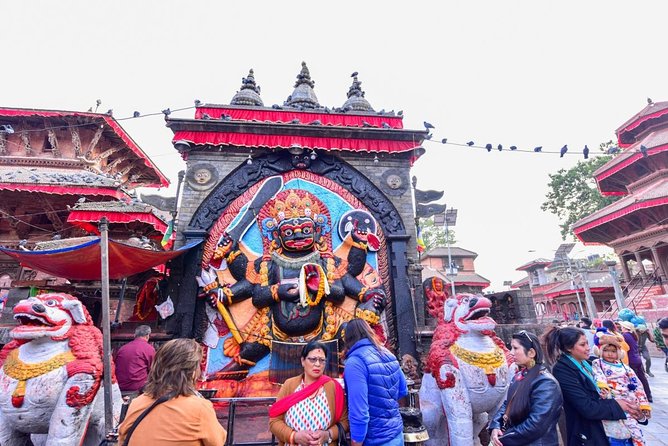
- Seven UNESCO World Heritage Sites in one long circuit, with planned time at each stop
- Hotel pickup and AC private car to keep the pace workable
- A guide who explains rituals and symbols, not just dates and names
- Lunch included (Nepali thali or momo/spaghetti) so you’re not hunting food all day
- Entrance fees are extra, and they can add up quickly
Seven UNESCO sites in one day: why this route is worth your time
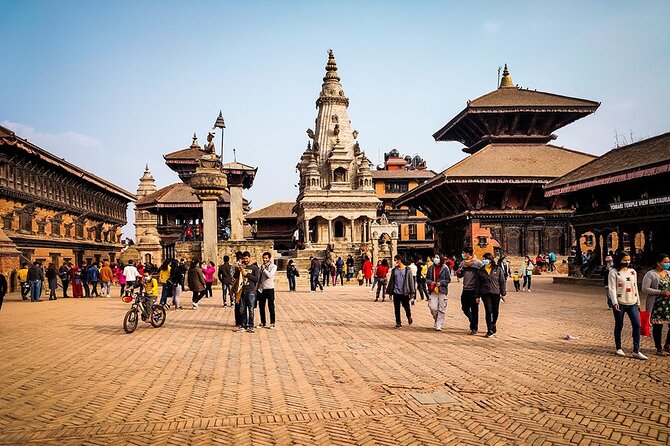
Kathmandu Valley is famous for being layered. One street can feel ancient, then turn into a busy market lane in a minute. This tour leans into that reality by hitting the big landmarks most first-time visitors can’t afford to miss.
What makes it interesting is the variety in a single sweep. You’ll move from a Tibetan Buddhist stupa atmosphere at Boudhanath, to Hindu pilgrimage at Pashupatinath, then up to hilltop temple architecture at Changu Narayan, and later into the royal-palace storytelling of three Durbar Squares plus Swayambhunath.
The pace is full-day fast, but it’s not chaotic. The stops are timed (most around 1 hour, with Bhaktapur and Patan taking about 1.5 hours), which helps you see a lot without feeling like you’re sprinting from photo spot to photo spot.
You can also read our reviews of more tours and experiences in Kathmandu.
Price and logistics: what the $5 headline really means
The listed price is $5 per person, which is extremely low on paper. But here’s the trade you should expect: the big-ticket costs are the monument entry tickets, and those are not included.
The tour explicitly notes entrance fees of $50 per person for monuments. So your real “all-in” cost will depend on how many sites require tickets and how the entry rules are applied on the day you go. Before booking, I’d add that $50 line to your budget so the day feels good financially, not like a surprise bill at each gate.
Also factor in that this is a private tour. You’ll be riding in an air-conditioned car with a driver, and you’ll have a guide. That’s part of why this route can feel smooth compared with piecing things together yourself.
The 08:00 AM start: how to make an eight-hour day feel calm
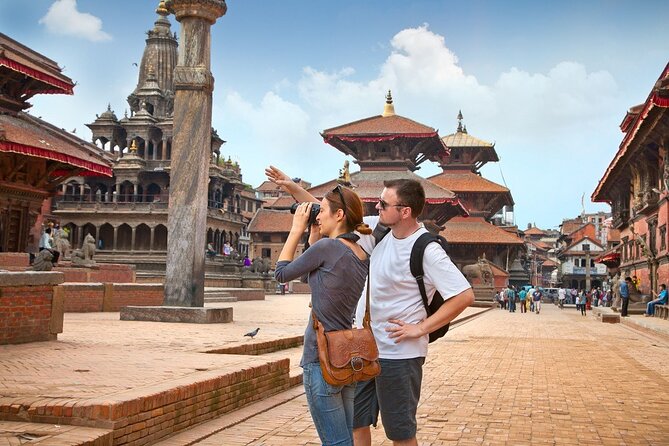
The tour begins at 08:00 AM with pickup from your hotel, and the full experience runs for about 8 hours. The advantage of an early start is simple: you catch sites before the day gets too hot and before foot traffic gets heavy.
You’ll get bottled water and a planned lunch, which matters because Kathmandu can drain you faster than you expect. I like tours that build in food and water because it keeps the temples from turning into a long waiting game.
Dress matters here. You’re visiting Hindu temples and sacred Buddhist sites, so bring clothing that lets you cover shoulders and avoid anything too revealing. It’s also smart to wear shoes you can walk in comfortably, since temple steps and uneven stone are part of the deal.
Boudhanath Stupa (Stop 1): start with a Buddhist mood
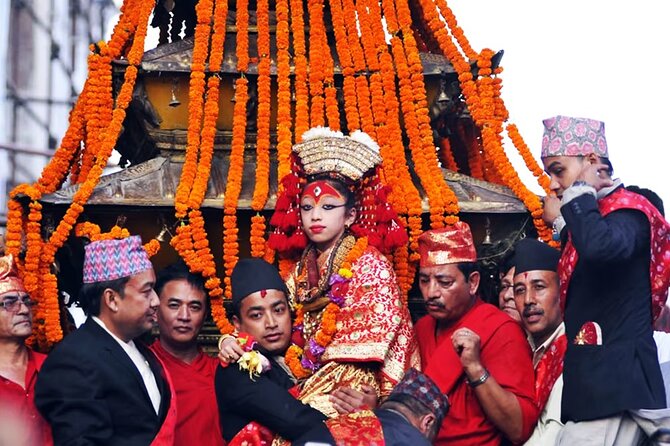
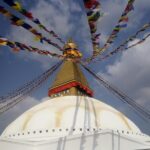
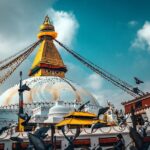
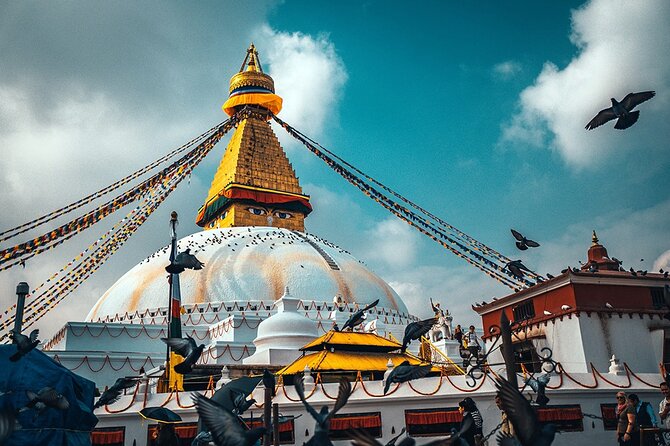
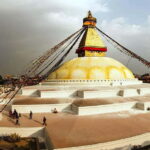
Your first major stop is Boudhanath Stupa, with about 1 hour on site. This is one of the most iconic Buddhist pilgrimage settings in the valley, and the energy is different from the Hindu temples you’ll see later.
I like using Boudhanath as the warm-up because the space encourages you to slow down. Even if you’re on a schedule, you’re naturally pulled into the stupa area—watching prayer practices and noticing the rhythm of the place.
A practical note: expect a lot of activity around the stupa complex. You’ll want to move calmly, follow any local flow, and keep your eyes up for details rather than only chasing wide-angle photos.
Pashupatinath Temple (Stop 2): sacred Shiva pilgrimage, up close
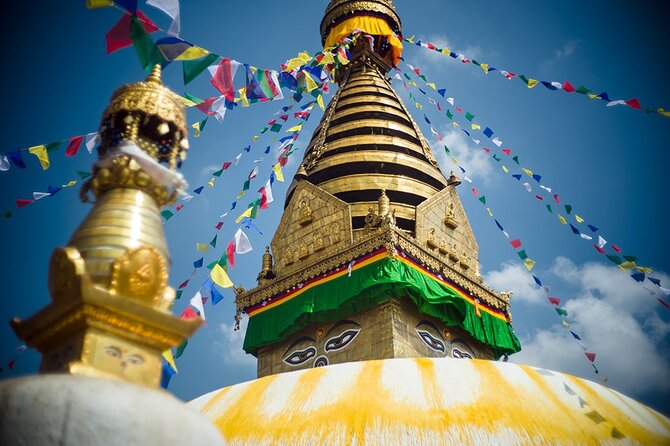
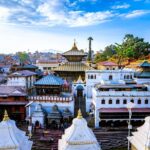
Next is Pashupatinath Temple, also around 1 hour, one of the most revered Hindu pilgrimage sites for Lord Shiva. This is where the tour shifts from stupa-focused spirituality to a Hindu sacred landscape.
What to expect is intensity. The temple area is religious and active, so you should approach with respect and patience. The guide you’re with (Nilakantha Acharya is one example mentioned for explaining rituals) can help you understand what you’re seeing instead of just watching from the sidelines.
Also, give yourself mental space for etiquette. Keep voices down, avoid blocking worshipers, and be mindful of where you step. This stop is a reminder that heritage sites here are not museums. They’re working places of faith.

Changu Narayan (Stop 3): hilltop temple details and older stone
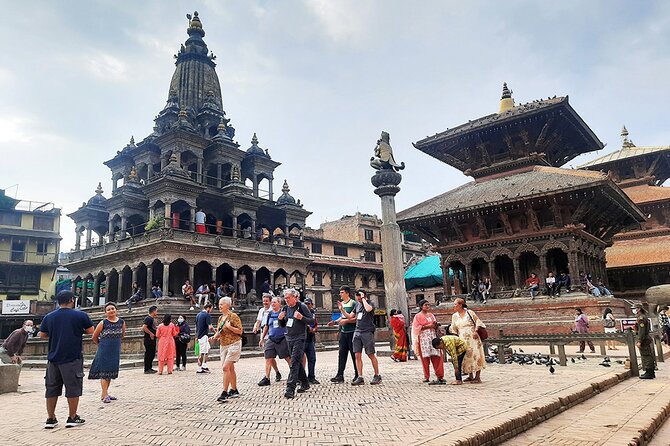
After Pashupatinath, the route goes to Changu Narayan Temple (Changunarayan). You’ll have about 1 hour, and it’s known for being an ancient Hindu temple on a hilltop.
This is a great stop if you like architecture and carving details. Hilltop temples tend to feel more exposed and more “seen,” and that can help you notice how the design fits the terrain. If you’re traveling with people who like photos, this is one of the spots where you’ll get both views and close-up temple work.
The consideration: with a hilltop stop, you may deal with stairs and uneven surfaces. Plan for careful footing, especially if weather is wet.
Bhaktapur Durbar Square (Stop 4): royal square energy in a smaller city
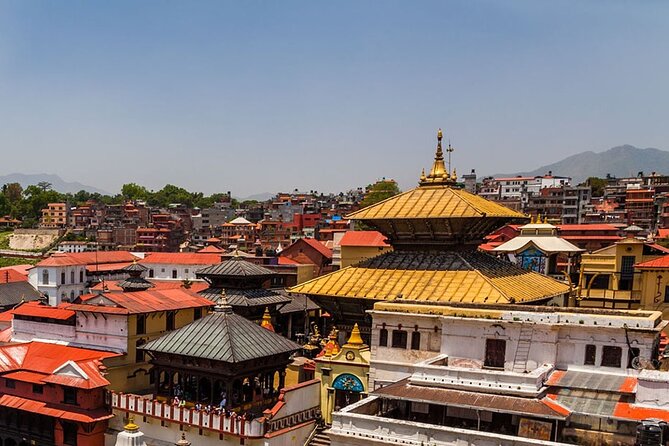
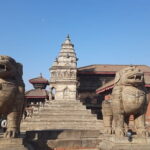
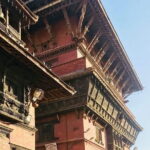
Then you head to Bhaktapur Durbar Square for about 1 hour 30 minutes. Bhaktapur is described as an ancient city and it has one of the biggest durbar squares—plus UNESCO status as part of this cultural zone.
I like Bhaktapur on a day like this because it feels like a city within the larger Kathmandu Valley story. Durbar Squares are not just decorative backdrops—they’re where power, craft, and public life historically met.
With 1.5 hours, you have enough time to look for details: temple corners, carved stone, and the way the square holds together visually. If you’re the type who gets tired after a fast-moving itinerary, this longer stop is a helpful breather.
Patan Durbar Square (Stop 5): artistry and royal architecture that still pulls you in
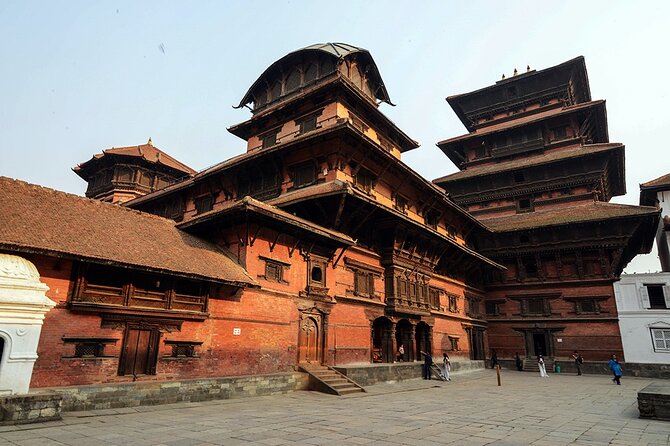
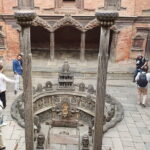
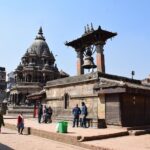
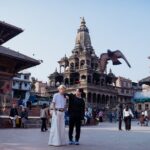
Next is Patan Durbar Square in Lalitpur, also about 1 hour 30 minutes. It’s one of the three Durbar Squares in Kathmandu Valley that are UNESCO World Heritage Sites, so you’ll see both overlap and differences in the styles.
This is one of those stops where good guiding pays off. Symbols and architecture can look similar across the valley, but the details shift. A guide who explains the meaning behind forms can make your walking time feel useful.
Practical tip: plan to slow down in Patan and let your eyes adjust. If you rush, you’ll miss the smaller carvings and the layout that gives the square its character.
Swayambhunath Monkey Temple (Stop 6): stupa views and shared space
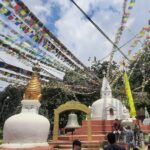
Now you climb into Swayambhunath, often called the Monkey Temple, with about 1 hour. The big feature here is the stupa called Mahachaitya, and the Tibetan name is tied to Sublime Trees, hinting at the natural setting around the site.
This stop is fun because it’s both panoramic and lively. You’ll likely get views over parts of the valley, but keep in mind that sacred sites here are shared public spaces. That means people, movement, and small surprises.
The consideration: if you’re concerned about animal encounters, be aware that it’s called the Monkey Temple for a reason. Use common sense—watch where you place bags, and keep your phone secure.
Kathmandu Durbar Square (Stop 7): where the palace story stays visible
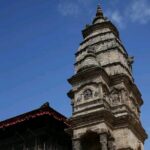
Your last stop is Kathmandu Durbar Square, about 1 hour. It’s one of the valley’s Durbar Squares, and construction began in the third century, with the major structures and details reflecting later eras as well.
This is a fitting ending because it ties the day together. Across the day you’ll see spiritual places and royal architecture, but Durbar Squares are where those stories feel most public and human—historical power laid out for everyday life.
You’ll also notice how the square works as a cultural stage. So even if you’re on a tight schedule, give yourself a moment to just stand back and take in the overall layout before you move in for details.
Lunch in the middle of Kathmandu: Nepali thali or momo/spaghetti
Lunch is included, with options listed as Nepali thali or momo/spaghetti. I love this kind of setup on a full-day temple tour because it prevents the usual problem: hunger makes you impatient, and impatience makes you miss things.
Aim to eat at a relaxed pace if you can. Even 15–20 minutes of calmer breathing before the next stop can make the rest of the day feel less like a checklist.
If you’re picky about spice, it’s still worth going for Nepali thali if you’re curious—just ask for mild options when ordering. If you’d rather keep it familiar, momo or spaghetti can be a steady fallback.
Newari culture and the Kumari moment: how to catch meaning, not just sights
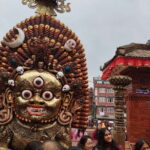
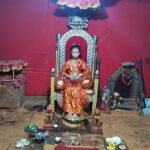
The tour is described as giving you insight into Newari cultures and traditions, plus a chance to sight the living goddess Kumari. That’s the kind of detail that can turn a standard temple day into something more personal.
Here’s how to handle it without stress:
- Pay attention when the guide points out rituals and ceremonies.
- If Kumari is available that day, your best move is to watch closely but follow instructions about where you can stand.
- Keep your expectations flexible, because sacred traditions follow schedules you can’t control.
If you’re the type who likes culture that’s lived today, not just preserved behind glass, this part is one of the reasons the itinerary feels more than a photo tour.
Who this tour suits best (and who should rethink)
This is a strong fit for:
- First-timers who want a high-impact UNESCO day without figuring out transport between scattered sites
- Travelers who prefer learning from a guide rather than wandering with a map
- People who want a private car and a planned lunch to keep the day comfortable
It may not be ideal if:
- You hate tight schedules and would rather spend two to three hours at one site
- You’re trying to keep costs extremely low once you add entrance fees
- You’re very sensitive to crowds or active religious settings (these places are alive)
That said, the tour’s structure—with timed stops and guide context—makes it easier to enjoy than a DIY day when you’re new to Kathmandu Valley.
Final verdict: should you book this seven-site Kathmandu day tour?
If you want one solid day that covers the key Kathmandu Valley World Heritage landmarks, I’d book it—especially at the listed price, because the route is efficient and you’re not stuck organizing basics. Just go in with eyes open: entrance fees are extra, and you’ll be spending about 8 hours walking, standing, and moving between major sacred sites.
My advice: if you’re excited by temples, royal squares, and religious life, this tour delivers a full Kathmandu snapshot. If you’re only looking for a relaxed stroll and deep time at one place, you might prefer a slower, smaller-site day instead.