REVIEW · MALAYSIA
Walk & Discover KL’s Architectural and Heritage Gems
Book on GetYourGuide →Operated by Hazfa Seri Utama Enterprise · Bookable on GetYourGuide
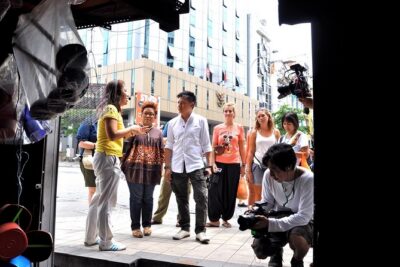
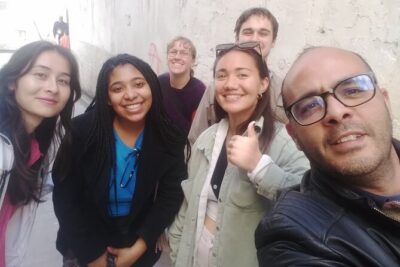
KL’s buildings tell you secrets fast. This walk is all about reading Kuala Lumpur like a map, from colonial landmarks to modern streets, with hands-on architecture talk from KL-based guides such as Haziq or Hazfa (and sometimes Hazik, depending on the guide lineup). I like that it mixes big-name sights like KLCC with quieter blocks you’d probably miss on your own.
What I also really like is the pacing and interaction: you get prompts to look past façades, plus time for photo stops and actual explanation, not just pointing. The one thing to consider is that it is a walking tour (rain or shine), and it is not suitable for people with mobility impairments or pregnant women.
In This Review
- Key Things I’d Write on My Map
- Why KL’s Architecture Tour Feels Like City Literacy
- Meeting at Avenue K: Fast Start, Clear Target
- From Colonial Landmarks to Shophouses: Learning KL’s Building Logic
- The Famous Skyline Stops: Petronas, KLCC, and Le Nouvel Details
- Quieter Streets, Art, Tiles, and Green Walkways
- How the Guide Makes It Interactive (and Actually Answer Questions)
- Timing, Pacing, and What 3 Hours Really Means
- Price and Value: What $74 Buys You in KL
- What to Bring, Wear, and Plan For
- A Quick Booking Checklist So You Enjoy the Walk
- Should You Book This Walk & Discover KL Tour?
- FAQ
- How long is the tour?
- Where is the meeting point?
- What languages are offered?
- Does the tour run in the rain?
- What should I bring?
- Is the tour suitable for everyone?
Key Things I’d Write on My Map
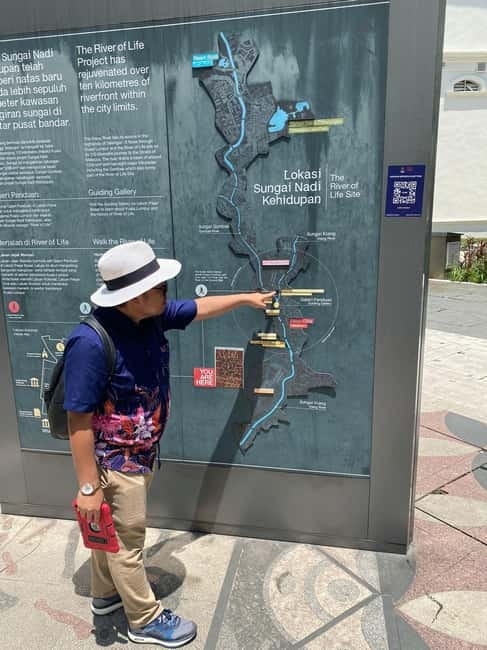
- KL-based architectural guides for a small group (max 6), so questions actually get answered
- Colonial landmarks to shophouses, letting you connect old building choices to today’s city shape
- Iconic stops plus local streets, including KLCC areas and Le Nouvel-type landmarks
- Cultural tile patterns and green walkways, where design details become the lesson
- Rain poncho + sheltered stops, so you don’t have to cancel the plan when weather turns
Why KL’s Architecture Tour Feels Like City Literacy
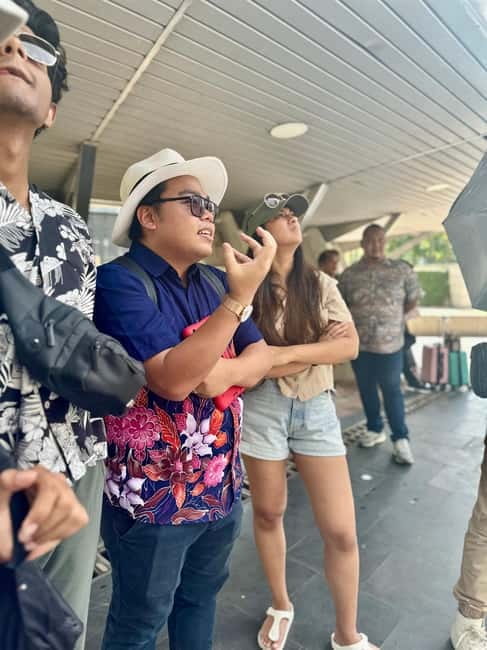
Kuala Lumpur has layers. You see them in materials, proportions, and the way buildings sit on the street. One block might hint at colonial-era planning, then the next street turns into classic shophouse rhythm—tight lots, decorative façades, and a long tradition of adapting space for daily life.
This tour works because it teaches you how to look. Instead of treating architecture like trivia, it frames the city as a conversation between different communities and different time periods. You’ll walk through areas where Malaysia’s multi-ethnic past meets modern ambition, and the guide helps you notice what the city chose to keep, what it repurposed, and what it replaced.
If you’ve ever wondered questions like who decided that façade detail, or why a certain style shows up where it does, you’ll get a lot out of the approach here. The goal isn’t just names—it’s interpretation. And that’s why the best part isn’t a single photo. It’s the moment your eyes start working differently.
Meeting at Avenue K: Fast Start, Clear Target
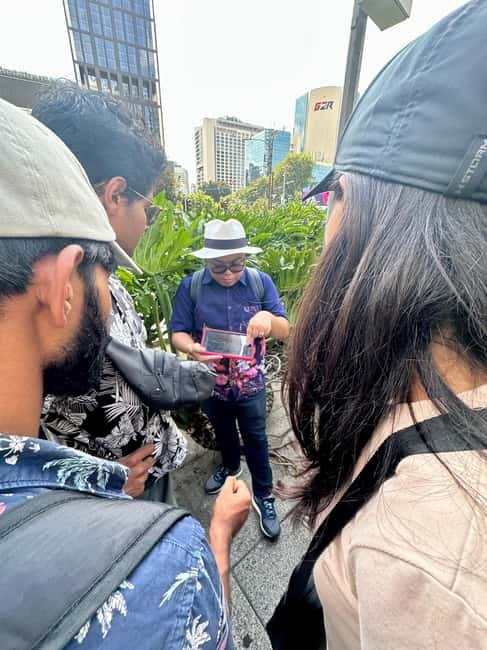
You’ll meet at the main entrance / main drop-off lobby of Avenue K Shopping Mall, and the entrance is next to H&M. That’s helpful if you want to arrive, orient quickly, and get moving without a scavenger hunt.
Once you’re gathered, expect a short safety briefing and then the tour shifts into walking mode right away. The early minutes matter on architecture walks. You need that mental baseline—what to look for, what to question—before the route starts bouncing between styles and eras.
A practical note: because the tour is about seeing details, comfortable shoes aren’t optional. You’ll want footwear that handles pavement, curb cuts, and the stop-start flow of a guide-led walk.
From Colonial Landmarks to Shophouses: Learning KL’s Building Logic
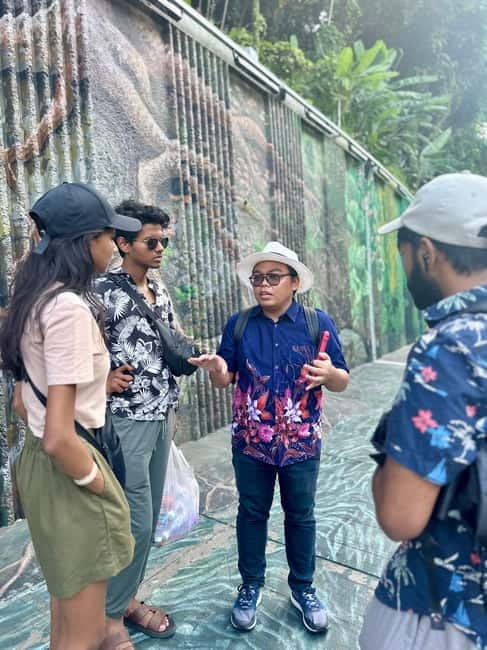
The route begins with historic buildings and colonial landmarks, then moves into city blocks lined with charming shophouses. This is where the tour becomes more than sightseeing, because you start linking design choices to city needs.
Here’s what you’ll pick up as you go:
- How façades communicate identity: decorative choices, window rhythm, and entry placement tell you who the building served and how public space was imagined.
- How streets shape architecture: the way buildings relate to sidewalks influences what you can notice—signage, shading elements, and how pedestrians move between blocks.
- What preservation means in real life: the city keeps evolving, but older structures still influence what comes next.
This segment is valuable even if you don’t call yourself an architecture person. The guide’s job is to translate building features into readable meaning. That’s why the interactive, hands-on style works: it turns you from a passive observer into someone who can explain what you’re seeing.
One drawback to keep in mind: this portion is about the walking and observing, so if you’re hoping for lots of sit-down museum time, you might find the balance leans more street-level than indoor.
The Famous Skyline Stops: Petronas, KLCC, and Le Nouvel Details
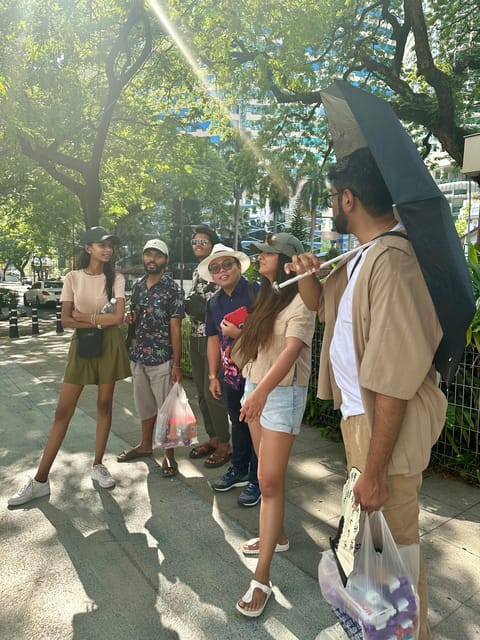
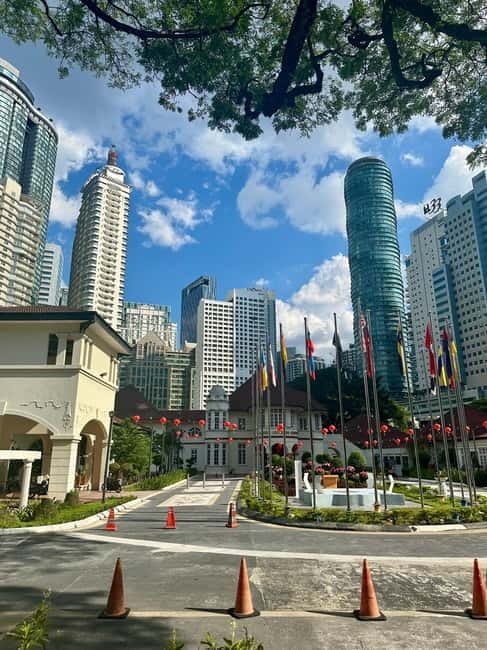
Yes, you’ll cover the headline sights. The tour includes stops around Petronas Tower / KLCC and landmark buildings like Le Nouvel. But the point isn’t a repeat of the usual skyline photo routine.
The guide’s angle is what you can learn while you’re already looking. Even with famous structures, it’s easy to miss the “why”:
- What architectural choices do at street level (not just at postcard height)
- How modern design language sits beside earlier building patterns
- Which details feel intentional and which are more about function
I like that this tour doesn’t treat icons as endpoints. They become reference points. After you’ve heard the explanations, you’ll notice how the rest of KL starts to fit together. That makes the famous stops more than time-filling.
You’ll also have photo stops at appropriate moments. That’s a practical plus on a schedule that lasts about 3 hours. You’re not forced to photograph everything, but you’re also not left wondering when you’ll get a moment to capture what you just learned.
Quieter Streets, Art, Tiles, and Green Walkways
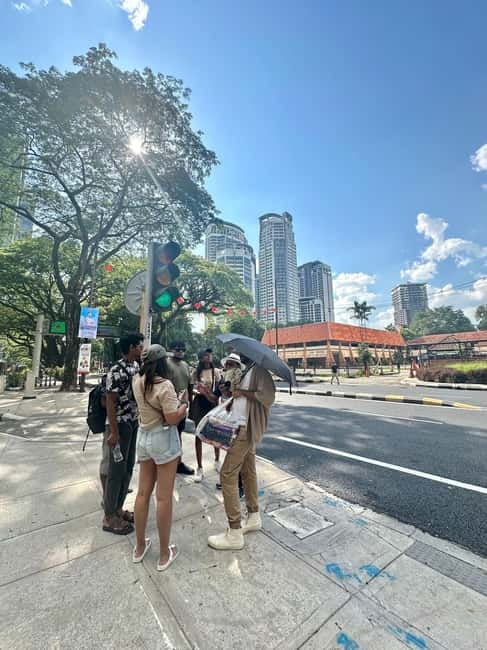
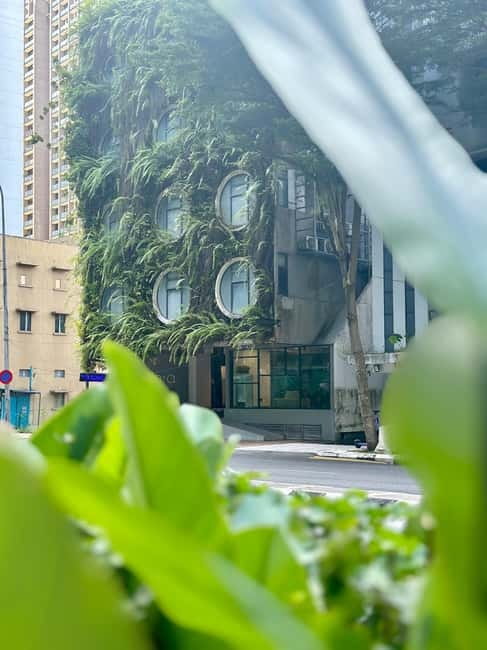
After the big-name areas, the route shifts into smaller streets with more texture—places where you can spot design choices without fighting crowds. You’ll pass art installations, and you’ll see green walkways with cultural tile patterns and modern interventions.
This part is surprisingly important for first-time visitors. Kuala Lumpur can look like a city of contrasts from far away, but close up it’s more coherent than it seems. Tile patterns, for example, are not random decoration. They can reflect cultural motifs while also creating a visual system for walkways and edges. Modern interventions—like murals and other statement elements—show the city’s current style choices and what it wants to communicate now.
I also appreciate the “more than facts” approach described in the tour: you’re not just collecting a list of styles. You’re learning how the city’s visual language moves through time—so you come away with a mental framework for what you see later on your own.
How the Guide Makes It Interactive (and Actually Answer Questions)
A tour like this lives or dies on the guide. The common thread from guide names you might encounter—Haziq, Hazfa, and Hazik—is that they focus on architectural meaning and heritage preservation, not just reciting dates.
What you’ll feel during the walk:
- A specialist who can answer follow-up questions without shutting you down
- A conversational rhythm that turns curiosity into part of the route
- Room for stopping and looking longer if something catches your eye
That flexibility matters. Architecture details are small by nature. If you’re rushed, you miss them. If you’re allowed to pause, you start noticing the micro-lessons: proportions, transitions between building materials, and how a street’s design guides movement.
The tour also includes bottled water to keep you comfortable during the walk. If you’re the type who gets distracted by thirst or heat, that little inclusion keeps the experience smoother.
Timing, Pacing, and What 3 Hours Really Means

The duration is about 3 hours. In walking-tour terms, that’s a full enough chunk to cover multiple eras without turning into an all-day endurance test.
You can expect a schedule that blends:
- walking between clusters of sights
- break time and stops for photos
- guided explanation at key points
One practical reality: because it runs rain or shine, you’re walking in the weather you get. The good news is that rain protection is part of the package. The tour includes a rain poncho on rainy days, and the route includes plenty of shelter areas where you won’t just stand there getting soaked.
If you prefer a strict, clockwork museum-style tour, this might feel a bit more fluid. If you like walking, asking questions, and adjusting your pace to interesting details, the format fits well.
Price and Value: What $74 Buys You in KL
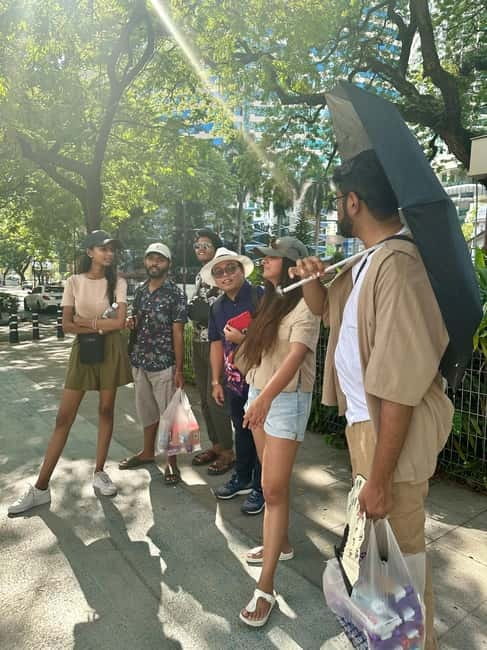
The price is listed as $74 per person for a 3-hour walk with a KL-based architecture and heritage professional guide. For me, the value comes from three things:
- Small group size (max 6 participants)
With fewer people, the guide can tailor explanations to what you’re curious about. If you want to understand building choices, you’ll get more interaction than you would on a big group tour.
- Specialist focus
This isn’t a generic highlights walk. It’s specifically framed around architecture, heritage, and how KL’s design layers connect.
- Local recommendations built into the experience
You get in-person suggestions for cafes, galleries, and architecture-favourite stops. That can matter on a first day, because you’re not just learning history—you’re getting the city’s next steps from someone who thinks in design terms.
What isn’t included is also part of the value math: there’s no hotel pickup and drop-off. That’s fine if you’re already near central areas and comfortable using transit or walking connections. If you want a door-to-door tour, this isn’t set up for that.
What to Bring, Wear, and Plan For
Before you go, keep your packing simple:
- Passport or ID card
- Umbrella
- Hat
- Cash
- Comfortable shoes
You’re also asked not to bring oversize luggage. That’s normal for a small-group walking format.
On rainy days, you’ll have a rain poncho provided, and you’ll find shelter areas along the route. Still, I’d pack your umbrella too, since you never know where the heaviest rain might hit.
Also read the fine print on suitability. This tour is not suitable for pregnant women and people with mobility impairments. If you’re in any doubt, it’s worth choosing a different style of activity that gives more flexibility to sit, rest, and move slowly.
A Quick Booking Checklist So You Enjoy the Walk
If you’re deciding whether this fits your trip, use this quick mental checklist:
- You’re okay walking for about 3 hours
- You like architecture details more than pure landmarks
- You want a small-group experience and real Q&A
- You can meet at Avenue K Shopping Mall near H&M
And one more thing: bring your curiosity. The tour style rewards people who slow down and look for the story in the façade.
Should You Book This Walk & Discover KL Tour?
Book it if you’re in Kuala Lumpur for the first time and want to understand the city’s layout fast—without sticking to only the skyline. You’ll likely get the most value if you enjoy walking, noticing design details, and asking why buildings look the way they do.
Skip it or consider an alternative if you need a fully seated, minimal-walking experience, or if you fall into the groups the tour notes as not suitable (pregnancy and mobility impairments). Also, if you dislike rain-day walking, check what kind of weather you expect and plan your clothing accordingly.
If your travel style is part sightseeing, part learning, and you want a guide who can talk architecture and heritage in a way you can actually use later in the city, this is a strong choice.
FAQ
How long is the tour?
The tour lasts about 3 hours.
Where is the meeting point?
Meet at the main entrance/main drop-off lobby of Avenue K Shopping Mall, with the entrance located next to the H&M store.
What languages are offered?
The live tour guide speaks English, Malay, and Indonesian.
Does the tour run in the rain?
Yes. The tour runs rain or shine, and rain ponchos are provided. There are also plenty of shelter areas along the walking route.
What should I bring?
Bring your passport or ID card, an umbrella, a hat, cash, and comfortable shoes. Umbrella and hat help even if the poncho is provided.
Is the tour suitable for everyone?
No. It’s not suitable for pregnant women or people with mobility impairments. Oversize luggage is also not allowed.