REVIEW · KUALA LUMPUR
Kuala Lumpur Heritage Walk
Book on Viator →Operated by Malaysia Heritage · Bookable on Viator
Food and faith walk hand in hand in KL. This Central Market-to-Chinatown heritage walk packs temples, street-level culture, and everyday food stops into one tight 4-hour route. It’s built for people who want context, not just photos.
I love how the tour mixes food tastings with cultural stops, starting with breakfast at Restoran Yusoof dan Zakhir and ending with Indian lunch around Lebuh Ampang. I also like the small group size, up to 10 travelers, which makes it easier to ask questions and get help with what you’re seeing.
One consideration: it’s a morning walk (start time 9:00 am) with no hotel pickup, and you’ll need moderate physical fitness to keep up for roughly four hours on foot.
In This Review
- Key highlights worth knowing
- Why This Kuala Lumpur Heritage Walk Works in 4 Hours
- Price and Value: What $60 Buys You (and What It Doesn’t)
- Getting There: Meeting Point and Timing That Make Sense
- The Full Itinerary, Stop by Stop (What You’ll See and Why It Matters)
- Stop 1: Restoran Yusoof dan Zakhir breakfast (about 15 minutes)
- Stop 2: Sin Sze Si Ya Temple (about 15 minutes)
- Stop 3: Sri Maha Mariamman Temple (up to your interest)
- Stop 4: Chinatown and a wet market stop (about 20 minutes)
- Stop 5: Sultan Abdul Samad Jamek Mosque (about 15 minutes)
- Stop 6: Lebuh Ampang lunch and street history (about 30 minutes)
- Temples and Food Tasting: How to Be Comfortable and Get More Out of It
- Guides Make or Break It: Small Group Energy and Interactive Moments
- Who This Tour Suits Best (and Who Might Not)
- Should You Book This Kuala Lumpur Heritage Walk?
- FAQ
- How long is the Kuala Lumpur Heritage Walk?
- What does the $60 price include?
- Where do I meet the guide?
- Is there a vegetarian option?
- Are there any age or fitness requirements?
- Do I need hotel pickup?
Key highlights worth knowing
- Small group (max 10) means you’ll get real attention, not just a herd walk
- Food tastings are built-in with breakfast and lunch stops, not optional add-ons
- Temple moments are part of the experience at Sin Sze Si Ya and Sri Maha Mariamman
- Chinatown includes a wet market stop, so you get a real feel for daily commerce
- History lessons match the streets you’re walking—Central Market area, Chinatown, and Lebuh Ampang
Why This Kuala Lumpur Heritage Walk Works in 4 Hours
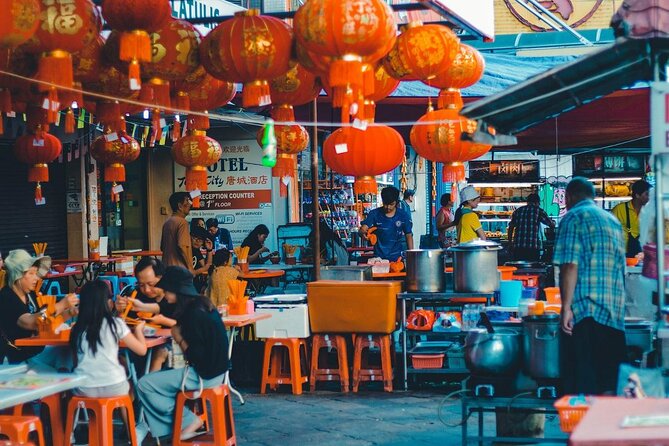
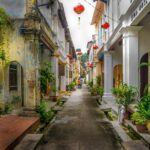
Kuala Lumpur can feel huge fast. This tour is smart about that problem. Instead of trying to cover the whole city, it focuses on the historic core—places tied to old trading routes, immigrant communities, and the way people still practice faith in public life.
What makes it click is the sequencing. You start with breakfast right in the food fabric of Central Market. Then you move into religious landmarks—Taoist practice at Sin Sze Si Ya and Hindu worship at Sri Maha Mariamman—before you shift to Chinatown, where you see the wet market rhythm and taste local Chinese dishes. After that, the walk pivots again to Islamic heritage with a stop at Sultan Abdul Samad Jamek Mosque, then finishes with Indian cuisine and street history along Lebuh Ampang.
You don’t just observe. You learn what daily life looks like when communities have lived side by side for generations.
You can also read our reviews of more tours and experiences in Kuala Lumpur.
Price and Value: What $60 Buys You (and What It Doesn’t)
At $60 per person for about 4 hours, this is priced like a guided experience, not a bus tour. The best value part is that it includes food tastings and bottled water, plus an English-speaking guide. You also get a mobile ticket, so you’re not scrambling with paper vouchers.
Here’s the practical side of the math. If you’d otherwise spend money on breakfast, a paid attraction inside a market area, and lunch nearby, this tour bundles those moments into a single guided package. The included items matter most because you’re walking through places where it’s easy to feel lost—having someone explain what you’re about to try and why helps you eat with confidence.
What’s not included:
- Hotel pickup/drop-off
- Caps or hats
Also note the tour includes bottled water, and they ask you to bring a tumbler so you can refill in their center. That’s a small thing, but it can save you money and plastic if you’re trying to travel lighter.
Getting There: Meeting Point and Timing That Make Sense
The tour meets at Tourist Information and Interaction Centre (TiiC) in the Central Market Annexe, Lot 02-03 Mezzanine Floor, Jalan Hang Kasturi (City Centre). It starts at 9:00 am and ends back at the meeting point.
No hotel pickup means two things for you:
- You’ll want to plan public transport or a short taxi/ride-hail from your hotel.
- You should be at the meeting point a bit early so the day doesn’t start rushed.
The route is designed for people with moderate physical fitness. You’re not hiking, but you are walking. Wear comfortable shoes. And if you’re visiting in hotter hours, a hat would be smart even though the tour doesn’t provide one.
The Full Itinerary, Stop by Stop (What You’ll See and Why It Matters)
Stop 1: Restoran Yusoof dan Zakhir breakfast (about 15 minutes)
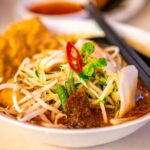
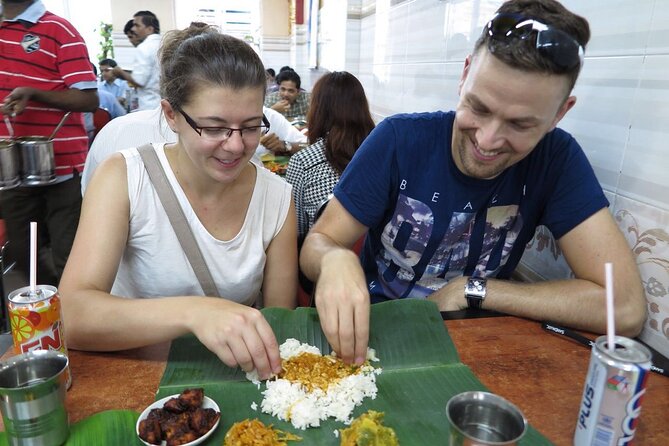
You begin with Malaysian breakfast at Restoran Yusoof dan Zakhir. This matters more than it sounds. Food early in the tour sets the tone: you’re not sightseeing on an empty stomach, and you’re immediately tasting local flavors tied to the neighborhood you’ll explore next.
The timing is short—about 15 minutes—so think of this as a “get oriented and taste something real” start, not a long sit-down meal.
Stop 2: Sin Sze Si Ya Temple (about 15 minutes)
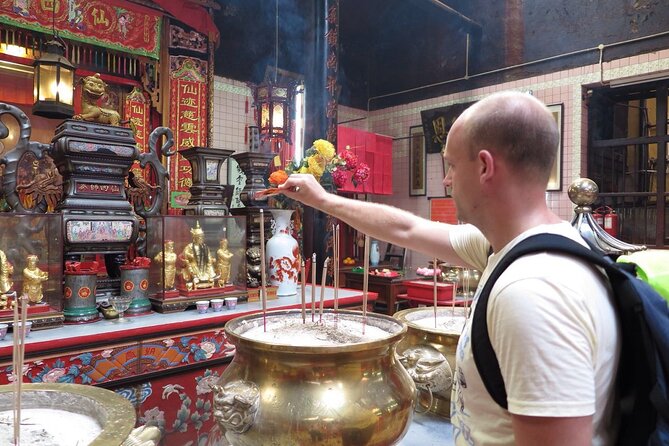
Next comes Sin Sze Si Ya Temple, a Taoist site where the guide explains Taoist culture and religious practice. You may also participate in candle lighting, using joss sticks, and placing a paste for good luck on a wall with a Goodluck Man.
A key detail: participation like that is described as being at the discretion of guests. So you can watch quietly, or join in if it feels right for you and your comfort level.
Practical tip: keep your phone use respectful near religious areas. Follow your guide’s cues so you don’t accidentally block worship or disrupt the moment.
Stop 3: Sri Maha Mariamman Temple (up to your interest)
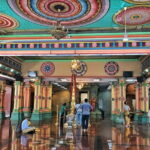
Then you head to Sri Maha Mariamman Temple, which focuses on Hindu culture and deities. The duration is flexible and depends on your interest level, but it’s set for about 20 minutes in the plan.
Why this stop is valuable is that it doesn’t treat temples like photo backdrops. You get the basic meaning of what you’re seeing, and it helps you understand why the visuals—prayers, symbols, and worship style—are not random decoration.
Stop 4: Chinatown and a wet market stop (about 20 minutes)
After the temples, you shift gears to Chinatown, including a wet market stop. This is where the tour earns its credibility: wet markets aren’t staged for visitors. They’re where locals buy ingredients and where the pace of commerce shows up in real time.
You’ll also sample Chinese foods that locals know. The tour doesn’t list every item, so be ready for the “try a few things you might not pick on your own” style of tasting.
If you have dietary needs, mention them when booking. There is a vegetarian option available, but you should still flag what you need so the guide can manage choices well.
Stop 5: Sultan Abdul Samad Jamek Mosque (about 15 minutes)
Next is Sultan Abdul Samad Jamek Mosque, with a story about how Kuala Lumpur began. This part is brief, but it adds a big missing layer when you’re learning Kuala Lumpur’s heritage: it’s not only about one community or one temple tradition. Islam is part of the city’s story too, and your guide connects the mosque to the broader origin narrative.
The timing here is about 15 minutes, so you’ll want to pay attention early in the stop—your best listening will happen at the beginning.
Stop 6: Lebuh Ampang lunch and street history (about 30 minutes)
You end on Lebuh Ampang. The guide shares the street’s history and then you stop for lunch to savor authentic Indian cuisine.
This final stretch is important because it wraps the whole route into one practical experience: after temples and markets, you sit down and eat. With about 30 minutes for lunch, it’s usually long enough to slow down and actually enjoy the meal, not just taste and rush out.
Temples and Food Tasting: How to Be Comfortable and Get More Out of It
This tour is built around public, visible practice—candle lighting, incense, prayer habits, and worship spaces. That means you’ll get more from the experience if you go in with a calm mindset. Think: respectful curiosity.
For food, the tour’s strength is variety. Breakfast at Restoran Yusoof dan Zakhir, a wet market tasting in Chinatown, and lunch on Lebuh Ampang gives you a cross-section of Malaysian flavors tied to the communities you’re learning about.
A helpful approach for you:
- Ask your guide what the tasting is and when it’s best eaten.
- Don’t assume you know the spice level. Tastes can surprise you in Malaysia.
- If you’re vegetarian, confirm the vegetarian option at booking so you’re not stuck making last-minute substitutions.
Also bring a tumbler if you can. The tour provides bottled water and says you can refill in their center, which is a small sustainability plus and can keep you hydrated during the walk.
Guides Make or Break It: Small Group Energy and Interactive Moments
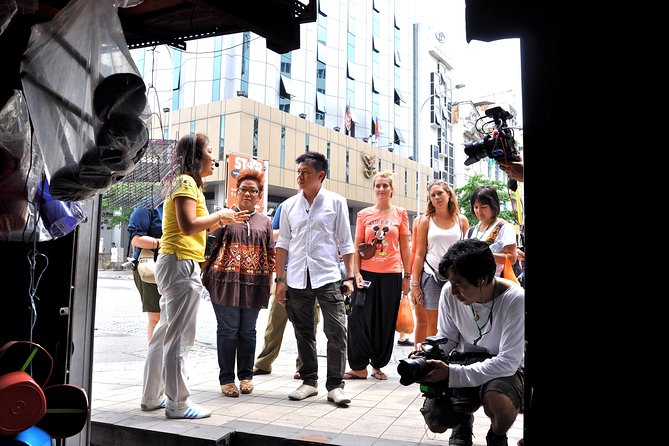
This experience is capped at 10 travelers, which changes the whole vibe. You’re not waiting for a lagging audio system or asking questions to a wall of strangers. You can connect with the guide.
The best part is that the tour isn’t only lecture-style. Some groups have described genuinely interactive moments—things like hands-on food prep such as roti making, and temple participation like learning prayer elements and understanding what outcomes mean in context. You might not get the exact same activity every day, but the emphasis on participation is part of the tour’s character.
You may encounter guides like Kristin, Sean, or Winnie, and their energy shows up in feedback: clear explanations, a friendly tone, and a real focus on making you understand what you’re seeing, not just where to stand for a picture.
Who This Tour Suits Best (and Who Might Not)
This is ideal if you:
- Want a first taste of Kuala Lumpur that focuses on the historic center
- Like food tastings but don’t want to navigate markets alone
- Enjoy cultural stops that explain practice, not only architecture
- Prefer a small group and a guide who can answer questions on the fly
Consider skipping or choosing something else if you:
- Want minimal walking or a slower pace
- Don’t feel comfortable in active places of worship
- Need hotel pickup and can’t easily get to Central Market by public transport
It’s also a good match if you’re traveling with teens—there’s a minimum age of 11—since the structure is short, varied, and hands-on.
Should You Book This Kuala Lumpur Heritage Walk?
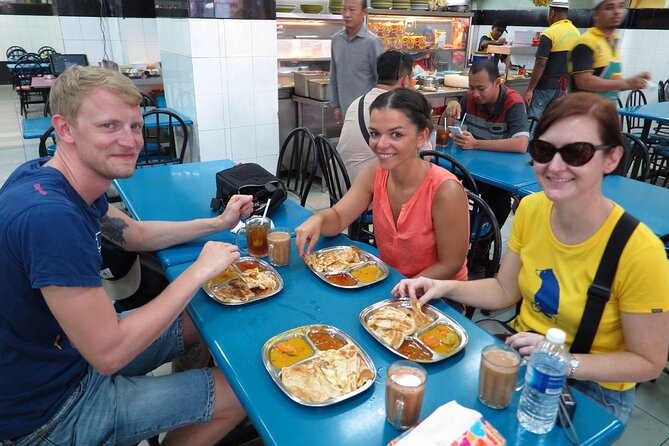
If you want context, food, and culture in one compact outing, I’d book this. The biggest reason is value-for-time: breakfast, wet market tastings, and lunch are included, and the temples and mosque stops are brief but meaning-focused. Add the small group size, and you get a tour that feels personal without being long or exhausting.
One final check for you: if you’re sensitive about participating in temple rituals, you can simply watch and observe. The tour frames participation as optional at the Taoist temple, and your comfort level should guide your choices.
Go in hungry, wear comfortable shoes, and use the guide’s explanations to turn streets into stories. That’s where this walk pays off.
FAQ
How long is the Kuala Lumpur Heritage Walk?
The tour is about 4 hours.
What does the $60 price include?
It includes an English-speaking guide, food tastings, and bottled water (with a note that you can refill using a tumbler). Mobile ticket is also included.
Where do I meet the guide?
You meet at the Tourist Information and Interaction Centre (TiiC), Lot 02-03 Mezzanine Floor, Central Market Annexe, Jalan Hang Kasturi, City Centre, Kuala Lumpur. The tour starts at 9:00 am and ends back at the meeting point.
Is there a vegetarian option?
Yes. A vegetarian option is available, and you should advise your needs at the time of booking.
Are there any age or fitness requirements?
The minimum age is 11 years, and travelers should have a moderate physical fitness level since it’s a walking tour.
Do I need hotel pickup?
No. Hotel pickup and drop-off are not included, but the meeting point is near public transportation.