REVIEW · PUNE
Why Pune? : A Heritage Walk through Old Pune
Book on Viator →Operated by Dhruva Kalita · Bookable on Viator
Old Pune tells stories on every corner. This guided heritage walk strings together Pune’s past to present in about 2.2 km, hitting 9 landmark stops in the dense city center. You start at Shaniwar Wada and finish around Mahatma Jyotiba Phule Mandai, with a mobile ticket and snacks built in.
I like two things most: the way the guide, Dhruva Kalita (conducted 300+ heritage walks), uses clear stories to connect politics, religion, and reform; and the fact that you move beyond the usual photo stops into working neighborhood life and local landmarks. The walk feels built for people who want meaning, not just monuments.
One possible drawback: Shaniwar Wada admission is not included, so you’ll want to budget for that entry time. Also, it’s still a proper walking tour through busy lanes, so plan on comfortable footwear.
In This Review
- Quick hits before you go
- Getting oriented: Old Pune’s 2.2 km route and timing
- Meet Dhruva Kalita: why the storytelling feels practical
- Value and price: what $16.84 buys you in the real world
- Stop 1: Shaniwar Wada and the Peshwa power story
- Stop 2: Lal Mahal Chitra and Shivaji-era context
- Stop 3: Kasba Peth Ganpati, a 400-year local anchor
- Stop 4: Nana Wada and shifting Old City demographics
- Stop 5: Shrimant Bhausaheb Rangari Ganpati and freedom-movement ties
- Stop 6: Bhide Wada and Prashant Fule’s reform legacy
- Passing the iconic Ganesh temple and a famous wealthy shrine
- Stop 7: Tulshibaug Shri Ram Temple and the market walk
- Stop 8: Mahatma Jyotiba Phule Mandai and the colonial trade shift
- What makes this walk feel worth it (beyond the list of places)
- Practical tips to make the most of it
- Who should book this heritage walk?
- Should you book Why Pune? A Heritage Walk through Old Pune?
- FAQ
- How long is the heritage walk?
- How much does it cost?
- Where does the tour start and end?
- Is Shaniwar Wada admission included?
- Do I need tickets for the other stops?
- Is snacks included?
- Is there a mobile ticket?
- How big is the group?
- Is free cancellation available?
Quick hits before you go
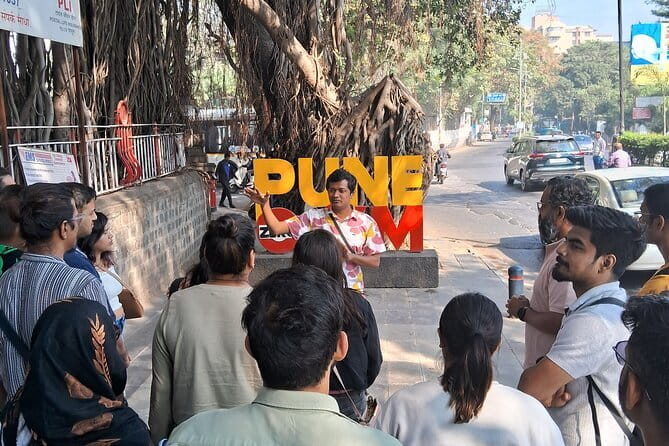
- Start at Shaniwar Wada and get the Peshwa-era context before you move through Old Pune
- 9 key landmarks covered in roughly 2.2 km, so it’s focused without feeling rushed
- Snacks included, plus free stops at several religious and historic sites along the route
- A small group (up to 15), which usually makes it easier to ask questions and hear explanations
- Finish at Mahatma Jyotiba Phule Mandai, a strong closing point tied to trade and change
Getting oriented: Old Pune’s 2.2 km route and timing
This tour is built for a concentrated, walkable hit of central Pune. Expect roughly 2 hours 30 minutes to 3 hours 20 minutes, depending on pace and how many questions you ask. The route covers about 2.2 km, with several short stops that keep you moving through different parts of the old city rather than sitting in one place for long explanations.
You’ll begin at Shaniwar Wada (480, Shaniwar Peth, Pune, Maharashtra 411011). The walk ends at Mahatma Jyotiba Phule Mandai, around Shanipar Chowk in the market area (Gayakwad Path, Mandai, Shukrawar Peth, Pune). The end point is about 2 km from the start, which is just long enough to feel like you covered something substantial—without needing taxis or private transport.
Two practical bits matter here. First, the tour is near public transportation, so you can plan your day without locking into one transport option. Second, you’ll be on your feet most of the time; the stops are mostly measured in minutes, not hours.
Meet Dhruva Kalita: why the storytelling feels practical
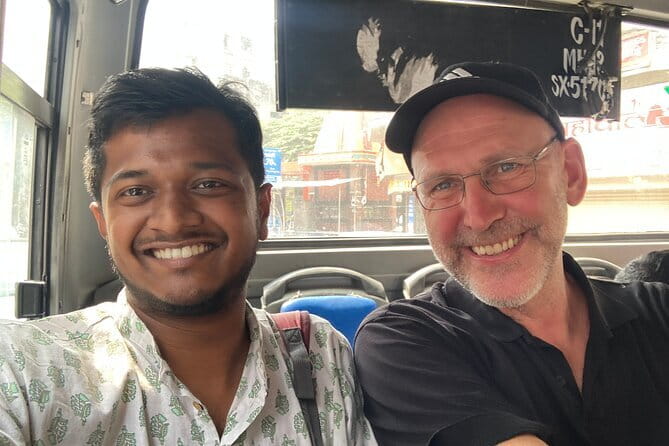
This walk is led by Dhruva Kalita, and the big advantage is how he ties each site to a bigger theme. The walk isn’t just about where things are—it’s about why they matter. You get explanations that connect Pune’s shift from a smaller settlement into a political and cultural center, then trace how different eras shaped the streets you’re standing on now.
The tone is also easy to follow. A number of guides notes in the provided feedback mention good clear English, which is a huge deal on heritage walks where long descriptions can otherwise blur together. You’ll also see a pattern: the guide doesn’t treat temples and houses as isolated objects. Instead, he builds links between religion, governance, reform, and even freedom-movement contributions—so the walk feels like one story, not nine separate stops.
If you like hands-on participation, this tour can suit you well. You’ll be encouraged to look closely at architecture and details as you pass them. And with a maximum group size of 15, it’s easier to keep attention and ask for clarification without shouting over the crowd.
Value and price: what $16.84 buys you in the real world
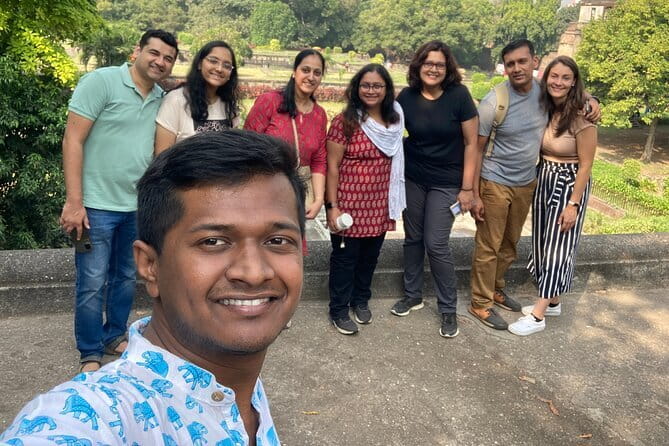
At about $16.84 per person, this is priced like an efficient local experience rather than a big-ticket “attraction package.” The best part for value is what’s included and how it changes your time.
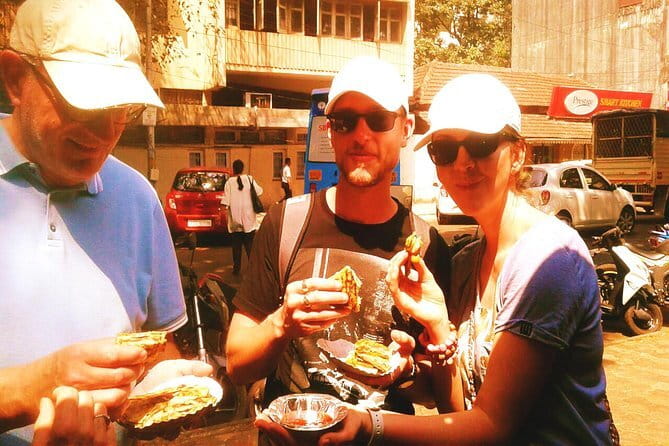
You get snacks included, which helps because you’re moving through a market-and-temple route where lunch timing can get messy. The walk also includes multiple free-entry stops, so you’re not constantly paying admissions along the way.
The one budgeting line to watch is Shaniwar Wada tickets. Admission for Shaniwar Wada is specifically not included, and that stop is longer (around an hour). Plan on paying that entry cost separately, and arrive with enough time to handle the queue and security.
Also note what’s not included: meals and private transportation. If you’re depending on ride-hailing between stops after the tour, you’ll need to budget that separately. On the other hand, because the starting and ending areas are connected to public transport, you can keep costs down if you’re staying near central Pune.
Stop 1: Shaniwar Wada and the Peshwa power story
You begin at Shaniwar Wada, once the residence of the Peshwas. This first stop sets the foundation for the whole walk. Instead of jumping straight into random historic points, you get the political and historical context that helps the rest of the landmarks make sense.
The timing here is the longest: about 1 hour. Since Shaniwar Wada admission tickets are not included, treat this as your first “plan ahead” point. If you arrive right at start time, you’ll likely be able to start the inside portion with the group. If you’re arriving late, this stop can feel time-sensitive.
What I like about starting here is how it frames the rest of the walk as a living political map. Houses, temples, and markets you’ll see later start to read like pieces of one long story about who held power, who challenged it, and how public life grew around religious and civic spaces.
Stop 2: Lal Mahal Chitra and Shivaji-era context
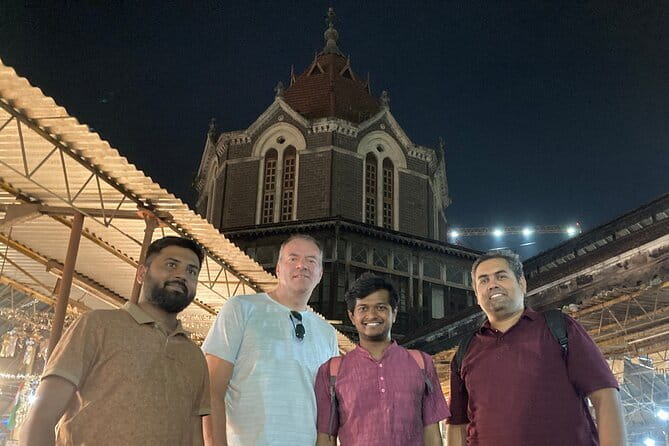
Next comes Lal Mahal Chitra, a shorter stop at about 10 minutes. The focus here is the former residence connected with Chhatrapati Shivaji Maharaj, and the bigger idea is what Pune looked like when it wasn’t yet the thriving city you see today.
This is the kind of stop that works best if you listen for the “why,” not just the “what.” You’ll connect the palace-era political landscape to how the city developed from a village environment. Since admission here is free, it’s easy to keep this stop light and still get the context you need.
The drawback to keep in mind: because the stop is brief, you’ll get the key points quickly, so don’t wander far if the group is moving on.
Stop 3: Kasba Peth Ganpati, a 400-year local anchor

Then you shift into a stronger neighborhood feel at the Kasba Peth Ganpati Temple. This stop is about 15 minutes, and the standout detail is the age: the temple is around 400 years old.
This is where the walk becomes more than a timeline. You’ll feel how religion sits right inside everyday city life—especially in places like Kasba Peth, where the old-town community identity is tied to temples, local markets, and repeat visitors.
Because admission is free, you can enjoy the atmosphere without worrying about ticket timing. If you’re the type who likes to notice patterns—what people carry, how they move, how the space is used—this stop gives you that payoff.
Stop 4: Nana Wada and shifting Old City demographics
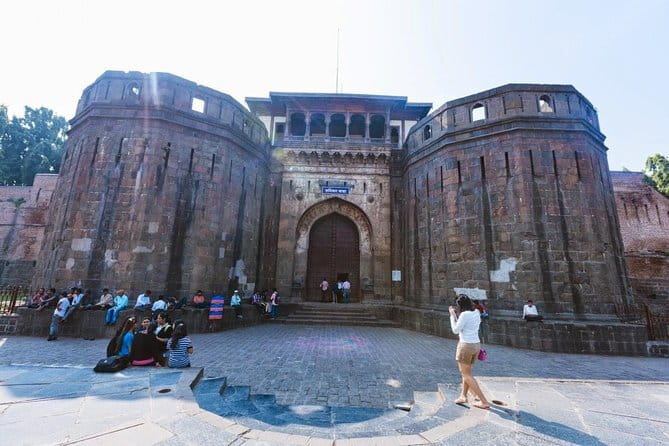
At about 10 minutes, Nana Wada helps broaden the political and social context. It’s described as the house of a former statesman, and the storytelling point is how demographics and people in the Old City were changing over time.
I like this stop because it doesn’t only focus on battles or kings. It nudges you toward understanding Pune as an evolving community—where migration, governance, and social change shaped the streets you’re walking.
If you prefer “bigger than life” monuments, this may feel quieter than some other stops. But it’s exactly the kind of small stop that makes a walking tour worth it.
Stop 5: Shrimant Bhausaheb Rangari Ganpati and freedom-movement ties
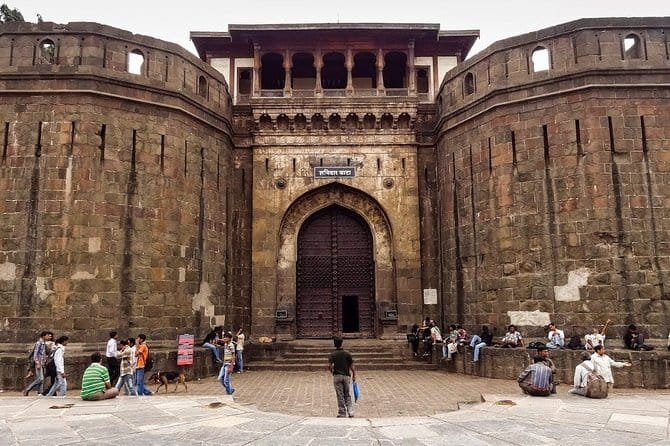
The walk continues to Shrimant Bhausaheb Rangari Ganpati, about 20 minutes. This stop combines sacred space with civic memory. The house is linked to a former revolutionary, and the guide focuses on Pune’s contribution to India’s freedom movement.
This is one of those stops where you’ll appreciate why the tour is formatted as a sequence. If you only saw the temple aspect, you’d miss the political thread. If you only thought of it as a political story, you might miss how faith spaces also acted as community landmarks.
Admission is free, which helps you stay present in the moment rather than timing your attention around fees.
Stop 6: Bhide Wada and Prashant Fule’s reform legacy
Next is Bhide Wada (भिडेवाडा), connected here with the भिडेवाडा बचाव मोहिम and the founder Prashant Fule. This stop runs about 10 minutes.
The emphasis is on reform: political, social, and educational reformist aspects are part of what the guide connects to the place. This is a good reminder that Pune’s old city isn’t only about royal power—it’s also about people who pushed change through ideas and institutions.
Admission is free, so you can treat this as a quick “meaning stop” and keep moving. If you’re short on time in Pune, this tour still holds up because it packs these major themes into short, digestible segments.
Passing the iconic Ganesh temple and a famous wealthy shrine
Between the named stops, you pass through Pune’s most iconic Ganesh and one of India’s richest temples, with a focus on history and splendour.
The key point isn’t just the fame. It’s the scale and cultural draw of religious landmarks in Pune’s city center. Even when the stop time isn’t long, the contrast between a heavily visited shrine and quieter lanes around it shows you how public attention and local daily routines share the same neighborhood geography.
If crowds are a concern, you can still enjoy this section by staying patient and letting the group flow through.
Stop 7: Tulshibaug Shri Ram Temple and the market walk
Now you’re into Tulshibaug, paired with the Tulshibaug Shri Ram Temple, a stop of about 20 minutes. The key experience is walking through the market area while also appreciating the temple’s architecture and local context.
I like this segment because it shows architecture in motion. You’re not in a museum with a rope barrier; you’re in a working area where people shop, pass by, and keep the street alive. It makes the explanations feel grounded instead of abstract.
Admission is free here, so you can focus on how the temple sits among commerce. If you’re sensitive to crowded lanes, you might want to slow your pace and keep an eye on where the group is gathering.
Stop 8: Mahatma Jyotiba Phule Mandai and the colonial trade shift
The walk closes at Mahatma Jyotiba Phule Mandai, spending about 15 minutes at the colonial-era vegetable market. This is where the tour’s themes snap into place: you’re ending in a trade hub tied to how Pune changed beyond its older village roots.
The guide also uses this final stop to connect past, present, and future. That means the market isn’t presented only as a place to buy food—it becomes a symbol of Pune’s commercial growth and urban development.
Since this is your endpoint, you’ll want to plan what you’ll do after. You’re right in the market area near Shanipar Chowk, which is a handy place to transition into lunch nearby or keep exploring on your own.
What makes this walk feel worth it (beyond the list of places)
Many city walks feel like you’re checking off photos. This one has a different feel. The strongest advantage is the way it links themes: you get political storylines at palaces and houses, reform ideas through reformer-linked sites, and community life through long-standing temples and market streets.
Also, the timing works. At roughly three hours, you’re not committing your whole day. That matters in Pune, where you’ll likely want energy for other plans after the walk.
Finally, the small group size—up to 15—lets the guide keep the explanations clear and gives you the option to ask follow-up questions without the tour feeling like a fast-moving parade.
Practical tips to make the most of it
A few smart moves will make this walk smoother:
- Wear shoes you can walk in for several hours. The stops are short, but the movement between them adds up.
- Bring water. Snacks are included, but you’ll still need hydration during a city-center walk.
- If Shaniwar Wada is a big highlight for you, arrive on time so the entrance process doesn’t eat into your other priorities.
- Keep your camera ready, but listen first. The “why” story is what makes the landmarks stick.
Who should book this heritage walk?
This is a great fit if you want a practical history tour of Pune that focuses on politics, faith, and reform rather than only grand monuments. It also works well if you’re interested in local community landmarks—Ganpati temples, neighborhood houses, market spaces—and you like seeing how they connect.
I’d consider skipping or swapping this plan if you strongly dislike walking through busy streets or you only want a museum-style experience with minimal time on foot. Also, if you don’t want to pay extra for Shaniwar Wada admission, keep that in mind before you book.
Should you book Why Pune? A Heritage Walk through Old Pune?
Yes, if you want a focused Old Pune walk that teaches you the city’s “why” in just a few hours. The combination of 9 landmark stops, snacks included, a small group, and a guide like Dhruva Kalita makes it good value at about $16.84.
Book it especially if Shaniwar Wada and the surrounding political-religious-reform story appeals to you. Just be sure you budget for Shaniwar Wada tickets, wear comfortable shoes, and come ready to look at ordinary streets as part of Pune’s big story.
FAQ
How long is the heritage walk?
The walk lasts about 2 hours 30 minutes to 3 hours 20 minutes (approx.).
How much does it cost?
It costs $16.84 per person.
Where does the tour start and end?
It starts at Shaniwar Wada (480, Shaniwar Peth, Pune) and ends at Mahatma Jyotiba Phule Mandai near Shanipar Chowk (Mahatma Phule Market area).
Is Shaniwar Wada admission included?
No. Shaniwar Wada tickets are not included.
Do I need tickets for the other stops?
Admission is free for several stops described along the route, including Lal Mahal Chitra, the Ganpati temples, and the markets/temples listed after Shaniwar Wada.
Is snacks included?
Yes. Snacks are included. Meals are not included.
Is there a mobile ticket?
Yes, you get a mobile ticket.
How big is the group?
The tour has a maximum of 15 travelers.
Is free cancellation available?
Yes. You can cancel up to 24 hours in advance for a full refund.