REVIEW · WROCLAW
Wroclaw: Third Reich and World War Two Historical Tour
Book on GetYourGuide →Operated by WratislaviaTour · Bookable on GetYourGuide
Wroclaw feels different after you hear the wartime story. On this 2-hour walk, you’ll connect the German rule era to the city’s later rebuilding, using real streets and landmarks as your map. I love how the tour stays focused on specific places like the former Gestapo building, and I also like the way Jewish heritage and the Holocaust are discussed with care rather than as background noise.
One thing to plan for: it’s a fair bit of walking, and since many structures were destroyed in the 1945 siege, you won’t get a fully preserved “time capsule” of everything WWII. Still, the guide’s explanations help you read what remains.
Key tour takeaways at a glance
- Old Town + expert narration: you’re guided through key wartime and postwar spots instead of guessing on your own
- Former Gestapo building: a heavy stop that gives the fear behind the history a concrete setting
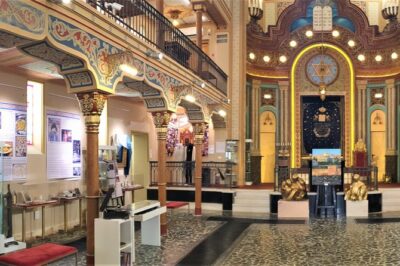
- Jewish heritage landmarks: sites like the White Stork Synagogue are included to broaden the story
- Siege of 1945 context: you learn why so much of Wroclaw looks the way it does today
- Clear, question-friendly guiding: guides are praised for being communicative and responsive
In This Review
- Why Wroclaw’s WWII Story Works So Well in 2 Hours
- Start at Hotel Monopol and Get Your Bearings
- Old Town to the Postwar City: How the 1945 Siege Still Shows Up
- Wolności Square: A Public Place That Helps You Read the City
- The Former Gestapo Building: When a Landmark Becomes a Warning
- White Stork Synagogue and Jewish Heritage Without Turning It Into a Side Note
- Dietrich Benchoffer Memorial: Remembering Through Names and Places
- University Church and Ossolineum Garden: Reading Faith and Scholarship After Ruin
- Sand Island and Cathedral Island: Why the End Point Feels Like Closure
- Price and Walking: Is This Good Value?
- What the Best Guides Do Here (And What You Should Look For)
- Who Should Book This Tour
- Should You Book the Wroclaw Third Reich and World War Two Historical Tour?
- FAQ
- Where does the tour start?
- Where is the tour guide located at the start?
- How long is the tour?
- Where does the tour end?
- What language is the tour offered in?
- Is the tour suitable if it rains?
- Is the tour wheelchair accessible?
- How many people are required for the tour to operate?
Why Wroclaw’s WWII Story Works So Well in 2 Hours
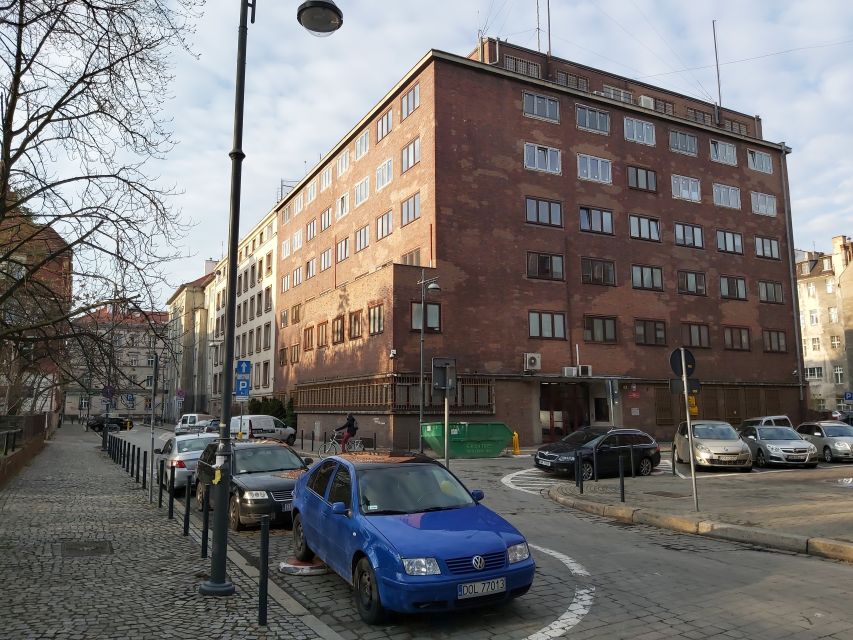
Wroclaw (in Lower Silesia) gives you something many WWII tours struggle to deliver: a real sense of how a city was shaped by conflict, not just by museum displays. Here, you walk past landmarks tied to the period when the city belonged to Germany until the end of WWII, and you can see how the city’s fabric changed afterward.
What makes this tour especially useful is its structure. You start with context, then move stop to stop through major landmarks, finishing on Cathedral Island. That rhythm matters because WWII history can feel overwhelming fast. With a guide, you get a guided framework you can carry with you after the tour.
If you like history you can point to, this is a strong fit. You won’t just hear dates; you’ll walk to places such as the former Gestapo building, Wolności Square, and Jewish heritage sites like the White Stork Synagogue.
Start at Hotel Monopol and Get Your Bearings
Your tour begins at the main entrance of Hotel Monopol, with your guide holding a sign that says World War Two Tour. The meeting point is practical because it puts you right into the Old Town area where most of your key stops are located.
From the start, the guide sets expectations in a way that helps you follow along without needing to know local history beforehand. You’ll get an intro to Wroclaw’s WWII-era role under German rule, plus the idea that the city you see now is partly the result of what happened during the siege between February and May 1945.
Two things I’d watch for as you start:
- Wear shoes you can walk in comfortably, because the tour is active and covers multiple areas on foot.
- Bring a mindset for interpretation: some stops may look different from what you imagine WWII should look like, because destruction changed the city drastically.
You can also read our reviews of more tours and experiences in Wroclaw.
Old Town to the Postwar City: How the 1945 Siege Still Shows Up
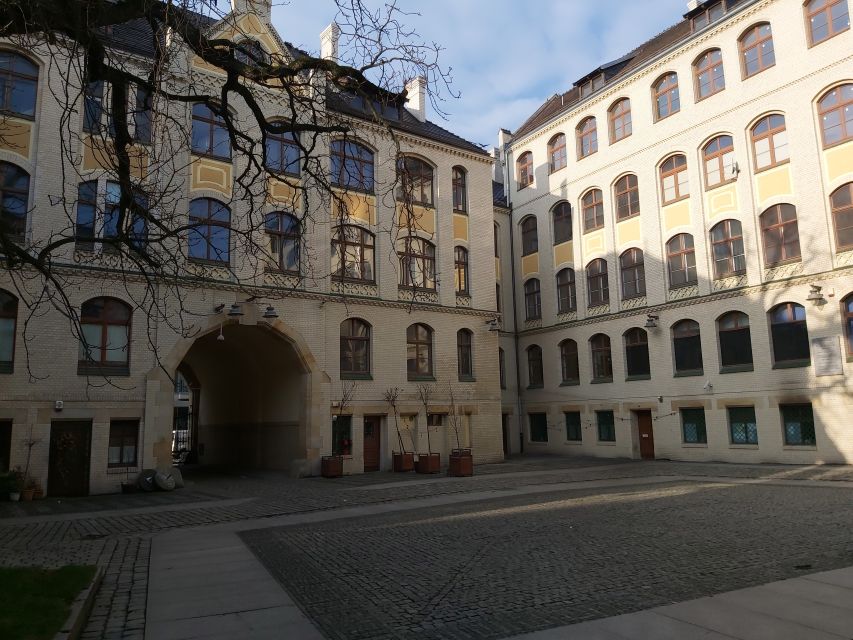
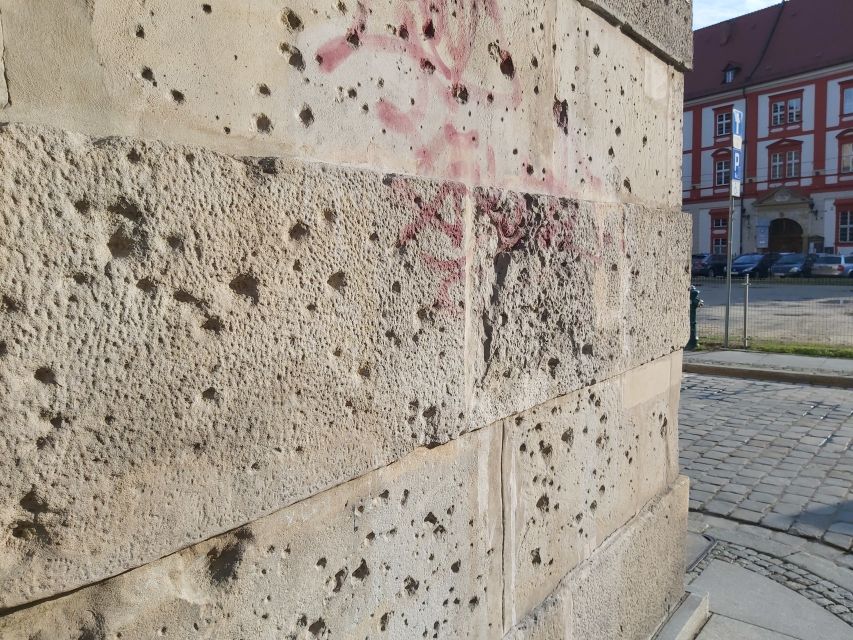
A core part of this tour is understanding why Wroclaw looks the way it does today. During the siege between February and May 1945, most of the city’s buildings were damaged or destroyed, and what you see now includes partially rebuilt infrastructure.
That detail is more than trivia. It explains why some places won’t feel like a perfectly preserved war scene. Instead of expecting intact streets or unchanged facades, you’ll learn to read the city as a layered result: older layouts, new rebuilding, and historical memory carried through landmarks that survived or were rebuilt with meaning.
You’ll also get a practical historical lens as you move through the tour. The guide uses the landmarks you’re standing next to to show the shift from wartime life under German rule to the changes that came with the end of the war.
Wolności Square: A Public Place That Helps You Read the City
Wolności Square is one of the stops that helps you understand how history plays out in everyday space. Squares like this matter because they’re where people intersected—before and during crises—and because public places often carry layers of political and social change.
On this tour, the guide uses the square to tie back to the German rule period and the broader wartime atmosphere. Even if the square itself isn’t “gory” in appearance, the storytelling makes it functional for your understanding of how daily life could still be shaped by power and fear.
As you stand there, you’ll get the benefit of a guided pace. Without a guide, it’s easy to see a square and move on. Here, you’re learning what to look for mentally: how a public setting can reflect larger forces.
The Former Gestapo Building: When a Landmark Becomes a Warning
One of the standout historical sites on the route is the former Gestapo building. This is the kind of stop where the location does half the work for you. You’re not just hearing about repression in the abstract—you’re seeing a building tied to that machinery.
The tour’s value here is tone and framing. You get guided context about what the city endured and why WWII history in Wroclaw cannot be separated from stories of persecution. The guide also connects this site to the larger wartime narrative you learned at the beginning.
It’s a heavy stop, and it can hit harder when you’re moving quickly through a city. I’d treat this as your moment to slow down mentally. If you’re sensitive to dark historical topics, this is the one you’ll feel most.
White Stork Synagogue and Jewish Heritage Without Turning It Into a Side Note
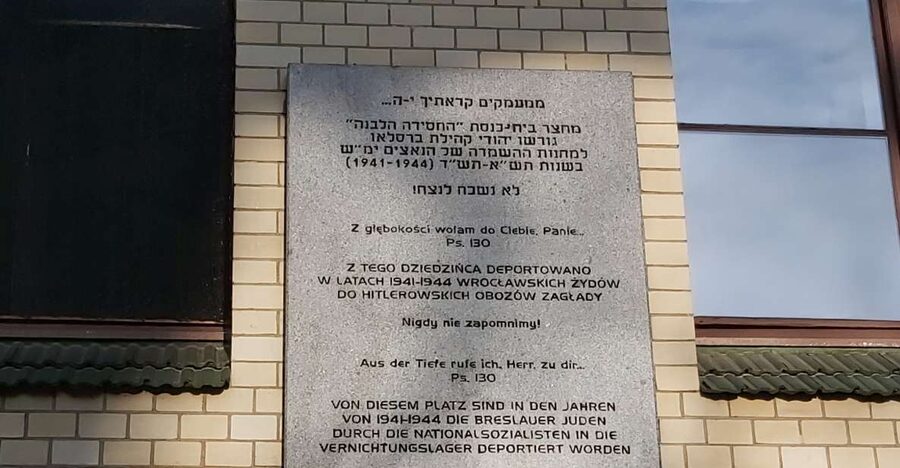
The tour includes Jewish heritage through landmarks such as the White Stork Synagogue. This matters because it keeps the story balanced. WWII in this region isn’t only about battles and politics; it’s also about communities, identity, and what the Holocaust meant in a real place.
Your guide’s job here is to connect the building and the neighborhood to the lived experiences of local Jewish heritage and the Holocaust period. That’s valuable because it prevents history from becoming a list of institutions. You start seeing people and community life behind the dates.
As you move on, the tour also shows you how the wartime story reshapes the postwar city. When you reach later stops, you’re not starting from scratch; you’re carrying the idea that rebuilding and memory are intertwined.
Dietrich Benchoffer Memorial: Remembering Through Names and Places
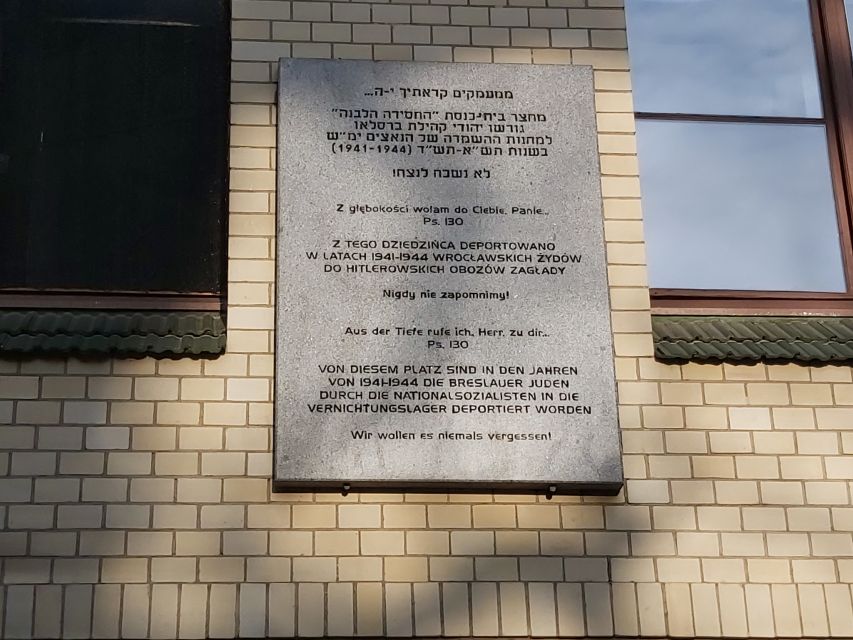
The Dietrich Benchoffer Memorial is another key stop. Memorials can sometimes feel like they’re one step removed from the story, but on this tour they’re used to anchor meaning in specific names and locations.
This is where you learn that WWII history involved not only victims, but also people who opposed or confronted oppressive systems. The guide uses the site to support the overall theme of how life was impacted during German rule and how the city remembers the past afterward.
If you care about moral choices under pressure, this stop is a good fit. It shifts you from what happened to broader questions about resistance and consequence, without turning the topic into a simplified hero narrative.
University Church and Ossolineum Garden: Reading Faith and Scholarship After Ruin
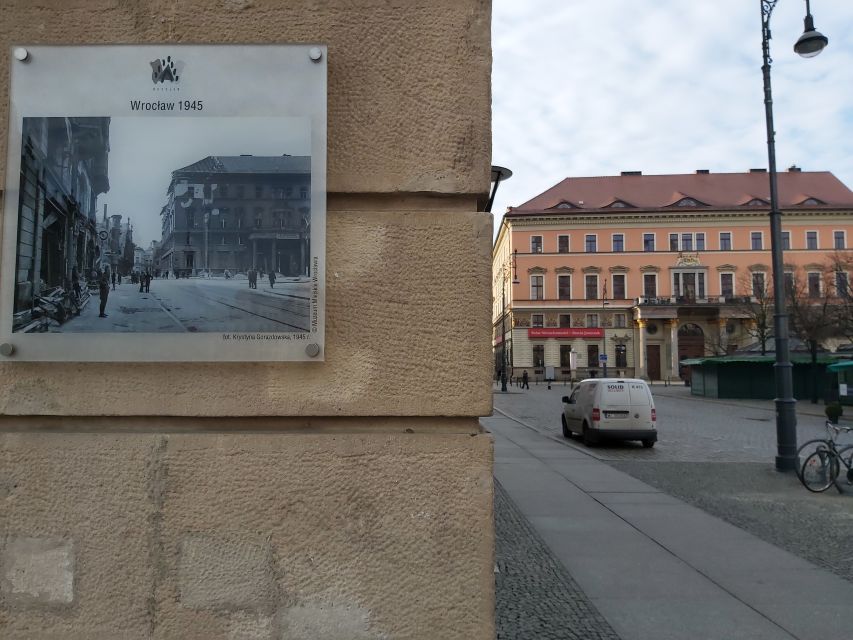
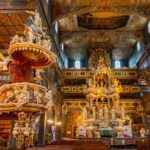
Two stops that broaden the picture are the University Church and the Ossolineum Garden. Together, they help you understand that Wroclaw’s wartime identity wasn’t only political. There were institutions shaped by belief and learning too, and they mattered to people living there.
Even if the buildings you see today don’t look the way they did in 1945, the tour uses these landmarks to explain continuity and change. You’re learning how a city tries to keep its intellectual and cultural footprint even when war breaks everything around it.
This section also helps balance the heavier content. After the Gestapo building and Holocaust-linked heritage stops, you need a reset that still feels historically grounded. These landmarks give you that, while keeping the wartime-to-postwar connection present.
Sand Island and Cathedral Island: Why the End Point Feels Like Closure
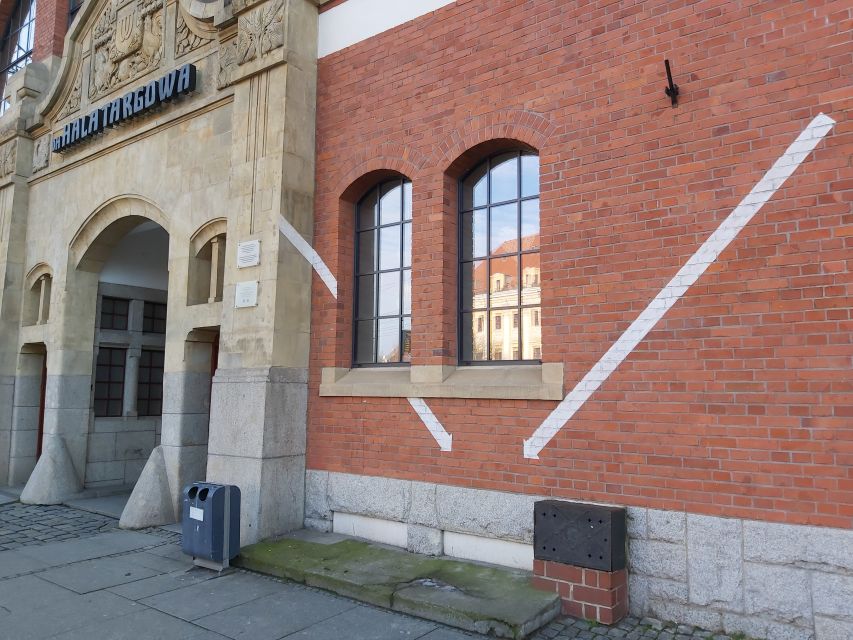
The tour finishes at Cathedral Island. Ending here isn’t random. Island areas like this often create natural “bookends” for a walking route, and they give you a visual sense of place when your brain is full of history.
You’ll also get context for how Wroclaw transformed after the end of the war. The city’s partially rebuilt infrastructure isn’t just an abstract idea by the time you reach these stops; you’ve been carrying it through your walk. By the end, the city’s shape and the landmarks you’ve visited start to feel connected rather than separate.
Sand Island is included as part of that broader finish. If you want a moment to absorb everything, this is where it happens. The tour ends, but the mental map sticks.
Price and Walking: Is This Good Value?
The price is $31 per person for a 2-hour guided tour. That’s a fair value for a licensed guide covering multiple major landmarks, including the former Gestapo building and Holocaust-linked sites.
Here’s how I’d judge the value in practical terms:
- You’re paying for a guided narrative that explains why the city’s current look is tied to wartime destruction and rebuilding.
- You’re not just ticking sites; the tour’s structure connects German rule, the siege of 1945, and postwar transformation.
- The included stops are spread out across important areas, which is convenient if you’d otherwise have to research each place alone.
The main “trade-off” is physical. There’s a fair bit of walking, and while the guide gives people time to absorb information, you should still plan for it. If you’re limited on mobility, consider how the route fits your stamina.
What the Best Guides Do Here (And What You Should Look For)
This tour’s success depends heavily on the guide. The most praised guides for this experience are described as very prepared and communicative, with a strong ability to answer questions. Some guides also share suggestions for further reading, which is a smart add-on if you want to keep learning after the walk.
If you get a guide like Michal or Mihael, you’ll likely feel that the explanations are clear and that the guide can handle follow-ups without brushing you off. Even if the exact guide varies, that emphasis on Q&A and preparation is something you can use as your expectation.
Also, you might run into weather that affects how enjoyable the walk is. The tour runs rain or shine, so if snow or slippery conditions happen, bring footwear that can handle it.
Who Should Book This Tour
You’ll enjoy this tour most if you:
- want WWII history explained through specific places rather than broad lectures
- like walking routes that end in a meaningful location (Cathedral Island)
- are interested in Jewish heritage landmarks and the Holocaust as part of the same city story
- prefer a guide who can explain and answer questions during the walk
It’s also a good choice for history-minded travelers who are short on time. At two hours, you get a curated route through major landmarks without turning your day into an all-day research project.
If you’re expecting large amounts of untouched WWII-era material, readjust your expectations. Since the siege damaged or destroyed much of the city’s built environment, the experience is about understanding and interpreting what remains and what was rebuilt.
Should You Book the Wroclaw Third Reich and World War Two Historical Tour?
If you want a tight, practical introduction to Wroclaw’s WWII story—Germany’s rule period, the siege of 1945, and how the city transformed afterward—this tour is worth your time. The route hits key landmarks like the former Gestapo building and the White Stork Synagogue, and it uses a guided explanation to make the city make sense.
I’d book it if you’re comfortable with walking and you want a structured experience with a licensed guide. I’d think twice only if heavy topics like persecution and the Holocaust are very difficult for you to process, or if you’re looking for a mostly “visual” WWII sightseeing trip where you can admire intact original wartime architecture.
FAQ
Where does the tour start?
The tour meets outside the main entrance of Hotel Monopol.
Where is the tour guide located at the start?
Your guide meets you outside the main entrance of Hotel Monopol holding a sign that says World War Two Tour.
How long is the tour?
The tour lasts 2 hours.
Where does the tour end?
The tour finishes at Cathedral Island in Wrocław, Poland.
What language is the tour offered in?
The tour is offered in English.
Is the tour suitable if it rains?
Yes. The tour takes place rain or shine.
Is the tour wheelchair accessible?
Yes, it is wheelchair accessible.
How many people are required for the tour to operate?
The tour requires at least 4 participants to operate.