REVIEW · BUCHAREST
Bucharest: 3-Hour Dark History Tour with a Local
Book on GetYourGuide →Operated by Asociația Coolturală Nouă ne pasă! · Bookable on GetYourGuide
Dark stories hit different when you walk them. This 3-hour tour links Bucharest’s cemeteries to the 1989 Revolution and the communist years, with stop-by-stop context that makes the city’s tragedies feel concrete, not vague. I also like that you hear about the interwar city in the street-level way locals remember it, including stories tied to well-known figures from the period.
What I like most is the balance: Bellu Cemetery is the emotional anchor, and the guide keeps the pace moving so you don’t just get gloom—you get understanding. Second, the logistics are painless: you’re moving by metro between key points, with metro tickets included, so you’re not stuck plotting routes while the stories fly. One caution: this is a lot of walking, and the subject matter is truly dark (plus the tour isn’t for kids under 16).
In This Review
- Key highlights you should care about
- Starting at Ion Luca Caragiale National Theatre: where the stories begin
- The cemetery street with six sites: Bucharest’s layered memorial map
- Bellu Cemetery: national monument, plus love stories and darker mysteries
- University Square: where the Revolution of 1989 left marks
- Little Paris Bucharest: interwar glamour, sex trade, and what’s left
- The Vampire of Bucharest: a serial killer story rooted in fear
- Revolution Square: prisons, labour camps, torture, and the Securitate
- Walking pace, metro tickets, and what to wear for 3 hours
- Is €/$55 worth it? What you’re really buying in 3 hours
- Who should book this Bucharest Dark History Tour (and who shouldn’t)
- Should you book this Dark History Tour of Bucharest?
- FAQ
- How long is the Bucharest Dark History Tour with a Local?
- How much does the tour cost?
- Where is the meeting point?
- Is it suitable for children?
- What is included in the price?
- What should I bring?
- What language is the tour in?
- Can I cancel and get a refund?
Key highlights you should care about
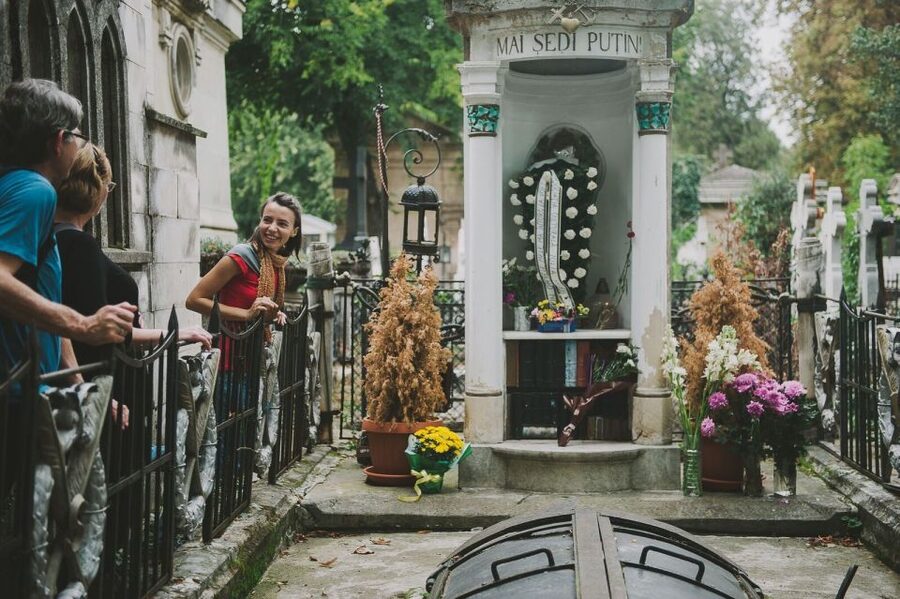
- Bellu Cemetery on the itinerary: a national historical monument with architectural monuments and real human stories.
- A cemetery street with multiple sites: you’ll connect different communities and historical layers in a short area.
- University Square and Revolution Square: key geography for the 1989 Revolution and the aftermath.
- Interwar Bucharest’s Little Paris era: including the sex trade and traces of older brothel life.
- The Vampire of Bucharest case: a serial killer story tied to the city’s early-1970s fear.
- Small group energy (max 12): easier Q&A, and guides can point out details like street art, bullet holes, and local flora.
Starting at Ion Luca Caragiale National Theatre: where the stories begin
You meet at the main entrance of the Ion Luca Caragiale National Theatre, on Bulevardul Nicolae Bălcescu 2. That matters more than it sounds. It puts you near the center so the tour can stitch together multiple historical zones without turning your afternoon into a transit nightmare.
Before you head in, do one practical thing: wear comfortable shoes. This is a walking tour with metro segments, and even the “short” 3 hours adds up once you factor in lines, entering cemeteries, and pausing for photos and questions. Also, if it’s cold, plan on feeling it. Several guests mentioned winter chill catching them off guard while they were listening and standing still at stops.
If you like guides who treat the city like a living classroom, you’re in good hands. Reviews repeatedly name guides such as Alex, Elena, Andra, Vlad, Irina, and others—each praised for turning street corners into timelines. You’ll also get guided metro rides, which is a big deal in a city where looking at your phone can feel like you’re missing the point.
You can also read our reviews of more tours and experiences in Bucharest.


The cemetery street with six sites: Bucharest’s layered memorial map
One early highlight is the start point conceptually, even if it’s not a single monument. You’re taken to a street area that holds at least six cemeteries close together—so you can see how Bucharest remembers different groups and different eras in the same neighborhood fabric.
From there, the tour connects several specific sites, including:
- The Cemetery of the Victims of the Revolution in 1989
- The Jewish Cemetery
- The Cemetery of the Russian Soldiers
- The older, famous Bellu Cemetery (which you visit together later)
This is one of those “only in cities with long memory” setups. You start to notice how Bucharest’s grief and history don’t sit in separate boxes. They overlap in real space, which makes the Revolution and communist repression feel less like distant headlines and more like something that happened to people who lived, worked, prayed, and died right here.
Even if cemeteries aren’t usually your thing, I found this format helps. Instead of treating Bellu as an isolated attraction, the tour uses the wider cemetery cluster to show context—different communities, different losses, and different languages of mourning.
Bellu Cemetery: national monument, plus love stories and darker mysteries
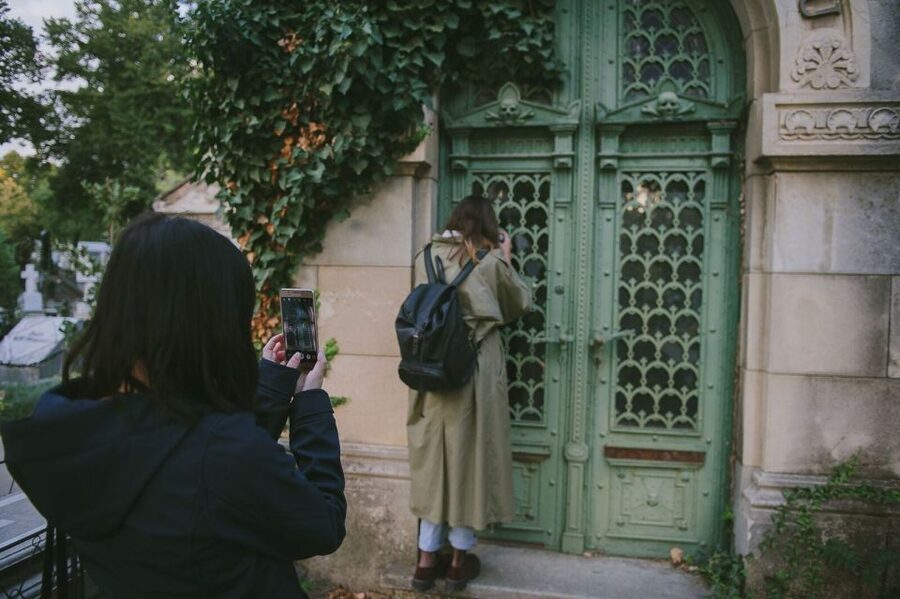
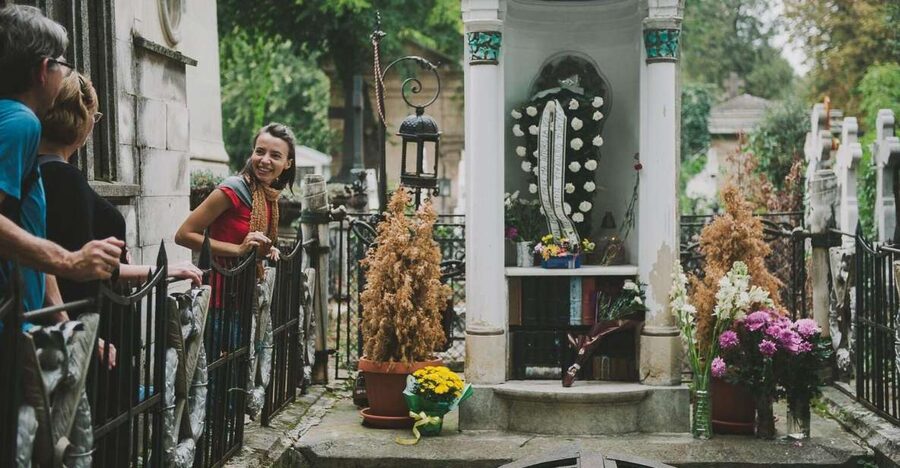
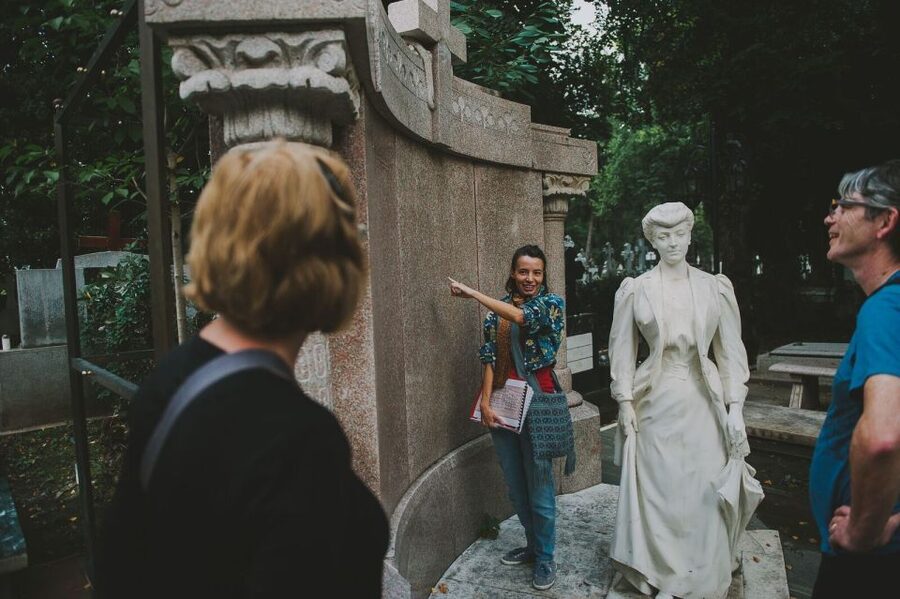
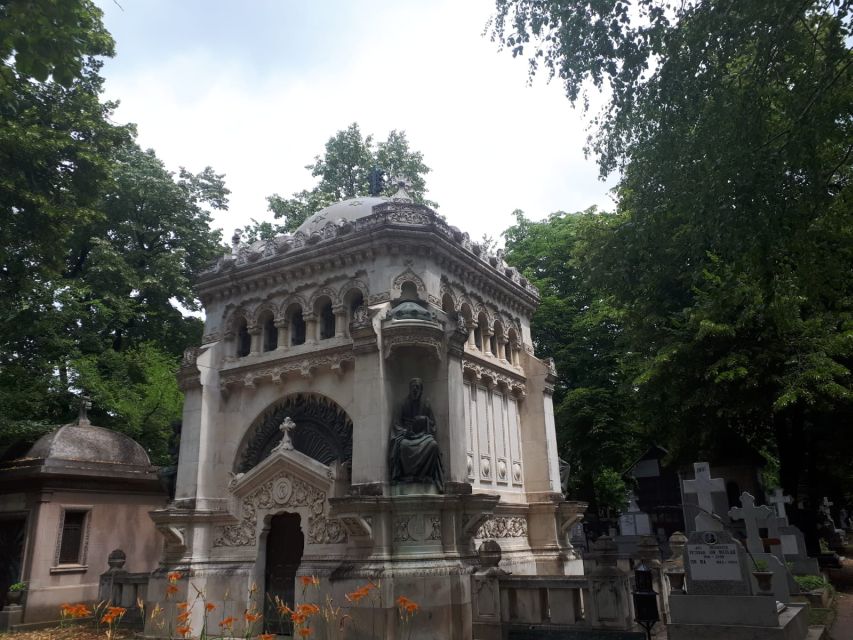
Bellu Cemetery is the emotional center, and it’s also a visual feast. It’s described as a national historical monument, packed with funerary architectural “jewels”—meaning you’ll see ornate monuments, sculptural detail, and strong design choices that feel more like galleries than burial rows.
Here’s the key thing: the tour doesn’t just point. It explains. You get stories that range from sad love tales to “synister mysteries” in the sense that the cemetery keeps secrets in plain sight. That mix is what makes it hit. You’re not only learning the facts of names and dates—you’re learning how Bucharest tells stories through stone.
You’ll also slow down in a way most big-group cemetery visits don’t allow. Reviews mention guides spending time describing the crypts and monuments, with Elena and Vlad singled out for thoughtful storytelling about famous and beautiful elements. And if you’re the kind of person who pays attention to what locals do, you’ll likely love the small animal moments here. Multiple reviews mention guides caring for cats and cemetery dogs, sometimes with feeding or treats. That can turn a heavy stop into something gently human.
Two practical notes:
- Bring your patience for walking inside a cemetery. You’ll likely pause often.
- Expect a respectful atmosphere. This is where your guide’s tone matters.
University Square: where the Revolution of 1989 left marks
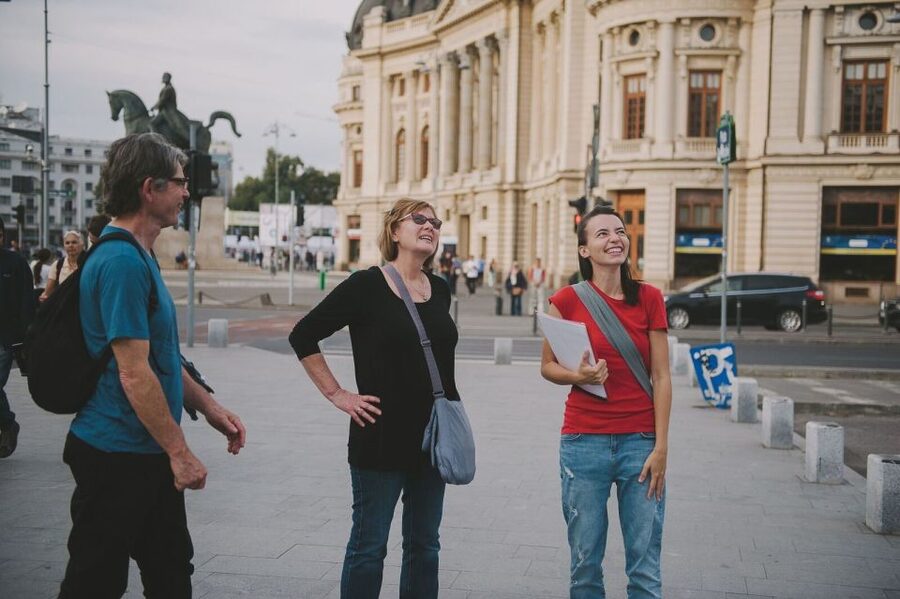
After the cemetery cluster, the tour moves to University Square, one of Bucharest’s major crossroads for modern political history. This stop is where the Revolution stops being a theory and becomes geography. You learn how the square played a key role in the 1989 Revolution and later in the anti-communist student protests in the 90s.
The tour’s focus here is not just what happened, but why this spot matters. University Square is the kind of place where crowds, movement, and visibility change everything. That’s what your guide will emphasize: how public space becomes a stage—sometimes for change, and sometimes for violence.
If you want to understand Romania beyond the postcard version, this is a strong “turn the key” moment. You’ll connect the personal scale of cemeteries to the public scale of a square where thousands can be affected quickly.
And yes, the topic is heavy. You’ll hear about events described as drenched in blood, which is the tour’s whole point. If you’re hoping for spooky but light, this isn’t that. If you want the real context, this part lands.
Little Paris Bucharest: interwar glamour, sex trade, and what’s left
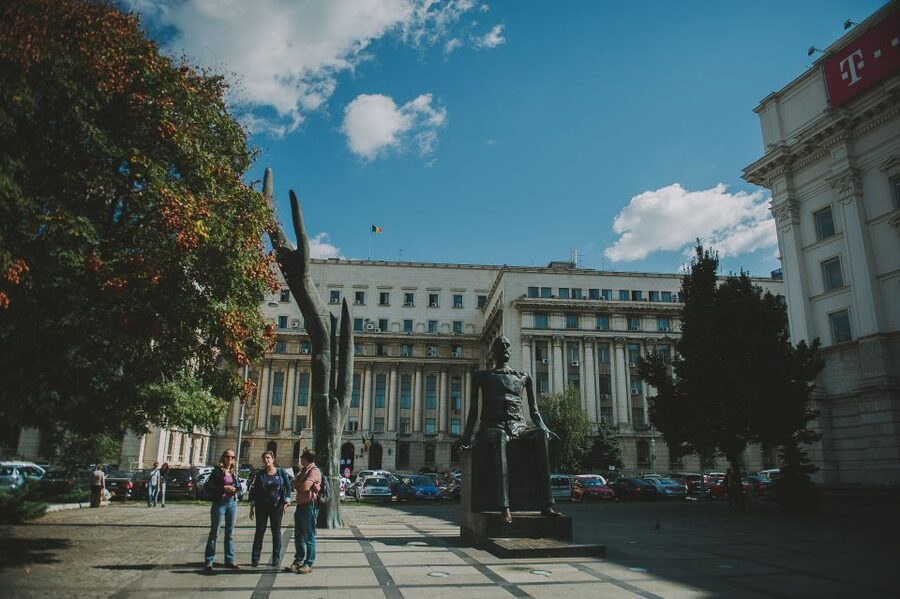
Next comes the interwar era—often described with the nickname Little Paris—when Bucharest felt more polished and cosmopolitan. This section focuses on the sex trade in interwar Bucharest, including stories of famous prostitutes and a glimpse of what remains from an older brothel.
This is the moment where your guide’s framing matters. You’re not watching sensationalism for entertainment. You’re learning how a city can look sophisticated on the surface while running on harsher systems underneath. The contrast is the lesson.
You may also see the “how it feels now” side of history. Even when physical traces are limited, the tour helps you read the neighborhood differently—like you start noticing why certain streets and buildings became part of the city’s adult economy in the first place.
Two considerations before you go:
- If you dislike mature topics, this stop may feel uncomfortable even when handled with care.
- If you love social history, this is one of the most memorable segments because it connects culture to the real workings of daily life.



The Vampire of Bucharest: a serial killer story rooted in fear
The tour then shifts to a darker criminal chapter: a serial killer nicknamed the Vampire of Bucharest, who terrorized the city in the early 1970s. This is the kind of story that gets attention because of the nickname, but the tour’s value is how it places the case into a bigger understanding of the time—how fear spreads, how authorities responded, and how urban tension can shape public memory.
I like this part because it keeps you from treating history as a single timeline. Instead, you see different kinds of trauma moving through the city at different speeds: political violence in public squares, social violence tied to exploitation, and personal violence expressed as serial terror.
Your guide should also connect the storytelling style to the place itself. Reviews praise guides for picking out small details around stops—street art and even bullet holes were mentioned by one guest in the context of what the guide pointed out during the walk. That kind of attention makes the Vampire-of-Bucharest segment feel less like a standalone “true crime” clip and more like part of the city’s weather.
Revolution Square: prisons, labour camps, torture, and the Securitate
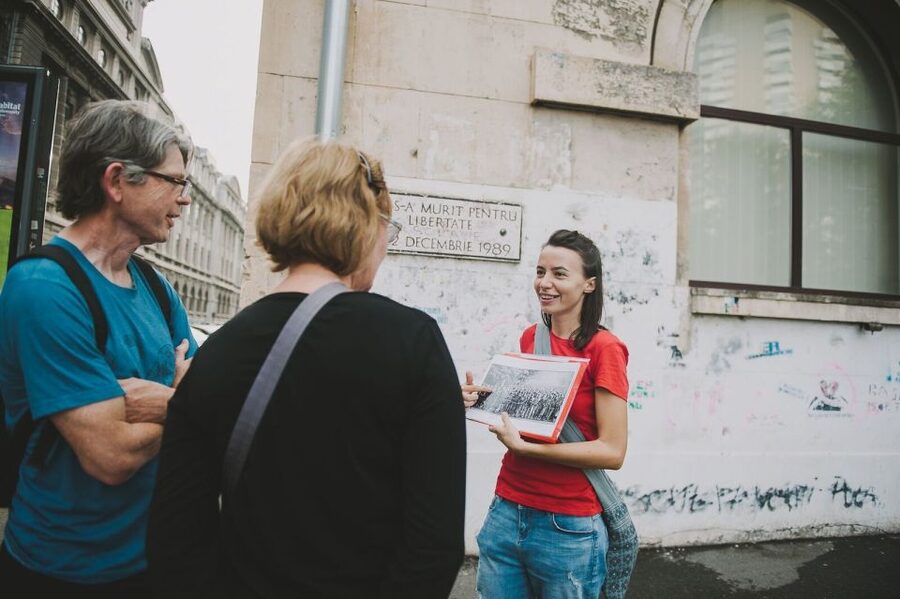
The final major stop is Revolution Square, where the 1989 Revolution is described as starting in Bucharest. This is the point where the tour brings together the earlier stops’ context—cemeteries, public space, and repression—and ties them to the communist regime’s machinery of fear.
You’ll hear about:
- Prisons and labour camps
- Torture methods used to silence critics
- Ceaușescu’s dictatorship
- The Securitate, described as Romania’s own KGB
I’ll be blunt: the subject matter here can feel crushing. That’s exactly why it’s important. If you only see the happy parts of travel—cafés, views, photos—you miss why a place is the way it is today. The tour makes sure you understand how daily life got squeezed when power had tools like surveillance and brutal punishment.
This section is also where the guide’s tone and structure really matters. Reviews often praise guides for presenting stories clearly, with humor in the right moments, and with room for questions. That helps you stay oriented even when the content is grim.
Walking pace, metro tickets, and what to wear for 3 hours
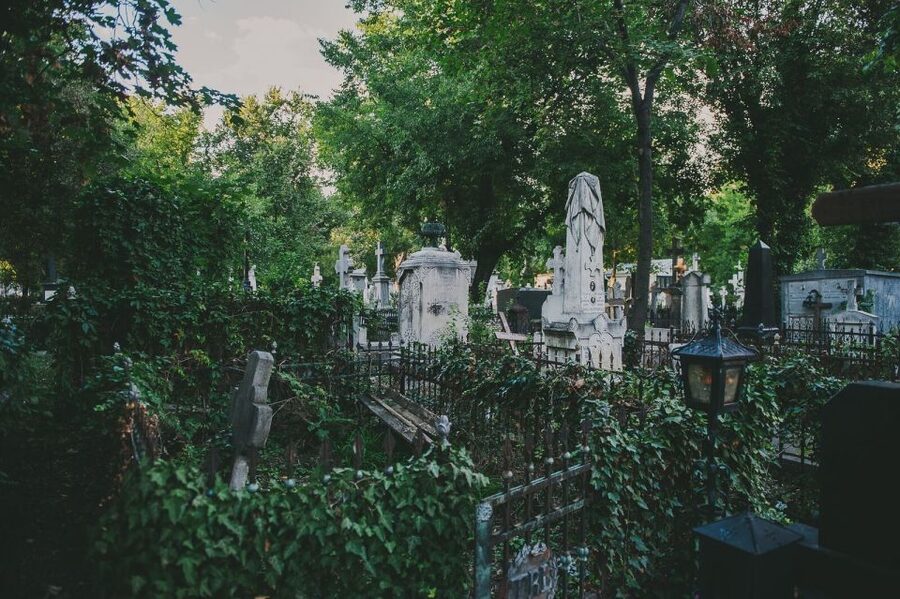
The duration is 3 hours, and the pace reflects that. It’s not a “sit on a bench and learn” tour. You’re walking a fair amount, then using the metro between stops.
Two concrete things you’ll feel during the tour:
- Comfort becomes part of the experience. A lot of guests specifically recommended wrapping up warm in winter, not because the tour is miserable, but because you’re standing around at historical points while listening.
- You’ll want to save energy for listening. Since metro tickets are included, you don’t have to manage payments mid-story. That’s one less mental load.
Included in the tour is a traditional street snack and metro tickets, which helps keep energy steady without turning the tour into a food hunt. That snack is small, but it’s a nice touch when you’re moving nonstop through emotional sites.
Is €/$55 worth it? What you’re really buying in 3 hours
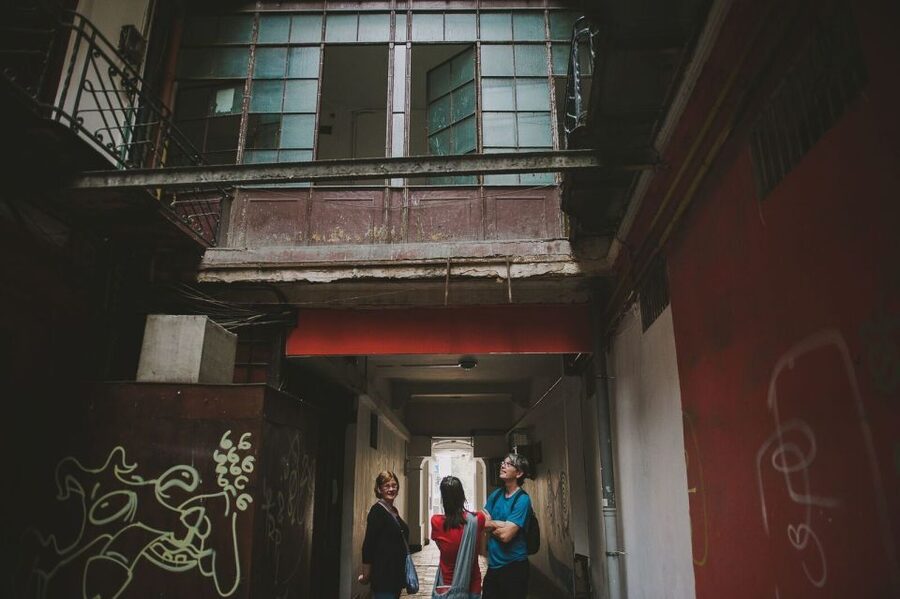
At $55 per person, you’re paying for access to places most visitors either skip or rush. You’re also paying for interpretation—how a guide connects cemeteries, squares, and political history into a single, readable storyline.
Here’s what makes it feel like value rather than just a “theme tour”:
- Bellu Cemetery is the real draw, and it’s not a quick photo stop. You get architectural context and stories.
- You’re using the metro with tickets included, which cuts cost and hassle.
- A live English-speaking guide handles the flow, including transitions between locations that would otherwise take planning.
- The group is kept small (maximum group size of 12), which tends to make questions easier and the visit feel less like a lecture line.
Also, the guide-led style seems to matter. Reviews highlight guides like Alex and Vlad for adding personal anecdotes, photos, and attention to small details like street features. One guest even mentioned getting extra research materials via WhatsApp after the tour. You may not always get that exact follow-up, but it signals that this isn’t just script reading.
What isn’t included is also part of the value equation. Additional food and drinks are on you, plus any shopping. If you budget a little for that, you’re set.
Who should book this Bucharest Dark History Tour (and who shouldn’t)
This tour is built for adults and older teens, since it’s not permitted for travelers under 16. It also isn’t for you if you want a light, casual stroll with minimal emotional weight.
Book it if you:
- Like history that feels real, not polished
- Want to understand Romania’s Revolution era and communist repression through places you can actually stand in
- Enjoy a guide who tells stories with clear structure and answers questions
- Don’t mind hearing uncomfortable truths about interwar society and criminal terror
Avoid it if you:
- Get strongly affected by themes like torture, repression, or violent deaths
- Want only mainstream sights and minimal walking
Should you book this Dark History Tour of Bucharest?
If you care about context, I think you should book. This tour does something many “specialty” tours struggle with: it connects the grim past to the physical city layout in a way that makes your later self-guided exploring smarter. You’ll come away with a map in your head, not just a list of stops.
My final advice is simple: dress for walking and cold, bring your curiosity, and be ready for heavier topics. If Bellu Cemetery and the Revolution squares are part of your trip wish list, this is one of the better ways to understand why those places matter.
If you’re still unsure, ask yourself this: do you want Bucharest explained through beauty and denial, or through beauty and truth? This tour picks truth.
FAQ
How long is the Bucharest Dark History Tour with a Local?
It lasts 3 hours.
How much does the tour cost?
The price is $55 per person.
Where is the meeting point?
Meet at the main entrance of Ion Luca Caragiale National Theatre, Bulevardul Nicolae Bălcescu 2, București 010051, Romania.
Is it suitable for children?
No. Travelers under 16 years of age are not permitted on this tour.
What is included in the price?
You get a local English-speaking guide, a traditional street snack, and metro tickets.
What should I bring?
Wear comfortable shoes and expect to walk.
What language is the tour in?
The tour runs in English with a live guide.
Can I cancel and get a refund?
Yes. You can cancel up to 24 hours in advance for a full refund.