REVIEW · ZARAGOZA
Zaragoza: Historical Tour of the Old District with a Guide
Book on GetYourGuide →Operated by Rutica 41 Spain · Bookable on GetYourGuide
Zaragoza pulls you in fast. In a 2.5-hour walk, you get a clear thread through Roman Zaragoza and the city’s famous Catholic landmarks, all with a local guide keeping the story straight.
I especially like how the tour pairs major sights with practical context, so the places don’t feel like random stops. I also like the small group format (up to 10 people), which makes it easier to ask questions in real time. The main drawback to consider is that it’s a walking tour, so you’ll want genuinely comfortable shoes and a pace that works for you.
In This Review
- Key highlights worth showing up for
- Four Cities in One Walk: How Zaragoza’s Layers Show Up on Your Feet
- Roman Theater Steps and Cesaraugusto Museum Tickets
- La Seo Catedral: The Crowning Place and the Museum of Tapestries
- The Basilica of Our Lady of El Pilar: Devotion at the Center
- Roman Walls and the Central Market: Where Zaragoza Feels Like Zaragoza
- Guides, Languages, and Why Small Groups Change the Feel
- Price and Value: What You Get for $112 per Person
- Practical Tips So the Walk Feels Easy
- Who This Tour Fits Best (and Who Might Rethink It)
- Should You Book It?
- FAQ
- How long is the Zaragoza historical old district walking tour?
- What sights are included on the tour?
- Are entry tickets included?
- What languages is the live guide available in?
- Where do I meet the guide?
- Is the tour wheelchair accessible?
Key highlights worth showing up for
- Roman Theater first: You start where the city began, then build forward in time.
- Museum entries included: Tickets cover the Cesaraugusto Museum and Zaragoza Seo Catedral.
- La Seo Cathedral + tapestry museum: A major stop tied to Aragon’s royal history.
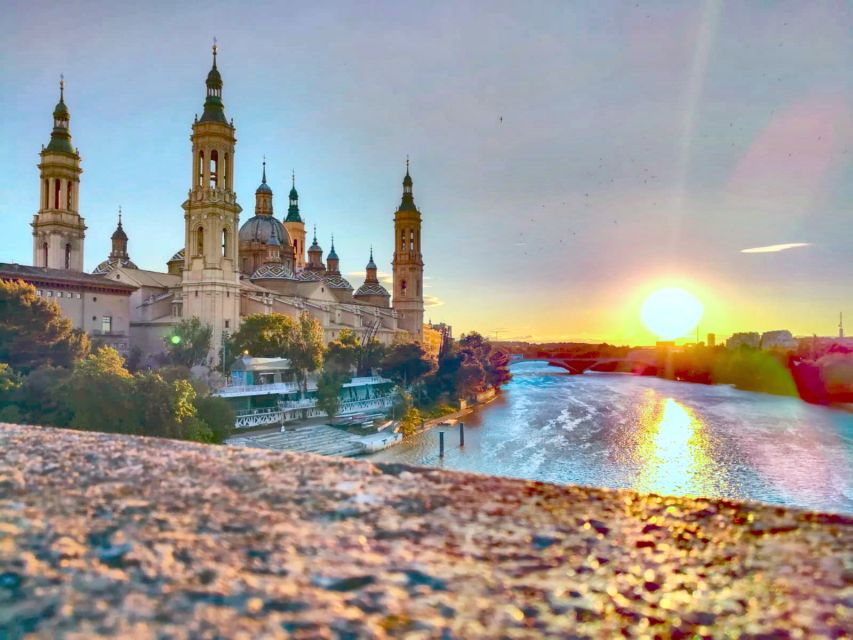
- Basilica of Our Lady of El Pilar: One of the largest Catholic cathedrals in the world, focused on devotion to the Virgen del Pilar.
- Roman walls and the central market: You end with Zaragoza’s everyday life and food culture.
Four Cities in One Walk: How Zaragoza’s Layers Show Up on Your Feet
Zaragoza has a talent for making time feel physical. In one compact route, you move from Roman streets and structures to medieval faith and royal tradition, and then into the modern city rhythms around it. That mix is exactly what makes this tour appealing: you don’t just look at landmarks, you understand how different eras learned to share the same space.
You’ll also get the framing of a 2000-year-old city with multiple cultural influences. The guide’s job is to connect the dots as you walk, so each stop answers a bigger question: what mattered here, who ruled, what people believed, and how everyday life evolved.
The walking route is also part of the value. If you only visit the big churches on your own, you tend to miss the in-between details that explain why these monuments are where they are. A guide helps you get your bearings fast and keep your attention on what’s meaningful rather than what’s simply photogenic.
You can also read our reviews of more tours and experiences in Zaragoza.

Roman Theater Steps and Cesaraugusto Museum Tickets
The tour begins at the Roman theater area, and that’s a smart choice. Starting with the city’s earliest visible “anchor” helps you understand later landmarks in a new way, because you can picture what the old city would have been like before the cathedrals took over the skyline.
From here, you’re set up for the Roman story you can only truly get from on-the-ground context. The Roman theater is not just a cool structure to look at—it’s a clue about public life, performances, gathering places, and how Romans organized their cities. Once you know that, the rest of the walk feels more logical.
Tickets are included for the Cesaraugusto Museum, which matters because it turns the Roman segment from “see and move on” into “see and understand.” Museums can feel like a time tax, but here they support the opening chapter, so you’re not just collecting photos—you’re collecting meaning.
If you’re traveling with limited time, this is a big advantage. A guided Roman start plus included entry reduces the planning friction that usually eats up a short visit.
La Seo Catedral: The Crowning Place and the Museum of Tapestries
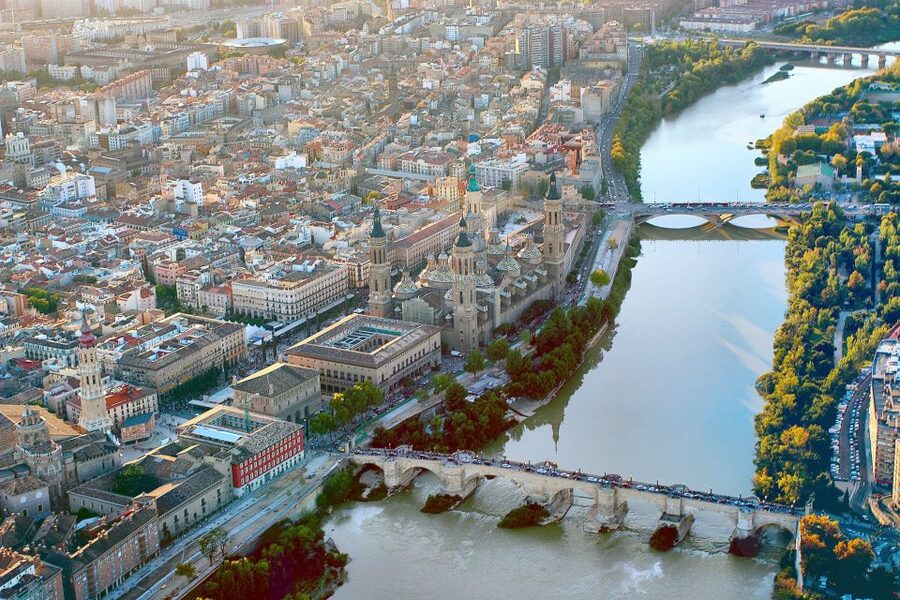
La Seo (the Cathedral of Zaragoza) is one of the tour’s headline stops, and for good reason. This is where the story of faith turns into a story about power, because the kings of Aragon came to be crowned here. That detail changes how you read the space; it’s not only spiritual architecture, it’s a ceremonial stage with history attached.
A second highlight at La Seo is the museum element focused on tapestries. The inclusion is a practical win: you get to connect a visual art form to the cultural and religious world that produced it. If you care even a little about how art reflects politics and belief, you’ll probably find this part more satisfying than a quick exterior-only stop.
What I like about this stop is that it’s paired with interpretation. Instead of treating it as a checklist cathedral, the guide helps you understand why this cathedral complex mattered, and how it sits in Zaragoza’s broader timeline. Even if you’re not a church-history person, the coronation angle gives you something concrete to anchor to.
One consideration: cathedrals and museums can compress your attention span, especially in warm weather. If you’re prone to rushing, slow yourself down here. Take a few minutes to actually look, not just walk. The best value comes when you let the guide’s points guide where you focus your eyes.
The Basilica of Our Lady of El Pilar: Devotion at the Center
After La Seo, the tour shifts to the Basilica of Our Lady of El Pilar, and it’s a powerful pivot. The basilica is described as one of the largest Catholic cathedrals in the world, and the tour’s focus is not on grand scale alone—it’s on the devotion to the Virgen del Pilar.
That emphasis matters. Cathedrals can become visual monuments in your mind, but devotion is the living reason people keep returning. The guide’s explanation helps you understand why this place holds such importance in Zaragoza’s identity, and why it remains a focal point for visitors and locals alike.
This stop is also a good example of how the tour balances “big sight” with “human meaning.” You get the majesty of the architecture, yes, but you also get the story of what people came here to honor and why that tradition has staying power.
If you’re traveling as a family or with mixed interests, this is a strong moment too. Even people who aren’t into religious history often respond to the energy of a major pilgrimage-style site and the clarity of a guide-led explanation.
Roman Walls and the Central Market: Where Zaragoza Feels Like Zaragoza
Ending with the Roman walls and the central market gives you a nice contrast. After two cathedral-heavy segments, walking the walls brings you back to the city’s structure—defense, boundaries, and how Romans shaped movement through space. It’s a quieter kind of spectacle, but the pay-off is real: you start thinking about the city as an organism, not just a set of attractions.
Then you shift into everyday culture at the market. Zaragoza’s gastronomy is part of the tour, but in a smart way: instead of trying to force a meal into the schedule, the guide provides a list of gastronomic recommendations. This is useful because it helps you eat in a way that matches your remaining time, budget, and cravings.
From the guide-side perspective, this is where local knowledge earns its keep. You’re not just collecting general travel advice; you’re getting direction anchored to what’s around you, tied to what the city does well. If you like pastries and regional drinks, keep an eye out for the guide’s suggestions—food comes up again and again in the experiences shared about this tour.
A practical note: markets can be lively, and your priorities might shift once you see what’s available. If you’re hungry, plan to arrive with at least a light appetite. If you’re not, keep the recommendations in your pocket. They’ll still help you later when you’re deciding where to eat.
Guides, Languages, and Why Small Groups Change the Feel
This is a small-group tour with a maximum of 10 participants. That number isn’t trivia; it changes everything about the vibe. You get room to ask questions, and the guide can keep the pace from turning into a race through major sights.
Language options are listed as English, Spanish, and German. That matters when you’re trying to learn context quickly. You’ll be able to follow the story without feeling like you’re translating in your head, and you’re more likely to get answers that actually help you understand what you’re seeing.
The guides involved can be names you might recognize from past visits: Marta and Jorge are both associated with this experience. The pattern you should expect is clear, organized explanations and a friendly approach—exactly what you want when you’re walking and learning at the same time.
One more small but meaningful advantage: a guide who’s comfortable with Q&A tends to make the tour better even after the last stop. When you’re given thoughtful suggestions for food and what to do next, your remaining hours in Zaragoza won’t feel like a guess.
Price and Value: What You Get for $112 per Person
At $112 per person for 2.5 hours, the price looks midrange at first glance. Here’s why it can still feel fair: you’re paying for a guided narrative plus entry tickets that would cost money and time if you booked separately.
Included are entry tickets to:
- the Cesaraugusto Museum
- Zaragoza Seo Catedral
You also receive a list of gastronomic recommendations, which may not sound like an “included ticket,” but it can save you from dining mistakes. Food recommendations are often where a tour’s value shows up most clearly—especially when you only have a day or two in a city.
The small group size also supports the value. A larger group tour can be cheaper, but it often turns the experience into a line-walk. With up to 10 people, you’re more likely to get better interaction and a smoother flow.
One consideration on value: if you love Roman sites or royal/cathedral history, you’ll likely feel the cost more justified. If you’re only after quick photos, you might feel like you’re paying for interpretation more than you want. In that case, decide if you’d rather spend your time on unstructured wandering.
Practical Tips So the Walk Feels Easy
This is a walking tour, so your main prep is simple: comfortable shoes. Zaragoza’s historic areas can mean uneven streets and lots of short pauses for explanations, so cushioned footwear matters.
Plan for about half a day’s attention, not just half a day’s time. Even at 2.5 hours, you’re stacking Roman context, two major cathedral experiences, and an end segment that shifts into markets and gastronomy. If you schedule this early in your day, you’ll benefit most, because the guide’s suggestions can shape your remaining plans.
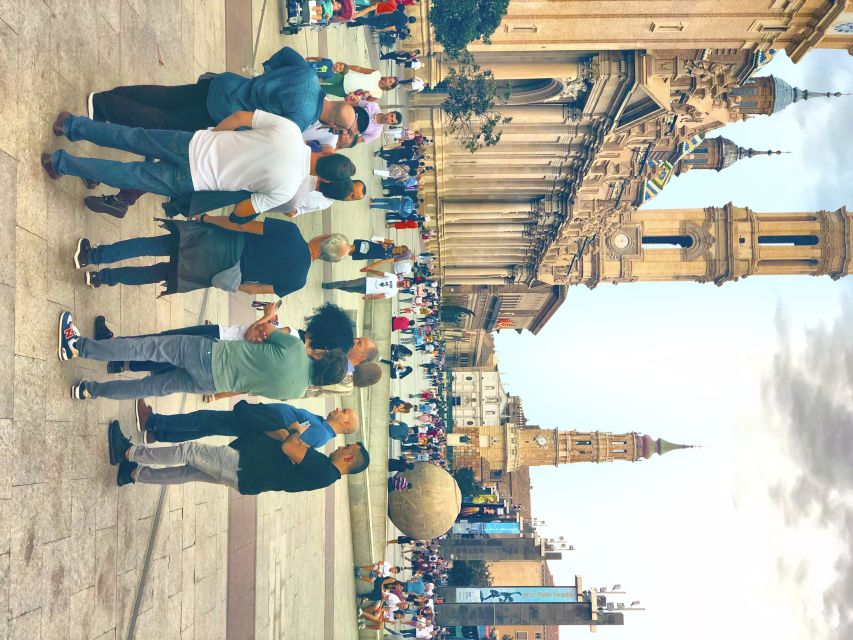
Meeting point is also straightforward: meet in front of the Spanish flag. The guide carries a bag with the title RUTICA 41, which makes it easier to spot them quickly when you arrive.
Who This Tour Fits Best (and Who Might Rethink It)
I think this tour fits you best if you want a guided storyline through Zaragoza’s old district. If you like understanding why places are important—not only what they look like—this format is built for you.
It’s also a good pick if you’re visiting Zaragoza for a short time. A guided route that includes tickets and food guidance helps you use your limited hours efficiently, without spending your day on planning.
If you’re traveling with a strong preference for free time (shopping, long breaks, museum-go-as-you-please), you might find the structured stops slightly limiting. Still, even then, the tour can work as a “first map” for the city, giving you a base you can build on afterward.
Wheelchair accessibility is listed, so if mobility is part of your decision, this is worth considering. You’ll still want to think about walking comfort and the pace in historic streets, but it’s not presented as a rough-only experience.
Should You Book It?
Yes, I’d book it if your priority is learning Zaragoza in a compact time window. The combination of Roman theater context, La Seo with the tapestry museum, and El Pilar with devotion-focused explanation is a strong trio. Add in included museum tickets and practical food recommendations, and the $112 price starts to feel like a package, not a gamble.
I’d hesitate if you mostly want quick viewpoints with minimal guidance. In that case, the tour’s strength—interpretation—might feel like extra work rather than added value.
If you do book, show up with comfortable shoes, ask questions during the walk, and treat the gastronomy recommendations as your next step. Zaragoza gets easier after you understand its timeline, and this tour is designed to get you there fast.
FAQ
How long is the Zaragoza historical old district walking tour?
It lasts 2.5 hours.
What sights are included on the tour?
You’ll visit the Roman theater area, the Cathedral of Zaragoza (La Seo) and its museum of tapestries, the Basilica of Our Lady of El Pilar, and you’ll also see the Roman walls and the central market.
Are entry tickets included?
Yes. Entry tickets are included for the Cesaraugaugusto Museum and for Zaragoza Seo Catedral.
What languages is the live guide available in?
The live guide offers tours in English, Spanish, and German.
Where do I meet the guide?
Meet in front of the Spanish flag. The guide carries a bag labeled RUTICA 41.
Is the tour wheelchair accessible?
Yes, the tour is listed as wheelchair accessible.