REVIEW · DENVER
Snowshoe Through History Tour from Denver
Book on Viator →Operated by Yeti Set Go · Bookable on Viator
Snowshoeing beats sitting on a bus staring at snow. This Denver outing mixes a guided winter workout with Colorado history and folklore you can actually hear and remember while you hike. You’ll follow a marked route with an instructor leading the way, so you’re not left playing snow detective.
I like that this is designed for fit beginners. You get instruction on how to use snowshoes properly, plus gear and a plan that keeps the effort steady instead of punishing. I also like the small-group feel and the fact that the pace is adjustable, so you can enjoy the scenery without feeling rushed.
One thing to consider: this is still a real hike in winter. You’ll reach 8,764 feet and cover 4.7 miles, with some steeper moments, so you should be comfortable with a moderate level of physical effort and cold-weather conditions.
In This Review
- Key Things I’d Highlight Before You Go
- What You’re Really Doing on This 8,764-Foot Snowshoe Through Colorado
- Getting There: Pickup from Denver, Golden, Boulder, Plus the Wynkoop Start
- Gear and Footing: What’s Provided (and Why It Changes the Day)
- The Route and Effort: 4.7 Miles, 365 Feet, and a Real Sense of Pace
- Colorado History and Folklore: How the Stories Land on Snow
- The Small Private Group Difference (and Why You’ll Notice It Fast)
- Snacks and Cold-Weather Reality: What to Pack for Comfort
- Where the Time Goes: 6 Hours Without Feeling Rushed
- Price and Value: Is $379 Worth It?
- Weather, Safety, and the “Good Day” Requirement
- Who This Tour Fits Best (and Who Might Want a Different Plan)
- Should You Book This Denver Snowshoe Through History Tour?
- FAQ
- Where is the tour meeting point?
- What time does the tour start?
- How long is the snowshoeing portion and the full tour?
- How far will we hike and what’s the elevation like?
- Is this tour beginner-friendly?
- Is pickup provided from areas outside downtown Denver?
- What gear and food are included?
- What if the weather is bad?
Key Things I’d Highlight Before You Go
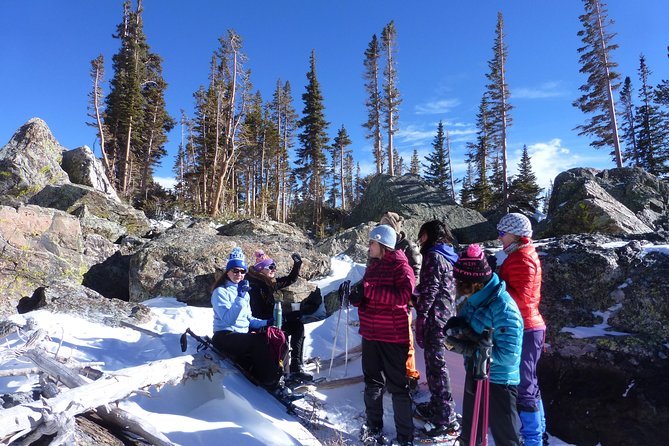
- Gear is handled for you, including winter traction devices and poles if needed
- A beginner-focused instruction style means you learn snowshoe basics on the move
- Small private groups so your guide can adjust pacing and attention to your needs
- Route stats are clear: 4.7 miles and about 365 feet of up-and-down elevation change
- Colorado history and folklore are part of the trail experience, not an afterthought
- Round-trip convenience with pickup from Downtown Denver, Golden, and Boulder areas
What You’re Really Doing on This 8,764-Foot Snowshoe Through Colorado
This tour is built around one main idea: get outside, get moving, and learn something while you do it. You’re out for about 6 hours total, but the active snowshoeing portion is roughly 3–4 hours on a guided loop that covers 4.7 miles.
The elevation is the first thing to clock. You’ll top out at 8,764 feet, which is high enough that you should plan for a steadier pace, but the tour description notes oxygen should remain plentiful in this setting. Practically, that means you don’t need to fear altitude like you would on big mountain passes—still, you’ll feel the cold and the effort more than your lungs.
Then there’s the terrain. The average grade is 3% with some intermittent steeper sections, topping out around 11%. Translation: you’ll hike uphill and downhill, but it’s not constant wall-climbing. It’s more like rolling work on a snow-covered mountain path—good for people who want a workout without turning the day into a grind.
Finally, the history piece matters because it shapes how you experience the walk. Instead of just “look at the mountains,” your guide shares Colorado history and folklore as you go. That keeps your attention in the right place, and it makes the miles feel shorter.
You can also read our reviews of more tours and experiences in Denver.


Getting There: Pickup from Denver, Golden, Boulder, Plus the Wynkoop Start
Your day starts with pickup and transportation, which is a big deal in winter. The tour includes transportation from Downtown Denver, Golden, and Boulder locations, and it’s described as private transportation rather than a seat on a big public bus.
Your official meeting point is at Ultreia, 1701 Wynkoop St #125, Denver, CO 80202, with a start time of 8:00 am. You’ll also end back at the meeting point, which is convenient if you want to grab lunch or continue your trip the same day without extra planning.
Timing matters here. An 8:00 am start gives you a better shot at daylight and calmer morning conditions. Also, snowshoeing days are one of those things where being late can ruin the whole flow—so the morning departure helps everyone get gear checked, get briefed, and get moving while the group still has energy.
Gear and Footing: What’s Provided (and Why It Changes the Day)
The tour includes snow gear so you’re not stuck hunting down rentals the week you arrive. You’ll get snowshoes and poles as part of the setup, plus winter traction devices for boots or snowshoes if needed.
That “traction if needed” detail is more important than it sounds. In winter snow, not all footing is the same—some days are firm and easy, others are crusty, slushy, or slick in spots. Having traction devices available means you’re more likely to feel stable rather than battling your feet every few minutes.
You’ll also get instruction on how to snowshoe. This tour explicitly positions itself for fit beginners, and the guide’s job includes showing you the proper snowshoe technique so you don’t overwork your legs or hike with weird, inefficient steps. Even if you’ve never worn snowshoes before, the goal here is to make the basics click early.
What you should expect: you’ll still do the work, but the gear and coaching remove most of the guesswork. And when you’re warmer and more stable, the hike feels longer in a good way—more “I could keep going,” less “Why did I do this?”
The Route and Effort: 4.7 Miles, 365 Feet, and a Real Sense of Pace
Here’s the hike math you actually care about. You’ll travel 4.7 miles total, with a net up and down elevation gain of 365 feet. The average grade is 3%, and the maximum grade is 11%.
That means the day is mostly gentle-to-moderate effort, with occasional steeper stretches. You’re not doing a long, punishing climb. You’re working in sections, and you can use that to your advantage: go easy on the early uphill, stay smooth on the flatter moments, and save energy for those brief steeper portions.
The tour also emphasizes pacing: you go at your own pace because the group stays small and your guide leads you. That’s huge for comfort. In a small group, you can take a breather without feeling like you’ve fallen behind the pack.
Also, because the route is guided, you don’t need to worry about getting lost. The guide leads, so you’re focusing on breathing, footing, and the stories you’re hearing—not on maps or landmarks.
Moderate fitness is the right bar here. If you can handle a brisk walk and don’t mind cold weather, you’re in the right neighborhood. If stairs wipe you out at home, you might want to rethink.
Colorado History and Folklore: How the Stories Land on Snow
What makes this tour more than just a workout is the way the guide connects the hike to Colorado. As you snowshoe through the winter scenery, your professional guide shares Colorado’s history and local folklore.
You should expect the stories to be spoken in real time, not delivered like a lecture. That’s why it works well: you’re moving through the setting as you learn about it, so the landscape cues line up with the narration.
This is also why the guided route is valuable. A good guide doesn’t just point things out—they shape your attention. When someone ties a view, a trail feature, or a winter scene to history, you start noticing small details you would normally ignore.
There’s also a wildlife angle. The tour description notes you might get lucky and see some wildlife. In a winter hike, animal sightings depend on weather and conditions, so I wouldn’t count on it. Still, knowing your guide is scanning while you hike can make the day feel a touch more alive.
The Small Private Group Difference (and Why You’ll Notice It Fast)
The experience is private with small group size. That changes everything about how the day feels.
First, you’ll get more personalized attention. If your stride needs adjusting because of snow depth or your comfort level, a small group means your guide can correct you without rushing to keep up with a crowd.
Second, it’s easier to maintain a steady pace. When a tour is big, the group moves like a unit. Here, your guide can help you keep it comfortable—especially helpful for first-time snowshoers.
Third, you’re more likely to have a conversation. In the past on this exact tour format, guides like Wendy and Alex have been praised for giving clear info before the hike and keeping the day engaging. That matters because snowshoeing is easier when you understand what to do and why you’re doing it.
Snacks and Cold-Weather Reality: What to Pack for Comfort
Light snacks are included, but the tour suggests bringing extra if you prefer. That’s a smart approach. On a cold morning, your appetite can be weirdly low at first. Then, later, you’ll suddenly want something warm and salty.
I recommend packing a bit more than you think you need: a small snack you like, plus water. The tour provides light snacks, but your body may still want that extra fuel on a 3–4 hour hike.
Clothing is another key point. The tour says you’ll receive an email with suggested clothing and what to bring. Follow that guidance closely. In winter, what saves your day isn’t fashion—it’s layering and staying dry. If you overheat, you’ll sweat; if you sweat, you chill later.
Bring layers you can adjust. Think warm base, a mid layer, and an outer layer that handles snow and wind. Also, consider your gloves and hat situation carefully. If your hands get cold, everything feels harder.
Where the Time Goes: 6 Hours Without Feeling Rushed
The tour is about 6 hours total, and that’s useful to know because winter days can feel long before you’re even on the trail.
Here’s the rhythm you can expect:
- Pickup and transit from your area
- A gear setup and instruction moment before you start
- The main snowshoe hike portion (about 3–4 hours)
- Time to wrap up and return to the meeting point
The day doesn’t sound like it’s built for constant hurry. It’s more like a planned flow: get you equipped, teach you basics, then let you settle into a steady hike while the guide adds stories along the way.
If you like structured activities but still want to enjoy the outdoors at your pace, this timing tends to feel right.
Price and Value: Is $379 Worth It?
At $379 per person, this isn’t a budget add-on. But it’s also not just “snowshoeing, pay and go.” The value case here is the combination of:
- Included gear (snowshoes, poles, and traction devices if needed)
- Beginner instruction on how to snowshoe properly
- Private small group attention, not a big herd
- Transportation included from Downtown Denver plus the Golden and Boulder areas
- A full 6-hour experience that mixes active time with guided Colorado stories
If you’ve tried to piece together snowshoe rentals, transportation, and a guide, you know how quickly the cost adds up—especially when you’re traveling in winter and trying to avoid last-minute problems. Here, the logistics are handled so you can show up and hike.
So the question becomes: do you value convenience and coaching enough to pay for it? If yes, this price is more reasonable. If you’re the type who loves figuring everything out yourself and already has gear, you may find cheaper options elsewhere—but you’d likely lose the private pacing and the guided history component.
Weather, Safety, and the “Good Day” Requirement
This tour requires good weather. That’s not a throwaway line; snowshoeing depends on conditions for safe footing and a hike you can actually enjoy.
If poor weather cancels the experience, you’ll be offered a different date or a full refund. That’s the right approach for winter. Even if you’re flexible, you should still plan your schedule around the possibility that winter weather can change fast.
On safety, the key is to take the instruction seriously. Snowshoeing feels natural to some people quickly, but your comfort and stability matter. Use the technique your guide shows you, and don’t try to power through steeper sections like you’re chasing a PR.
Also, dress for the cold as if you’ll be outside longer than you think. Winter mornings can be deceptive.
Who This Tour Fits Best (and Who Might Want a Different Plan)
This is designed for fit beginners and people with reasonable fitness who want a guided winter hike. If you can walk briskly, handle winter clothing, and don’t mind a moderate climb and descent, you’ll likely enjoy it.
It’s also a good match if you want:
- A guided route (no navigation stress)
- Gear included
- A day that includes Colorado stories, not just scenery
- A smaller group where you can go at your own pace
If you’re dealing with major mobility limitations, severe balance issues, or you get wiped out by moderate hills, you may want to pick an easier outing. The route has a max grade of 11%, and winter footing can be unpredictable.
Should You Book This Denver Snowshoe Through History Tour?
I’d book this if you want the sweet spot: beginner-friendly coaching, winter fun, and Colorado history on a clearly measured route. The 4.7-mile distance, 365 feet of up-and-down, and small private group format are all signals that this is meant to be comfortable and learnable—not a survival test.
Skip it only if you’re short on time, don’t want to pay for private transportation and included gear, or you know you hate winter walking. Otherwise, it’s one of those Denver activities that turns a cold morning into a story you’ll still be telling when you’re back home.
FAQ
Where is the tour meeting point?
The tour meets at Ultreia, 1701 Wynkoop St #125, Denver, CO 80202, USA. The activity ends back at the same meeting point.
What time does the tour start?
The start time is 8:00 am.
How long is the snowshoeing portion and the full tour?
The full tour is about 6 hours. The snowshoeing hike is about 3–4 hours.
How far will we hike and what’s the elevation like?
You’ll hike 4.7 miles and reach a top elevation of 8,764 feet. The net up and down elevation gain is 365 feet with an average grade of 3% and a max grade of 11%.
Is this tour beginner-friendly?
Yes. It’s described as a good beginner level for people with reasonable fitness, with instruction on how to snowshoe properly.
Is pickup provided from areas outside downtown Denver?
Yes. Transportation is included from Downtown Denver, Golden, and Boulder locations.
What gear and food are included?
Gear is provided, including winter traction devices for boots or snowshoes and poles if needed. Light snacks are included.
What if the weather is bad?
The tour requires good weather. If it’s canceled due to poor weather, you’ll be offered a different date or a full refund.