REVIEW · MEMPHIS
2.5 Hours Essence of Memphis African American History Tour
Book on Viator →Operated by A Tour of Possibilities, LLC · Bookable on Viator
Memphis history rolls past your window. This private, 2.5-hour driving tour strings together major African American landmarks—especially the Lorraine Motel area—with narration that turns dates into real people.
I love how the guides lean into storytelling, and names like Devin, Queen, and Ms. Jackie show up again and again in the way they connect the dots.
One possible drawback: it’s largely a drive-by format, so you’ll see many powerful places from the street, but you won’t get inside museums on this tour.
I also like the focus and pacing. You’ll cover big stops like Beale Street and the Church of God in Christ without needing to plan separate tickets for each site, so the experience fits easily into a normal Memphis day. Drive-by narration means you can keep moving, but if you want deep museum time on-site, you’ll need to add that yourself afterward.
In This Review
- Key highlights worth planning around
- A 2.5-hour route that connects Memphis to the national story
- Meeting at the Tennessee Welcome Center and getting oriented fast
- Lorraine Motel and room 306: the moment the story turns
- Jacob Burkle’s home and the Underground Railroad stop-by-stop clarity
- Beale Street’s past and the reason it became a center of community
- The Church of God in Christ: MLK’s last speech in its final context
- The sanitation workers’ strategy and why Memphis mattered
- Price, value, and what you get for $88
- Private tour feel: comfortable, flexible, and family-friendly
- Smart planning: how to pair this tour with the rest of your Memphis day
- Should you book this Memphis African American history tour?
- FAQ
- How long is the Essence of Memphis African American History Tour?
- Where do we meet for the tour?
- Is this a private tour?
- Does the tour include museum stops or time inside sites?
- What’s included in the ticket price?
- Is food and drink included?
- What’s the cancellation refund policy if I change my plans?
Key highlights worth planning around
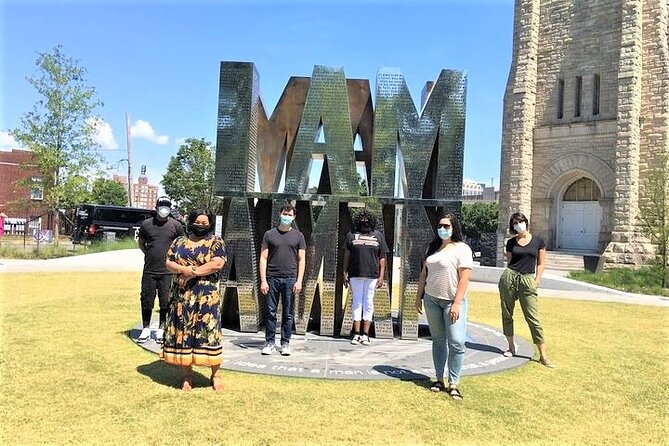
- Lorraine Motel, room 306: you’ll view the balcony connected to Dr. Martin Luther King Jr.’s assassination and the National Civil Rights Museum area
- Underground Railroad connection: Jacob Burkle’s former home is treated as more than a plaque, with clear context for why it mattered
- Beale Street explained: you’ll hear why the street once carried the name Negro Mainstreet USA and how that shaped local life
- Church of God in Christ world headquarters: you’ll connect MLK’s final speech, I’ve Been to the Mountaintop, to the final hours before his death
- Sanitation strike strategy: you’ll learn how Memphis sanitation workers planned the work stoppage that drew national attention
A 2.5-hour route that connects Memphis to the national story
This tour is built for people who want more than a quick “see the sights” pass. In about 2 hours 30 minutes, you get a linked storyline that starts with slavery-era movement and keeps threading forward to the civil rights work that changed the country. The driving format matters here. It keeps the rhythm moving, so you don’t lose half your day on transit between scattered landmarks.
I like that it feels intentional. Instead of bouncing randomly, the route homes in on places tied to specific turning points: the MLK site, the Underground Railroad story, and the institutions tied to organizing and strategy. That makes the experience easier to remember later when you’re looking at photos, or reading about Memphis again back home.
And because it’s a private setup for your group, you’re not stuck listening through other conversations. You can ask follow-up questions when something grabs you, especially when the topic gets heavy. In fact, multiple guides are praised for handling hard subjects with care, even when families bring kids.
Meeting at the Tennessee Welcome Center and getting oriented fast
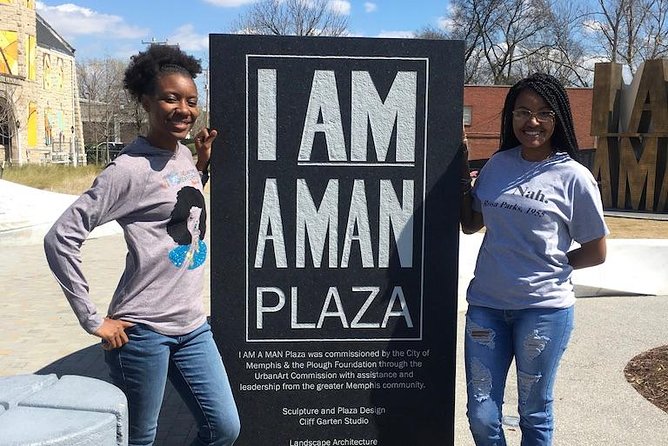
Your tour starts at the Tennessee Welcome Center on Riverside Drive. That’s a smart choice for first-timers. You’re not starting deep in downtown without context; you’re near a common orientation point, so the first stretch helps you understand where Memphis landmarks sit relative to each other.
From the start, expect a driving flow with narration that sets up what you’re seeing and why it matters. Dress is listed as smart casual, which I appreciate because it’s practical. You don’t have to dress up, but you also don’t need to wear “touring clothes” that you’ll regret after getting in and out of the car.
A small but important detail: there’s no hotel pickup or drop-off. Plan to meet at the Welcome Center on time. Since the tour ends back at the meeting point, you can also plan dinner nearby without stress.
Lorraine Motel and room 306: the moment the story turns
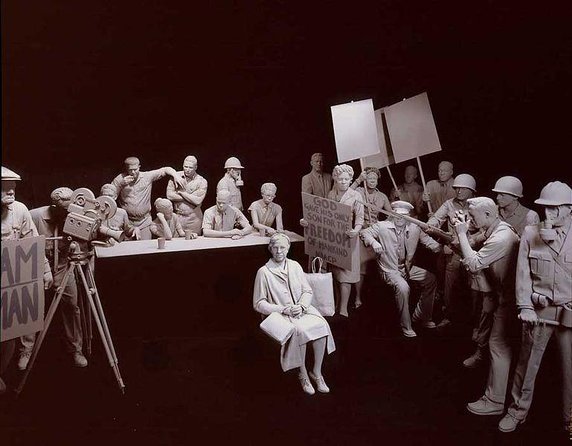
The emotional centerpiece is the Lorraine Motel area, specifically the balcony connected to room 306—where Dr. Martin Luther King Jr. was assassinated on April 4, 1968. Even if you’ve read about the event before, seeing the location from the vehicle helps your brain place the tragedy on a real street corner, not just a page.
What I found valuable here is the way the tour frames this stop. It’s not treated as a single dramatic moment and then “moving on.” Instead, it’s used as a hinge point: a way to understand what came before, what was happening in Memphis, and how the work continued afterward.
You also get the National Civil Rights Museum context from outside the immediate museum area. Since the tour doesn’t stop for museum entry, you’re not forced to spend your whole visit inside. But the driving narration gives you a reason to care about what the museum contains, so if you choose to go back later, you’ll know what questions to look for.
Consideration: because you’re viewing from the car, you won’t have the quiet, on-your-own time that people often want at a memorial site. If you’re the type who needs to sit with the place, plan extra time on a separate day to visit the museum at your own pace.
Jacob Burkle’s home and the Underground Railroad stop-by-stop clarity
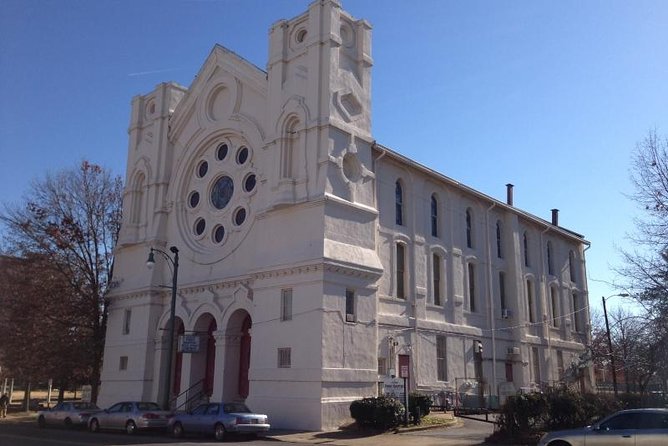
Another stop many people value is the Jacob Burkle home. The story centers on a German immigrant who chose to participate in the Underground Railroad, and the house is now a museum. This is one of those moments where the narration can make the Underground Railroad feel less like a vague national legend and more like something that happened through specific individuals and specific homes.
What makes it work on a driving tour is that you get the setup in a way that’s easy to follow: why people helped, how risk shaped choices, and what “participating” looked like in real neighborhoods. Even though you’re not going inside during the tour itself, the museum context matters. It gives you a destination if you want to see more than the street-level viewpoint later.
I also like that this stop adds balance. The tour doesn’t only focus on famous names tied to the civil rights headlines. It includes the broader network of people who supported escape routes and resistance—people acting within their own communities.
Drawback to note: since the tour does not stop for museum visits, you may want to build a follow-up stop if this Underground Railroad angle is the one you’re most excited about. That’s not a problem; it’s just a planning choice.
Beale Street’s past and the reason it became a center of community
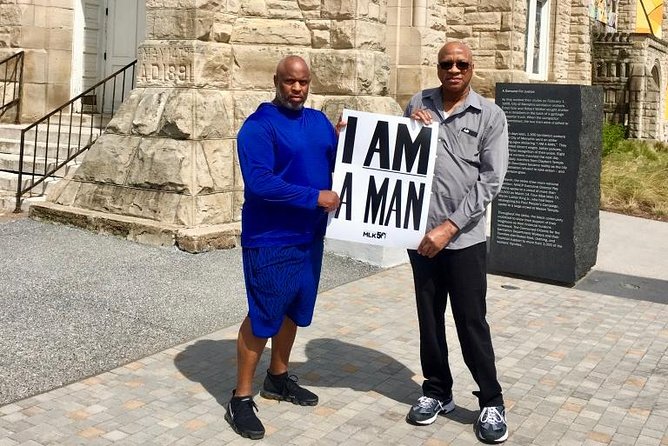
Beale Street is one of those places that can feel “well known” because you see it on maps, Instagram posts, and quick itineraries. This tour gives you the missing context: you’ll learn how it was once referred to as Negro Mainstreet USA and what that label meant for daily life, culture, and local pride.
I like the way this portion doesn’t treat Beale Street as a theme park. Instead, it connects the street’s significance to the broader picture of African American life and economic autonomy. That helps you see the area differently when you’re later walking the block on your own.
Because it’s a drive-by with narration, you won’t spend long blocks stopped on the curb. But you’ll still come away with enough history to make your later self-guided stroll more meaningful. If you plan to return to Beale Street after the tour, bring a little extra time so you can look around with new eyes.
Practical tip: Beale Street can be energetic later in the day. If your tour time is earlier, you’ll get the meaning first; later, the atmosphere will feel more layered. If your tour time is later, you may want to add a short follow-up walk the next day so the story and the street vibe both land.
The Church of God in Christ: MLK’s last speech in its final context
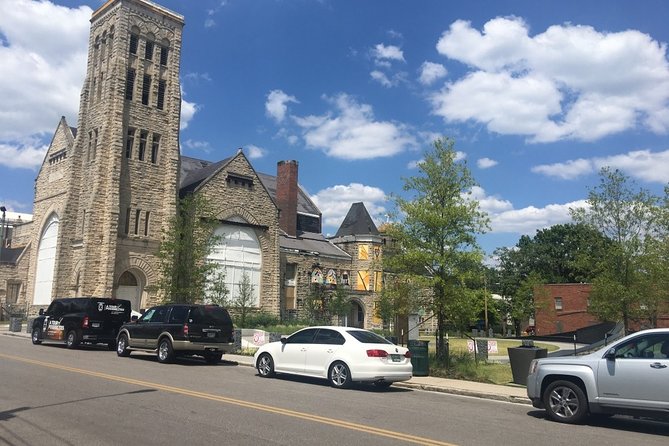
This tour also focuses on the Church of God in Christ, described as the world headquarters. The big takeaway is connecting the church to Dr. Martin Luther King Jr.’s final speech, I’ve Been to the Mountaintop, delivered less than 24 hours before his assassination.
This matters because it shifts the way you process the MLK story. You’re not only remembering the death. You’re also placing it right next to his message, his leadership, and his urgency in real time. Hearing that connection while passing the church area makes the timeline feel immediate rather than distant.
I’ve found that when tours handle this carefully, they do something important: they remind you that MLK’s presence in Memphis wasn’t random. It was tied to organizing, community strategy, and a specific local crisis that the national movement wanted to support.
The tour’s approach keeps things respectful and direct. You get a clear narrative without turning the place into a casual stop.
The sanitation workers’ strategy and why Memphis mattered
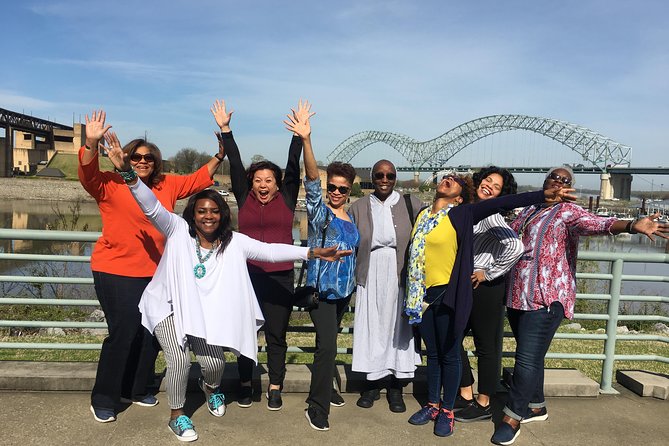
One of the most memorable parts for many people is how the tour talks about the sanitation workers. The story here is focused: sanitation workers gathered to strategize the strike that helped bring Dr. King to Memphis.
This stop is valuable because it shifts the center of gravity. It emphasizes labor, courage, and organization by people dealing with conditions right in their daily lives. That’s the kind of detail that helps you understand why Memphis became a focal point in the civil rights movement: it wasn’t just big names; it was community action building momentum.
If you’ve heard civil rights stories before, you might be tempted to treat this as another chapter. But the way this tour frames strategy makes it feel like a process. You get a sense of how planning and pressure created national attention, and how that attention could then translate into action.
Who this will resonate with: if you care about organizing and labor history, this part often lands harder than people expect. And because the tour is a drive-by, you’ll have energy left afterward to read more or visit on your own.
Price, value, and what you get for $88
At $88 per person, the value depends on what you want from Memphis. If you’re trying to cover multiple major landmarks in one go, this price starts to make sense quickly—especially because the tour is private for your group. You’re paying for guided interpretation, a set route that connects important sites, and a comfortable way to learn without arranging multiple ticketed stops.
The included taxes and fees help too, so you’re not doing math mid-booking. What’s not included is also important: there’s no food or drinks, and there’s no hotel pickup. Plan to eat before or after, and plan your meeting point transportation.
Also, remember: the tour does not stop for museum visits. That can be a win for time management, but it’s not ideal if your main goal is museum entry tickets. If you want museum time, treat this as the orientation layer, then add museum visits separately.
Private tour feel: comfortable, flexible, and family-friendly
This is listed as a private tour/activity, meaning only your group participates. That matters more than it sounds. It generally makes it easier for the guide to tailor pacing, answer questions, and keep the narrative clear, especially when the group includes different ages.
Guides on this route are praised for staying engaging across ages. One review specifically calls out that a guide handled heavy subjects with care even with kids along. That’s not something you should assume for every tour, so it’s worth noticing when you’re traveling with family or teens.
Most tours don’t manage emotion well. Here, the tone often lands as respectful, sometimes even contemplative. And yes, some guides are described as enthusiastic, with singing and storytelling. That mix can make difficult history easier to absorb without disrespecting it.
Smart planning: how to pair this tour with the rest of your Memphis day
Because the tour is drive-by with narration, you’ll want to “follow up” strategically. Here’s how to get the most value from your time:
- If the Lorraine Motel area is your top interest, plan extra time later for museum entry on your own schedule.
- If Underground Railroad history is a priority, treat the Jacob Burkle stop as a prompt to add museum time if you can.
- If Beale Street is the one you’ll walk after the tour, save a short window so you can enjoy the street vibe with the story now attached.
Also, since there’s no food included, I’d treat this like a short guided orientation session. Eat before you go, bring water if you’re the kind who likes it, and keep snacks for later. That way you can focus on listening instead of managing hunger.
Should you book this Memphis African American history tour?
I’d book it if you want a guided, organized route through major African American landmarks in Memphis—especially if you like learning the “why” behind the places, not just where they are. The stop selection is strong: Lorraine Motel room 306 context, the Underground Railroad connection through the Jacob Burkle home, Beale Street’s Negro Mainstreet USA story, and the Church of God in Christ connection to I’ve Been to the Mountaintop and the sanitation strike strategy.
I would hold off or pair it with extra museum time if you strongly prefer to go inside sites during your guided experience. Because it’s primarily drive-by narration, you won’t get long on-site museum walks as part of this specific tour.
If you want a private guide who can handle big emotions carefully and keep the story clear in a short timeframe, this is a very solid choice.
FAQ
How long is the Essence of Memphis African American History Tour?
The tour runs about 2 hours 30 minutes.
Where do we meet for the tour?
You’ll meet at the Tennessee Welcome Center, 119 Riverside Dr, Memphis, TN 38103. The tour ends back at the same meeting point.
Is this a private tour?
Yes. It’s private, so only your group participates.
Does the tour include museum stops or time inside sites?
No. It’s a drive-by sightseeing tour with narration. It does not stop for guests to visit museums, though you can visit museums later on your own.
What’s included in the ticket price?
The price includes all taxes, fees, and handling charges.
Is food and drink included?
No. Food and drinks are not included.
What’s the cancellation refund policy if I change my plans?
You can cancel for a full refund if you cancel at least 24 hours before the experience starts. If you cancel less than 24 hours before, you won’t receive a refund.