REVIEW · BUSAN
From Busan: Gyeongju UNESCO World Heritage Guided Day Tour
Book on GetYourGuide →Operated by KTOURSTORY · Bookable on GetYourGuide
Silla glory hits fast in Gyeongju. This Busan-to-Gyeongju day tour packs the key UNESCO-grade sights plus the best evening views around Woljeong Bridge and Donggung & Wolji. I like how the route is organized so you get story, context, and time to wander instead of just hopping from gate to gate.
I especially love two things: the temple and tomb stops are guided in a way that makes you understand what you’re looking at, and the guides consistently help with photos and timing so you’re not scrambling. (I’ve heard names like Bobby Kim, Song, Olivia, and Jun-a come up often for that steady, friendly style.) One thing to consider: it’s a long day with plenty of walking, so your comfort depends on wearing real shoes and going in with patience.
In This Review
- Key takeaways before you go
- Why Gyeongju Feels Like a Living Silla Museum
- Price and What You Actually Get for $52
- Picking the Right Package: A, B, or C
- From Busan to Bulguksa: The Morning That Sets the Tone
- Yangdong vs Gyochon: Village Time You Can Actually Enjoy
- Daereungwon Tomb Complex and Hwangnidan-gil: Where the Stories Get Specific
- Woljeong Bridge and Donggung & Wolji Night Views
- Gyeongju National Museum: When Artifacts Make It Click
- Logistics from Busan: Meeting Points, Timing, and Comfort
- Who This Day Trip Suits Best (and Who Should Skip It)
- Should You Book This Busan to Gyeongju Tour?
- FAQ
- How long is the Busan to Gyeongju guided day tour?
- Where do I meet for the tour from Busan?
- What are the three package options?
- What does the tour price include?
- Are meals included?
- Which languages are offered by the guides?
- Does the tour include entry fees to Bulguksa?
- Is the tour suitable for kids or infants?
- What should I bring?
- Can I cancel?
Key takeaways before you go
- Two-way transport from Busan means you skip the hassle of figuring out intercity timing on your own.
- Three package options let you choose between Yangdong, Gyochon, or a more museum-forward route.
- Bulguksa + Silla tombs give you the “why this matters” context behind the UNESCO label.
- Woljeong Bridge and Donggung & Wolji at night is the payoff moment.
- Guides help with photos and photo spots, not just talking points.
- Free time is built in on Hwangnidan-gil so you can snack, browse, and reset your feet.
Why Gyeongju Feels Like a Living Silla Museum
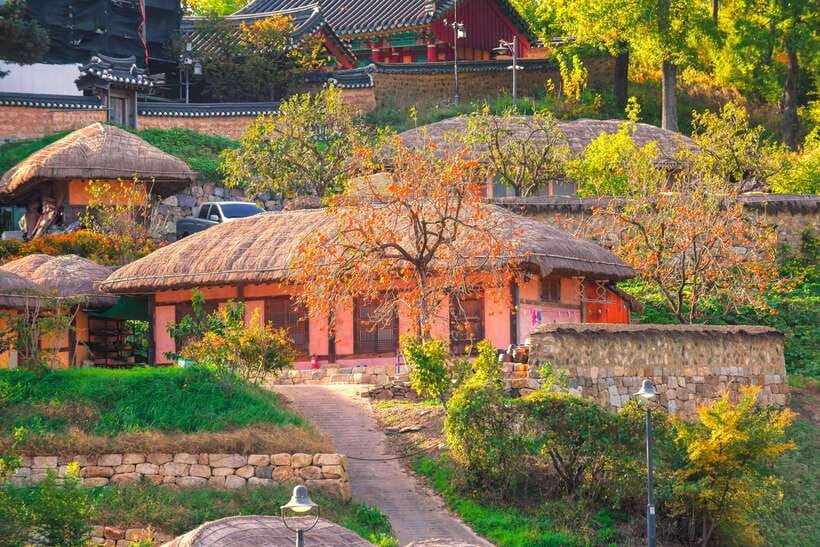
Gyeongju isn’t just “a city with old buildings.” It’s the old capital story of the Silla Kingdom, stretched out across temples, royal tomb zones, streets, and palace-adjacent water scenery. That’s why a guided tour works so well here. You can walk around on your own, sure, but the meaning lands faster when someone puts the pieces together for you.
This day trip is designed around the core anchors most people want: Bulguksa’s stone-terrace temple setting, the royal tomb complex area (Daereungwon), and the nighttime atmosphere around Woljeong Bridge plus Donggung Palace and Wolji Pond. The best part is that you get both “big monuments” and “small details.” The guide’s commentary helps you notice what you might otherwise miss, like how the Silla world blended ritual, power, and landscape planning into one system.
Also, the pacing keeps you from burning out too early. You’re not stuck in one museum room all day. Instead, you move through outdoor heritage sites, then finish with evening views that are built for photos and slow looking.
If you’re the type who likes your history visual and practical, this is your kind of day.
You can also read our reviews of more tours and experiences in Busan.
Price and What You Actually Get for $52
At $52 per person, the value comes from three things: transport, guidance, and entry-cost coverage for specific stops. You’re not just paying for narration. You’re paying to remove the heavy logistics of getting from Busan to Gyeongju and back, plus getting a structured route that hits the major sites without you needing to plan every turn.
The tour includes transportation and staff support in English and Chinese, and it’s led by live tour guides in Chinese, English, and Korean. Group size is capped at 43, so you’re not usually stuck in a massive mob situation where questions vanish and photos become a blur.
What’s also useful: the tour includes certain admission fees depending on your selected package. Package A covers entry fees for Yangdong Village plus a specific Daereungwon tomb fee (Cheonmachong). Packages A and B cover entry fees for Donggung and Wolji. If you choose Package C, it shifts emphasis toward Bulguksa, the Hwangnidan-gil area, and the Gyeongju National Museum, where the museum time is a key component.
Meals are not included, which matters. You’ll want to budget for lunch and snacks. One nice thing I’ve seen in guide styles is that they help point you to a good food stop rather than leaving you wandering hungry on your own.
Is $52 a bargain? It’s fair when you compare it to paying for transport and individual admissions while also trying to make an all-day route work. The day runs long enough that the structured logistics are the real “deal.”
Picking the Right Package: A, B, or C
The three options are not tiny variations. They change the feel of your day—especially what you do in the middle and how the afternoon flows.
Package A: Gyeongju UNESCO Tour (Yangdong Village focus)
You’ll see Bulguksa, then move into Yangdong Folk Village (Joseon-era hanok village style) before heading to the Silla royal tomb zone and Hwangridan-gil. This package also includes the Yangdong Village entry fee, and it includes Donggung & Wolji entry fees later in the day. If you want the most “heritage village” texture, Package A is a strong choice.
Package B: Echoes of Silla Tour (Gyochon Village focus)
Same core backbone (Bulguksa, royal tomb area, Hwangnidan-gil, Woljeong Bridge, Donggung & Wolji), but the village stop switches to Gyeongju Gyochon Traditional Village. If you’re more interested in the Gyeongju Choi clan family-home setting and the feel of an ancestral residential pocket, go with B.
Package C: Gyeongju Museum Tour (more museum time)
Package C keeps Bulguksa and leans into the Hwangnidan-gil area and stops connected with the tomb complex zone (including mention of Cheomseongdae in the description), then puts the evening emphasis on Gyeongju National Museum. If you like artifacts and object-based history, this route often lands best.
One practical tip: choose the package that matches how you like to learn. Village + street browsing is a different learning mode than museum artifacts. Both are good; they just hit differently.
From Busan to Bulguksa: The Morning That Sets the Tone
Most days start with a pick-up at one of the Busan meeting points. Depending on what you book, you’ll meet near major transit stops like Seomyeon Station (Exit 12), Haeundae Station (Exit 5), or KTX Busan Station (Exit 1). The drop-off returns you to one of those same areas.
Then you settle into the bus/coach ride, about 100 minutes each way. This is long enough that I’d treat it like part of the day, not just “getting there.” Bring water, and if you’re the type who gets travel-stiff, do a little stretching when you can.
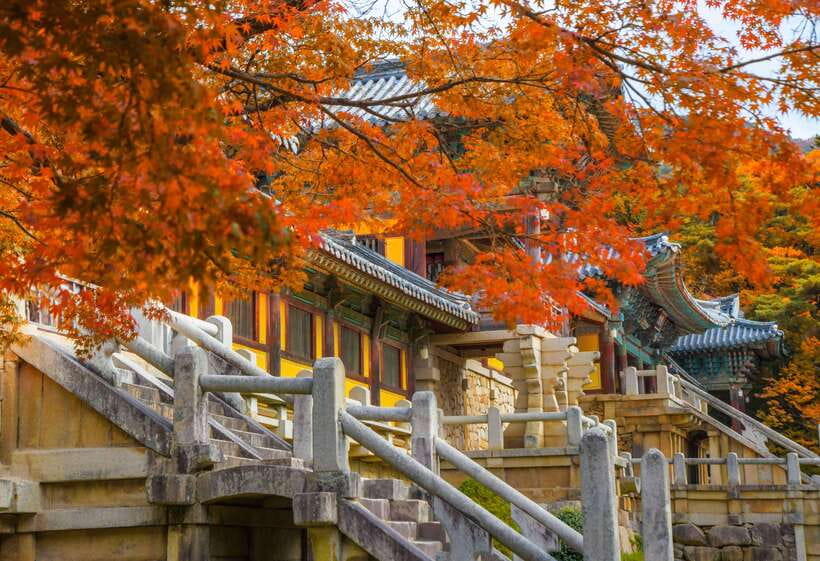
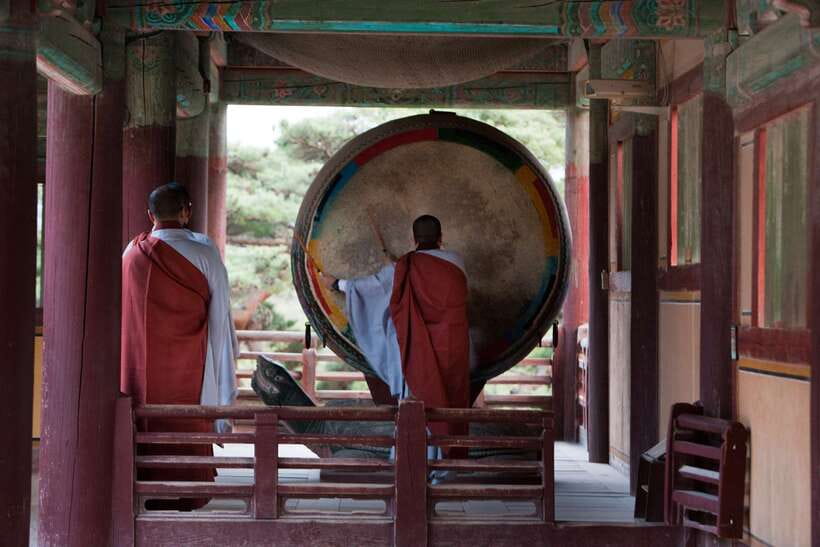
Your first heritage stop is Bulguksa Temple. You get a guided visit (about 70 minutes), and Bulguksa’s setting matters: exquisite wooden buildings on raised stone terraces. Even if you’ve seen photos before, Bulguksa works better when you understand the temple complex structure and why these elements were built with such care.
After that, the route branches by package:
- Package A goes to Yangdong Folk Village for about 1.5 hours guided time.
- Package B goes to Gyochon Traditional Village for around 100 minutes guided time.
- Package C instead keeps moving toward the Hwangnidan-gil area and museum emphasis.
What makes this morning effective is balance. You’re not only in one kind of site. It’s temple + village + tomb zone energy, all in a single day.
Yangdong vs Gyochon: Village Time You Can Actually Enjoy
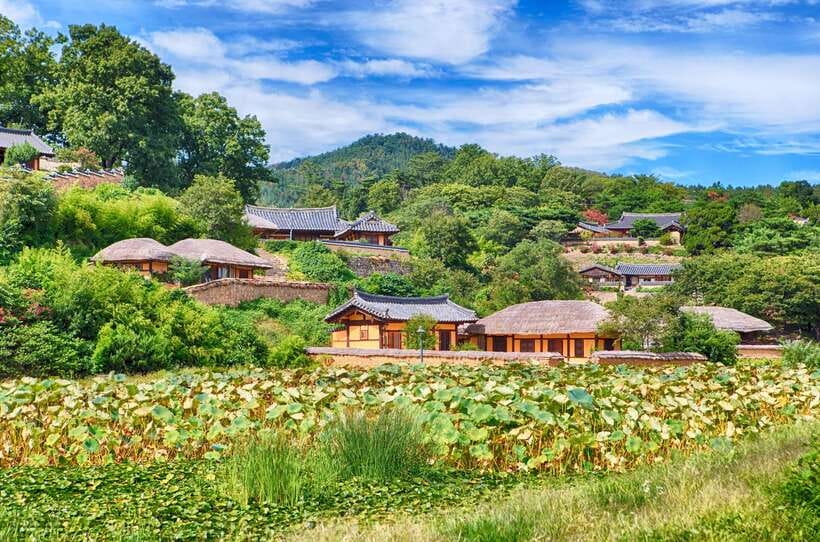
This is where your day stops feeling like a checklist and starts feeling like a place you could linger.
Yangdong Folk Village (Package A) is a Joseon-era hanok environment, and the guide time helps you see patterns: how the village layout connects to community life and status. It also includes an entry fee in Package A, so you’re not surprised by ticket costs mid-day.
Gyeongju Gyochon Traditional Village (Package B) shifts the focus to ancestral homes associated with the Gyeongju Choi clan. It has a different mood than Yangdong. Rather than feeling like a broad village showcase, it can feel more personal—like you’re standing in the long shadow of family history.
In both cases, the guided portion is followed by time to look around and take photos at a comfortable pace. That matters because hanok villages are easy to photograph poorly. Without advice, people end up shooting only rooftops. With guidance, you notice courtyards, doors, stone paths, and perspective angles that make your photos look intentional.
Then everyone moves toward the Silla royal tomb zone area, keeping the day’s big theme consistent.
Daereungwon Tomb Complex and Hwangnidan-gil: Where the Stories Get Specific
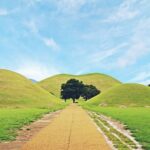
Next up is Daereungwon Royal Tomb (guided, about 75 minutes). This is one of those stops where a guide makes a visible difference. Tombs are not just “pretty mounds.” The point is understanding how the Silla elite expressed power through landscape and how those sites fit into the larger historic zone.
Package A also includes an entry fee related to Daereungwon Cheonmachong Tomb. So if you’re in A, you’re covered for that specific ticket cost.
Then you head to Hwangnidan-gil, a street area that mixes historic setting with modern café and shopping energy. You get around 30 minutes of free time here. I like this break because it’s not another “sit and listen” moment. It’s where you can reset your feet, snack, and do quick browsing without derailing the schedule.
If you’re tired, this is still a good stop because it gives you options: short snack, short photo loop, or just a place to sit for ten minutes before you move again.
The key is not to over-plan what to eat here. Meals aren’t included, and the later museum or evening stops will often still be part of your hunger reality. Treat Hwangnidan-gil like your flexible pit stop.
Woljeong Bridge and Donggung & Wolji Night Views
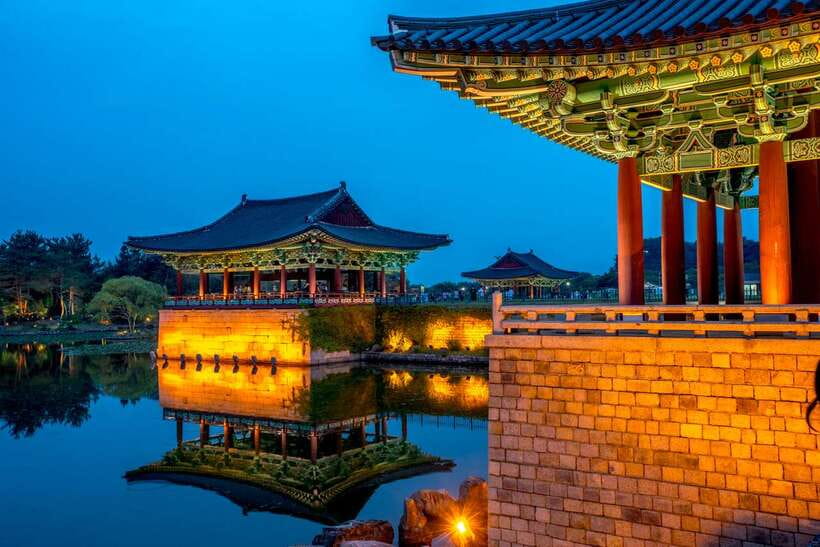
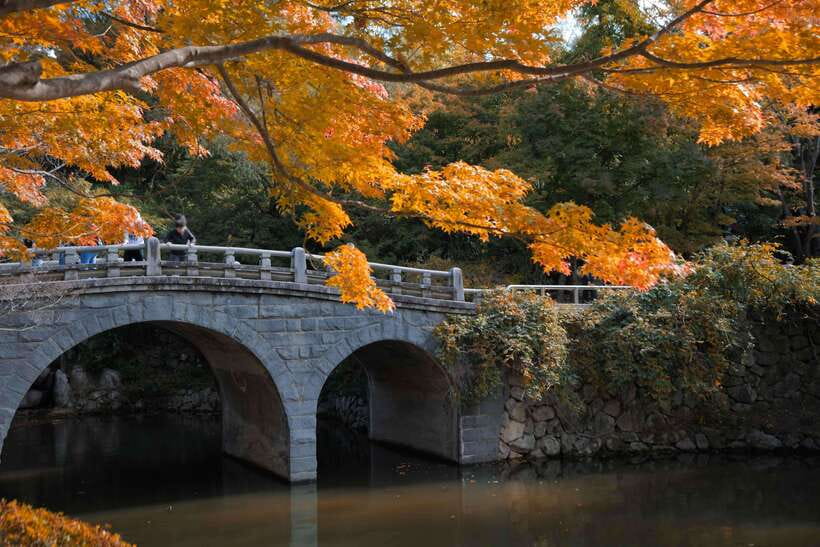
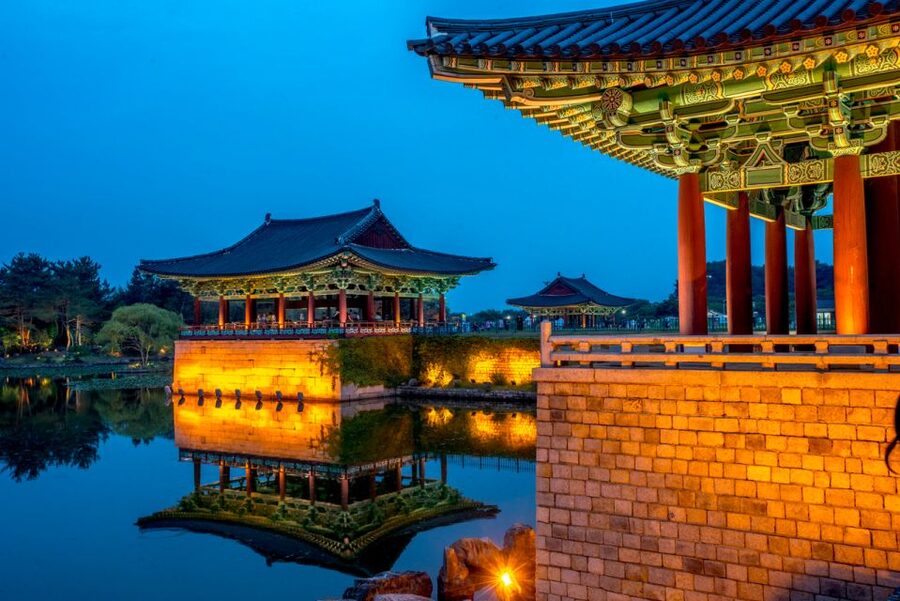
This is the moment most people come for: the evening atmosphere around Woljeong Bridge and Donggung Palace & Wolji Pond.
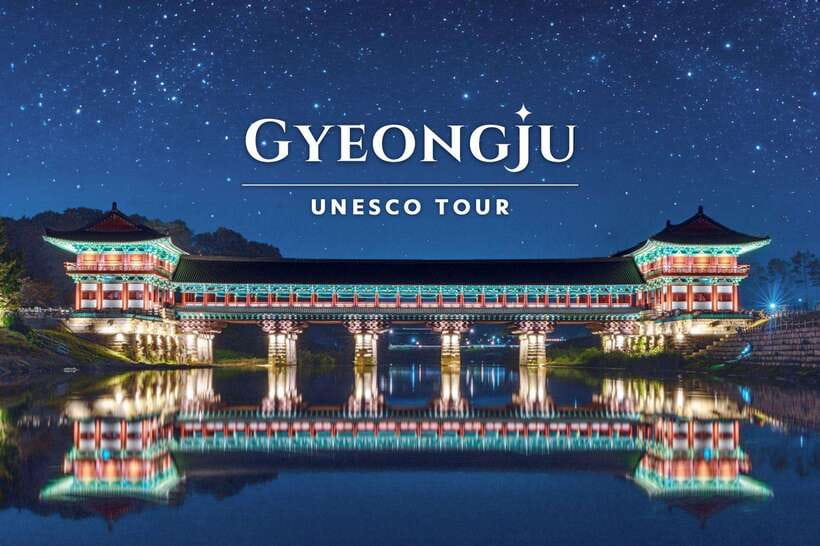
You’ll get a photo stop at Woljeong Bridge (about 20 minutes total for photo + guided context). Then you head to Donggung & Wolji for around 1 hour guided time and sightseeing. For Packages A and B, Donggung and Wolji entry fees are included, which is a helpful cost saver.
Why night matters here is simple: reflections. Donggung and Wolji Pond is famous for how the moonlight and surrounding lights play on the water. It’s the kind of view that feels special even if you’ve seen plenty of Korean night photos online. The difference is timing and spacing. You’re not trying to guess when the best light hits while standing alone in a crowd.
I also like that the guides help with photo timing and angles. In past day trips with similar structures, the most common problem is that people rush the view and miss the moment. Here, the schedule allows you to slow down without worrying about missing your return bus window.
If you’re the type who hates “forced fun,” this is still worth it because you’re not stuck listening the whole time. You get context first, then you get to look.
Gyeongju National Museum: When Artifacts Make It Click
After the evening highlights, the tour finishes with Gyeongju National Museum time. The tour includes about 1 hour with free time and sightseeing.
Package C is described as ending in the museum, which fits the idea that you’ll go from temple-to-street zone understanding into object-based history. But even in Packages A and B, the museum stop is a smart capstone. It turns your earlier stops into a clearer story: artifacts, crowns, Buddhist relics, and other Silla-era objects that help you remember what you saw outdoors.
The practical value is also strong. If the weather changes and the outdoor parts feel harder, the museum is your indoor reset. It’s not a perfect substitute for Woljeong Bridge at night, but it keeps the day from going purely outdoors when you’re already tired.
One more point: museums reward curiosity. If you’re even slightly interested in Silla culture, you’ll leave with a mental map, not just a list of places.
Logistics from Busan: Meeting Points, Timing, and Comfort
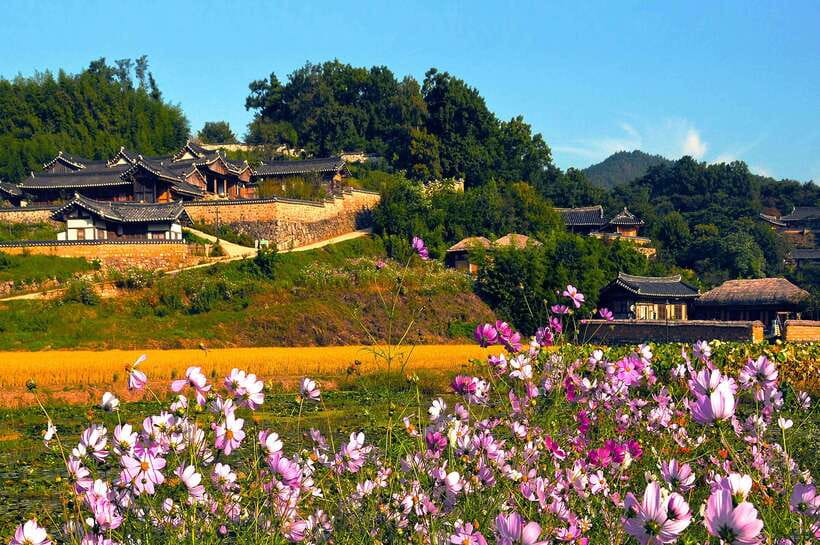
The day runs 8 to 12 hours depending on timing and conditions. That range is real. Weather and traffic can shift the schedule, so don’t plan a late-night second activity right after your return.
The bus/coach ride is about 100 minutes to get to Gyeongju and roughly the same length to return. For many people, that is the biggest part of the “time cost.” The upside is you don’t spend your energy wrestling transit.
Meeting points vary by option, but the listed convenient anchors are:
- Seomyeon Station (Exit 12)
- Haeundae Station (Exit 5)
- KTX Busan Station (Exit 1)
Drop-offs go back to those main areas too. If you’re staying in Busan near Haeundae or Seomyeon, this is painless. If you’re farther away, you’ll need to budget a little local transit time to reach the pickup spot.
Group size up to 43 means you’ll probably see a lot of people, but the tour is structured enough that your guide can still manage checkpoints. The most common “quality” sign in the tour’s reputation is simple: guides keep the timing tight and take photo requests seriously.
Small but useful gear advice: bring comfortable shoes. You’ll cover distance across uneven ground, temple stairs, and outdoor heritage areas. Shoes are not optional here. They’re the difference between enjoying the evening views and counting down the minutes.
Who This Day Trip Suits Best (and Who Should Skip It)
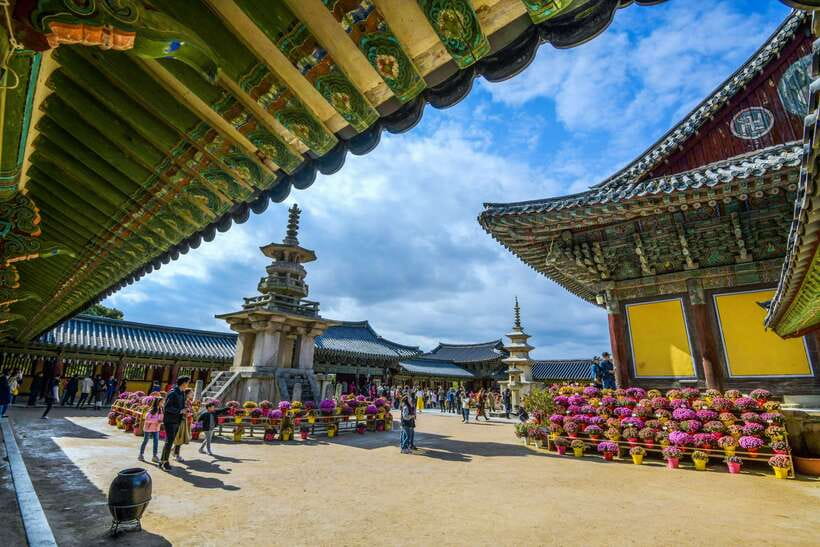
This tour is ideal if you want:
- a Busan to Gyeongju day trip with a guided explanation at major UNESCO-linked stops
- the classic Silla highlights in one shot: Bulguksa, Daereungwon tomb zone, and Woljeong Bridge + Donggung & Wolji
- structured time for photos and short free wandering (Hwangnidan-gil)
It’s also a solid pick for first-time Korea visitors because it shows you how to read the country: temples aren’t random; tombs aren’t random; streets aren’t random.
You might want to skip it if you:
- hate long days. This one is full and runs most of the day.
- need a lot of quiet time. You get free time, but the main flow is guided.
- don’t want to do walking on stairs and outdoor ground.
If you’re traveling with mixed interests—history lovers plus people who just want nice photos—the package format helps solve that.
Should You Book This Busan to Gyeongju Tour?
I think you should book this tour if your goal is simple: see Gyeongju’s key Silla-era sights without doing the planning math yourself. For $52, you’re getting a guided route, transport from Busan, and entry-cost coverage for several high-impact stops depending on your package. The night views around Woljeong Bridge and Donggung & Wolji make the day feel like more than “just another temple day.”
Choose Package A if you want Yangdong Village flavor. Choose Package B for Gyochon Traditional Village and the same evening payoff. Choose Package C if you want the museum to carry more weight and you like the idea of leaning into artifacts and a more indoor-focused storyline.
If you’re on the fence, here’s the decision shortcut I’d use: if you want a day that feels like a complete story, book it. If you want a slow, independent two-day stroll, save your energy and do Gyeongju on your own time.
Either way, wear good shoes. Then let the Silla setting do the rest.
FAQ
How long is the Busan to Gyeongju guided day tour?
The tour runs about 8 to 12 hours, depending on timing, weather, and traffic conditions.
Where do I meet for the tour from Busan?
Meeting points can vary by option. Common pick-ups include Seo-myeon Station (Exit 12), Haeundae Station (Exit 5), and KTX Busan Station (Exit 1).
What are the three package options?
Package A includes Yangdong Village + Bulguksa + Daereungwon and Hwangridan-gil + Woljeong Bridge and Donggung & Wolji.
Package B swaps Yangdong Village for Gyochon Traditional Village but includes Bulguksa, Daereungwon, Hwangnidan-gil, Woljeong Bridge, and Donggung & Wolji.
Package C focuses on Bulguksa + the Hwangnidan-gil area (including Daereungwon tomb complex/Cheomseongdae) + Gyeongju National Museum.
What does the tour price include?
Transportation, English and Chinese-speaking staff, guided visits, and certain entry fees depending on package (Yangdong Village for Package A; Donggung and Wolji for Packages A and B).
Are meals included?
No. Meals are not included. You’ll need to handle lunch on your own during the day.
Which languages are offered by the guides?
The live tour guide supports Chinese, English, and Korean.
Does the tour include entry fees to Bulguksa?
Bulguksa is part of the guided visits, but the included entry-fee details listed in the information are specifically for Yangdong Village (Package A), Daereungwon Cheonmachong Tomb (Package A), and Donggung & Wolji (Packages A and B).
Is the tour suitable for kids or infants?
Infants aged 0 to 2 can join for free if they do not occupy a seat.
What should I bring?
Wear comfortable shoes. The day includes walking across multiple outdoor sites.
Can I cancel?
Yes. You can cancel up to 24 hours in advance for a full refund.