REVIEW · NAIROBI
Full Day Nairobi Cultural and Historical Tour
Book on Viator →Operated by Safari Port · Bookable on Viator
Nairobi is a city where history walks with you. This full-day tour strings together downtown Nairobi with the National Museum and a wildlife stop, then finishes with Kenya’s cultural storytelling at Bomas of Kenya. It’s a smart way to see a lot in a tight 5 to 6 hours, with a calm, real-person guide style I’d look for in day-one Nairobi—like Tim’s warm, steady approach.
What I like most is the guided city-walk focus—not just landmarks, but the layout of the business area, street names, and how daily life moves around places like City Hall, KICC, and even the Equator Point. I also like that the National Museum is more than a quick stop: it covers artifacts from before, during, and after colonial times, and even throws in birds along the way. The main thing to watch: several entries are listed as not included (and one stop has a wording mismatch), so you’ll want to budget extra cash for entrances plus lunch.
In This Review
- Key Things to Know Before You Go
- A Nairobi Day That Feels Like Three Trips in One
- Kenyatta International Conference Center and Nairobi City Streets
- Who this city-walk section is best for
- Nairobi National Museum: Artifacts, Birds, and Context
- A tip that fits real life
- Giraffe Centre Stop: Rothschild Giraffes and Conservation
- Bomas of Kenya: Dance, Crafts, Music, and Homes From Across Kenya
- Best mindset for Bomas
- Price and Value: Does $85 Add Up?
- My practical value take
- Guides, Pacing, and the Real Difference Between a Good and Great Tour
- The one hiccup to note
- Timing and Logistics: How to Survive a 7:30 AM Start
- A quick fit-check for you
- Lunch, Vegetarian Meals, and Food Planning
- Should You Book This Nairobi Cultural and Historical Tour?
- FAQ
- What time does the tour start?
- How long is the full-day Nairobi cultural and historical tour?
- Is hotel pickup and drop-off included?
- What’s included in the tour price?
- Is lunch included?
- Are entrance fees included for Nairobi National Museum and other stops?
- Is the tour private?
- Is a vegetarian option available?
- Does the tour run in bad weather?
Key Things to Know Before You Go
- Downtown orientation that saves time: street names, building highlights, and how the business area is organized
- National Museum highlights: artifacts spanning pre-colonial, colonial, and post-colonial eras, plus bird viewing
- Giraffe Centre in about 30 minutes: Rothschild giraffes and a conservation-focused mission
- Bomas of Kenya at the end: dance, crafts, music, and traditional homes from across Kenya
- Hotel pickup/drop-off in selected areas: you don’t have to manage the city logistics alone
- Guides make the day: people rave about names like Obed, Moses, Tim, and Steve for pacing and care
A Nairobi Day That Feels Like Three Trips in One

This tour is built for first-timers—or anyone who’s short on time but wants more than photos. You start with a downtown orientation that helps you understand where things sit and why certain spots matter. Then you switch gears to Kenya’s story through objects at the National Museum. After that, you get the wildlife-and-conservation angle at the Giraffe Centre, and you end with Bomas of Kenya’s cultural show.
The best part is the way the day avoids the usual “drive-by checklist.” The city section is designed as a walk-and-explain style experience—so you can actually connect what you see to what you’re hearing.
If you’re the type of traveler who likes to ask questions while you’re moving, this tour format is a good fit. And if you’re more cautious, the guided navigation helps you stay confident as the day gets active.
Kenyatta International Conference Center and Nairobi City Streets
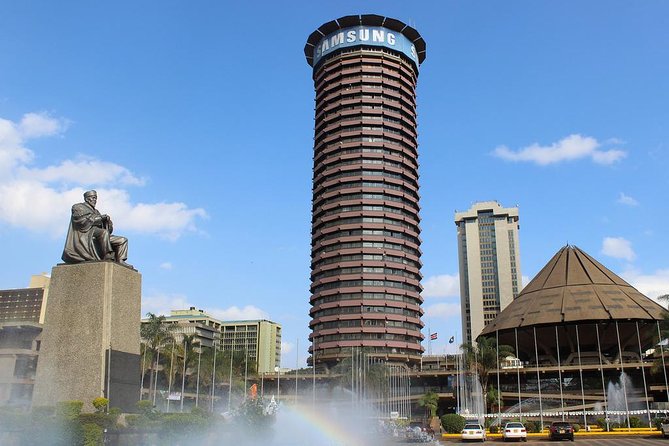
Stop 1 is where Nairobi starts clicking. The plan begins with the Kenyatta International Conference Center (KICC) area and a city tour aimed at “how Kenya moves day to day.” You spend about 2 hours here, with the goal of getting your bearings fast.
Expect a mix of:
- a look at the Nairobi business area layout, including street names
- prominent stops such as Equator Point
- major buildings and civic landmarks like Parliament and City Hall
- a glimpse of public transport flow via bus stops
This is the part of the day that helps you understand later what you’re seeing outside the tour—especially if you plan to venture on your own after. One review even highlights how guides help you navigate busy vendor areas without getting hassled, which matches the overall vibe: you’re not just sightseeing; you’re learning how people function here.
Small note to check: the itinerary says admission is included for this stop, but the “not included” list flags an entrance fee for KICC. Before you go, I’d confirm with the operator what you’ll pay on the day. You don’t want surprises when you’re trying to enjoy the morning.
Who this city-walk section is best for
- First-time Nairobi visitors who want context, not just sights
- People who prefer walking with an expert guide rather than staring at a map later
- Travelers who want a practical sense of where things are before dinner plans
Nairobi National Museum: Artifacts, Birds, and Context

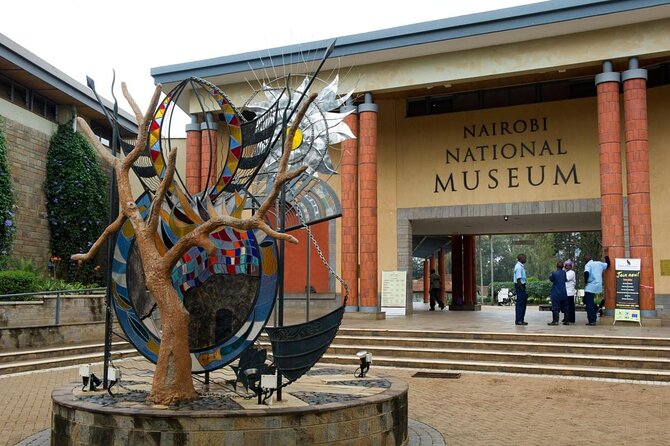
Next up is the Nairobi National Museum, and this is the “why Kenya is the way it is” stop. You spend about 2 hours, and the focus is on historical artifacts from before the colonial period, during colonial times, and after.
A few things make this museum stop especially useful:
- It gives you a timeline lens. You’re not just seeing isolated objects; you’re seeing how Kenya’s past connects to the present.
- It’s not only history. The day also includes learning about birds, which is an easy, refreshing change of pace if you’re tired of reading text panels.
The big practical point: the museum entrance fee is not included. The tour data lists it as 15 USD (optional). So plan for that if you want to get in and see the exhibits.
A tip that fits real life
If you tend to skim museums quickly, treat this one like you’re building a foundation for the rest of the trip. Even if you don’t read every label, you’ll get better at recognizing themes—trade, culture, colonial impact, and how modern Kenya keeps reshaping the story.
Giraffe Centre Stop: Rothschild Giraffes and Conservation

Then you head to the Giraffe Centre for about 30 minutes. This is a short-but-meaningful break, especially if you’re thinking: yes, I want to see giraffes, but I don’t want it to feel like a tourist gimmick.
The Giraffe Centre is tied to the African Fund for Endangered Wildlife (A.F.E.W. Kenya), a Kenyan nonprofit. The stated purpose includes educating Kenyan school children and youth about wildlife and the environment—while also giving local and international visitors a chance to come into close contact with giraffes.
A key detail here is the type of giraffe you’ll likely associate with the center: it’s home to the Rothschild giraffe.
Entrance is not included, so budget accordingly. And because this stop is timed tightly, I’d arrive ready: use the time for the giraffe experience and the conservation messaging, not wandering too long.
Bomas of Kenya: Dance, Crafts, Music, and Homes From Across Kenya
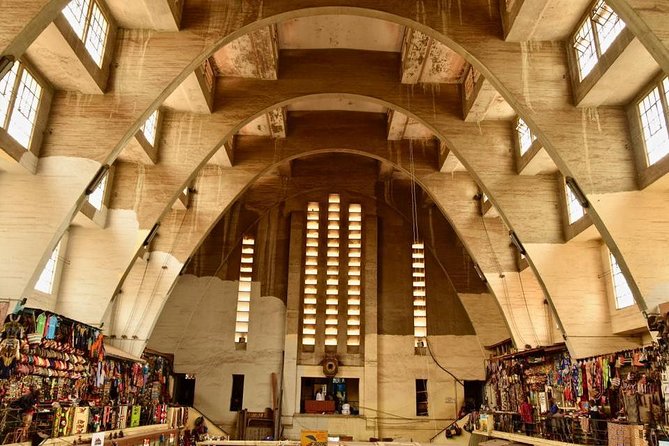
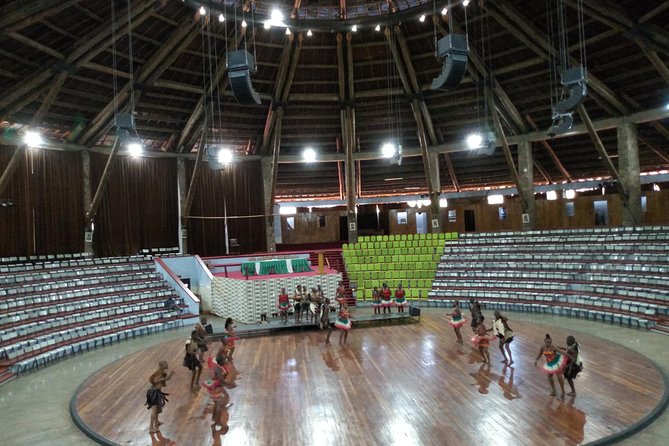
The final cultural hit is Bomas of Kenya. This is where the day turns from learning to feeling—colors, movement, music, and crafts. The tour is designed so you don’t just hear “Kenya is diverse”; you see cultural expressions pulled from different regions and traditions.
You can expect:
- performances with singing and dancing
- crafts and cultural making
- music and storytelling elements
- traditional homes brought together from across the country
Even in short-day tours, Bomas tends to be the emotional payoff. Several guide-focused comments mention how this end section made the day memorable—especially for people who were nervous about safe navigation earlier in the day.
One more budget note: Bomas of Kenya entrance is listed as not included. So if you want to stay seated for the full show experience, bring extra funds or be prepared to pay on arrival.
Best mindset for Bomas
Treat it like cultural theatre plus explanation. If you want to learn, ask questions during quieter moments. If you just want to enjoy, let the rhythm do the work.
Price and Value: Does $85 Add Up?

The price is $85 per person, and it’s commonly booked about 30 days in advance. At first glance, that can feel like a lot—until you account for what’s actually in the package.
Included items:
- hotel pickup and drop-off (in selected areas)
- a local guide
- bottled water
And the tour is structured to hit multiple major stops in one day: KICC/downtown orientation, National Museum, Giraffe Centre, and Bomas of Kenya.
What’s not included:
- lunch
- entrance fees for places listed as optional/not included (including Nairobi National Museum, Giraffe Centre, and Bomas of Kenya)
- and there’s that KICC wording inconsistency I mentioned earlier.
My practical value take
If you’re paying for convenience and interpretation—guide context, safe navigation through busy areas, and a tight schedule—this price can make sense. If you’re the type who hates paying entrance fees on top, you’ll want to budget carefully. One critical review felt the pricing didn’t match the extra charges, which is a fair warning: confirm what you’ll pay at each stop before you go.
A simple strategy: add up entrance fees in advance and decide whether lunch is worth it. The tour notes you can purchase lunch at a local restaurant, and there’s even a vegetarian option available (tell the operator when booking).
Guides, Pacing, and the Real Difference Between a Good and Great Tour

This is the part you can’t fake. The reviews consistently praise guides by name: Obed, Moses, Tim, and Steve show up again and again, and the pattern is consistent—people felt taken care of and understood.
What that looks like in practice:
- guides arrive on time and keep the day moving
- explanations connect history and daily life
- pacing can be adjusted if you need more time at a stop or want to skip something
- extra help with navigation during crowded areas (including market-type environments) is mentioned as a major confidence boost
One review also notes a guide stepping in to help with vendor interactions, which matters in downtown Nairobi. You’re not just buying a ticket; you’re buying peace of mind.
The one hiccup to note
There’s a reported complaint that bottled water wasn’t provided when it was expected. The tour data says bottled water is included, so if you’re sensitive to details, I’d mention it to the guide at the start and keep a small reserve of cash or a backup bottle.
Timing and Logistics: How to Survive a 7:30 AM Start
The tour starts at 7:30 am and runs about 5 to 6 hours. Meeting point is Nairobi Central, and it ends back at the meeting point.
That early start matters. Nairobi can get active, and the first walking portion is easier before the day heats up and traffic thickens. It also means you can still have a normal afternoon after, rather than feeling like you’ve lost the entire day.
This tour also operates in all weather conditions, so dress appropriately. Nairobi’s weather can shift, so pack with layers in mind. And since it’s a mix of walking and venue time, comfortable shoes are not optional.
A quick fit-check for you
This experience says most travelers can participate, and children must be accompanied by an adult. If you have mobility concerns, you’ll want to ask the operator how much of the downtown portion is on foot. The schedule suggests walking is a key part of the experience.
Lunch, Vegetarian Meals, and Food Planning
Lunch is not included, but you have an option to buy lunch at a local restaurant. Vegetarian option is available if you advise at booking.
My advice: don’t wait until you’re hungry to figure this out. Let the operator know your preference ahead of time, then follow the guide’s lead once you’re out. A local guide can help you choose something straightforward—especially on a day that’s already packed.
Should You Book This Nairobi Cultural and Historical Tour?
Book it if you want:
- a first-day Nairobi foundation with downtown orientation
- a mix of history + wildlife + live cultural performance
- a guide who helps you feel confident moving through the city
Skip it (or at least confirm costs carefully) if you:
- hate paying extra entrance fees and want everything bundled
- plan to arrive expecting the full day to be fully included beyond what’s listed
If you do book, do two smart things: confirm entrance fees for each venue (especially the museum, Giraffe Centre, Bomas, and the KICC wording), and mention vegetarian needs up front. Then you’ll get what this tour is built to deliver: a Nairobi day that teaches you how the city works, not just what to photograph.
FAQ
What time does the tour start?
The tour starts at 7:30 am.
How long is the full-day Nairobi cultural and historical tour?
It runs about 5 to 6 hours.
Is hotel pickup and drop-off included?
Yes. Hotel pickup and hotel drop-off are included for selected hotel areas.
What’s included in the tour price?
Included items are bottled water, a local guide, and hotel pickup and drop-off.
Is lunch included?
No. Lunch is not included, but you can purchase lunch at a local restaurant.
Are entrance fees included for Nairobi National Museum and other stops?
Nairobi National Museum entrance is listed as not included. Entrance fee details are also listed as not included for the Giraffe Centre and Bomas of Kenya. The KICC stop has admission language in the itinerary, but entrance fee wording appears elsewhere too—so confirm before you go.
Is the tour private?
Yes. It’s described as private, meaning only your group will participate.
Is a vegetarian option available?
Yes. A vegetarian option is available, and you should advise at the time of booking.
Does the tour run in bad weather?
The experience operates in all weather conditions, so you should dress appropriately.