REVIEW · BIRMINGHAM
2.5-Hours Walking Tour of Birmingham into Black Heritage Madiba
Book on Viator →Operated by Black Heritage Walks Network · Bookable on Viator
Birmingham has a Black heritage most people miss. This 2-hour afternoon walk takes you off the main sights and into Handsworth, where you’ll hear stories tied to the Madiba name and the community that welcomed Nelson Mandela. You meet at Soho House Museum and follow a licensed guide on foot, with plenty of context to make the streets feel personal.
I especially love the way the guide connects buildings to people. It’s not just dates and plaques; it’s how local musicians, celebrities, and everyday residents shaped Birmingham over time. I also like the small group size (up to 12), which keeps the pace human and makes it easier to ask questions and get real answers.
One consideration: this is a walking tour with a moderate fitness requirement, and it depends on good weather. Bring your own water and wear shoes that handle uneven pavement, because the route covers real neighbourhood streets.
In This Review
- Key highlights you’ll feel right away
- Meet at Soho House Museum: the Madiba walk starts with context
- Matthew Boulton and the Lunar Society stop: you get the connection without the extra ticket
- Handsworth Park: a short pause that makes the rest of the walk click
- Handsworth on foot: architecture, heritage, and the people behind it
- Who leads the walk: Marcia and Gary set the tone
- Price and what you actually get for about $19.29
- Timing, fitness, and what to bring on a real Birmingham walk
- Getting off the tourist trail in a meaningful way
- Should you book the Black Heritage Madiba walking tour?
- FAQ
- FAQ
- Where does the tour start and end?
- How long is the walking tour?
- What’s the group size?
- Is admission included at the stops?
- What should I bring?
- What happens if the weather is poor?
Key highlights you’ll feel right away
- Handsworth Park Arts trails plus a stop at the Leisure Centre area, with free entry
- Handsworth on foot for about an hour, focused on people, heritage, and architecture
- A short outside look at Matthew Boulton and the Lunar Society connection, without going inside
- A licensed guide (often Marcia, sometimes Gary) who keeps the tour moving and readable
- Up to 12 people, so you’re not packed in like a bus tour
- Free entry included at the main stops, with the guide doing the heavy lifting of interpretation
Meet at Soho House Museum: the Madiba walk starts with context
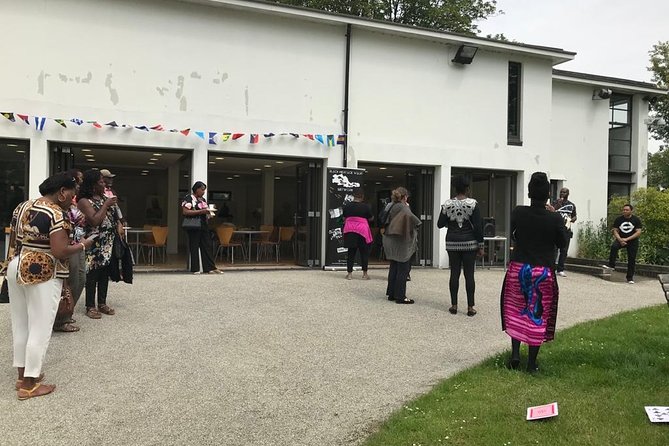
The tour begins at Soho House Museum on Soho Ave, Birmingham (B18 5LB). It’s a smart starting point because Soho House sits in the wider Birmingham story, so you’re not dropped into Handsworth with zero orientation. You’ll also appreciate that the format is simple: show up, get your bearings fast, and let the guide set the tone.
The activity runs during an afternoon window listed as 1:00 PM to 4:00 PM. In practice, that’s useful because Birmingham’s daytime light helps with the walking portion, and you’re less rushed than a morning departure. You end back at the meeting point too, so you don’t have to solve transport logistics at the finish.
If you like walking tours that explain what you’re seeing, this one fits. The guide isn’t just pointing at sights. You’ll get the why behind the route: how the area’s Black community history connects to the wider story of Birmingham, and how the Madiba theme shows up locally.
Matthew Boulton and the Lunar Society stop: you get the connection without the extra ticket
Early on, you’ll stop at the House associated with industrial designer Matthew Boulton and the Lunar Society. Important detail: you don’t go inside. That building is tied to another tour option, so this one keeps you outside and moves you along.
That approach can actually be a plus. You’re not losing time paying for one more admission or waiting for an interior visit when the rest of your time is better spent learning what you can see on the street. Think of this stop as the “context switch” that helps you understand the era and the industrial setting that shaped Birmingham.
If you’re the type who likes to know the setting before the neighbourhood stories begin, this works. If you were hoping for an indoor visit, you’ll want to keep expectations realistic and treat it as a visual stop plus explanation.
Handsworth Park: a short pause that makes the rest of the walk click
Next comes Handsworth Park, with time set aside for the Arts trails and the Leisure Centre area. This portion is brief—around 20 minutes—but it plays an important role. It breaks up the walk and gives you a mental reset before the deeper neighbourhood stretch.
You also get free entry here, so you’re not juggling ticket logistics mid-tour. For me, that matters because it keeps you focused on the storytelling and the route itself instead of turning the day into a series of small admin tasks.
In a walking tour like this, the park stop is more than a scenic break. It helps you see how arts, public space, and community life overlap. And when you move into Handsworth afterward, you’ll be better prepared to spot the kinds of details the guide points out—things you might otherwise miss.
Handsworth on foot: architecture, heritage, and the people behind it
The heart of the experience is the Handsworth walk, about one hour covering the area’s people, heritage, and architecture. This is where the tour earns its name in a practical way: you’re not just hearing general Black history. You’re connecting the local environment to lived community change.
The guide leads you through the neighbourhood at a pace that’s meant to be manageable for most people with moderate fitness. The route is designed so you can follow along without getting lost. That guided element is a big deal in Handsworth, because it’s easy to wander when you’re unfamiliar with the layout.
What makes this section hit hardest is the emphasis on how the community worked through hardship and also built success over time. You’ll also hear connections that widen the lens—stories about how different groups lived side by side and formed comradeship with Irish and Indian communities. You’ll even pick up local details about how Jamaicans and Asians came to Birmingham and settled in the area, rather than only hearing about them in theory.
And yes, the Mandela connection is part of the narrative. One of the strongest moments for many people is learning that Mandela came to Birmingham and that the community welcomed him home with a kind of closeness that felt like family. That’s the sort of story that changes how you read a city street.
Who leads the walk: Marcia and Gary set the tone
A big reason this tour scores so highly is the human side of it. The tour is guided by licensed staff, and names that show up again and again include Marcia and Gary. Both show up in the experience as teachers: people who explain clearly, keep things engaging, and care about getting the story right.
I like that the guide isn’t trying to perform. You can feel that the information matters to them. The result is a tour where you don’t just hear facts—you learn how the facts fit together in Birmingham, including connections between African-American history and Black heritage in England.
If you arrive a bit late, you’ll likely appreciate the guide’s flexibility. There’s a real example in the feedback of someone needing to be slower due to timing, and the guide worked to make sure the earlier parts were still understood. That tells you a lot about the approach: the goal is comprehension, not rushing you past key points.
And if the weather turns, there’s at least one reported moment of warmth on the tour—tea offered after a rainy return. That’s not something you should count on as a guarantee, but it hints at a guide who thinks about comfort, not just content.
Price and what you actually get for about $19.29
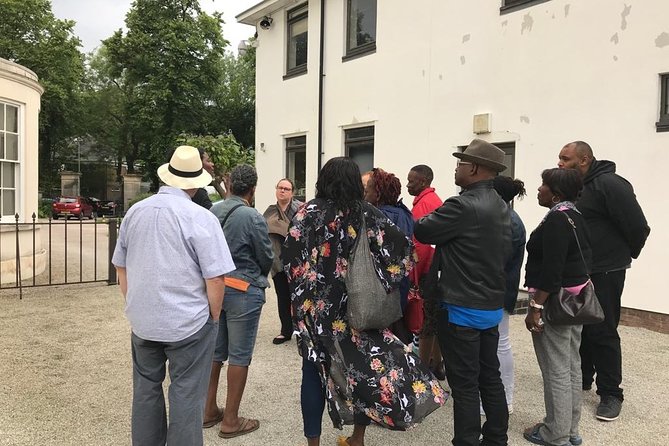
At $19.29 per person for about 2 hours, this is priced like a straightforward walking tour. The value comes from what’s included: a licensed guided experience plus free entry at the main stops where tickets would typically be another cost.
Here’s what that means for you on the ground:
- You pay a modest fee, but you’re not also paying your way through admissions.
- You get direction and context, which saves you from spending your own time trying to map the story.
- The group caps at 12, so the guide can answer questions without the usual bottleneck effect.
This is also a good price point if you want something more personal than a big bus option. A short walking tour can be a smarter use of a half-day than trying to cram multiple attractions. And because the content focuses on Birmingham’s Black heritage, you’re getting perspective you can’t easily replicate by doing the standard “top sights” list.
Timing, fitness, and what to bring on a real Birmingham walk
This is an outdoor walking tour, so plan like it’s an actual walk, not a museum visit. The tour calls for moderate physical fitness, and the operator notes that the route can be adapted if needed. If you’re unsure, it’s worth communicating your situation in advance so the guide can adjust pace or consider alternative formats like a static presentation.
For your own comfort:
- Bring your own bottle of water. Hydration is specifically called out as not included.
- Wear shoes with grip. Neighbourhood sidewalks can be uneven.
- Consider a light layer. Afternoon weather can swing in England, and this tour requires good weather to run as scheduled.
Small practical win: service animals are allowed, and the meeting point is near public transportation. So you can fit this into a day even if you’re not driving.
Also, since mobile tickets are used, you’ll want your phone charged and ready. It’s one less thing to worry about when you’re meeting in the middle of a city.
Getting off the tourist trail in a meaningful way
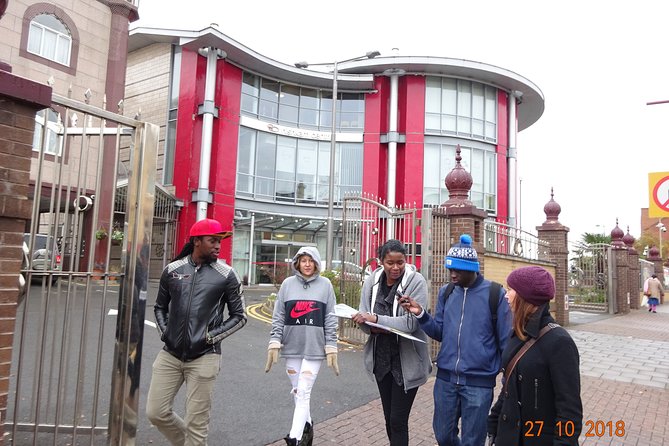
Plenty of tours promise local colour. This one is more grounded than that. You’ll be walking through a Birmingham neighbourhood where heritage is tied to architecture, public spaces, and community memory. The guide’s job is to connect the dots so you understand why these streets and buildings matter.
It’s also a useful tour if you like to learn in layers. The opening context around industrial-era figures and the Lunar Society connection helps set a wider frame. Then you shift into Handsworth Park and the deeper Handsworth streets where the human stories do the work.
If you want a calmer alternative to a jam-packed sightseeing itinerary, you’ll like the format. It’s short enough to pair with another plan later, but long enough to make the route feel coherent instead of rushed.
One more bonus: the tour is offered in English, and it’s listed as confirmed at booking time. That reduces the usual uncertainty you can feel with small local tours.
Should you book the Black Heritage Madiba walking tour?
Book it if you want a guided walk that gives real context and personal storytelling, focused specifically on Birmingham’s Black heritage and the Handsworth area. It’s a strong choice for first-time visitors who want more than the usual city highlights, and it also works if you grew up in the area and want to notice what’s been overlooked.
Pass or reconsider if you don’t like walking, if your schedule won’t handle weather-dependent outdoor time, or if you were hoping for a fully indoor museum-style experience at every stop. The Matthew Boulton area is viewed rather than entered, so it’s not a “ticketed interiors at each location” kind of day.
If you’re deciding between doing it now or later: you’re looking at an activity that’s commonly booked about 23 days ahead on average. That suggests it’s not a last-minute gamble if your dates are fixed. Aim to reserve earlier so you get a slot that fits your afternoon.
FAQ
FAQ
Where does the tour start and end?
It starts at Soho House Museum, Soho Ave, Birmingham (B18 5LB) and ends back at the same meeting point.
How long is the walking tour?
The tour is listed as approximately 2 hours (about 2.5 hours as described in the title).
What’s the group size?
The tour has a maximum of 12 travelers.
Is admission included at the stops?
Yes. Handsworth Park (including the Arts trails and the Leisure Centre area) is listed as free admission, and the Handsworth walk is also listed with free admission.
What should I bring?
Bring your own bottle of water. Bottled water is not included.
What happens if the weather is poor?
The experience requires good weather. If it’s canceled due to poor weather, you’ll be offered a different date or a full refund.