REVIEW · PHNOM PENH
Heritage tour of Phnom Penh in electric bus
Book on GetYourGuide →Operated by Phnom Penh Heritage city tours · Bookable on GetYourGuide
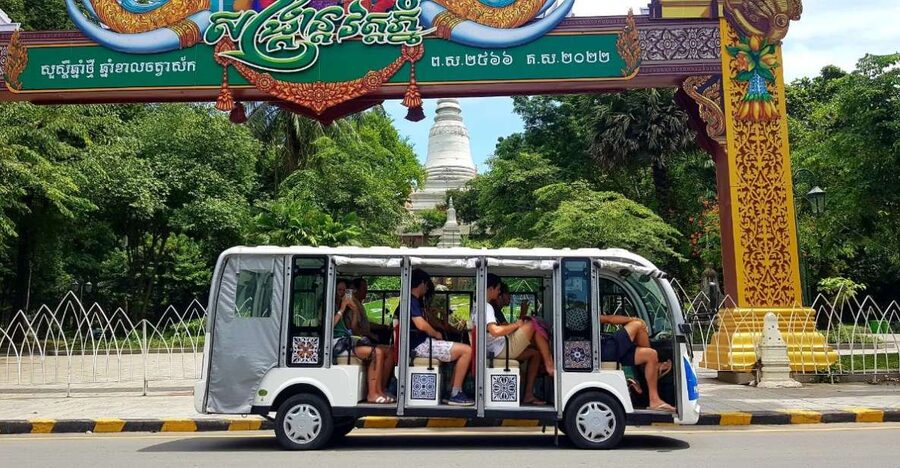
A heritage tour by electric bus beats random wandering. You get a structured route through Phnom Penh’s French protectorate era, with tablet audio-video guides and headsets that explain what you’re seeing as you move. It’s a good way to build context fast, especially when the city is changing by the day.
Two things I really like about this setup are the pacing and the tech. You don’t just watch from the curb: you’ll visit 19 stops tied to 22 major inherited sites, and the tour includes chances to walk into select places. The other big win is the mix of history formats—films, vintage photos, and historical anecdotes—plus virtual access to buildings you can’t enter in real life.
One consideration: this is a 2.5-hour overview, not a slow, stay-all-afternoon kind of sightseeing plan. If you want to linger for a long time at just one site, you may feel slightly rushed, especially in Phnom Penh’s heat.
In This Review
- Key highlights at a glance
- Why an electric-bus heritage loop makes sense in Phnom Penh
- Your tablet-and-headset system for 10-language history
- The 22 French-era sites you connect into one clear story
- Stop strategy: what you actually do at each phase
- Entering the three unusual places (and why that’s a big deal)
- Heat, comfort, and why the tour feels more relaxed than DIY
- Where the tour ends near Street 240 and the riverside
- Price and value: why $27 is more than just a bus ride
- Who should book this Phnom Penh heritage tour?
- Should you book Phnom Penh Heritage city tours?
- FAQ
- FAQ
- How long is the Phnom Penh Heritage Tour?
- How much does it cost?
- What does the tour include?
- How many languages are available in the audio guide?
- Which languages are offered?
- Are there stops during the tour, or is it just a bus ride?
- Can you enter any places instead of only viewing from the outside?
- What’s the tour’s ending location?
- What languages does the instructor speak?
- What is the cancellation policy?
Key highlights at a glance
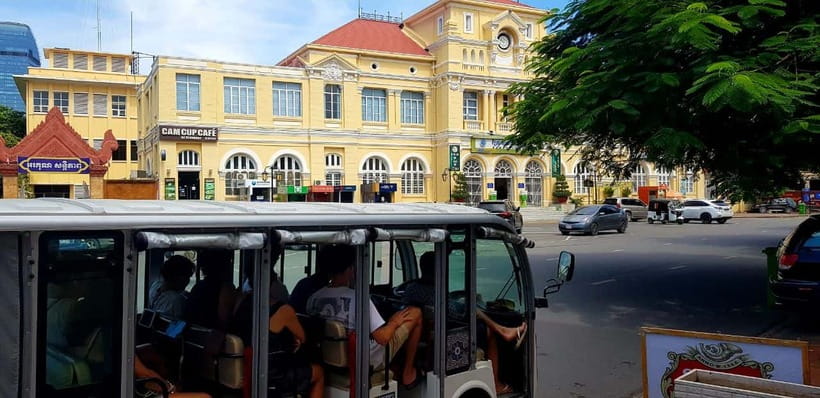
- Electric-bus transport that keeps you moving without the stress of constant logistics
- Tablet + headset system with 24 audio-video guides in 10 languages
- A focused route with 19 stops that connect to 22 major French-era sites
- Walk-in access to 3 unusual places, including a Hokkien temple, the national library, and the royal university of fine arts
- Finish near Street 240, close to the Royal Palace and the riverside for easy self-guided follow-up
Why an electric-bus heritage loop makes sense in Phnom Penh
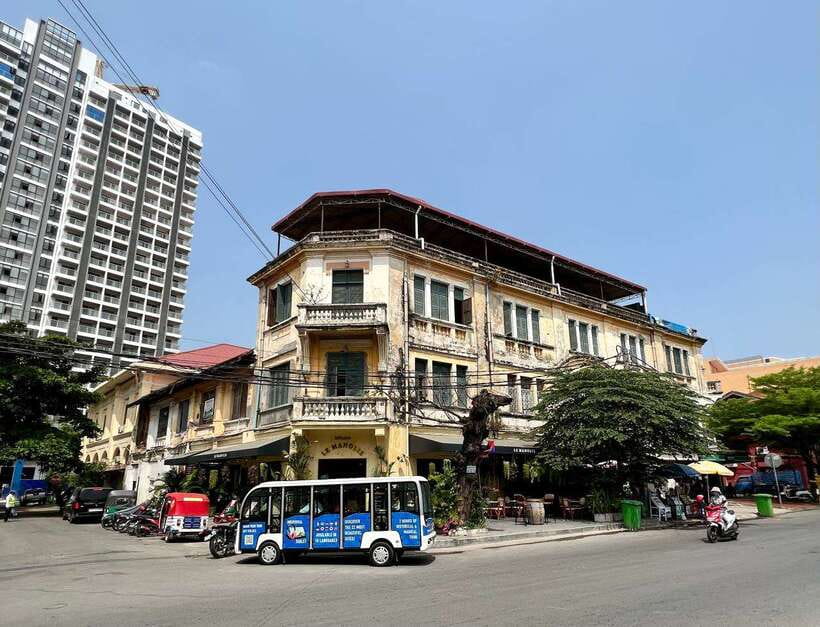
Phnom Penh can feel like two cities at once: old layers of architecture and story, plus fast development. A guided heritage loop helps you keep your bearings. Instead of you trying to guess what’s important while traffic and new construction pull your attention, the bus route gives you a line to follow.
This tour is designed as a city primer. The route is built around the period when Cambodia was under the French protectorate, then it expands into themes you’ll actually notice while walking around later: early urban planning on a French model, Art Deco fashion in architecture, and the way social life was organized at the start of the 20th century. It’s the kind of framework that makes the next days easier.
Also, the ride is part of the value. You’re not paying $27 just for a list of monuments. You’re paying for a guided “how to read the city” experience that blends transport, storytelling, and breaks to step into key sites.
You can also read our reviews of more tours and experiences in Phnom Penh.


Your tablet-and-headset system for 10-language history

Here’s the practical magic: you get a tablet (pad) and headsets included. That means the explanation stays with you, even when the bus is rolling past something you might otherwise miss.
The tour uses 24 audio-video guides in 10 languages, including French, English, Chinese, German, Italian, Korean, Japanese, Spanish, Khmer, and Russian. You’ll see stories told with films and vintage photos, not just dry facts. And for certain buildings that aren’t open to the public, you still get to experience them through video and virtual-style entry.
Why that matters for you: it lowers the friction of sightseeing. You don’t need to hunt for context on the spot, and you don’t need to rely on spotty signage or guess which detail you should pay attention to. You get a repeatable method: watch, learn, then look for that same theme in the streets later.
The tour also has an instructor available in English and French. So even if you’re using the tablet audio, you can still get human guidance during stops.
The 22 French-era sites you connect into one clear story
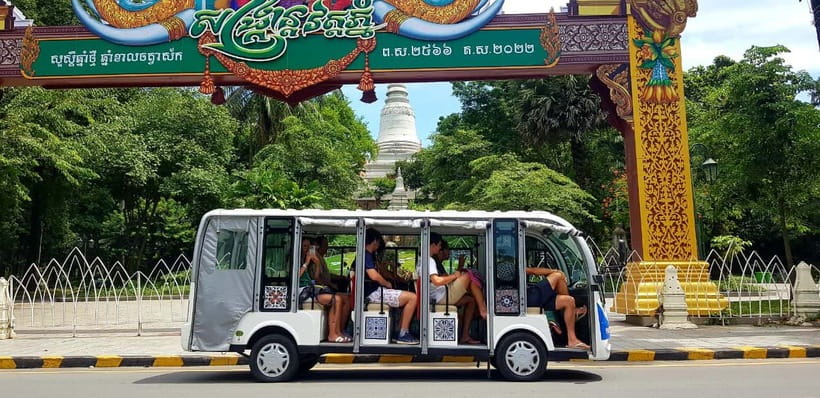
This isn’t just a “see famous places” tour. The route is built to show how Phnom Penh changed—especially during the French protectorate period—and how those changes echo in what you see today.
At a high level, the media guide covers a set of linked themes as you pass and stop:
- how a fishing village atmosphere ties into the rise of the capital
- the first urbanization on a French model and how planning shaped neighborhoods
- the “look” of power and taste, including the trend for Art Deco architecture
- how the social fabric was arranged, including elite lifestyle in the early 1900s
- the role of the royal family in public life and identity
- the contrast with the dark hours of the Khmer Rouge regime, which is crucial context for the modern city
You’ll notice something important in how this story is presented: it moves between daily life, design, and political reality. That makes the tour more useful than a set of isolated photo stops. When you understand why certain buildings exist, the city stops feeling random.
One more smart feature: each of the 19 stops is tied to exploring those inherited sites from the French protectorate era—so the tour feels intentional. You’re not hopping around without a reason.
Stop strategy: what you actually do at each phase
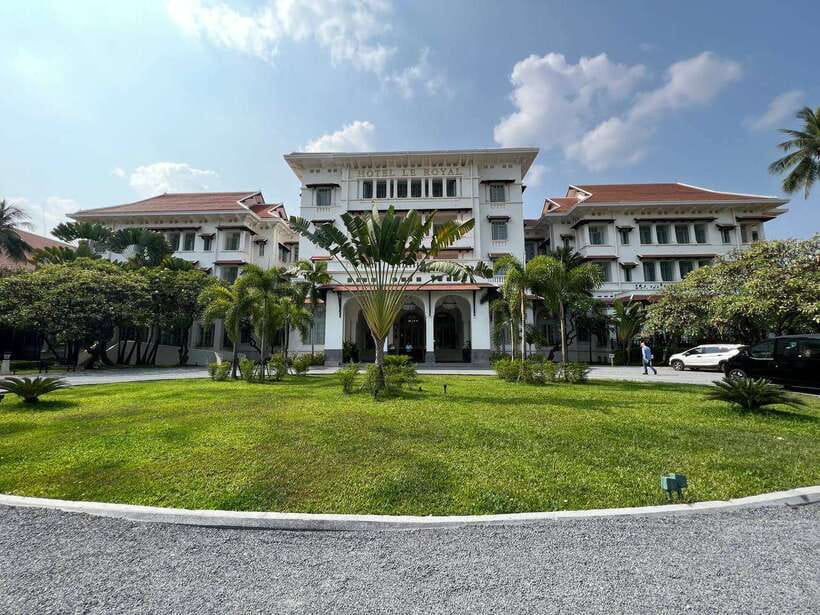
The day is structured as a guided overview, with you moving between stops rather than staying at one place too long. That’s a benefit for most first-timers, because Phnom Penh can overwhelm you if you try to cover everything on your own in one trip.
In practice, you’ll get:
- Bus-based orientation, where the tablet audio/video frames what’s coming
- On-and-off moments, where you can step out at stops to see sites in person
- Bonus access moments, where you walk into selected “unusual places” (more on those next)
- Virtual entry clips, for buildings that may not be open for public access
A possible drawback is also part of this format: the stops are more “encounter” than “deep stay.” If you love reading every plaque and spending an hour in a museum room, you may want to add extra self-guided time afterward.
Entering the three unusual places (and why that’s a big deal)
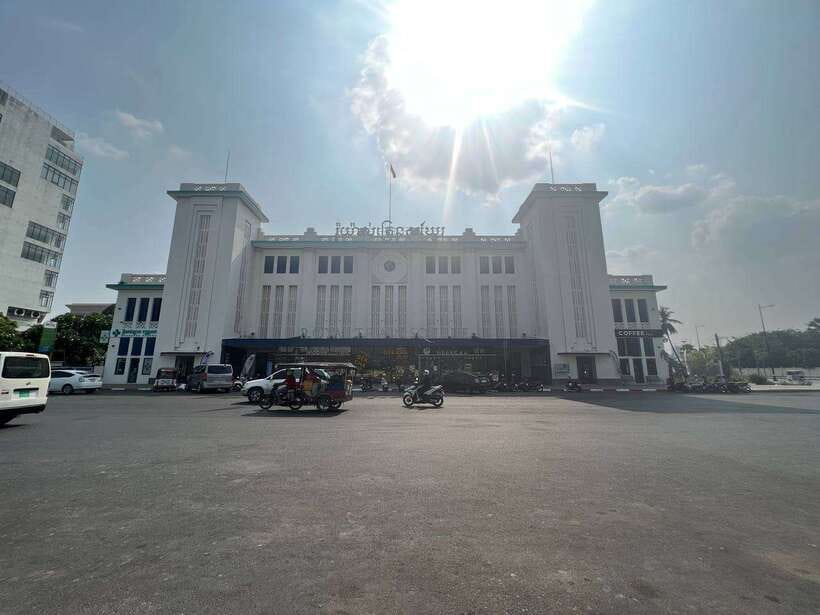
One reason this tour earns strong ratings is that it doesn’t only point at buildings from the street. You get to walk into 3 unusual places:
- a Hokkien temple
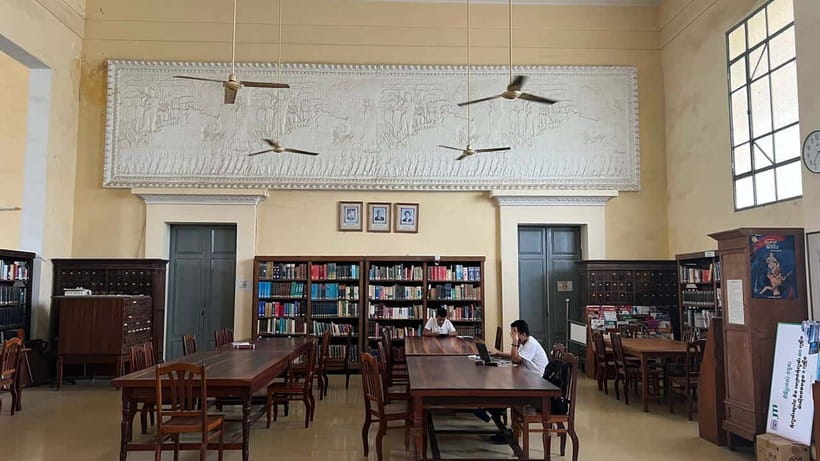
- the national library
- the royal university of fine arts
Those choices matter because they add variety to the French-colonial focus. They also show Phnom Penh as more than one architectural style or one political period. A temple tells you something about community and beliefs. The national library suggests the role of learning and public institutions. A fine arts university connects the city to cultural expression and training.
These walk-in moments also make the 2.5 hours feel fuller. You’re not just collecting photos; you’re getting a sense of spaces and atmosphere—especially useful when you’re visiting in hot weather and want meaningful breaks rather than aimless strolling.
Tip for you: wear comfortable shoes and keep a bottle of water handy. The tour includes water, but you’ll still want to pace yourself.
Heat, comfort, and why the tour feels more relaxed than DIY
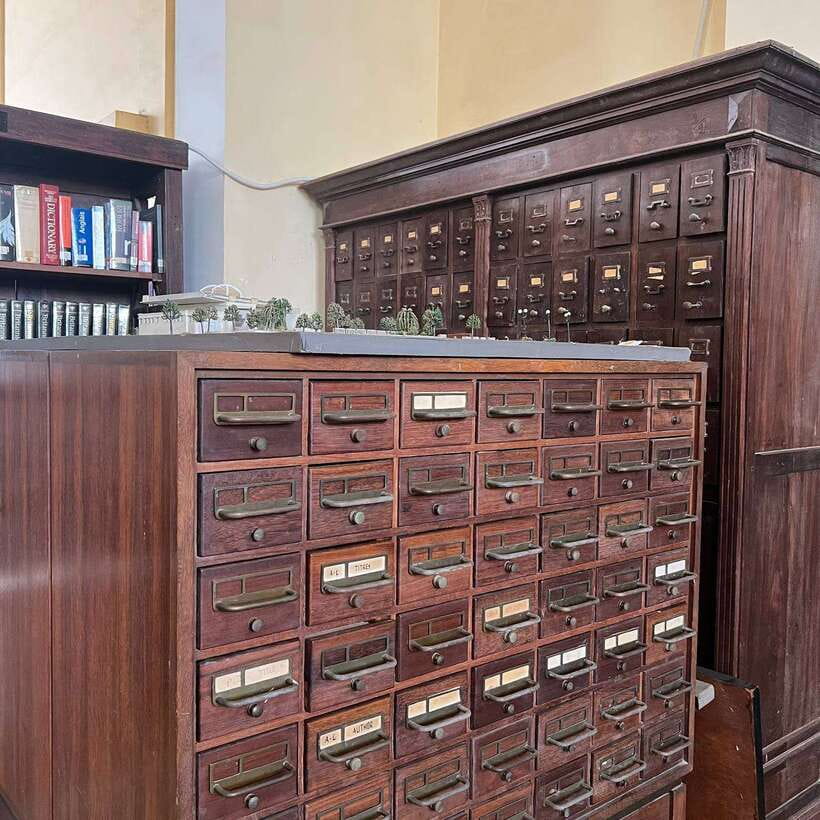
Several people highlight that the tour works well even in the heat, which matches the reality of Phnom Penh sightseeing: sun + walking + traffic can drain you faster than you expect.
Here’s why this format helps you:
- you’re inside the transport between stops
- you get a structured plan, so you’re not over-walking trying to find the next place
- the guide content keeps you engaged, so breaks feel purposeful rather than boring downtime
The included bottle of water also helps. You’re not forced into a “find a shop first” rhythm to keep going.
Still, you’ll be outdoors at stops. So if you’re heat-sensitive, plan for shade when possible, and don’t schedule this at the most brutal time of day if you have the option. The tour lasts 2.5 hours, so your body will notice if you’re pushing it.
Where the tour ends near Street 240 and the riverside
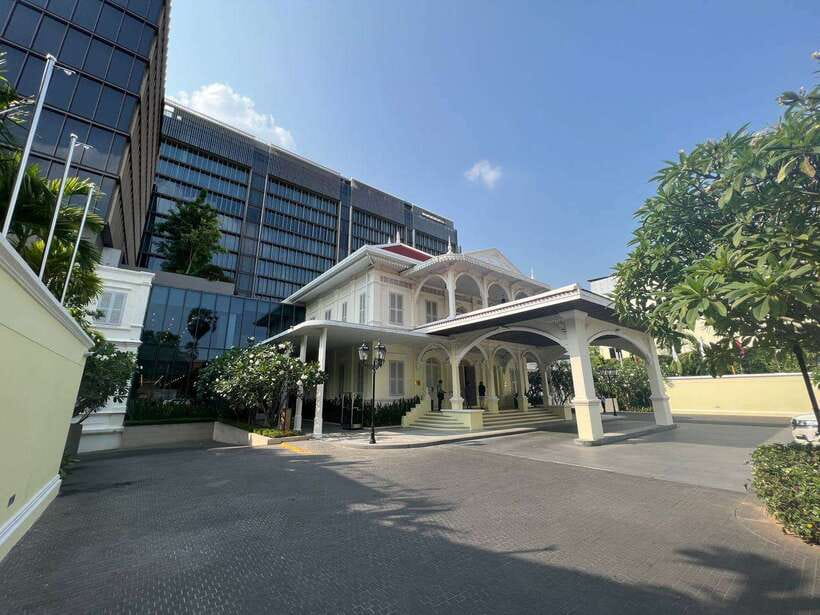
The tour finishes on Street 240, close to the Royal Palace and the riverside. That ending location is practical because it gives you options for your next move without needing another ride to “start over.”
For you, this means an easy follow-up loop:
- If you want more palace-area sightseeing, you’re already nearby.
- If you’d rather shift to scenery and slower walking, the riverside makes a natural next chapter.
- If you want to compare what you learned on the tour to what you see next, the spacing works well. You’ve got the context already.
Think of this as a two-part day: learn the city during the tour, then use the rest of your energy to explore without questions.
Price and value: why $27 is more than just a bus ride
At $27 per person for 2.5 hours, the value comes from what’s included, not only the route.
You’re getting:
- the electric-bus transport
- tablets (pads) and headsets
- a bottle of water
- audio-video guidance in 10 languages
You’re also getting something intangible but real: a way to interpret what you see. If you try DIY, you typically pay with time and energy—searching for explanations, downloading unreliable maps, or paying for multiple admissions without understanding the bigger story.
This tour also saves you from the cost and hassle of constant private rides. Private transportation (like a tuk-tuk) isn’t included, so you’ll likely still handle your own start point. But once you’re in the flow, the tour does the heavy lifting for you.
Compared to piecing together a similar number of stops on your own, the $27 feels like a bundle deal: you’re paying for guidance you can carry with you through the city.
Who should book this Phnom Penh heritage tour?
This experience is a great match if:
- you’re in Phnom Penh for a short stay and want a fast introduction
- you like history stories tied to real buildings, not just a list of landmarks
- you want a structured route that helps you understand what you’re looking at later
- you appreciate multi-language support and a system that explains details as you go
It may be less ideal if:
- you want long hours at a single site
- you dislike being on a set schedule
- you prefer fully independent exploration with no guided structure
If you’re the type of traveler who likes to get your bearings fast, then compare your notes later, this tour will help you do that.
Should you book Phnom Penh Heritage city tours?
I’d recommend booking if you want a smart first pass through Phnom Penh’s French-era influence and beyond, especially because the tour combines electric-bus comfort with tablet-based audio-video storytelling. The walk-in access to the Hokkien temple, national library, and royal university of fine arts gives it more substance than the typical “drive and point” style.
If you’re only going to Phnom Penh once and you want the city to make sense, this is the kind of tour that pays off later. You’ll finish near major sights on Street 240, ready to continue on your own with better context and fewer guessing games.
FAQ
FAQ
How long is the Phnom Penh Heritage Tour?
The tour lasts 2.5 hours.
How much does it cost?
The price is $27 per person.
What does the tour include?
It includes tablets (pads), headsets, bottle of water, and audio guide content.
How many languages are available in the audio guide?
The audio guide is available in 10 languages.
Which languages are offered?
The languages listed are French, English, Chinese, German, Italian, Korean, Japanese, Spanish, Khmer, and Russian.
Are there stops during the tour, or is it just a bus ride?
There are 19 stops during the tour, connected to 22 major sites.
Can you enter any places instead of only viewing from the outside?
Yes. You can walk into 3 unusual places: a Hokkien temple, the national library, and the royal university of fine arts.
What’s the tour’s ending location?
It ends on Street 240 near the Royal Palace and the riverside.
What languages does the instructor speak?
The instructor is available in English and French.
What is the cancellation policy?
Free cancellation is available up to 24 hours in advance for a full refund.