REVIEW · SIEM REAP
2 Days Guided Historical Tour in Angkor
Book on Viator →Operated by Angkor Wat Shared Tours · Bookable on Viator
Angkor at 4:30 am is a whole different world. This 2-day historical tour in Siem Reap is built around watching the light change over Angkor Wat and then filling the rest of your time with temple variety and real Khmer context from your guide.
What I like most is how it’s paced for learning and photos, not just a checklist. You get hotel pickup, an air-conditioned vehicle, and cool water plus a wet towel, which matters when the heat hits.
One possible drawback: you still need to plan for temple entrance fees and early logistics. The tour price does not include tickets (listed as $62.00 per person), and the program starts very early, so you’ll want to be ready to meet your guide on time.
In This Review
- Key things that make this tour work
- Why this 2-day plan feels smarter than a rushed visit
- The early start: what 4:30 am changes for you
- Day 1 at Angkor: Angkor Wat, Bayon, Ta Keo, Ta Prohm
- Angkor Wat at sunrise (about 2 hours)
- Angkor Thom South Gate (about 30 minutes)
- Bayon Temple (about 2 hours)
- Ta Keo with a breakfast break (about 1 hour)
- Ta Prohm (about 1 hour)
- Day 2 at Angkor: quieter temples and a sunset finish
- Pre Rup (about 2 hours)
- Ta Som (about 1 hour)
- Neak Pean (about 1 hour)
- Preah Khan (about 2 hours)
- Phnom Bakheng (final stop)
- What you’re actually paying for: guide power, not just transport
- Tickets, meals, heat, and what to plan around
- Who this tour fits best
- Price and logistics: where the real costs add up
- Should you book this Angkor 2-day tour?
- FAQ
- What time does the tour start?
- How long is the tour?
- What’s included in the price?
- Are entrance fees included?
- Are meals included?
- What group size should I expect?
- Does it use mobile tickets?
- Is there a lot of walking?
Key things that make this tour work
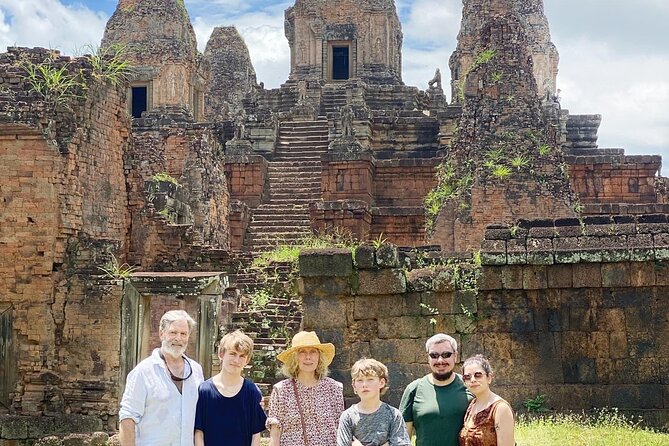
- Small groups (max 15) so you’re not lost in a crowd
- Sunrise + sunset focus for big-photo moments and better temple rhythm
- 11 temples over 2 days, including both the famous icons and quieter stops
- Hotel pickup and drop-off plus an air-conditioned vehicle for relief between sites
- Cold water and wet towels that actually help during hot walking stretches
Why this 2-day plan feels smarter than a rushed visit
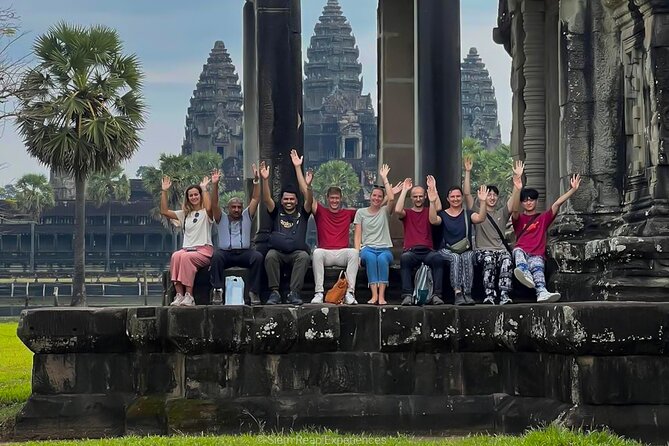
Angkor can chew up time fast. The complex is huge, the sights are spread out, and going at your own pace usually turns into a debate about tuk-tuks, schedules, and what you’re missing.
This tour gives you structure for two key moments: the early morning atmosphere at Angkor Wat and the slower second day that ends with sunset viewing. You’re also not spending your travel day figuring out where to go next, which is a big deal when you want enough energy left to enjoy what you’re seeing.
And yes, the tour is very temple-heavy. That’s the point. But the best version of temple touring is the one where you understand what you’re looking at, and the guides on this itinerary are consistently praised for turning stone and carvings into stories you can remember.
You can also read our reviews of more tours and experiences in Siem Reap.
The early start: what 4:30 am changes for you
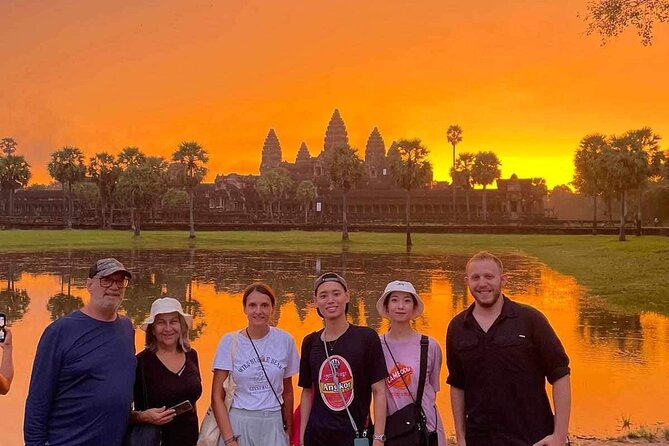
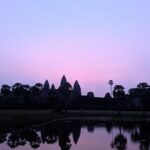
The tour begins at 4:30 am, with pickup from around Pub Street (Siem Reap Pub Hostel area). If you’ve ever wondered why people talk about Angkor sunrise like it’s a religion, here’s the practical answer: you beat the crowds and you get a calmer, more “readable” view of the temples.
Bring realistic expectations. This is not a slow breakfast walk. You’re going out early so you can see Angkor Wat in softer light, and you’ll have time at the temple with your guide explaining what you’re looking at.
One review specifically notes a flashlight was provided for the early start, which is a thoughtful touch if you’re dealing with low light and uneven ground before sunrise. If you’re sensitive to early mornings, plan the rest of your day around recovery naps, because day one ends up being a lot more active than it looks on paper.
Day 1 at Angkor: Angkor Wat, Bayon, Ta Keo, Ta Prohm
Day one is where the tour hits the headline temples and teaches you how they connect.
Angkor Wat at sunrise (about 2 hours)
You’re picked up from your hotel, then guided to Angkor Wat for sunrise. You’ll have time to explore inside and learn from your guide, and admission is not included in the tour price.
This is the core experience for many people. Why it’s worth doing with a guide: Angkor Wat is visually stunning, but it can also feel like you’re staring at details without knowing what they mean. Having an on-site explainer helps you notice patterns in the layout, religious symbolism, and the way the Khmer kings framed their world through temple design.
Angkor Thom South Gate (about 30 minutes)
Next is the South Gate of Angkor Thom, a 12th-century city gate with carved faces and stone figures lining the causeway. This stop is short by design, which is actually helpful. You get the dramatic entry scene without burning half the day on one location.
If you’re thinking about photos, this is a good moment. The gate and causeway give you strong framing, and you can use the brief stop to get a few angles before the day grows more intense.


Bayon Temple (about 2 hours)
Then you move to Bayon Temple, a richly decorated Khmer temple connected to Buddhism, built in the late 12th or early 13th century as the state temple of a Khmer king.
This is one of the places where understanding changes everything. Those famous faces aren’t just decoration. Your guide’s job here is to connect architecture, belief, and time period so you don’t just remember the look—you remember the why.
Ta Keo with a breakfast break (about 1 hour)
Before entering Ta Keo, the schedule includes a break for breakfast, but meals are not included in the tour price. Ta Keo is described as a temple-mountain and possibly the first built entirely of sandstone by the Khmer.
The practical value of this stop is that it shifts you from the busiest “headline” areas into a different kind of temple experience. It’s still major, but the mood can feel calmer, especially compared with the crowds you often see around the best-known compounds later in the day.
Ta Prohm (about 1 hour)
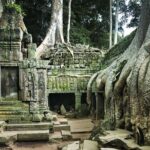
Ta Prohm rounds out day one. It’s near Siem Reap and about one kilometer east of Angkor Thom, on the southern edge of the East Baray, and it’s described as being built in the Bayon style.
Ta Prohm works well as a closing note for day one. You’re transitioning from the biggest complexes into a temple that feels visually different and therefore easier to keep your attention after a long morning. It’s also a good place to slow down for photos and let the carvings and layout sink in.
Day 2 at Angkor: quieter temples and a sunset finish
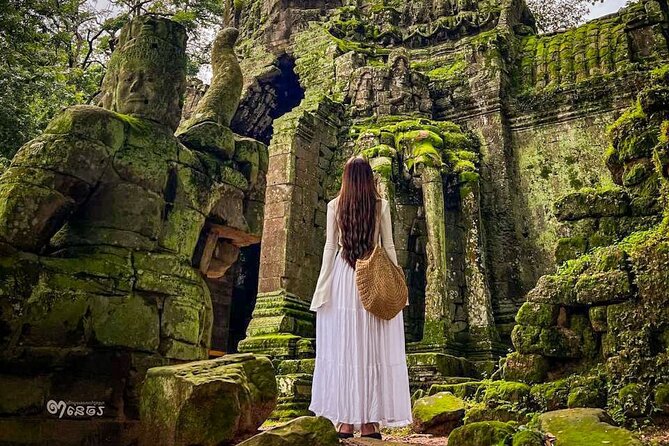
Day two is built for the “less visited” side of Angkor, with a final push toward sunset. You’ll still spend a lot of time walking and moving between sites, but the sequence is designed to keep things varied.
Pre Rup (about 2 hours)
Pre Rup is a Hindu temple at Angkor, built as the state temple of Khmer king Rajendravarman and dedicated in 961 or early 962. It’s described as a temple mountain with brick, laterite, and sandstone.
This is where the tour shows you Angkor isn’t one single temple style. Pre Rup helps you see how the Khmer kings used temple-mountain design to express power and belief across different reigns.
Ta Som (about 1 hour)
Ta Som is a small temple at the end of the 12th century for King Jayavarman VII, located north east of Angkor Thom and just east of Neak Pean.
Small temples can be underrated on tour plans. A tighter stop like this can be a relief after longer, more famous compounds. You get a concentrated experience without feeling like you’re trudging through another massive courtyard.
Neak Pean (about 1 hour)
Neak Pean is an artificial island with a Hindu temple on a circular island in Jayatataka Baray. It’s associated with Preah Khan temple and also tied to Jayavarman VII’s reign.
This is a great example of why having a guide helps. With a place like Neak Pean, the visual “wow” is there, but the meaning is easier to catch when someone explains the relationship to the water management system and the broader religious setting.
Preah Khan (about 2 hours)
Preah Khan is a 12th-century temple built for Jayavarman VII to honor his father. It’s located northeast of Angkor Thom and just west of the Jayatataka baray.
This stop tends to work because it feels connected to the bigger map of Angkor. Your guide can connect it to the previous site’s water setting and temple purpose, so day two doesn’t feel like separate random stops.
Phnom Bakheng (final stop)
Phnom Bakheng is a Hindu temple mountain dedicated to Shiva, built at the end of the 9th century during the reign of King Yasovarman. It’s the end of the listed route, and day two is also where you stay to watch the sunset.
If you want a smoother experience here, plan to be flexible with your final photos. Sunset timing can create a sudden rush for viewpoints, and the temple area tends to get busy around the golden hour. Staying calm and following your guide’s cue gives you better results.
What you’re actually paying for: guide power, not just transport
The price is listed as $35.00 per person, and temple admission is not included (with temple ticket cost listed as $62.00 per person). Once you add those together, you’re looking at a higher all-in amount, but you’re also buying a lot of guide time across two days.
Here’s what that value looks like on the ground:
- You’re not dealing with logistics between temples. Hotel pickup, an air-conditioned vehicle, and a set route remove the constant decisions.
- You get pacing help. Reviews mention guides keeping groups moving in heat and offering frequent water. One group specifically called out how the guide managed people during very warm conditions around 40 degrees Celsius.
- You get context. Names like Sok, Vone, Sam, Heang, Ho Heang, Sem, Pheap, Sayon, Sary, and Nick show up in praise for explanations and stories. The repeating theme is that the guide doesn’t just point at carvings, but gives you enough background to understand why that temple exists and what you should notice.
And small comfort items matter more at Angkor than most people expect. Cold water and wet towels aren’t luxury here. They’re the difference between enjoying a second round of temples and feeling wrecked.
Tickets, meals, heat, and what to plan around
A simple but important point: temple admission fees are not included in the tour price. The information provided lists temple tickets as $62.00 per person. So you’ll want to budget for that up front.
Meals are also not included. The itinerary includes a breakfast break before Ta Keo, but it’s your meal to manage. Lunch is also typically something you’ll need to plan for during breaks, and reviews mention stops for restroom breaks and a lunch stop at a restaurant.
Now for heat and comfort. Angkor days can be punishing, and reviews emphasize staying hydrated and taking cues from the guide. You’ll be given cool water during the day, and you’ll also have the option to rest in the air-conditioned vehicle during heavier moments, which is a big quality-of-life detail.
If you go, I’d treat this tour like an active day. Wear shoes you can walk in all day, and plan for the fact that you’ll spend time moving between temples, not just standing around.
Who this tour fits best
This is a strong choice if you want:
- a two-day plan that doesn’t feel like a sprint
- more than the biggest photo stops, because the second day includes quieter temples like Neak Pean and Preah Khan
- a small group experience (max 15), which usually means more chances to ask questions and get help with photos
It’s also a good fit if you prefer learning with a guide while still having time to wander. Reviews mention guides giving enough explanation before allowing time to explore and take pictures at each site.
If you’re the kind of traveler who enjoys history but gets bored by lectures, this works because the stories are tied directly to what you’re seeing right now. You’re not memorizing a timeline. You’re learning what the architecture is saying.
Price and logistics: where the real costs add up
On the surface, $35 for two days sounds like a bargain. The fine print changes the math, because the temple ticket is not included and is listed at $62.00 per person.
Still, I think the value holds up for most people because the tour bundles the stuff that would otherwise cost you time and hassle:
- air-conditioned transport
- hotel pickup and drop-off
- a guide for 2 days across many temples
- cool water and wet towels to make the day tolerable
If you’re a super confident DIY planner with strong confidence in timing and routing, you might do it on your own. But if you want the experience to flow, the combination of guide + transport + comfort items usually makes this feel like money well spent.
Should you book this Angkor 2-day tour?
I’d book it if you want sunrise at Angkor Wat, sunset on day two, and a structured route that shows both the famous temples and the quieter ones. The best proof is the consistency of guide praise and the repeated focus on water, comfort, and pacing.
Skip it or be more cautious if you hate early starts or you’re likely to miss pickup timing. One low rating mentions a lack of flexibility around meeting the guide and waiting at stops. If you’re traveling independently, double-check your pickup location and be ready a few minutes early.
If you want Angkor without the mental load, this is the kind of tour that earns its place on your schedule.
FAQ
What time does the tour start?
The tour start time is 4:30 am, with pickup from the Siem Reap Pub Hostel area.
How long is the tour?
The duration is listed as 2 days (approx.).
What’s included in the price?
Included items are an air-conditioned vehicle, a tour guide, cool water and wet towel, and hotel pickup/drop-off. The tour is set up to cover 11 temples over two days.
Are entrance fees included?
No. Temple entrance tickets are not included in the tour price. The temple ticket cost is listed as $62.00 per person.
Are meals included?
No. Meals are not included. There is a breakfast break mentioned, but meals aren’t part of the tour price.
What group size should I expect?
This tour has a maximum of 15 travelers, which is part of why it can feel more personal.
Does it use mobile tickets?
Yes, the tour includes a mobile ticket.
Is there a lot of walking?
Yes. The tour involves temple-to-temple walking and time on foot, and it can feel like a long active day, especially in the heat.