REVIEW · CANCUN
5 Days Mayan Heritage History Tour
Book on Viator →Operated by Special Mayan Tours Cancun · Bookable on Viator
Tulum hits you fast, then the route keeps stacking Mayan culture. This 5-day Mayan Heritage History Tour strings together famous sites and smaller ruins with a small group feel, plus hotel pickup for a smooth start. You’ll also get built-in admission tickets at each stop, so you’re not doing vacation math all day.
What I like most is how much is handled for you: entrance tickets are included and you get four nights of hotel stays, with a driver/guide doing the logistics. That matters when you’re bouncing between different regions around the Yucatán. One consideration is the pace and time on the road; you’ll be spending long hours in the car, so plan for that up front.
In This Review
- Key Highlights You’ll Actually Feel
- Why This 5-Day Mayan Route Works Well From Cancun
- Price and Value: What $1,195 Covers (and What You’ll Still Pay For)
- Day 1: Tulum Ruins First, Then Kohunlich’s Mayan Sun-God Masks
- Day 2: Bécan’s City Walls, Chicanná’s Writing Clues, and Misol-Há Water Break
- Day 3: Palenque and Pakal’s Tomb, Then a Full Colonial Day in Campeche
- Day 4: Edzná’s Five Stories, Uxmal’s Decoration, and Mérida’s Cathedral Evening
- Day 5: Chichén Itzá Final Stop, Plus a Reality Check on Crowds and Timing
- Hotels and Comfort: Four Nights, Air Conditioning, and Town-Walking Opportunities
- The Guide Makes It or Breaks It: Names You May Hear and What to Watch For
- Food and Timing: How to Eat Well When Meals Aren’t Included
- Best Fit: Who This Tour Suits Most (and Who Might Want a Different Style)
- Should You Book This Mayan Heritage Tour?
- FAQ
- How many days is the Mayan Heritage History Tour?
- Where does the tour start, and what time is pickup?
- How big is the group?
- What archaeological sites are included?
- Are entrance fees included?
- Are meals included in the price?
- What accommodations are included?
- Is hotel pickup included in the tour?
- What language are guides offered in?
- What is the cancellation policy?
Key Highlights You’ll Actually Feel
- Small group of up to 10 means less waiting and more time with your guide
- Hotel pickup in Cancun or Playa del Carmen cuts down on stress the first morning
- Admissions included at every major stop so you can focus on the ruins
- A smart mix of iconic and lesser-visited sites across the Yucatán Peninsula
- 4 nights of included accommodations with air conditioning noted in multiple stays
- Two different modes of learning: ruins + real-world context in colonial towns like Campeche and Mérida
Why This 5-Day Mayan Route Works Well From Cancun
The big win here is that you don’t just chase one famous ruin. You move through a sequence that covers coastal Tulum, classic interior zones, and the heavy-hitter grand finale of Chichén Itzá. It’s the kind of trip where you start noticing patterns: architecture, calendar math, stonework, and how Spanish colonial cities grew later in the same region.
Also, the tour starts early, with pickup beginning around 7:30 am, which helps you beat the worst of the day’s heat and crowd peaks at many sites. Since the group is capped at 10 travelers, you’re more likely to get practical help with timing, where to stand, and how to take photos without feeling like you’re stuck behind a parade.
You will be in a vehicle a lot. If you hate long rides, this may feel like too much. But if you like turning transit time into learning time—listening, asking questions, and watching scenery change—this route fits that style.
You can also read our reviews of more tours and experiences in Cancun.
Price and Value: What $1,195 Covers (and What You’ll Still Pay For)
At $1,195 per person, you’re paying for more than a bus trip. The tour includes:
- 4 nights of accommodation
- All admissions to the archaeological sites
- All activities
- Driver/guide
- Hotel pickup in Cancun or Playa del Carmen
That’s strong value when you compare it to the cost of stacking hotels + entrance fees + guided transport separately. The hidden cost you should plan for is food: meals and drinks are not included. The good news is that you’ll be directed toward local places to eat, but you’ll still want to budget for lunch most days.
One more value piece: departure is guaranteed as long as at least 2 passengers are booked. That lowers the odds of you getting canceled after you’ve planned your schedule.
My practical advice: set aside extra money for snacks and at least a few sit-down meals. And pack a small water bottle and light snacks so you’re not stuck waiting when a site runs long.
Day 1: Tulum Ruins First, Then Kohunlich’s Mayan Sun-God Masks
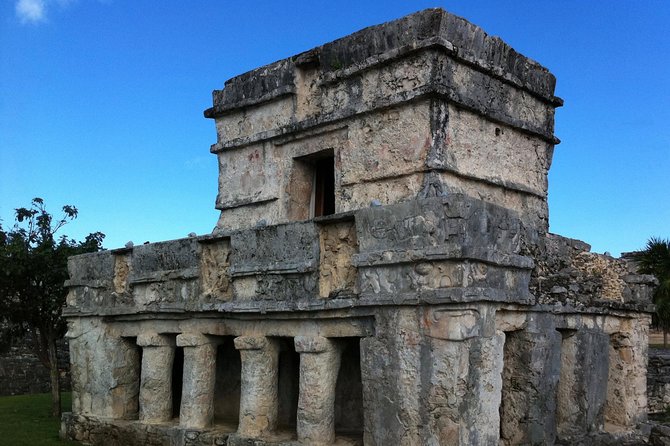
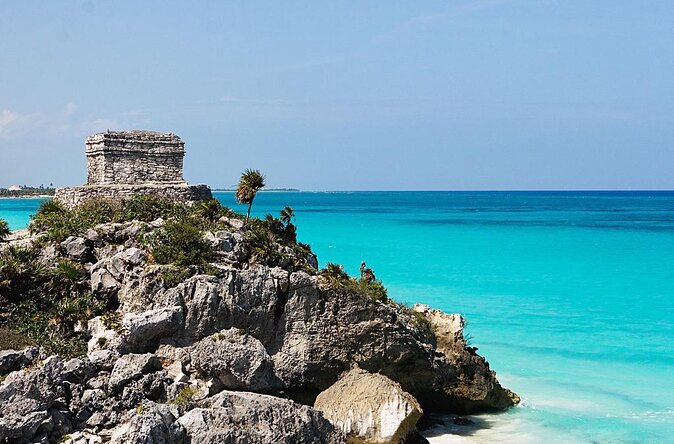
Day 1 is a great emotional opener. You start with Tulum, a Mayan site that sits with the ocean right there in your view, so the ruins feel exposed and dramatic instead of tucked into the jungle. It’s an easy first day if you’re new to Mayan ruins because the layout is clear, and you get that quick sense of how the site guarded trade and travel.
You’ll have about 2 hours there, with admission included. That’s enough time to walk the main areas and still stop to look closely at stone details instead of rushing straight through.
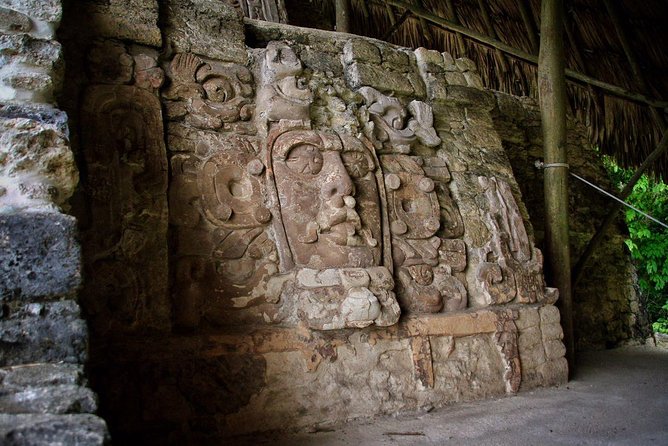
Then comes Kohunlich, known for its impressive sculptural work—especially the masks tied to the Mayan Sun God theme. You get around 1 hour 30 minutes at the ruins. This is the kind of stop where your guide’s explanations can make you see what you’d otherwise miss: symbols, placement, and why certain faces show up in specific contexts.
A small caution for day one: Tulum’s coastal setting can feel breezy, but it still gets hot. Bring sunscreen, even if the weather looks friendly.
Day 2: Bécan’s City Walls, Chicanná’s Writing Clues, and Misol-Há Water Break
Day 2 leans into “how did they build and communicate” more than “look at this big temple.” You start at Bécan Archaeological Zone, a Mayan city enclosed by a wall and a moat. The big value of this stop is that it changes your mental picture from temple-only ruins to real urban design—defense, boundaries, and controlled access.
Plan for about 1 hour there. It’s not the longest stop, but the structure is strong enough to leave you with clear takeaways.
Next is Chicanná, where you’ll see evidence connected to the Mayan writing system on the walls. Expect about 1 hour 30 minutes. Writing and iconography can feel abstract if you’re not guided, so try to ask your guide what to look for in the inscriptions. Even a few pointed explanations can turn the stone into readable ideas.
Then you switch gears with nature: Cascadas de Misol-Há near Palenque. You’ll have about 1 hour there, with time for pictures and a quick swim if conditions allow. This stop is a morale boost. After two ruin-focused blocks, it gives you a break for legs and brain.
Practical tip: if you’re going to swim, do it early. Tour schedules move fast, and water time can vanish if the day runs hot or if you’re catching up with photos.
Day 3: Palenque and Pakal’s Tomb, Then a Full Colonial Day in Campeche
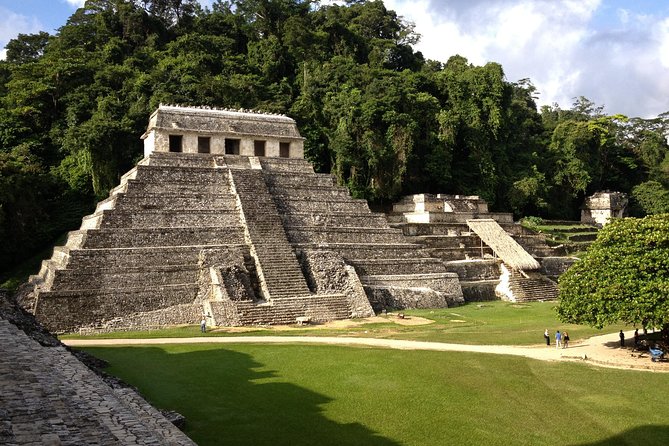
Day 3 is where the trip sharpens into “major Mayan kings and monumental art.” You start at Zona Arqueologica de Palenque, tied to one of the most famous rulers: Pakal the Great. The standout story is his tomb, discovered in the 1950s, and the jade funerary mask found as part of that discovery. You’ll get around 2 hours, which is usually enough time to see the main architectural areas and understand why Palenque mattered.
Palenque can feel dense—lots of stone, lots to notice. This is a day to slow down when your guide points out details. If you’re the type who likes climbing viewpoints or getting different angles, this is one of the best places on the route.
After Palenque, you shift to history in a different language: Centro Histórico de San Francisco de Campeche. You’ll spend about 8 hours here, plus admission included for the day’s programming. Campeche is a colonial town along the coast with pirate-era stories, so you’re not only looking at buildings—you’re imagining the threats and trade patterns that shaped them.
This long time block is a gift if you like walking, shopping for small souvenirs, and eating at a slow tempo. Even if you’re not a big museum person, Campeche gives you breathing room.
Day 4: Edzná’s Five Stories, Uxmal’s Decoration, and Mérida’s Cathedral Evening
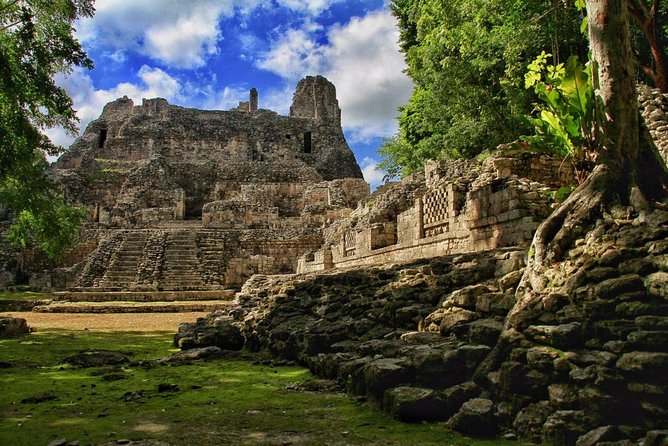
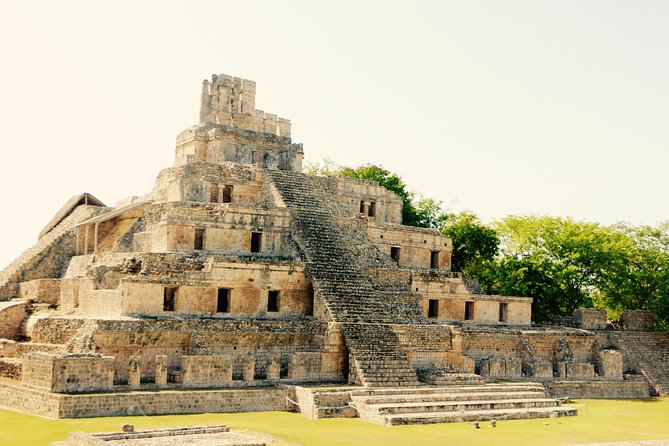
Day 4 strings together three very different stops, which keeps your brain engaged. First up: Edzná Archaeological Zone, described as the birthplace of an important Mayan dynasty linked to the Itza. The highlight is the temple with five stories. You’ll have around 1 hour 30 minutes here.
Edzná often feels less frantic than the top-billed names, which means you can focus on shapes and layers. If you want a quieter site day that still feels meaningful, this is it.
Next is Zona Arqueologica Uxmal, famous for being built three times and for its heavy emphasis on decoration. You’ll get about 2 hours here. Uxmal is a great spot for learning how Mayan art worked with geometry—patterns, textures, and repeated motifs that look different as the light changes.
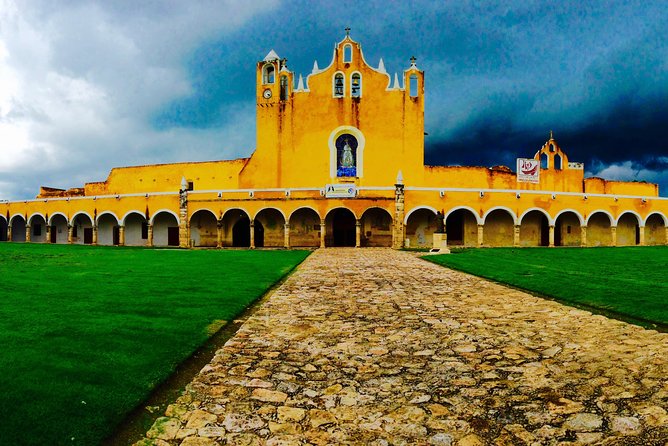
Then you head to Cathedral de Mérida in the big colonial city of Mérida, with around 8 hours scheduled and an overnight stay. This is a strong contrast day: your eyes have been trained on Mayan stone, and then you switch to colonial architecture and city life.
If you enjoy photo stops, Mérida is where you’ll likely want a bit more time just to wander streets after the main cathedral viewing.
Day 5: Chichén Itzá Final Stop, Plus a Reality Check on Crowds and Timing
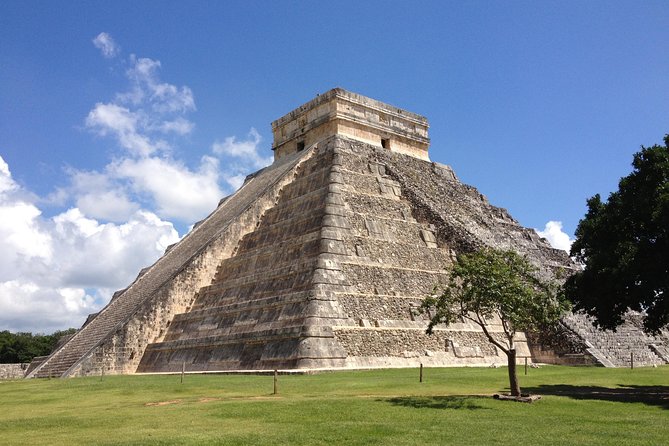
You end with Chichén Itzá (Yucatán)—one of the most famous Mayan sites in the world. You’ll have about 2 hours 30 minutes and admission included. The timing matters here. It’s a major draw, so try to stay focused on what the guide tells you rather than letting the crowds steal your attention.
This is also where a guide’s style really shows. If they take time to point out the key architectural and symbolic details, Chichén Itzá becomes more than a famous silhouette. If they rush, it can feel like you saw the place but didn’t understand the place.
Keep your expectations realistic: you’ll likely be doing a lot of walking and you’ll want to plan your photos efficiently. Bring a hat, use sunscreen, and wear shoes that won’t punish you by hour two.
Hotels and Comfort: Four Nights, Air Conditioning, and Town-Walking Opportunities
The tour includes 4 nights in hotels, specifically:
- Night 1: Calakmul Xpujil
- Night 2: Nutuntun Hotel
- Night 3: H177 Hotel
- Night 4: Gran Real Yucatan or Los Aluxes Hotel
What stood out positively in the experience notes I saw: rooms with air conditioning and hotels with swimming pools. That’s not just comfort—it’s recovery. After long days at ruins, you want a place to cool down and reset before the next morning pickup.
One small heads-up: one stay was described as having local construction noise. That’s not a deal-breaker for everyone, but if you’re a light sleeper, it’s worth asking about quiet rooms at check-in.
Also, the way this route picks hotels matters. You get at least some nights where you can walk around the nearby town areas, which helps you not feel trapped inside the itinerary.
The Guide Makes It or Breaks It: Names You May Hear and What to Watch For
This is where I’m going to be very direct, because the quality gap shows up in real feedback.
In positive experiences, guides like Max are highlighted for being friendly and for connecting Mayan history and culture to what you’re looking at. The driver Moises is mentioned for safe, careful driving, which matters on long, winding days. In other strong notes, local guides such as Abraham and Jose were credited with going above and beyond with both ancient and modern context.
In negative feedback, one guide named Alberto was criticized for rushing, providing brief introductions, struggling with questions, and not supporting proper meals during the day. That same feedback also flagged safety concerns from an argument in a town, which is the kind of issue no traveler should ignore.
So here’s my practical take: this tour can be excellent when the guide actually guides—slow enough to answer questions and pace photos properly. If you care about depth, bring curiosity. Ask questions early. If you feel rushed from stop to stop, say so calmly on day one. A good guide adjusts when you request more time.
Food and Timing: How to Eat Well When Meals Aren’t Included
Meals are not included, but you’re not left completely on your own. The approach described is that there are stops for local food suggestions along the way. Still, you should treat this as a tour where you’ll plan your own lunches and snacks.
To travel smarter on these long days:
- Carry a few snacks for the car (bars, nuts, crackers)
- Ask your guide the night before (or early the next morning) where you’ll likely eat
- If you have dietary needs, tell your guide before the first lunch stop
If you’re the type who likes a full meal every day, budget for it. One negative experience noted an absence of proper lunch timing, so don’t assume every day will include a sit-down option that works for your schedule.
Best Fit: Who This Tour Suits Most (and Who Might Want a Different Style)
This tour is a strong match for:
- Mayan history fans who want variety across multiple regions
- First-timers who want a guided overview without having to plan every stop alone
- People who don’t mind long drives in exchange for seeing a lot of sites
It may be a tough fit if:
- You dislike frequent schedule changes and long time in vehicles
- You need very slow pacing and lots of free time at each site
- You have mobility concerns that make big walking days harder (the tour states most can participate, but most still means you should self-check your comfort level)
Age range is not specified, but one negative account mentioned the rushing could be hard for older travelers or those with special needs. If that describes you, prioritize asking about pacing and your preferred time at each ruin before committing.
Should You Book This Mayan Heritage Tour?
I’d book this tour if you want a structured route with admissions included, four nights of lodging, and the chance to see both headline sites and lesser-known ruins across the Yucatán Peninsula. The mix of Tulum, Kohunlich, Bécan, Chicanná, Palenque, Edzná, Uxmal, and Chichén Itzá gives you a real arc, not just a check-the-box list.
I’d think twice if you’re very sensitive to pacing, you expect deep answers at every stop, or you know you need guaranteed meal planning. Because guide performance can swing, your best strategy is to set expectations early: ask questions, request a reasonable photo pace, and confirm where you’ll eat.
If you’re curious, flexible, and ready for a road-heavy 5 days, this one can be a great way to understand Mayan civilization without doing the logistical heavy lifting.
FAQ
How many days is the Mayan Heritage History Tour?
It runs for 5 days (approx.).
Where does the tour start, and what time is pickup?
Pickup starts around 7:30 am. You can be picked up at hotels in Cancun or Playa del Carmen.
How big is the group?
The tour has a maximum of 10 travelers.
What archaeological sites are included?
The route includes Tulum, Kohunlich, Bécan, Chicanná, Misol-Há, Palenque, Edzná, Uxmal, and Chichén Itzá, plus time in Campeche and Mérida.
Are entrance fees included?
Yes. All admissions to archaeological sites are included.
Are meals included in the price?
No. Food and drinks are not included, and meals are not included during the trip. The staff will recommend places to eat.
What accommodations are included?
You get 4 nights of accommodation, with hotels including Calakmul Xpujil, Nutuntun Hotel, H177 Hotel, and Gran Real Yucatan or Los Aluxes Hotel.
Is hotel pickup included in the tour?
Yes, hotel pickup is included for hotels in Cancun and Playa del Carmen.
What language are guides offered in?
It is offered in English, and the tour may be operated by a multi-lingual guide.
What is the cancellation policy?
You can cancel up to 6 days in advance for a full refund. Cancel 2–6 days before for a 50% refund. Cancel less than 2 days before and the amount paid is not refunded.