REVIEW · ABERDEEN
Aberdeen’s Ancient Heritage and Folklore Tour
Book on GetYourGuide →Operated by Grampian Escapes & Tours Ltd · Bookable on GetYourGuide
Pictish stones make time feel close. I love how this tour pairs hands-on walking at ancient sites with real explanations of what you’re seeing, not just dates on a board. I also like the small-group feel, where the guide can slow down and answer questions as you go, including the meanings behind Pictish symbols. The main drawback to plan around is the moderate walking: unpaved paths, grassy ground, and a few steeper hill sections.
If you’re the type who likes history with fresh air and views, you’ll probably enjoy the way the day connects people, power, and belief in northern Scotland. The Picts show up repeatedly, from hillfort life to carved stones and the big cultural shifts that eventually changed everything. You’ll spend a lot of the time outdoors, so weather matters more than on an indoor museum day.
In This Review
- Key highlights you’ll actually feel on the day
- What makes this tour different: folklore plus the physical evidence
- Starting near the William Wallace statue: your day begins with good direction
- Barra Hill Fort: walking the earthworks and reading the terrain
- Dunnideer Castle and the nearby stone circle remains
- Rhynie and Tap O’Noth: the Pictish stronghold in big, real scale
- Recumbent stone circles and Pictish symbol stones near Inverurie and Dyce
- Kildrummy lunch break and Tomnaverie Stone Circle panoramas
- Guide power: the difference between seeing stones and understanding them
- Price and value: $134 for 7.5 hours of stone-and-hillfort time
- What to bring and how hard the walking is really
- Who this tour is best for (and who should skip it)
- Should you book? A practical yes for the right kind of traveler
- FAQ
- Where is the meeting point for the tour?
- How long is the tour?
- How much does it cost?
- Is lunch included?
- Do I need to buy entry tickets for the sites?
- How much walking is involved?
- What should I bring?
- Is the tour limited to a small group?
- Is the guide English-speaking?
- Is the tour suitable for mobility impairments or low fitness?
Key highlights you’ll actually feel on the day
- Walking the earthworks at Barra Hill Fort gives you a sense of how settlements shaped the hills.
- Tap O’Noth near Rhynie brings you face-to-face with what’s described as Scotland’s largest hillfort.
- Pictish carved stones and symbol meanings turn rock carvings into a story you can follow.
- Recumbent stone circles near Inverurie show off one of Scotland’s most distinctive ancient designs.
- Tomnaverie Stone Circle viewpoints are the kind of stop that makes you pause and look longer.
- A guide like Jacqueline can connect folklore, symbols, and site context in plain language.
What makes this tour different: folklore plus the physical evidence
A lot of tours in the UK do history by showing you a building, then moving on. This one keeps you outdoors and uses the terrain itself as part of the explanation. When you walk along the earthworks of a hillfort or stand near a stone circle, you’re not just learning about the past—you’re seeing how people used height, sightlines, and stone placement to build community and meaning.
The folklore angle matters here. The tour is built around how stories shaped belief and culture, not just how monuments were built. You’ll hear connections between what the Picts were doing and what later changes did to their world. That blend helps the sites feel less like random points on a map and more like pieces of the same lived story.
You can also read our reviews of more tours and experiences in Aberdeen.
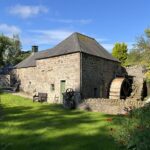
Starting near the William Wallace statue: your day begins with good direction
You’ll meet next to the William Wallace statue by Union Terrace Gardens on Rosemount Viaduct. It’s a convenient anchor point in Aberdeen, and it helps you get your bearings fast before the van ride starts.
Once you’re moving, the rhythm is clear: you’ll get enough driving between sites to cover distance, then you’ll have focused walking and stops at each place. The small group size (limited to 7) also changes the feel. You’re not stuck listening through a wall of voices while the guide tries to herd people along.
Barra Hill Fort: walking the earthworks and reading the terrain
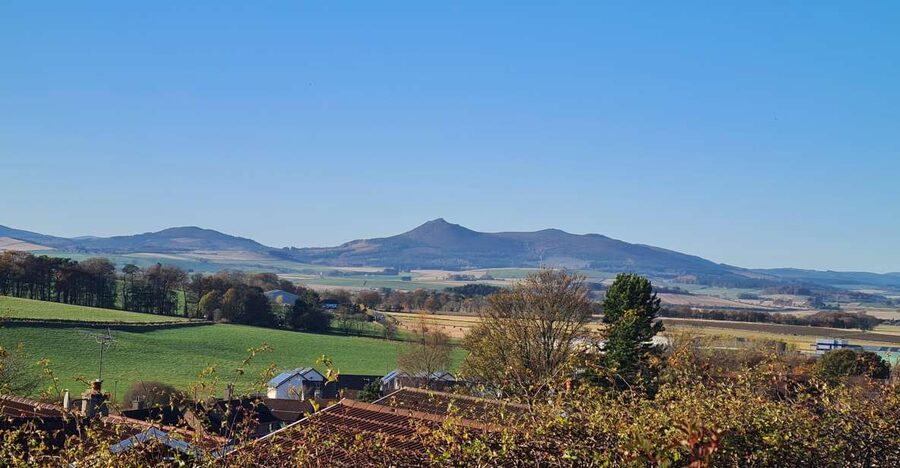
Your first ancient stop is Barra Hill Fort, where you’ll walk along earthworks and foundations. Hillforts like these were typically built on higher ground, and early communities often had wooden or stone enclosures. The goal of this kind of visit isn’t to pretend you’re living in the 1,000-year-old past—it’s to understand why people chose these locations and how daily life might have worked on the ground.
Expect a walk that mixes ground conditions: you go through fields and off-road paths. That means it’s not a flat stroll, but it’s also not an all-day grind. On a day like this, I like any stop where the guide can point out how a settlement might have been laid out just by reading the contours around you.
Dunnideer Castle and the nearby stone circle remains
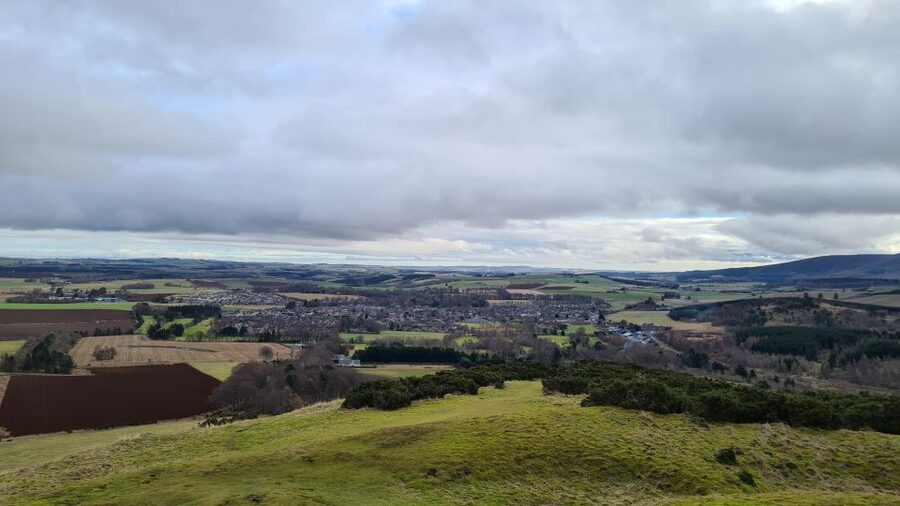
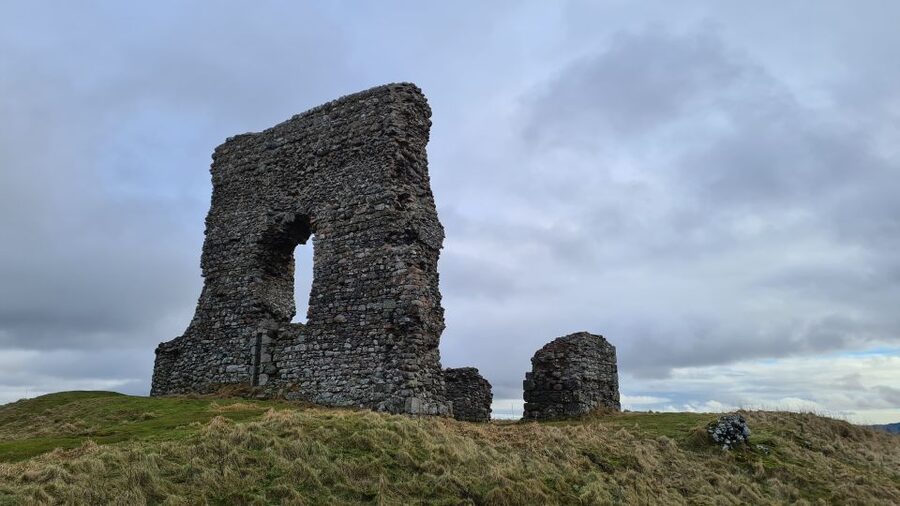
Next comes the Dunnideer Castle area near the village of Insch, with a photo stop and break time. The tower house is dated to around 1260, and what makes it especially interesting is that it used parts of an older vitrified hill fort at the same location.
A short distance away, there are the remaining stones of the Dunnideer Stone Circle. Even if you don’t spend a long time there, it adds a strong “time layers” feeling: Neolithic/Bronze Age ritual space nearby, then later medieval power taking advantage of an established strategic spot.
Rhynie and Tap O’Noth: the Pictish stronghold in big, real scale
Rhynie is where the Pictish story starts to feel oversized—in a good way. The highlight here is Tap O’Noth, described as Scotland’s largest hillfort. At its height, it’s said to rival the largest post-Roman settlements in Europe, and researchers believe it was home to a community of over 5,000 residents.
You’ll also see a collection of Pictish carved stones, and your guide will explain symbols and what they might have meant. One standout detail is the Crawstane, a lone standing stone that was once at the center of a settlement. The tour frames this as a place with trade connections across the Mediterranean and significant wealth, which is a reminder that the Picts weren’t isolated rural folk. They were part of wider networks.
Then there’s the heavier turning point: you’ll learn about the King of the Scots and how cultural changes in Scotland helped lead to the downfall of the Picts. The way that theme is handled matters. It’s not delivered like a lecture—you get it threaded through stones, placement, and what the evidence suggests.
Recumbent stone circles and Pictish symbol stones near Inverurie and Dyce
One of the best things about this tour is that it doesn’t treat “stones” as one category. It spreads the attention across different types of monuments and different kinds of carvings.
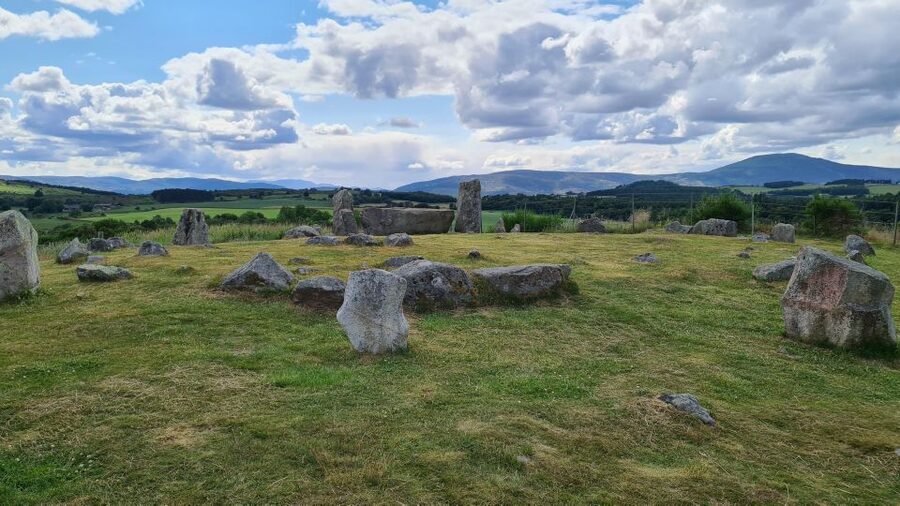
Near Inverurie, you’ll visit Easter Aquhorthies & Loanhead of Daviot Circles, described as among Scotland’s best-preserved recumbent stone circles, dating back over 4,000 years. The design is distinctive: a recumbent stone flanked by two tall stones, with a near-perfect ring of smaller stones around them. If you like ancient astronomy theories or how people marked the passage of time, this is the kind of stop where the physical arrangement does the explaining.
You’ll also encounter Inverurie’s Bass & Symbol Stones. The Bass is a natural mound about 15m high, later scarped into a medieval motte in the 12th century. The tour connects this layered use of the same ground—early organic mound, later medieval stronghold—with the four Class I Pictish stones sheltered in a glass case between the Bass and Little Bass. Seeing stones protected like that is a practical tradeoff: you may not touch the weathered originals, but you do get the carvings clearly.
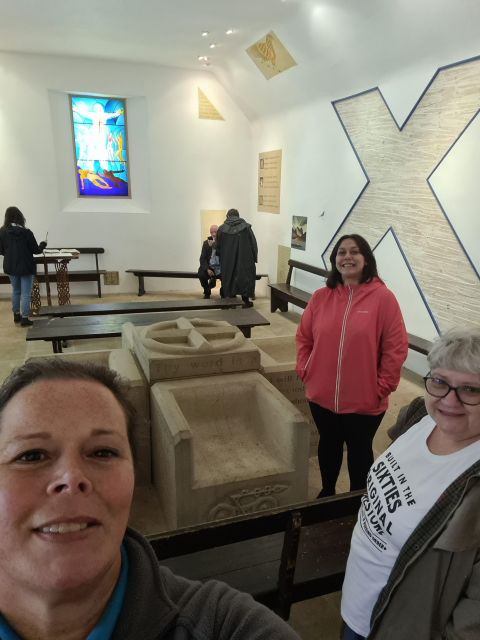
And then you’ll move to Dyce Symbol Stones, near St Fergus’ Chapel. These two Pictish stones date to around the 6th–8th centuries and are covered with intricate carvings: symbols like a mirror and comb, a double-disc, and a crescent, plus unique animal figures. It’s a different feeling than a hillfort walk. Here, the story comes through in the details—like reading an ancient symbol alphabet with the guide translating the best guesses.
Kildrummy lunch break and Tomnaverie Stone Circle panoramas
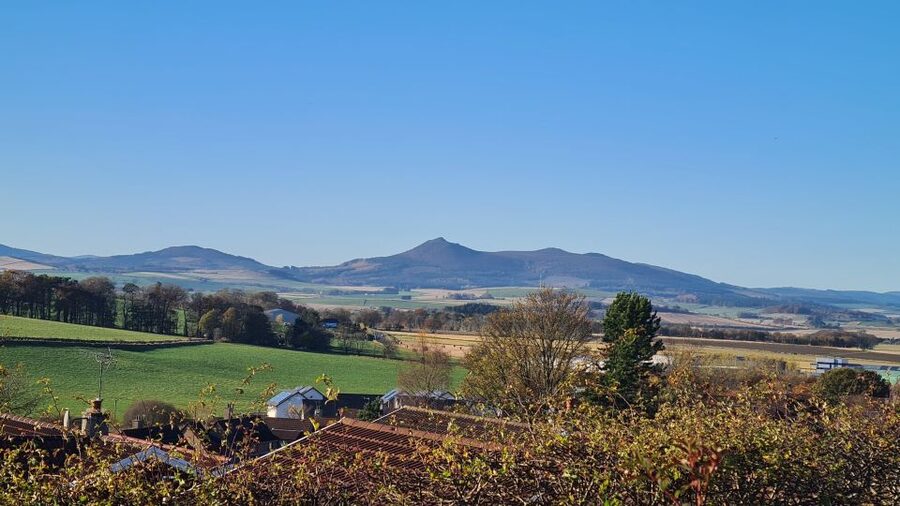
Between major sites, you get a break at Kildrummy, with a lunch stop. Food and refreshments aren’t included, so I’d treat this as your chance to grab something convenient nearby and then reset for the final stretch.
After lunch, you’ll visit Tomnaverie Stone Circle. Expect a photo stop plus a visit and walk, about 35 minutes. One of the most praised parts of the day is the panoramic view from this circle area. In practical terms, that means the location isn’t just “interesting on paper.” It gives you the sense of standing in an old ceremonial spot while still seeing the modern world around it.
Some days on this route may also include a stop at Migvie Church, which has shown up as a standout in at least one guest’s highlight list. Even if you don’t know much about it ahead of time, that’s the kind of stop that can add an extra layer—older Pictish feel with a modern presentation.
Guide power: the difference between seeing stones and understanding them
This is the kind of tour where the guide isn’t optional. Your guide brings the symbols to life and gives context that you won’t reliably figure out on your own from a distance.
In the small-group format, the guide can also adjust pacing. I like tours where you’re not forced to rush between stops while the story stays stuck in the guide’s head. Here, the tone is described as calm and unhurried, with the guide generous with time—so if you want to linger at a carved stone, you usually can.
The reviews also point to Jacqueline as a standout guide on this route, with extensive knowledge and a clear love for the subject. You’ll likely hear folklore threaded through site context, and you’ll get explanations of symbols rather than generic statements.
Price and value: $134 for 7.5 hours of stone-and-hillfort time
At $134 per person for about 7.5 hours, you’re paying for three things that matter:
- a live English guide
- van transport between the major rural sites
- access to a route that strings together multiple ancient monuments without you doing the driving homework
There are no additional entry tickets required, which helps keep the day from turning into surprise costs. The tradeoff is that lunch isn’t included—there’s a scheduled lunch break, but food and refreshments are on you.
For me, the value comes from how much variety you get: hillfort earthworks at one end, recumbent circles and symbol stones on the other, plus a strong interpretive layer explaining Pictish meaning and cultural change. If you try to DIY this alone, you’d still need transport and you’d miss a lot of the symbol-level interpretation.
What to bring and how hard the walking is really
This tour involves moderate walking with unpaved paths/off-road walkways and grassy terrain, plus some steep sections on hills. You’re not required to participate in every walk if you don’t want to, which is a useful safety valve. Still, this is not a sit-and-stroll day.
Bring:
- comfortable shoes (sturdy is better)
- hiking shoes if you have them
- water
- weather-appropriate outdoor clothing
If you’re the kind of person who likes extra stability, you can bring your own walking poles. The tour notes that a few poles may be available on the day, but don’t count on borrowing if you prefer your own gear.
Who this tour is best for (and who should skip it)
This experience is a good fit if you:
- like stone circles, hillforts, and early medieval/Pictish themes
- enjoy guided explanations you can’t easily pull out of signage
- want a day focused on the northeast of Scotland beyond just Aberdeen’s center
It’s not a great fit if you have low fitness or mobility impairments, since the route includes uneven ground and hill sections. If you know you’ll struggle with steep, rough paths, it’s worth looking for something more accessible.
Should you book? A practical yes for the right kind of traveler
I’d book this tour if you want a history day that feels grounded in place. The best reason is the mix: hillfort earthworks, stone circles, symbol stones, and folklore explanations that connect the pieces. The other reason is the small group size, which makes the guide’s explanations easier to absorb and more responsive to your questions.
Don’t book it expecting a fully flat walk or an indoor museum vibe. If you’re comfortable with outdoor walking on unpaved ground and want real meaning behind the stones, this is one of the more satisfying ways to spend a half day in Aberdeenshire.
FAQ
Where is the meeting point for the tour?
You’ll meet next to the William Wallace statue by Union Terrace Gardens on Rosemount Viaduct.
How long is the tour?
The tour lasts about 7.5 hours.
How much does it cost?
The price is listed as $134 per person.
Is lunch included?
Lunch is not included. There is a lunch break during the day, but food and refreshments are your responsibility.
Do I need to buy entry tickets for the sites?
No. The tour lists that there are no additional entry tickets required.
How much walking is involved?
Expect a moderate amount of walking. There are unpaved paths/off-road sections, grassy terrain, and some steep hills.
What should I bring?
Bring comfortable shoes or hiking shoes, water, and outdoor clothing appropriate for the weather.
Is the tour limited to a small group?
Yes. It’s limited to 7 participants.
Is the guide English-speaking?
Yes. The live tour guide speaks English.
Is the tour suitable for mobility impairments or low fitness?
No, it’s not suitable for people with mobility impairments or low level of fitness due to the terrain and hill sections.