REVIEW · ABERDEEN
Dunnottar Castle and Coastal Heritage
Book on Viator →Operated by Grampian Escapes Tours Ltd · Bookable on Viator
Cliff-top ruins and sea air in one run. I love the small-group pace that lets your guide work the day to your questions, and I love how Dunnottar Castle sits right over the North Sea. The one real catch: the castle walk involves steps and uneven, sometimes slippery ground in bad weather.
This tour also moves beyond the one big headline stop. You’ll get a compact hit of coastal towns, historic viewpoints, and a working-water mill—plus Wi‑Fi on board so you can plan your next move while you’re still rolling.
If you’re hoping for an easy stroller-style day, I’d skip this. If you like fresh air, short stops, and a guide who makes the story click, this is a very solid day out from Aberdeen.
In This Review
- Key highlights you’ll actually feel
- The big idea: why Dunnottar plus the coast works so well in a day
- Meeting point and day flow from Union Terrace (and why it matters)
- The van and the small-group pace (roomy, flexible, and easier to talk with)
- Falls of Feugh: the quick stop that turns into a nature moment
- Cairn o’ Mount viewpoint: a short climb with a wide payoff
- Dunnottar Castle: the cliff ruin, the Crown Jewels link, and the walking reality
- Practical heads-up
- Stonehaven: lunch on your terms, then harbor and boardwalk views
- Mill of Benholm: historic oat milling in a calm, water-powered setting
- Gourdon and Greyhope Bay: fishing village life and sea wildlife chances
- Price and what you’re really paying for ($142.92 plus the castle ticket)
- Weather, steps, and who should skip (or pack differently)
- Should you book Dunnottar Castle and Coastal Heritage?
- FAQ
- How long is the Dunnottar Castle and Coastal Heritage tour?
- Where does the tour start and end?
- What’s included in the price?
- Is lunch included?
- Do I need to pay extra for Dunnottar Castle entry?
- How big is the group?
- Is the tour suitable for mobility issues?
Key highlights you’ll actually feel
- Seven stops that balance big scenery with real local places rather than nonstop sightseeing checks
- Dunnottar Castle from the cliff edge, with time for viewpoints and the bay area
- Guide-led storytelling that adapts when weather turns (your schedule won’t feel rigid)
- Onboard Wi‑Fi and local food/drink samples, so you’re not going without on the road
- A route that mixes coast, moorland views, and historic industry (oat mill, fishing villages)
The big idea: why Dunnottar plus the coast works so well in a day
This is the kind of day trip that makes sense if you’re short on time in Scotland but still want variety. You start in Aberdeen, then you work your way through Aberdeenshire with a steady rhythm: one striking stop, then another, with room to pause and look closely.
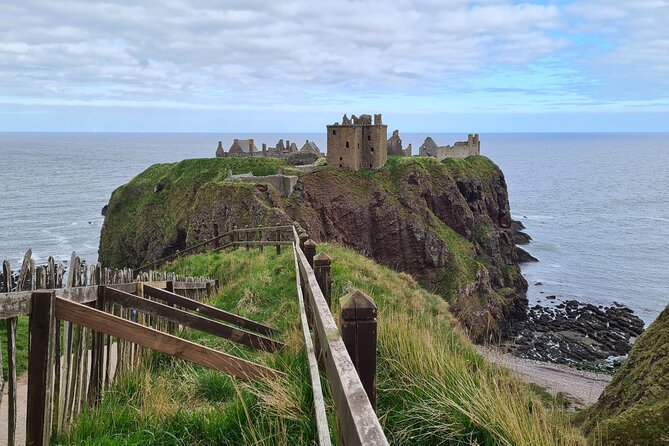
The Dunnottar portion is the obvious anchor. It’s the cliffside setting that grabs you first, and then the stories that stick—how this dramatic site shifted roles over time, from sacred ground to a family home and later a military stronghold. You also get the Crown Jewels angle, which gives the place more weight than the scenery alone.
What I like most is that the rest of the day doesn’t feel like filler. Falls of Feugh brings you close to the Water of Feugh and the salmon-run vibe. Stonehaven and Gourdon give you working-coast textures, not just photos of harbors. And the Mill of Benholm adds a quieter, grounded stop that shows how the region fed itself and moved grain through water power.
Meeting point and day flow from Union Terrace (and why it matters)
You start at the William Wallace Statue on Union Terrace in Aberdeen (AB10 1NP) at 9:00 am, and the tour returns you back to that same spot. That simple start/end loop matters because you can plan the rest of your day without guessing how to get back across the city.
The tour runs about 7 hours 30 minutes. That’s long enough to feel like a full day, but not so long that you’ll burn out on constant travel. With a maximum of 7 people, the group stays small, and you don’t get that loud-bus feeling where the guide has to rush to keep everyone together.
There’s also a practical comfort upgrade: onboard Wi‑Fi. It’s not the headline feature, but it helps you keep up—check the next stop, map your walk ideas, or even decide where to grab dinner after you’re dropped back.
The van and the small-group pace (roomy, flexible, and easier to talk with)
A small group makes the difference between seeing places and actually processing them. With only up to 7 people, your guide can slow down for a question, give extra context, and adjust the timing if the weather isn’t cooperating.
The guides are part of the reason this day lands well. I saw examples of guides like Alec, who kept the day interactive and excited during the salmon-migration moments, then helped redirect the plan when rain threatened the route. Jackie came through with a warm touch—local snacks and drinks, and the advice to dress for cold wind. Jamie was praised for humour and pacing, which matters when you’re hopping between coastal stops that can feel similar on a tight schedule.
If the day feels slightly different than the plan in your head, that’s a feature, not a bug. The tour works when you treat it like a conversation with the region, not like a checklist.
Falls of Feugh: the quick stop that turns into a nature moment
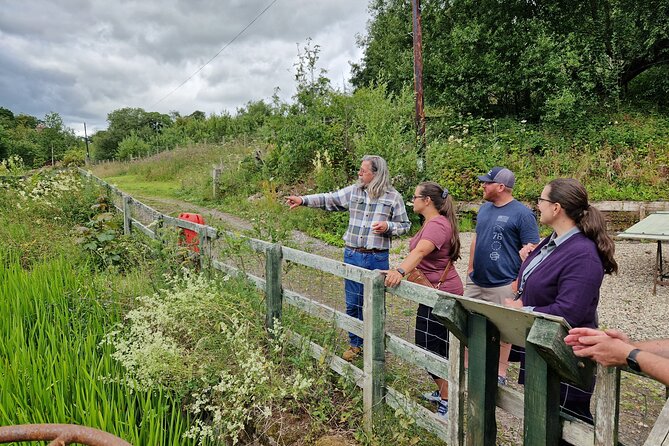
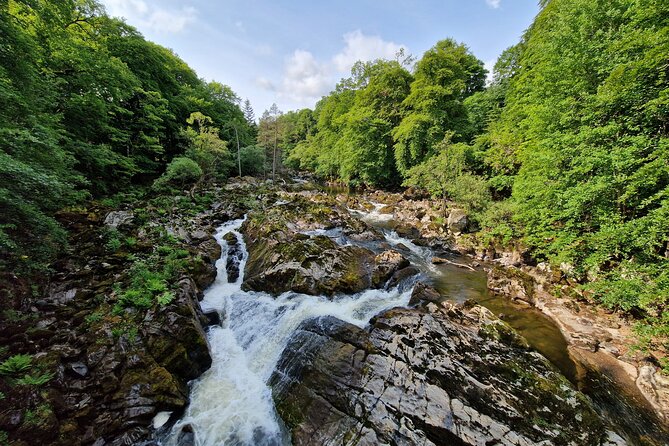
This is your first real taste of Aberdeenshire’s water and wildlife. Falls of Feugh is a series of cascades on the Water of Feugh, which is the largest tributary of the River Dee.
The footbridge view is key. It gives you a strong vantage point without needing a long hike. The highlight here is the salmon-leaping upstream story—especially during spawning seasons. Even if you don’t catch salmon mid-jump, the falls still deliver that “sound of water first, pictures second” feeling, and it’s a good place to reset your eyes before you move into towns and ruins.
Time on this stop is about 20 minutes, and that makes sense: you’re here to look, listen, and maybe spot movement, not to stay for hours.
Cairn o’ Mount viewpoint: a short climb with a wide payoff
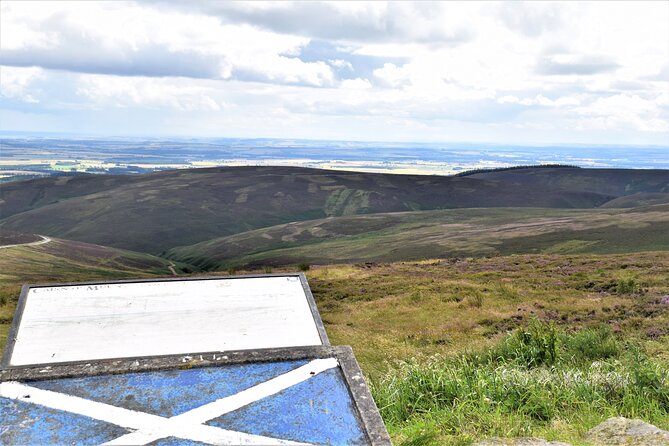
Next you head to Cairn O’ Mount Viewpoint. Cairn o’ Mount is a historic hill-pass route once used by drovers and for military connections between Deeside and the Howe of the Mearns.
What you’re getting is a “road to open views” experience. The drive climbs through forested slopes, then pushes you out into moorland before you reach the summit viewpoint. The payoff is the kind of panorama you don’t get from street-level stops: looking east toward the North Sea and south across the Mearns.
This is also one of the best spots for quick geography. You can connect what you’ll see later—coastline direction, open shoreline, and where towns sit in relation to sea and hills. Stop time is around 20 minutes, so dress for wind. A viewpoint can feel colder and harsher than the town you left behind.
Dunnottar Castle: the cliff ruin, the Crown Jewels link, and the walking reality
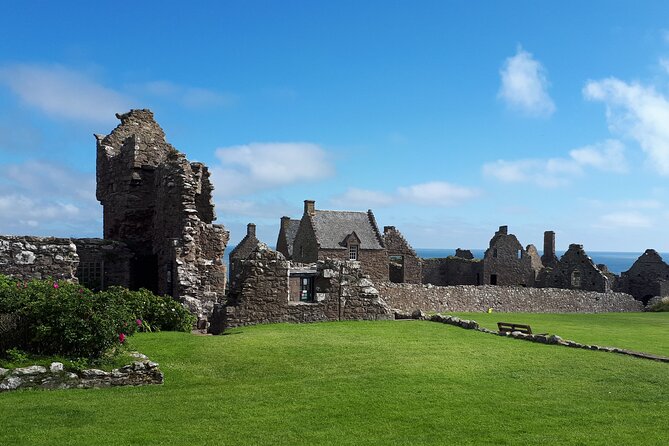
Dunnottar Castle is dramatic in a way that’s hard to fake. It’s perched on a cliff overlooking the North Sea, and the ruins look like they were made for sea fog and sunset—or for grey, rainy days when the rocks get extra contrast.
The site story is what makes it more than a postcard:
- It shifted from sacred site to family home.
- Later it became a military fortress.
- It also played a role in the Scottish Crown Jewels shelter story.
During your stop (about 1 hour 30 minutes), you can explore the grounds, viewpoints, and the bay area. That timing is ideal because you can do a slow look first, then decide how much walking you want within that window.
Practical heads-up
This is where you need to be honest with yourself. The castle sits on cliffs and involves steps and cobbled paths. In wet weather, those surfaces can be slippery. The tour is explicitly not recommended for mobility issues, and even if you’re generally steady on your feet, the combination of steps plus wind on an exposed site can be tiring.
Also budget for the optional ticket: Dunnottar Castle admission is not included, priced at £13.50 per person. If the ticket price is a dealbreaker for you, plan on how much you want to rely on views from outside versus full access.
Stonehaven: lunch on your terms, then harbor and boardwalk views
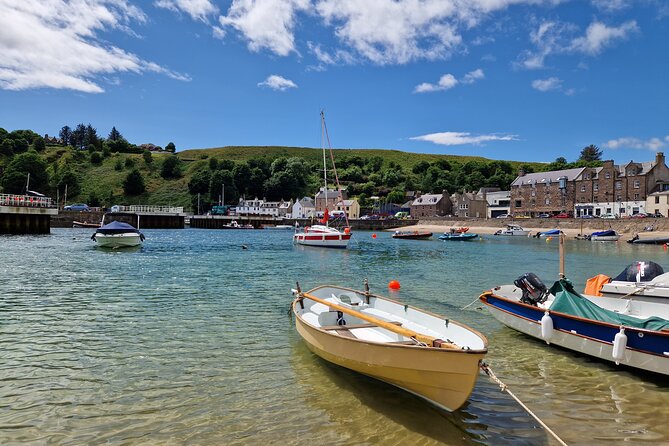
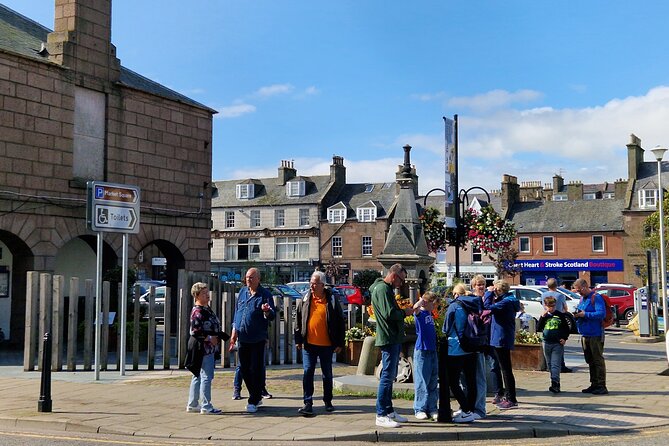
Stonehaven is a charming coastal town stop where you’ll start with time for lunch. Lunch isn’t included, so this is a “choose your own” moment. If you’re unsure what to order, you can ask your guide for suggestions, since they’ll know what’s open and what’s practical with your schedule.
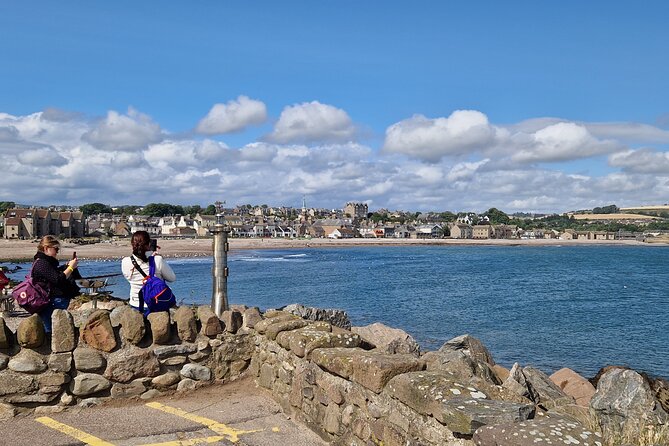
After lunch, take a stroll around Stonehaven Harbour, then continue along the sandy beach and the boardwalk sculptures. This part of the day is less about major monuments and more about coastal atmosphere. You’ll see the town’s working edge and the relaxed way people move along the water.
Time here is also about 1 hour 30 minutes, giving you room to eat without rushing and still walk off a little energy. It’s a good buffer after Dunnottar because you can go at your own pace.
Mill of Benholm: historic oat milling in a calm, water-powered setting
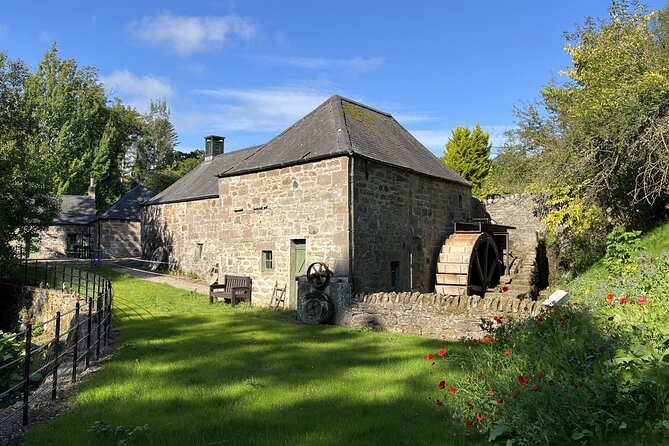
This stop brings the day down to earth—in the best way. Mill of Benholm is one of the few remaining oat mills in Aberdeenshire, and the listed buildings are described as an exceptional and rare survival.
What’s neat is that you get a full sense of a mill complex, not just a single photo spot. The mill includes features like a waterwheel and kiln, plus the former miller’s house and byre. There’s also a mill pond, and the site sits in a peaceful setting with roughly 7 acres of land, including orchards and gardens.
One detail you’ll appreciate if you like “how things worked” stories: the Mill Brae Woods are separated from the mill complex by the Burn of Benholm. It’s the kind of layout that helps you understand how water and work were connected to the land.
Plan for about 30 minutes. This isn’t a long museum session, but it’s long enough to slow down, read what’s there, and appreciate why mills like this shaped daily life.
Gourdon and Greyhope Bay: fishing village life and sea wildlife chances
Gourdon is a small, traditional fishing village with a harbor where local fishermen can still be seen at work. This is the stop that helps the coast feel real. You’re not just passing scenery—you’re looking at a working rhythm.
Time is short at about 15 minutes, so keep expectations in the right place. Think of it as a glimpse and a reset rather than a deep dive into village life.
Then you move to Greyhope Bay. It’s a rocky shoreline with sweeping sea views and a strong “walk and watch” vibe. Nearby, you’ll see Girdle Ness Lighthouse on the outskirts of Aberdeen, an iconic coastal landmark overlooking Greyhope Bay and Aberdeen harbors.
This stop is about 30 minutes. It’s also one of the best places on the day to look for wildlife. There’s a real chance to spot dolphins and seabirds, depending on conditions.
Price and what you’re really paying for ($142.92 plus the castle ticket)
The listed price is $142.92 per person, and that’s for a guided day that strings together multiple Aberdeenshire highlights in a single outing.
Here’s the value angle that matters:
- You’re paying for logistics and guidance, not just transit. The route includes viewpoints, towns, and historic sites that would be time-consuming to stitch together on your own.
- You get onboard Wi‑Fi, which helps you stay oriented.
- You also get local food & drink samples, which adds a small but genuinely nice “taste of the region” element.
- The group size stays small (up to 7), which often means you get more interaction.
The one extra cost to plan for is Dunnottar Castle admission: £13.50 per person is optional and not included. If you want the full Dunnottar experience—grounds plus viewpoints plus the bay—factor that in before you book. If you only care about the cliff views outside, you might feel okay skipping the ticket, but you’ll lose a chunk of the time inside.
All told, this price makes sense if you want a tight, guided loop that feels like Aberdeenshire in one long day rather than a rushed drive with no context.
Weather, steps, and who should skip (or pack differently)
This tour requires good weather. If conditions are poor, you’ll either be offered another date or a full refund. That matters because the route includes exposed sea viewpoints and outdoor walking.
What to prepare:
- Bring warm layers. Coastal wind is its own thing.
- Wear shoes with solid grip. Wet cobbles at Dunnottar aren’t the moment for slippery soles.
- Pack a windproof layer if the forecast is even a little dramatic.
Mobility note: the tour isn’t recommended for travelers with mobility issues. Dunnottar’s steps and the castle-area paths can be tricky, and even the cobbled footpath surfaces can get slick when wet.
Who I think fits best:
- You like short stops, clear guidance, and you enjoy connecting history to places you can see.
- You don’t mind walking in windy coastal conditions.
- You want a day that feels personal without feeling private.
Should you book Dunnottar Castle and Coastal Heritage?
I’d book it if you want an efficient Aberdeenshire day with a strong anchor (Dunnottar) plus real coastal texture (Stonehaven, Gourdon) and a historic land-use stop (Mill of Benholm). The small-group setup, the guide interaction, and the way the day can shift when weather changes are the big reasons this works.
I’d think twice if you need step-free access or you hate slippery surfaces, since Dunnottar is part of the core experience. And if you’re chasing a totally indoor, cozy day, this isn’t it—this one is built for sea air, moorland views, and outdoor time.
If you want a guided route that helps you understand what you’re seeing fast, this is a strong bet from Aberdeen.
FAQ
How long is the Dunnottar Castle and Coastal Heritage tour?
It runs for about 7 hours 30 minutes.
Where does the tour start and end?
It starts at the William Wallace Statue on Union Terrace, Aberdeen AB10 1NP, and it ends back at the same meeting point.
What’s included in the price?
Wi‑Fi on board and local food & drink samples are included.
Is lunch included?
No. Lunch meals and refreshments are not included.
Do I need to pay extra for Dunnottar Castle entry?
Yes. Optional entry to Dunnottar Castle costs £13.50 per person and is not included.
How big is the group?
The tour has a maximum of 7 travelers.
Is the tour suitable for mobility issues?
It’s not recommended for travelers with mobility issues. The route includes walking and stairs, especially around Dunnottar Castle.