REVIEW · ALGHERO
Alghero: walking tours around the ancient city
Book on GetYourGuide →Operated by ITINERA · Bookable on GetYourGuide
Alghero’s streets have a political plot. This walking tour makes the old city feel real by connecting history to the corners you’re standing in, from early foundations to today.
I love how you get a street-level explanation of the Catalan roots, traditions, architecture, religion, and everyday curiosities, not just dates. I also like that the guide talks directly about the origins of the dialect locals speak, including what’s going on with preserving it right now.
One thing to plan for: it’s a walking tour and it isn’t suitable for wheelchair users, plus museum and church entry are not included—so come ready to look from the outside unless you add time.
In This Review
- Key highlights you’ll feel on the walk
- Alghero’s Ancient City: where language and power meet
- Porta Terra meeting point: your anchor in the old city
- The core walk: beautiful corners with real context
- Pirates, kingdoms, and the city’s changing masters
- Architecture and religion: what to notice beyond the obvious
- The Alghero dialect (algarès): Catalan roots explained
- Guide styles you may meet: Andrea, Sonia, Raffaele
- Duration and pacing: short time, strong story
- Price and what you truly get for $29
- What’s included, what’s not, and how to plan around it
- Who should book this walk (and who might skip it)
- FAQ
- FAQ
- Where does the tour start?
- How long is the walking tour?
- What languages are available?
- Is the tour only outside, or do I enter museums and churches?
- What’s included in the price?
- Are food and drinks included?
- What should I bring?
- Is the tour wheelchair accessible?
- Is free cancellation available?
- Should you book Alghero’s ancient city walking tour?
Key highlights you’ll feel on the walk
- Start at Porta Terra and learn how the city’s story is built right from the ancient gate area
- Catalan language and dialect origins explained in plain terms, including why it matters today
- Pirates and shifting kingdoms put real tension behind the old walls
- Architecture, religion, and traditions tied together so the city makes more sense
- Ask questions as you go, since the guide invites curiosity
- Comfort matters: you’ll want good shoes and water for the time on foot
Alghero’s Ancient City: where language and power meet
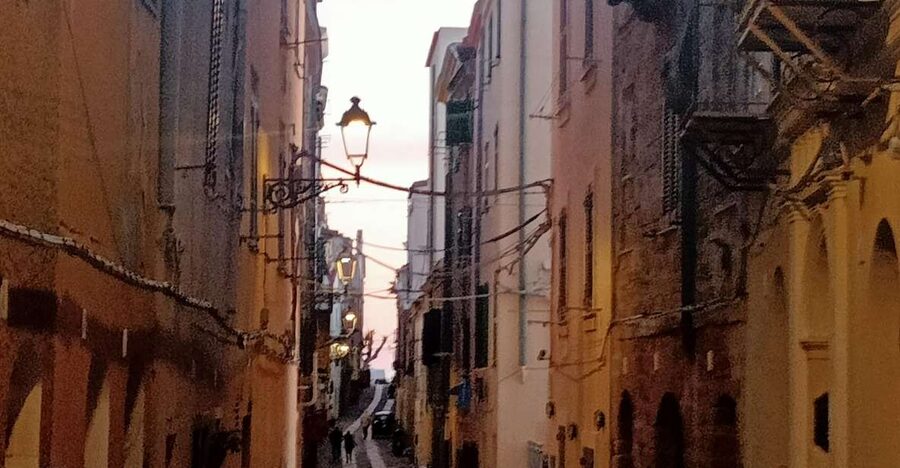
Alghero doesn’t just look old. It acts old—like the city is still arguing with its own past. On this guided walk, you connect that feeling to specific layers: occupations over time, changing rulers, and a strong Catalan presence that still shapes local identity.
What makes it especially useful is how the guide doesn’t treat language like trivia. You’ll hear how the dialect in Alghero (often referred to as algarès) fits into the bigger historical picture, including present-day concerns about keeping it alive. Even if you only have a short window in Sardinia, you leave with a better “why” for everything you’re seeing.
Porta Terra meeting point: your anchor in the old city
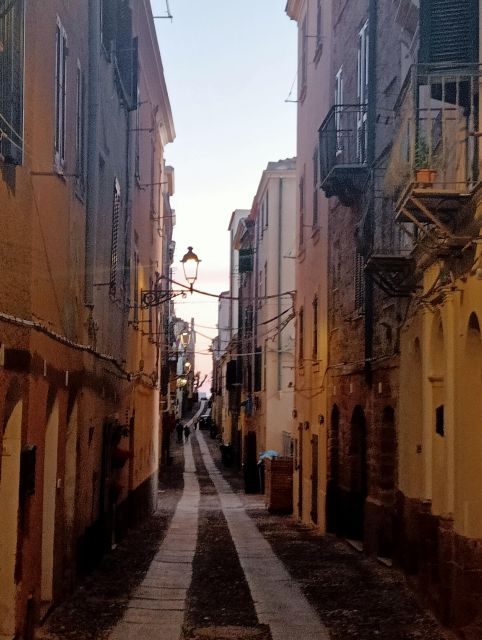
You begin at Piazza Porta Terra, and the meeting point is inside the tower at Porta Terra square n.2. That matters more than it sounds. Starting at a recognizable edge of the old city helps you orient fast, and you can follow the story through the streets without feeling like you’re wandering.
This is a practical tour style: the guide starts with the city gate area and then retraces the main stages of occupations. If you’re the type who likes to understand a place by its logic—where it grew, who controlled it, what changed—this format fits your brain.
Plan to arrive a little early so you’re not rushing at the first stop. From there, you’ll be moving through the historical city center on foot, listening and stopping as the guide explains key corners.
The core walk: beautiful corners with real context
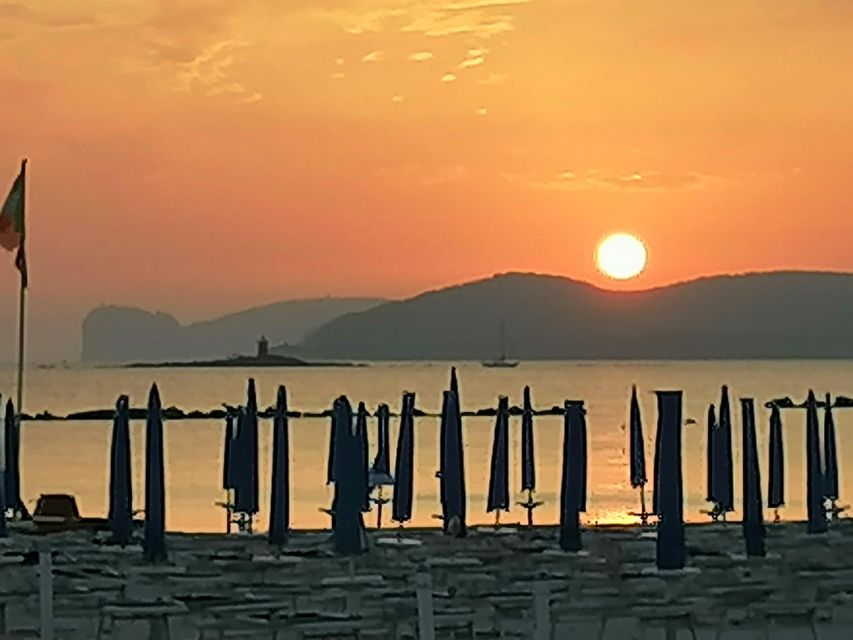
The heart of the experience is a walking route through Alghero’s old center, focusing on the most beautiful corners and explaining what you’re looking at. The tour covers occupation, traditions, culture, religion, architecture, and curiosities, moving from the city’s foundation toward the present.
Here’s what that means in practice: you won’t just hear a list of facts. You’ll learn how different historical periods changed the way people lived and what the city looks like today. The guide’s goal is to connect physical spaces—streets, architectural features, and iconic areas—with the human story behind them.
Also, you’ll get a strong sense of the Catalan “heart” of the town. The walk is designed so Catalan heritage doesn’t stay abstract. It shows up as language, habits, and architectural clues you can recognize once someone points them out.
Pirates, kingdoms, and the city’s changing masters
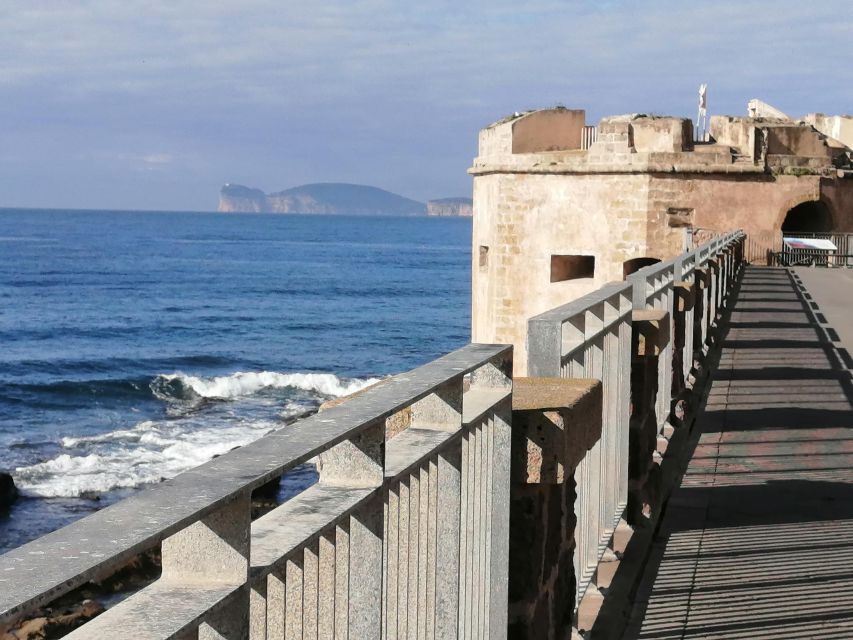
One of the more vivid themes on the walk is the way Alghero’s past includes attacks by pirates and periods of occupation by different kingdoms. That’s not background noise. It’s the tension that helps explain why the city developed the way it did, and why its identity kept getting reshaped.
If you like history that feels connected to geography, you’ll appreciate how the guide retraces “main stages” rather than jumping randomly. You’re basically walking through time, seeing how one era sets up the next.
You can also expect plenty of opportunities for questions. The tour is built around curiosity, so if you want to ask about religion, social customs, or why certain cultural traits survived, the guide is ready to answer.
Architecture and religion: what to notice beyond the obvious
The tour includes explanations of architecture and religion, which is helpful because these are often the hardest parts to “read” on your own. Even if you know the city is old, it takes interpretation to understand what you’re actually seeing and why it looks the way it does.
Without inventing specifics, I can tell you the guide’s approach is to connect building style and urban form to the historical story—who was here, what they valued, and what their presence left behind. You’ll also get context for religious life as part of the city’s cultural rhythm, not treated as separate from politics and society.
This is where having a local official guide matters. You’re not just learning what happened; you’re learning what it meant to people at the time—and what it still means now.
The Alghero dialect (algarès): Catalan roots explained

If you care about language, this tour is a standout. You’ll learn about the origins of the dialect spoken in Alghero, and you’ll hear it framed as part of the city’s identity. The tour makes the language story practical, too, because you understand it as a lived cultural inheritance, not a museum topic.
It’s also where the guide tends to land on present-day reality. One of the strongest themes from the experience is discussion of the current issues around preserving the Catalan language locally. That gives the walk a modern heartbeat, so you’re not stuck in only ancient dates.
And yes, hearing the dialect discussed in a group setting helps you catch small details you might miss if you’re just walking by street after street. If you’re the type who likes to understand what people actually say and why it sounds the way it does, you’ll appreciate this stop-heavy focus.
Guide styles you may meet: Andrea, Sonia, Raffaele
You’ll be with a live tour guide who can work in multiple languages. Based on past experiences with different guides, you might get someone like Andrea, praised for being very knowledgeable and making the political and cultural history feel fascinating. You could also meet Raffaele, who is noted for explaining Alghero from multiple angles—historical, artistic, and even economic. And if you’re lucky with your timing, Sonia is described as charming and highly recommended.
Even if your guide name isn’t one you recognize, the consistent pattern is clear: the best tours here are the ones that tie the city’s Catalan roots, past occupations, and language story together in a way that stays understandable.
Duration and pacing: short time, strong story
The tour is listed with a duration of 1 hour, but the guided portion is described as about 1.5 hours. Either way, treat this as a short, high-information walk. It’s ideal when you want a strong orientation to Alghero without spending half a day tied to tickets and slow museum time.
Because the time is limited, the tour focuses on the “main stages” and the key corners. If you want to linger over artwork, you’ll need extra independent time afterward. That’s also why the exclusions matter.
Price and what you truly get for $29
At $29 per person, this is the kind of price where you’re paying mainly for the guide’s interpretation. You’re not paying for museum entry, and you’re not paying for food. What you are paying for is a guided walk that explains occupation history, traditions, culture, religion, architecture, curiosities, and the origins of the local dialect.
That’s good value if your goal is understanding, not just photo stops. For many visitors, the biggest win is leaving with an organized mental map: how Alghero became Catalan in character, how older rulers and pirate threats shaped the place, and why language preservation now is part of the story.
If your idea of a perfect day is slow strolling with no listening, you might feel the price is more about paying for commentary than for sights. But if you like to learn while you walk, this is a straightforward deal.
What’s included, what’s not, and how to plan around it
This experience includes the guided tour only.
Not included:
- entries in museums and churches
- food and drinks
So, yes—you can expect explanations that may reference churches and museum spaces, but you won’t automatically get inside them on the ticket. If you’re the type who wants to see interiors, plan a separate stop afterward with your own tickets and time.
Also bring comfortable shoes and water. The tour is short, but it’s still a real walking experience through the ancient city center.
Who should book this walk (and who might skip it)
You’ll probably love this tour if:
- you want a quick, guided orientation to Alghero’s ancient core
- you care about Catalan roots and language identity
- you like history that explains why cities look the way they do
- you enjoy asking questions during the walk
You might want to skip or reconsider if:
- you need wheelchair accessibility (it isn’t suitable)
- you prefer museum-heavy touring rather than guided street interpretation
- you don’t enjoy walking while learning
FAQ
FAQ
Where does the tour start?
The tour meets at Piazza Porta Terra, specifically inside the tower of Porta Terra at Porta Terra square n.2, Alghero.
How long is the walking tour?
The duration is listed as 1 hour, and the guided portion is described as about 1.5 hours, so plan for around that time on foot.
What languages are available?
The live guide can operate in Catalan, English, German, Italian, and Spanish.
Is the tour only outside, or do I enter museums and churches?
The tour is a guided walk, but entries to museums and churches are not included.
What’s included in the price?
The price includes the guided tour.
Are food and drinks included?
No. Food and drinks are not included, so bring water and plan accordingly.
What should I bring?
Wear comfortable shoes and bring water.
Is the tour wheelchair accessible?
No. It is not suitable for wheelchair users.
Is free cancellation available?
Yes, you can cancel up to 24 hours in advance for a full refund.
Should you book Alghero’s ancient city walking tour?
If you want a quick way to understand Alghero beyond postcards, I’d book this. The value isn’t in ticket access—it’s in the guide’s ability to connect occupation history, Catalan cultural identity, and the origin of the local dialect into one walk you can remember.
Book it if language and identity matter to you, or if you want your first taste of the ancient city to come with a clear storyline. Skip it only if you need full accessibility, hate walking while learning, or already plan to focus your time on museum and church interiors.