REVIEW · KATHMANDU
Kathmandu’s 7 UNESCO Heritage Gems: Private Full-Day Tour
Book on GetYourGuide →Operated by Kashyap Raj Pandit · Bookable on GetYourGuide
Seven UNESCO sites in one day sounds intense. This Kathmandu route works because it strings together Hindu and Buddhist landmarks in a logical order, with a guide who can explain what you’re looking at while you move. I like the way Kashyap Raj Pandit keeps the day smooth and adaptable, and I also like the included snacks: momo dumplings and local hog plum candies. The one drawback to plan for is the entrance fees are not included, and they add up across multiple monuments.
You’ll get a private group feel, English-speaking guidance (plus Hindi), and the comfort of a full 8-hour day rather than a rushed hop-on hop-off loop. I also like the practical extras, like bottled water and the fact that you can skip the ticket line at key stops. One more thing to consider: you’ll be walking between places, including the usual uphill temple approaches.
This is a strong choice if you want a high-return day on Nepal’s faith and craft without trying to piece it together alone. It ends with a powerful ritual at Pashupatinath on the Bagmati River, so you’re not just sightseeing buildings—you’re watching living culture.
In This Review
- Key Highlights You’ll Actually Notice
- A Day of Seven UNESCO Stops Without the Stress
- Meeting Point, Pickup, and the Real Pace of 8 Hours
- Swayambhunath Stupa (Monkey Temple): Panoramas First, Then Sacred Details
- Kathmandu Durbar Square: Temples, Courtyards, and the Kumari Ghar
- Bhaktapur Durbar Square: Royal Power and the 55-Window Palace
- Changunarayan Temple: Intricate Hindu Carvings Worth the Stop
- Patan Durbar Square and the Golden Temple: Another Lens on the Same Past
- Boudhanath Stupa: One of Nepal’s Biggest Places for Quiet
- Pashupatinath Temple and Evening Aarti on the Bagmati River
- Private Guide and Transport Options: When Small Choices Save Big Time
- Price and Value: What $40 Really Buys You
- Who This Tour Fits Best (and Who Might Want Something Else)
- Should You Book This Kathmandu UNESCO Day?
- FAQ
- How long is the Kathmandu UNESCO Heritage Gems tour?
- Where do I meet the guide?
- Are entrance fees included in the price?
- What food is included?
- Is the tour private or shared?
- Does the tour include transportation?
- What languages is the guide available in?
- Is pickup available?
Key Highlights You’ll Actually Notice
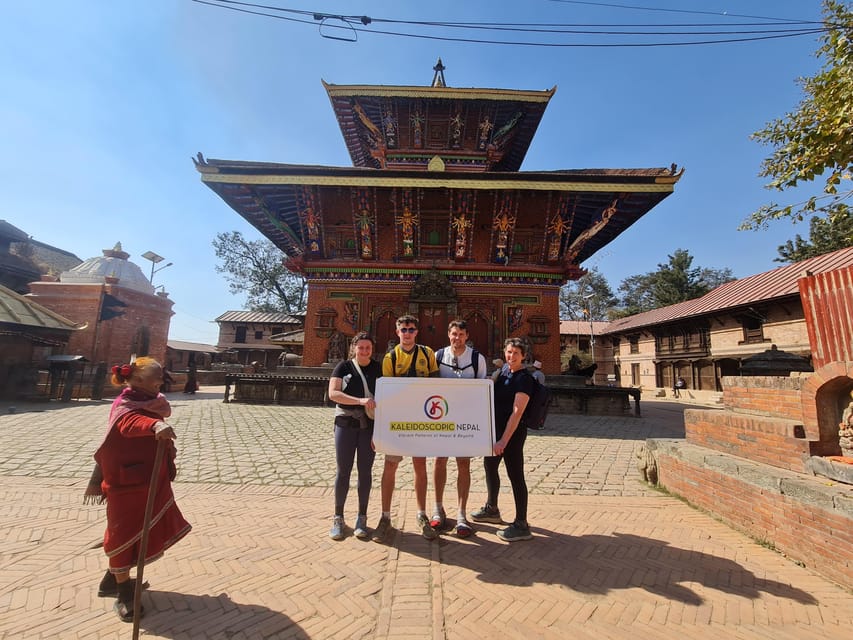
- Private guidance by Kashyap Raj Pandit in English and Hindi, with flexibility when things get busy
- Seven UNESCO World Heritage Sites covered in a single day, in a sensible route
- Food tasting included: momo dumplings and local hog plum candies
- Skip-the-ticket-line option, which saves time at crowded monuments
- Evening aarti at Pashupatinath along the Bagmati River to close the day
A Day of Seven UNESCO Stops Without the Stress
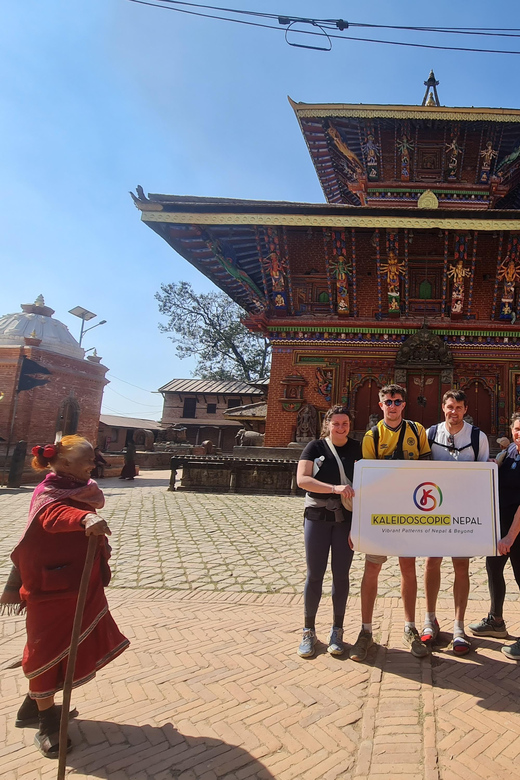
If you’re in Kathmandu for only a short time, this kind of tour makes sense. You get a full circuit through major Newar-era squares, ancient temples, and major pilgrimage sites, all in one day, so you’re not stuck deciding what to cut.
I like that the day is structured around landmarks that each explain a different side of Nepal. Swayambhunath is about sacred space and views over the valley. Pashupatinath is about ritual and riverbank spirituality. When those bookends are placed correctly, the middle stops make more sense.
The tour is priced at $40 per person, and the real value is what’s included: a professional guide, bottled water, a food tasting, and private-group attention. Entrance fees are extra, but you can budget them up front and then enjoy the day without constant money math.
You can also read our reviews of more tours and experiences in Kathmandu.
Meeting Point, Pickup, and the Real Pace of 8 Hours
The meeting point is at the ticket counter at Swayambhunath. If you choose pickup, you’ll be picked up from your hotel, and you’ll be dropped off later at Pashupatinath Temple, Sorhakhutte, and Thamel.
What matters for your enjoyment is the pacing. You’re looking at guided time plus walking plus scenic legs between stops. The route includes a short visit at Swayambhunath, then travel time, then multiple UNESCO sites where you’ll want to look slowly at carvings, courtyard details, and how people actually use these places.
Also, you may see a mix of transport styles depending on your option. The tour includes transportation if you opt for it, and there’s also public transport time built into the schedule. If you hate sitting in traffic, choosing the transportation option is the easier route.
Swayambhunath Stupa (Monkey Temple): Panoramas First, Then Sacred Details
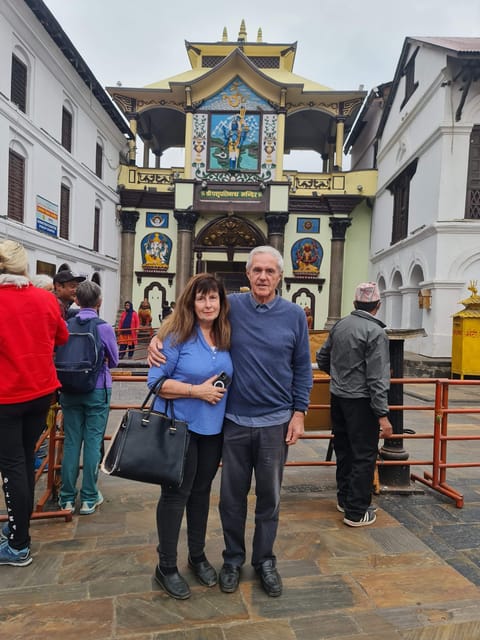
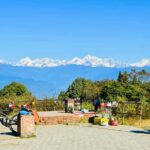
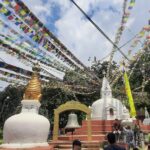
Your day starts at Swayambhunath, known widely as the Monkey Temple. Expect a guided visit with time to explore the stupa area and the surrounding monasteries, plus scenic viewpoints along the walk.
Why this stop works early: you’re getting the valley orientation before your brain fills up with names and dates. From the viewpoints, you can often spot how Kathmandu’s clusters spread around the hills and river systems, so later monuments feel less random.
Practical tip: wear shoes with grip. Temple approaches can be slick or uneven, and you’ll be moving at a steady pace. If you’d rather not rush, keep a little time to watch how worshipers behave around the stupa—ritual rhythms tell you as much as explanations.
Kathmandu Durbar Square: Temples, Courtyards, and the Kumari Ghar
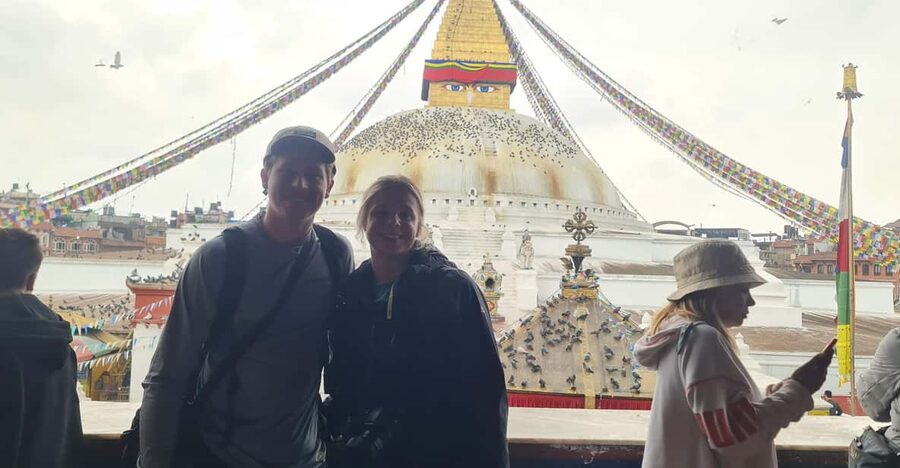
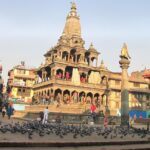
Next comes Kathmandu Durbar Square, a historic civic and temple complex packed with ancient architecture. You’ll explore the square’s temples and the Kumari Ghar, the residence associated with the Living Goddess.
This isn’t just a place to look up at stonework. It’s a reminder that Kathmandu’s heritage includes the social systems tied to religion. In a place like this, the layout of courtyards and temple entrances helps you understand how communities gathered, ruled, and worshiped.
One consideration: Durbar Squares can be busy. Even with a guide, you’ll want to be flexible with timing, especially if you’re sensitive to crowds. The payoff is that you’re standing in a living urban monument, not an empty museum.
Bhaktapur Durbar Square: Royal Power and the 55-Window Palace
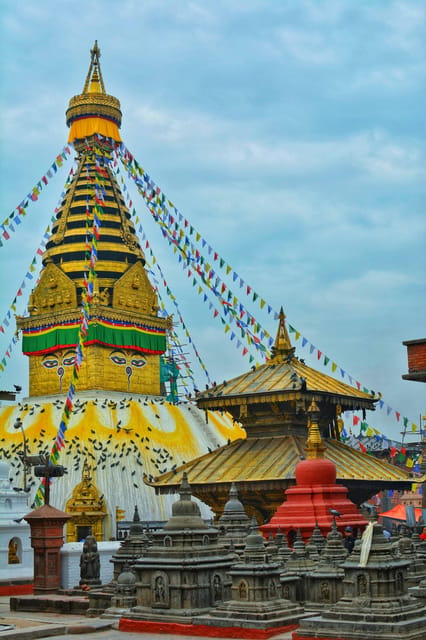
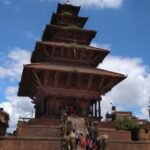
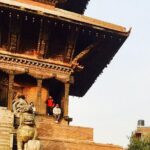
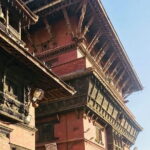
From Kathmandu you head to Bhaktapur, where the royal palace complex, Nyatapola Temple, and the 55-Window Palace come together in one dense heritage zone. You’ll explore the palace area and temple complex with guided time and then fit in a leisurely lunch at a local restaurant in Bhaktapur.
Bhaktapur tends to reward slower sightseeing. The stone details and courtyard angles feel more intimate here, and you’ll likely find yourself looking longer at doorways, windows, and rooftop shapes.
Budget note: because entrances aren’t included, it pays to remember that Bhaktapur’s Durbar area carries a higher fee than some of the other sites. Still, this is one of the most visually complete days because you’re seeing multiple monuments in close proximity.

Changunarayan Temple: Intricate Hindu Carvings Worth the Stop
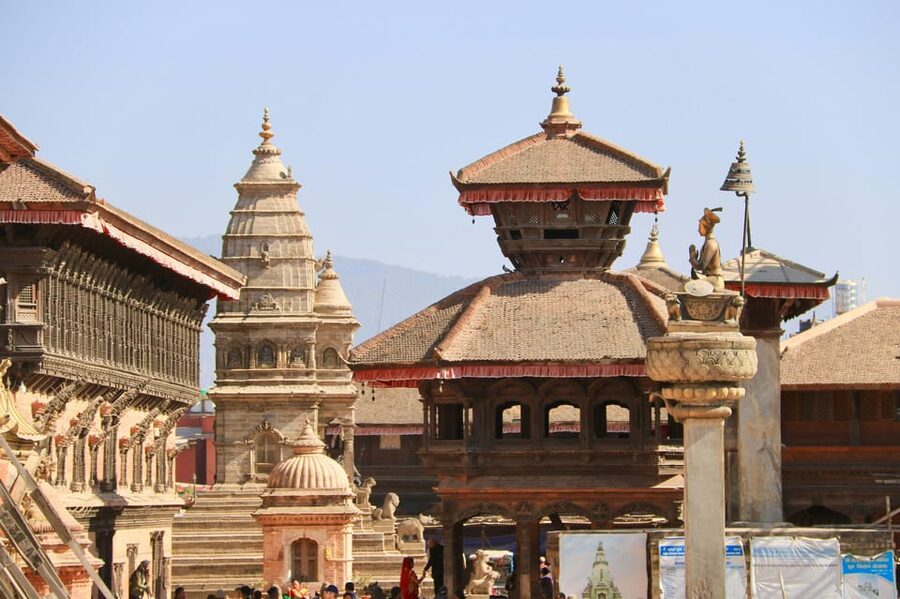
Changunarayan Temple is another UNESCO World Heritage site, known for ancient Hindu architecture and intricate carvings. This is the kind of stop that can feel short if you’re rushing, but it becomes satisfying when you pause and let details register.
Look for the storytelling in the carvings and the craftsmanship around temple elements. A guide helps because you’re not just seeing decorative stone—you’re learning how features connect to religious symbolism and architectural style.
If you like architecture, this is a strong mid-day anchor. If you’re feeling tired, treat it like a reset. Ten careful minutes can be more rewarding than skimming for the next photo.
Patan Durbar Square and the Golden Temple: Another Lens on the Same Past
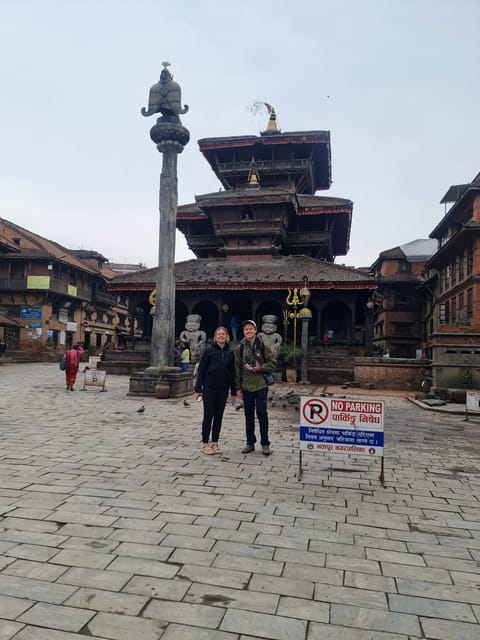
Then you shift to Patan Durbar Square, exploring ancient palaces, temples, and the area associated with the Golden Temple. Patan often feels like a cousin to Kathmandu’s Durbar heritage, and it’s a good comparison stop.
Why it’s valuable: seeing two different Durbar areas in one day helps you spot differences in style and emphasis. Even without getting technical, you’ll start to understand how the same culture repeats in different forms across the valley.
Like the other dense heritage squares, expect some walking and navigating. The guide’s job here is important because you’ll want the order of sites to make sense as you move through courtyards.
Boudhanath Stupa: One of Nepal’s Biggest Places for Quiet
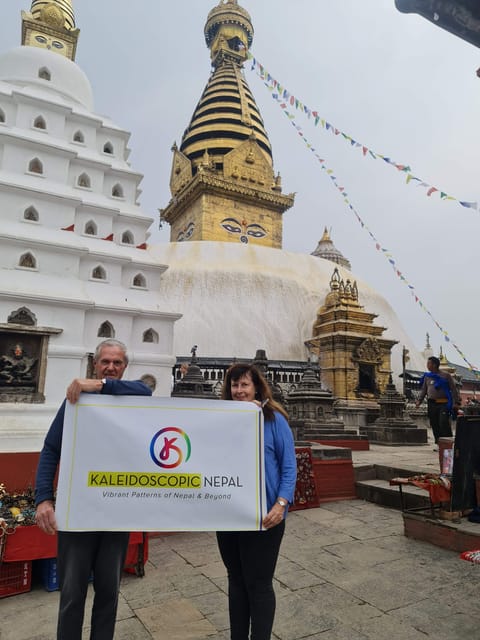
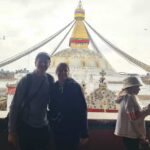
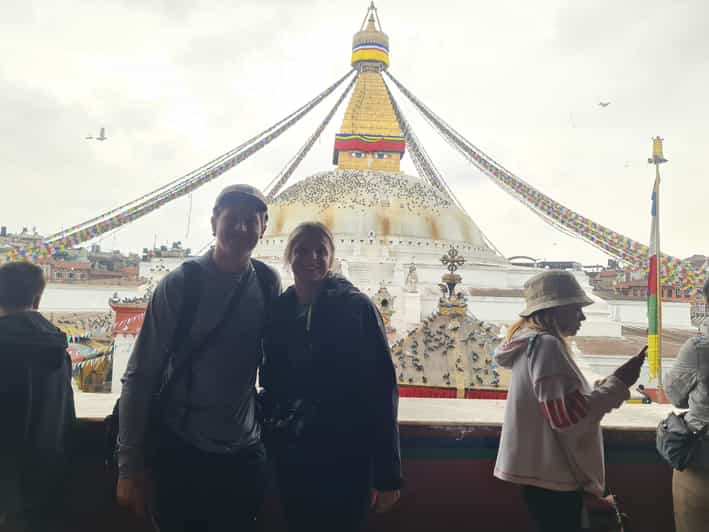
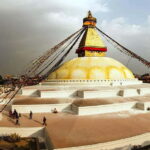
Boudhanath Stupa is a major pilgrimage site and one of the largest stupas in Nepal. You’ll get a guided visit and sightseeing time with a walk and scenic views along the way.
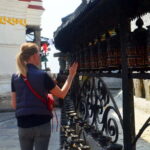
This is where the day shifts from “look at ruins” to “feel the ritual.” Stupas in this scale create a steady atmosphere where people move around in patterns, candles and prayer elements show up, and the space seems built for patience.
If you’re sensitive to crowds, this is still usually manageable, but you’ll want to give yourself time to stop and just watch. A guide helps you understand what you’re seeing so your attention doesn’t wander.
Pashupatinath Temple and Evening Aarti on the Bagmati River
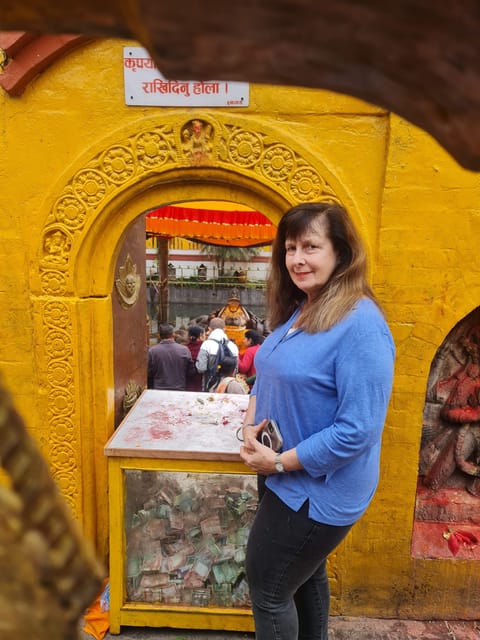
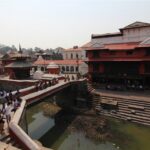
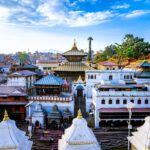
The day closes at Pashupatinath Temple, a sacred Hindu site on the banks of the Bagmati River. You’ll also have the chance to experience the evening aarti, a Hindu ritual performed along the river.
This ending matters because it’s not just a heritage stop. You’re seeing how sacred space and daily life connect. The riverbank setting gives the ritual a dramatic, human-scale feel that photographs often miss.
Practical point: the best viewing moments can depend on how the crowd flows. Arrive ready to stand for a bit, and keep your attention on the ritual rather than only on your camera. Your guide can help you find a comfortable vantage.
Private Guide and Transport Options: When Small Choices Save Big Time
This is a private group tour, and that changes the whole feel of the day. Instead of a rushing herd, you get a guide who can manage timing across several monuments and adjust the order or pace when needed.
The standout reported experience is that Kashyap is friendly, knowledgeable, and flexible. One useful detail: if you pick the transportation option, having a driver who understands traffic routes can make the travel legs much less annoying. In Kathmandu, that can be the difference between staying energized and feeling stuck.
If you’re traveling with older family members or you just don’t want to think about buses and transfers, choose the transportation option. If you’re the type who likes street life and doesn’t mind public transport, the schedule already includes a public transport segment—just be ready for normal local pace.
Price and Value: What $40 Really Buys You
At $40 per person, the big question is what you’re getting for the money. The tour includes:
- A professional English-speaking guide (with English and Hindi)
- A bottle of water
- Local food tasting (momo dumplings and local hog plum candies)
- Private group experience
- Skip-the-ticket-line option
- Transportation only if you choose that option
Entrance fees are not included. The listed monument fees are:
- Swayambhunath: 200 Nrs
- Kathmandu Durbar Square: 1000 Nrs
- Bhaktapur Durbar Square: 1800 Nrs
- Changunarayan Temple: 400 Nrs
- Patan Durbar Square: 1000 Nrs
- Boudhanath Stupa: 400 Nrs
- Pashupatinath Temple: 1000 Nrs
Total entrance fees across these sites come to 5,800 Nrs. Because exchange rates change, it’s best to treat this as a separate budget line rather than trying to convert it mid-trip.
So is it worth it? For most people, yes—if you value guided context and want to see seven major UNESCO sites in one day without wrangling logistics. If you’re a strict self-guided traveler who already knows the sites well and enjoys planning routes, you might be able to do it for less. But you’d be giving up time, explanations, and the smoother flow.
Who This Tour Fits Best (and Who Might Want Something Else)
This tour is ideal if:
- You have limited time in Kathmandu and want a one-day UNESCO circuit
- You like guided explanations that connect temples, squares, and rituals
- You want private attention rather than a large group scramble
- You care about ending with a real ritual at Pashupatinath
You might reconsider if:
- You hate walking and stairs, since you’ll move between multiple sites and scenic viewpoints
- You’re allergic to extra costs, because entrance fees are not included
- You want a slower, more contemplative day that leaves room for spontaneous detours (this one is built for coverage)
If your goal is to see a lot and understand what you’re seeing, this is a strong fit.
Should You Book This Kathmandu UNESCO Day?
Book it if you want a structured, high-value day with a guide who can keep your time efficient and your questions answered. The included food tasting is a nice bonus that also helps you sample local flavors without hunting for a spot. And the end at Pashupatinath with the evening aarti is the kind of cultural moment that makes the entire schedule feel worth it.
Skip or look for another option if your priority is low cost above all else, since entrance fees are added on top. Also, if you prefer a slower route with more free time at each stop, a seven-site day can feel tight.
If you’re the kind of traveler who likes to get oriented fast and then enjoy the details, this tour is built for you.
FAQ
How long is the Kathmandu UNESCO Heritage Gems tour?
It runs for 8 hours.
Where do I meet the guide?
The meeting point is the ticket counter at Swayambhunath.
Are entrance fees included in the price?
No. Entrance fees are not included, and the tour lists fees for each major monument.
What food is included?
You get a local food tasting including momo (dumplings) and local hog plum candies.
Is the tour private or shared?
It’s a private group.
Does the tour include transportation?
Transportation is included only if you select the option with transportation. Otherwise, public transport may be used for part of the route.
What languages is the guide available in?
The guide provides live commentary in English and Hindi.
Is pickup available?
Pickup is optional, and you’ll also have drop-off options at Pashupatinath Temple, Sorhakhutte, and Thamel.