REVIEW · RIYADH
Ushaiqer Heritage Tour from Riyadh with Dinner
Book on Viator →Operated by Aziz · Bookable on Viator
Ushaiqer feels like a time machine. You’ll walk the narrow lanes between mud houses and wells, then learn how desert life worked before oil reshaped everything. I especially like two parts: the museum walk with a resident’s artifact collection, and the fact that your dinner and snacks are built into the schedule, not tacked on as an afterthought.
The main thing to consider is timing and weather. The day runs about 8 to 12 hours, and the tour requires good weather, so you’ll want to plan for the possibility of a change if conditions are rough.
In This Review
- Key highlights you’ll actually use
- Ushaiqer in One Day: Mud Houses, Wells, and Real Desert Life
- The Riyadh Timing: A 1 pm Start That Shapes Your Whole Day
- Entering Ushaiqer: Streets Between Mud Houses and Wells
- The Museum Walk: A Resident’s Collection of Artifacts
- Najdi Food and Snacks Included: What Dinner Feels Like Here
- The Mountain View Stop: Full Sweeps Over Ushaiqer
- Getting There Comfortably: Air-Conditioned Vehicle and Private Transport
- Group Size and the Aziz Factor: Why the Guide Changes Everything
- Price and Value: Why $130 Can Make Sense
- Who This Tour Fits Best (and Who Might Want to Skip It)
- Should You Book Ushaiqer with Dinner from Riyadh?
- FAQ
- What time does the Ushaiqer tour start?
- How long is the tour from Riyadh?
- Is pickup included?
- How big is the group?
- What’s included with the price?
- Do I need to buy museum or site tickets?
- Is a mobile ticket used?
- Is the guide available in English?
- What happens if the weather is bad?
- Is there free cancellation?
Key highlights you’ll actually use
- Max 6 travelers means you’re not squeezed into a bus herd
- Ushaiqer Heritage Village + resident-run museum gives context beyond photos
- Najdi food, snacks, coffee or tea, and dinner included so you don’t hunt for meals
- Top-of-the-mountain viewpoint for wide angles over the village
- Air-conditioned vehicle and bottled water keep the transfer more comfortable
- Aziz as guide is repeatedly praised for English skills and warmth
Ushaiqer in One Day: Mud Houses, Wells, and Real Desert Life
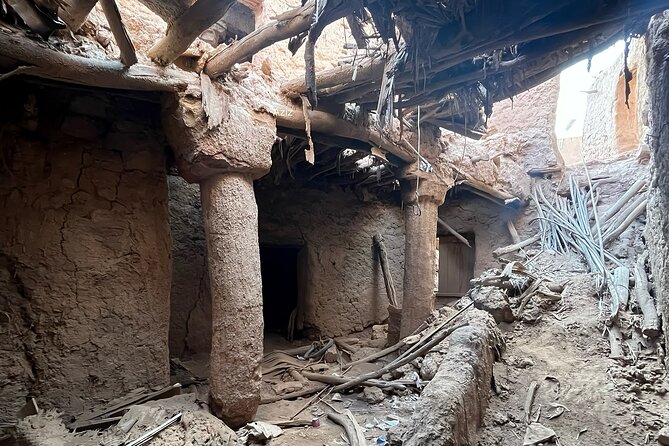
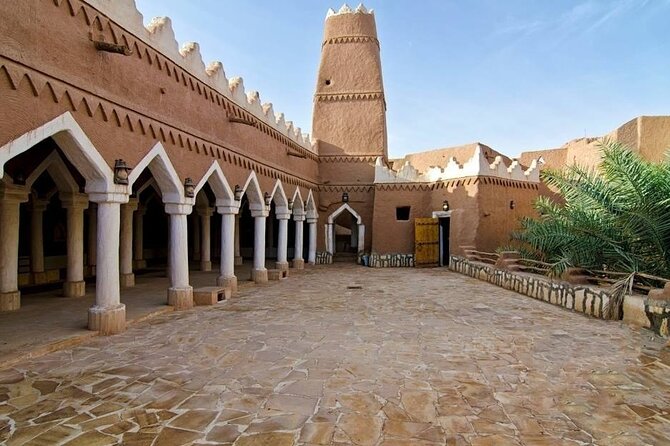
Ushaiqer Heritage Village is the kind of place where you stop looking at buildings and start noticing systems. Mud houses weren’t just quaint. In a desert setting, materials, layout, and daily routines mattered. On this tour, you’ll walk the narrow streets between the traditional homes and wells, and that street-level approach helps the village click in your head.
What I like most is that the experience doesn’t stay at the postcard level. You’re not only looking. You’re also being guided through what the village represents, including the history of how people used to live in the desert. That makes the whole outing feel more like cultural education than sightseeing.
And yes, the village also has that drama you want in a day trip: plain walls, old textures, and then suddenly a wide view when you rise toward the nearby mountain.
You can also read our reviews of more tours and experiences in Riyadh.

The Riyadh Timing: A 1 pm Start That Shapes Your Whole Day
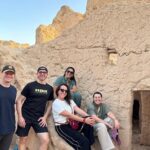
This tour starts at 1:00 pm from Riyadh. That timing matters because it sets you up for daylight travel, an afternoon-to-evening exploration, and time for dinner before you head back.
Most trips fall in the 8 to 12 hour range. That’s a long chunk of time, but it’s not a random long day. The schedule includes guided time in Ushaiqer, a visit to a museum, a viewpoint stop, and then the included meal.
You’ll also have some travel time wrapped into the day. If you’re the type who likes tight itineraries, plan to keep your evening flexible. If you prefer a relaxed pace, this works well, especially with a small group and an air-conditioned vehicle.
Entering Ushaiqer: Streets Between Mud Houses and Wells
Your first big block of time is the Ushaiqer Heritage Village. Expect a guided exploration of the traditional mud houses and wells, plus time for a walk through the older streets. This is where the village becomes more than an overview—you get the slow, human-scale view of how a settlement actually functions.
The narrow lanes also mean you’ll feel closer to the architecture. You can look up at the shapes of entrances, notice materials, and see how water sources (wells) tie into everyday life. If you enjoy “how people lived” explanations more than “what to photograph” suggestions, you’re in the right place.
One small practical note: you’ll want comfortable shoes. Mud-house streets and uneven walking surfaces are common in heritage villages, and you don’t want to be thinking about your feet while you’re trying to absorb the stories.
The Museum Walk: A Resident’s Collection of Artifacts
After walking the village, you’ll visit a museum established by a resident. That detail matters. A resident-run collection usually feels less like a generic display and more like a personal effort to preserve memory.
You’ll have a look at a vast collection of artifacts, and the goal here is to help you understand the daily world behind the walls. This is the part of the tour where you start connecting architecture with objects and customs. Even if you’re not a museum person, this stop tends to land well because it’s tied directly to what you saw outside.
If you like guides who can translate the “why” behind things, this is the best moment for that. The standout feedback you’ll see about Aziz (and also Abdulaziz, named in one review) is that the guidance is clear and easy to follow, including in English.
Najdi Food and Snacks Included: What Dinner Feels Like Here
A lot of heritage tours say they include dinner and then quietly mean a quick meal somewhere random. Here, your food and drinks are part of the culture theme.
You’ll enjoy a combination of Najdi traditional food and snacks during the village experience. Then dinner is included as part of the tour package, along with coffee and/or tea. Bottled water is also included, and that helps on a warm day when you’re walking and listening for hours.
What makes this valuable is that the tour doesn’t treat food as a separate errand. It’s scheduled so you can slow down, eat, and keep your mental picture of the village consistent. If you’re traveling with a group or solo, that included meal is also one less thing to manage.
I’ll be straight with you: you’ll want to keep your expectations flexible. Traditional dishes can be new, and portion styles may not match what you’re used to. But if you’re open-minded, this is often the most memorable part of a heritage day.
The Mountain View Stop: Full Sweeps Over Ushaiqer
Near the village, there’s a climb up to a nearby mountain viewpoint for a full view of Ushaiqer. This is one of those “yes, do it” moments because it changes the whole way you read the village.
From the top, you can see the village layout in relation to the surrounding desert setting. You start to understand spacing, how homes fit together, and how the geography shaped daily life. It’s also a practical photo moment, and the guide experience is praised for helping with pictures.
Wear layers if you tend to feel temperature changes. Even in the same city, a viewpoint can feel cooler or windier than the village lanes.
Getting There Comfortably: Air-Conditioned Vehicle and Private Transport
You get air-conditioned vehicle and private transportation, which matters more than it sounds when the day runs long. This isn’t just about comfort; it helps you stay alert for the guided sections.
The tour also includes bottled water, and that’s a small cost you don’t have to think about later. With heritage walking time plus a museum stop, hydration can make the difference between enjoying the stories and feeling drained.
Another practical plus: pickup is offered. If you’re trying to avoid the hassle of matching your schedule to local transit, that convenience is real value.
Group Size and the Aziz Factor: Why the Guide Changes Everything
This tour caps at 6 travelers, and that small number shows up in the experience. Fewer people usually means easier pacing and more time for questions.
The guide name you’ll see repeatedly is Aziz. Feedback highlights that he’s professional, warm, and enthusiastic, with English skills that make the explanations feel natural instead of forced. One review also mentions Abdulaziz, but regardless of the exact spelling you see, the consistent theme is strong communication and genuine pride in Saudi heritage.
This is exactly the difference between a tour where you hear facts and a tour where you actually understand context. If you care about culture and history more than ticking boxes, the guide’s role becomes the reason to book.
Also worth noting: the tour is set up as a personalized journey, not a rushed conveyor belt.
Price and Value: Why $130 Can Make Sense
At $130 per person, you should compare this against what you’d pay if you did parts of it alone: transport, paid admission, a guide, and a dinner meal.
Here’s what’s included:
- dinner
- snacks
- coffee and/or tea
- air-conditioned vehicle
- private transportation
- bottled water
- admission ticket for the village experience
When you add those pieces up, $130 starts looking less like a “just a tour” price and more like a bundled day out. It also helps that group size is small, so you’re not paying a premium just to sit in a crowded vehicle.
One more value tip: if you’re booking close to your travel dates, you may pay more. The tour averages show it’s often booked about 26 days in advance, so planning ahead increases your odds of matching your schedule.
Who This Tour Fits Best (and Who Might Want to Skip It)
This tour is a strong match if you want:
- a focused heritage experience focused on Ushaiqer
- time in a museum with artifacts
- a guide who can explain desert life and the village context
- a day that includes a real meal, not just snacks
You might consider another option if:
- you hate long days (8 to 12 hours is a commitment)
- you’re traveling with tight evening plans
- your schedule can’t flex if weather causes a change
For most people, though, the combination of small-group pace, meaningful stops, and included food makes it one of the more straightforward ways to understand a Saudi heritage village outside Riyadh’s usual rhythms.
Should You Book Ushaiqer with Dinner from Riyadh?
If you want one afternoon-to-evening experience that mixes walking, museum time, desert-life context, and an included Najdi meal, I’d book it. The small group size helps, and the repeated praise for Aziz’s warmth and English fluency is the kind of quality signal that actually matters.
Book it if you’re the type who likes to learn while you move—because the best part here is the way everything connects: mud houses, wells, artifacts, then that mountain viewpoint that puts it all in one frame.
FAQ
What time does the Ushaiqer tour start?
The start time is 1:00 pm.
How long is the tour from Riyadh?
It runs about 8 to 12 hours, including travel time.
Is pickup included?
Pickup is offered, and the tour uses private transportation.
How big is the group?
The maximum group size is 6 travelers.
What’s included with the price?
Dinner, snacks, coffee and/or tea, air-conditioned vehicle, private transportation, bottled water, and an admission ticket for the heritage village experience.
Do I need to buy museum or site tickets?
The admission ticket is included.
Is a mobile ticket used?
Yes, you’ll get a mobile ticket.
Is the guide available in English?
The tour experience is described as having deep guidance by an English fluent local guide in the feedback provided.
What happens if the weather is bad?
This experience requires good weather. If it’s canceled due to poor weather, you’ll be offered a different date or a full refund.
Is there free cancellation?
Yes. You can cancel up to 24 hours in advance for a full refund.