REVIEW · ABRUZZO
Among ancient sunny vineyards, visit and taste the wines from the San Lorenzo cellar
Book on Viator →Operated by Gustabruzzo · Bookable on Viator
Wine starts with a slow walk.
This experience in Castilenti, Abruzzo takes you through the vineyards and the winery grounds of Vini San Lorenzo, then into the 16th-century De Sterlich palace for a barrel-cellar visit and a structured tasting. The pace is the point: you’re not just drinking wine, you’re learning how the grapes, farming choices, and cellar decisions shape what ends up in your glass.
I especially like the technical focus during the vineyard walk—things like farming approach, soil work, breeding, and yield per hectare are part of the conversation. I also like that the tasting isn’t just a casual pour: you get sensory analysis and tasting basics so you can follow what you’re tasting and why it matters.
One consideration: the tour depends on good weather, and there has been at least one situation where a technical problem in the cellar led to a late cancellation. So it helps to keep a little flexibility in your schedule.
In This Review
- Key highlights worth your time
- San Lorenzo in Castilenti: the vibe you’re paying for
- Meet at San Lorenzo Vini and plan your 4-hour block
- The estate walk: vines, ponds, and the working cues
- Vineyard technical talk: farming choices you can actually recognize
- The 16th-century De Sterlich cellar: where history meets production
- Company history as context, not a lecture
- Tasting 3 native wines: learn the method, not just the verdict
- Price and value: does $34.73 make sense?
- Who should book this wine-and-cellar experience
- Potential snags: weather and occasional technical hiccups
- Should you book the San Lorenzo cellar and vineyard walk?
- FAQ
- How long is the San Lorenzo Vini cellar and vineyard tour?
- How much does the tour cost?
- Where does the tour start?
- How many wines are included in the tasting?
- What does the tour include besides wine tasting?
- Is it dependent on weather?
- What if I cancel last minute?
Key highlights worth your time
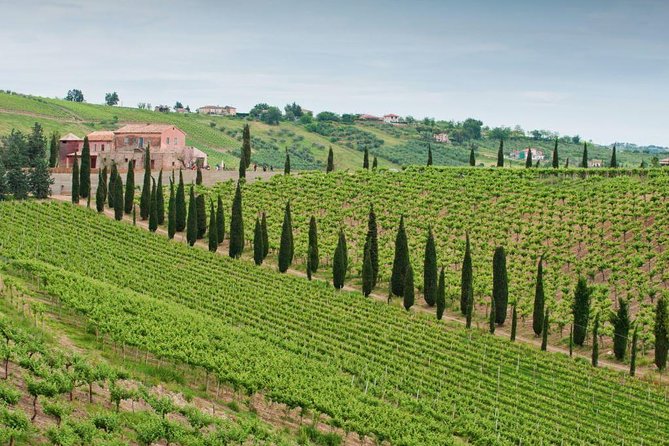
- Vineyard walk with production details like farming approach and yield per hectare
- De Sterlich palace barrel cellar tucked inside medieval vault-like spaces
- Company history plus production strategy talk that connects farming to cellar choices
- Tasting of 3 native wines with basic sensory analysis and tasting technique
- Small-group feel capped at 25 people
San Lorenzo in Castilenti: the vibe you’re paying for
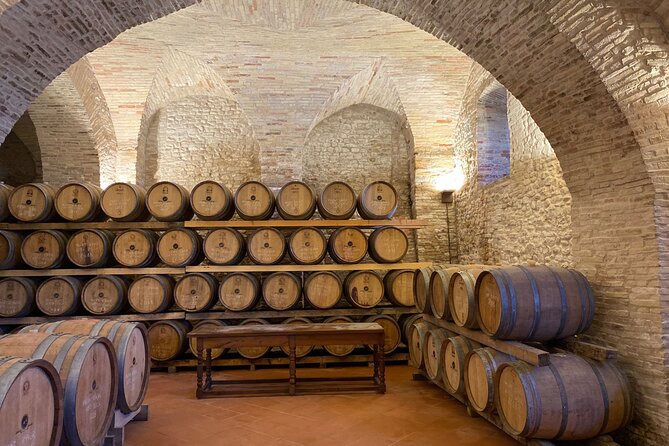
This is a wine visit built around the grounds, not just the cellar door. You start with a slow walk across the estate—vines in the sun, plus the working feel of ponds and old farm structures—then you move into the winery spaces housed in the De Sterlich palace. That sequence matters because it frames the tasting as a result, not a mystery.
You’ll hear how the winery balances ancient tradition with newer know-how. The key word here is balance: you’re not being sold one-style-only wine logic. You’re shown how choices in the field and choices in the cellar connect.
And yes, you end with wine in hand. But if you’re the type who likes to understand what you’re drinking, this format tends to feel satisfying instead of rushed.
Meet at San Lorenzo Vini and plan your 4-hour block
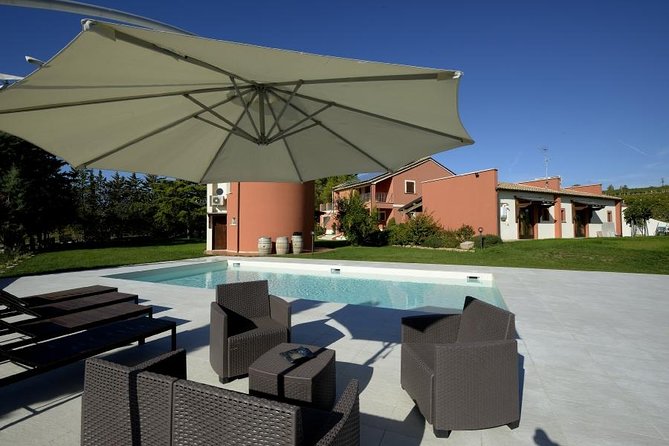
The tour meets at San Lorenzo Vini, Contrada Plavignano, 2, 64035 Castilenti TE, Italy. The experience runs about 4 hours (roughly), and it ends back at the meeting point. There’s also an internal transfer to the Palazzo de Sterlich in Castilenti, so you’re not stuck figuring out where everything is.
You’ll want to budget time for the walk itself. This isn’t framed as a sprint. It’s a long walk across a large estate, and that’s part of how the producer teaches you the process—by pointing out what’s happening where.
The cost is $34.73 per person, and that’s the kind of price that feels realistic for what you get: cellar access, vineyard technical talk, and a tasting of 3 wines. Booking tends to happen around 5 days in advance on average, so don’t wait until the last minute if your dates are tight.
The estate walk: vines, ponds, and the working cues
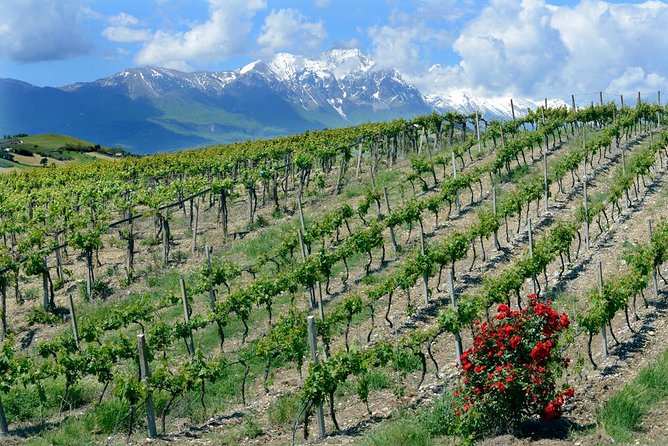
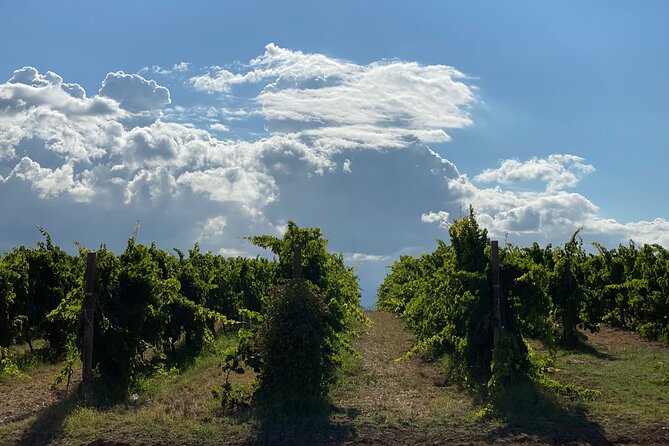
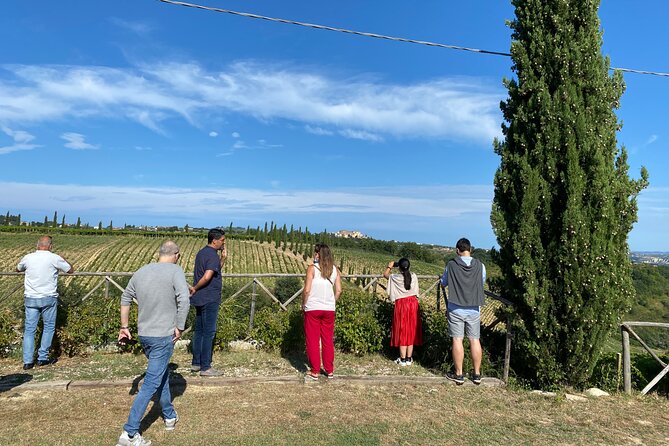
Right away, you’ll see how the winery uses the entire property to support production. The experience description emphasizes the estate’s features—vineyards, ponds, and ancient farmhouses—and that sets expectations.
What to watch for as you walk:
- Farming cues: how the grounds look and how they’re managed (the tour focuses on technical attention, not just scenery)
- Water and land management: the presence of ponds is a signal that water handling is part of the story
- The property rhythm: old farm structures and winery spaces help you understand why production can be both heritage-based and modern-minded
This is where your money starts to make sense. If you show up expecting just a cellar tour, you’ll feel shortchanged. If you like learning from what you see, the estate walk is the foundation.
Vineyard technical talk: farming choices you can actually recognize
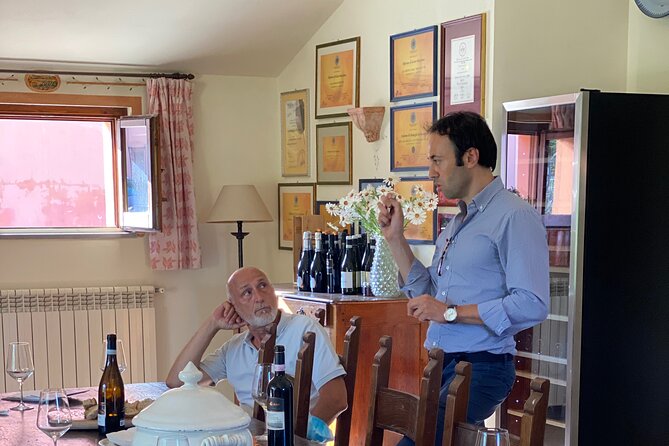
A big reason to choose this specific winery visit is the way it treats the vineyard like a classroom. During the vineyard stop, you’re guided to pay attention to technical aspects of production, including items like:
- conventional agriculture vs organic farming
- soil processing
- breeding (the experience lists it as part of the technical factors covered)
- yield per hectare
That list might sound academic, but it’s not meant to be. The practical value is that it gives you a framework. When you later taste the wines, you’re no longer guessing. You have a chain of reasoning in your head: farming choice → vineyard behavior → grape character → wine profile.
If you’re new to wine, this also helps you avoid the common trap: tasting only for sweetness, acidity, or alcohol. With production terms in your notes, you can start noticing how structure and balance show up in the glass.
If you already know wine terms, you’ll still get value because the tour is organized around the producer’s own priorities—so it becomes less like a lecture and more like a guided translation of their decisions.
The 16th-century De Sterlich cellar: where history meets production
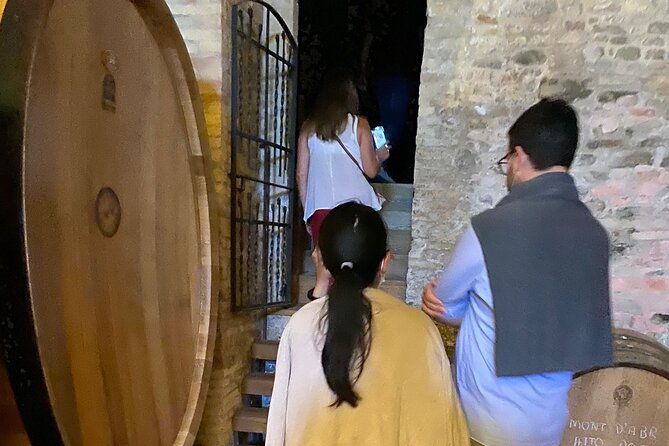
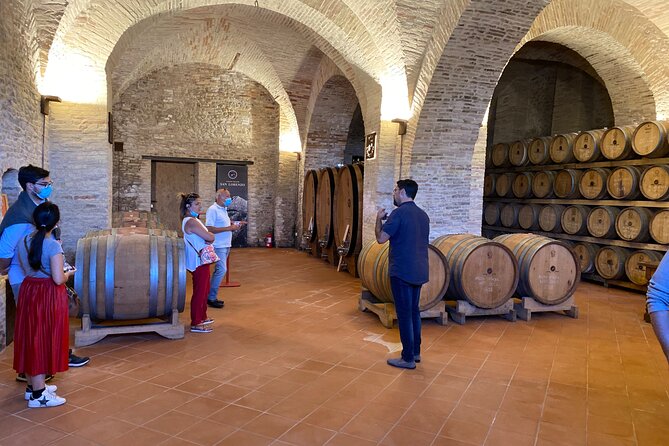
Then you transfer to the De Sterlich palace area in Castilenti and move into the ancient cellar setting. The winery is described as housed in a sixteenth-century De Sterlich palace, with medieval vaults, niches, and convivial spaces. Translation: it’s not a sterile tasting room. It’s built for long, physical wine-making time.
You’ll visit the barrel cellar, and you’ll also get a tour of the cellar spaces in a way that helps you understand production strategies and techniques. This isn’t just walking past barrels and sniffing corks. The experience includes the idea that you’ll try to understand the winery’s approach—how they run the process and why they do it that way.
This part is valuable even if you don’t consider yourself a wine nerd. Barrel-cellar visits answer a question most tastings don’t: where does the wine actually spend its time before you drink it? You get context for why the flavor and texture might feel the way they do.
Company history as context, not a lecture
The tour includes company history, but it’s framed to support the bigger goal: understanding production strategies and techniques. You’re not stuck in a timeline for an hour. The idea is to connect past choices and present methods.
That matters because wineries often use tradition in two ways: as romance, or as practical continuity. When you hear the history alongside the cellar mechanics and vineyard practices, you can tell which one is driving the wines.
If you like tours that explain the why behind the what, this structure tends to work well.
Tasting 3 native wines: learn the method, not just the verdict
You’ll taste 3 wines. What I like here is the emphasis on how you taste, not only what you taste.
The experience includes basic notions of:
- sensory analysis
- tasting techniques
So you’re given a mini method you can reuse later, even after you leave Abruzzo. A simple framework helps you move from random impressions to clearer observations. For example, you can focus on how the wine feels in the mouth, how aromas change as the wine warms slightly, and how balance shows up from start to finish.
What makes this practical is that the tour earlier gives you the production language—organic/conventional cues, soil work, yield per hectare, and the winery’s cellar strategy. When those connect to what you’re tasting, the whole visit clicks.
If you’re traveling with someone who always says I can’t tell the difference, this format can help. You’re taught a way to notice differences, not just told to guess.
Price and value: does $34.73 make sense?
At $34.73 per person for about 4 hours, you’re paying for more than a glass-and-photo stop. Here’s what you get value-wise:
- A long estate walk in the San Lorenzo grounds
- A visit to the barrel cellar in the historic De Sterlich palace setting
- A vineyard segment with technical production elements covered (not just “pretty views”)
- A tasting of 3 native wines
- Basic sensory analysis and tasting technique instruction
The value check comes down to how you like to spend time. If you want a quick hit of local wine with minimal walking and no technical framing, you might feel the effort costs you. If you enjoy slow travel—walking, learning a few real terms, then tasting with context—this price feels fair.
Also, the tour is capped at 25 people, which usually helps keep the experience conversational rather than assembly-line.
Who should book this wine-and-cellar experience
I’d point you toward this tour if you:
- like hands-on learning with food and drink
- want wine education that’s tied to specific choices in the vineyard and cellar
- enjoy historic places more than modern tasting rooms
- want an easy half-day plan around Castilenti and Abruzzo wine culture
I’d hesitate if:
- you dislike walking long distances on uneven estate ground
- you need an ultra-short activity with zero weather risk
- you prefer only big-label winery factory-style tours with lots of polished English-speaking production slides (this experience is built around field + cellar storytelling)
Good fit for solo travelers too, honestly. The group size and structured tasting make it easy to participate without feeling lost.
Potential snags: weather and occasional technical hiccups
This activity requires good weather. If weather turns bad, you’ll be offered a different date or a full refund.
There’s also a note from a cancellation experience caused by a technical problem in the cellar shortly before the start. The provider response in that case included notifying an alternative and issuing a refund quickly. Still, the lesson for you is simple: keep some flexibility on your calendar, especially if you’re stacking multiple tours in one day.
This is one reason I like the pricing and refund flexibility. Even with the risk, the cost and policy setup are less stressful than with many tightly scheduled, nonrefundable experiences.
Should you book the San Lorenzo cellar and vineyard walk?
Book it if you want a real Abruzzo winery visit—not just a tasting counter. The combination of estate walking, vineyard production talk (including yield and organic/conventional themes), and a 3-wine native tasting with sensory basics is a strong value package for the price.
Skip or reconsider if you’re not into walking or you only want a very casual wine sampling with no technical learning.
If your schedule is flexible and you like learning through place—vines, barrels, old vaults—this one fits.
FAQ
How long is the San Lorenzo Vini cellar and vineyard tour?
It runs for about 4 hours (approximately).
How much does the tour cost?
The price is $34.73 per person.
Where does the tour start?
The meeting point is San Lorenzo Vini, Contrada Plavignano, 2, 64035 Castilenti TE, Italy.
How many wines are included in the tasting?
The tour includes a tasting of 3 wines.
What does the tour include besides wine tasting?
You’ll visit the barrel cellar at the De Sterlich palace area, walk the vineyard with technical production attention, learn about company history, and get basic notions of sensory analysis and tasting techniques.
Is it dependent on weather?
Yes. The experience requires good weather, and if it’s canceled due to poor weather you’ll be offered a different date or a full refund.
What if I cancel last minute?
You can cancel for a full refund if you cancel at least 24 hours before the experience’s start time. If you cancel less than 24 hours before, the amount you paid will not be refunded. Cut-off times are based on local time.