REVIEW · BORDEAUX
Bordeaux: Wine History Tour with Tasting
Book on GetYourGuide →Operated by Free Walking tours Bordeaux · Bookable on GetYourGuide
A wine tour that teaches you how to taste. You get a focused Blind tasting lesson, then a stroll through Chartrons, the old wine merchants’ quarter, with riverside views that help the story stick. I like that the guide explains the stuff you actually need (grapes, labeling, classification). I also like the hands-on payoff: 4 Bordeaux wines matched with 3 cheeses at the end. One consideration: you won’t enter monuments, and some stops are mainly seen from a distance as you hear the backstory.
What makes this work is the structure. You walk first—learning the geography and the wine context—then you taste with an expert who helps you decode what you’re experiencing, not just what you’re supposed to say. In the past, guides such as Adrián, Caz, and Clemence have led groups in English or Spanish, and they’re praised for making it simple rather than snobby.
The biggest takeaway for me: French wine labeling is confusing until you learn the logic. This tour gives you that logic quickly, including how to remember Bordeaux wine places and why bottles are often 75 cl. If you want a hands-on, learn-by-doing session more than museum time, this fits nicely.
In This Review
- Key highlights worth your attention
- Chartrons: walking 300 years of Bordeaux wine commerce
- The blind tasting lesson that trains your brain (not your ego)
- Decoding French wine labels: grapes, villages, and the 75 cl mystery
- The walk stops that actually explain Bordeaux’s wine power
- Église Saint-Louis des Chartrons
- CAPC Museum of Contemporary Art of Bordeaux
- Pont de Pierre
- Cité du Vin
- Quais de Bordeaux and the finish back at Chartrons
- Wine-and-cheese pairing at the local wine bar finish
- Price and value: what $76 gets you in 2 hours
- Who should book (and who should skip)
- Should you book this Bordeaux Wine History Tour?
- FAQ
- How long is the Bordeaux wine history tour with tasting?
- Where does the tour start and end?
- How do I recognize the guide at the meeting point?
- What’s included in the tasting?
- Is the tasting blind?
- What will I learn on the tour?
- Can I visit monuments during the walk?
- What languages is the tour offered in?
- Is the tour wheelchair accessible?
- Is extra wine included beyond the tasting?
Key highlights worth your attention
- Blind tasting coaching that turns guessing into a repeatable method
- Chartrons history on foot, built around 300 years of wine commerce
- Label-reading confidence, including grape varieties and Bordeaux classification basics
- French wine labeling explained in plain language, plus why it feels tricky
- 4 Bordeaux organic wines + 3 cheese pairings, with a white, two reds, and a sweet wine
Chartrons: walking 300 years of Bordeaux wine commerce
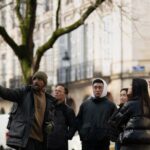
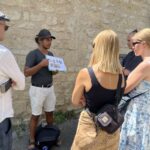
You start at 64 Quai des Chartrons, where the guide is holding a turquoise umbrella. That quick visual cue saves you from the usual meeting-point chaos. From there, you’ll spend almost an hour exploring Chartrons, a neighborhood tied to wine merchants moving in around 300 years ago.
What I like about starting here is the rhythm. You don’t just learn words about wine—you learn where wine lived in the city. Chartrons is the kind of place where the streets and riverfront make sense once you connect them to trade and storage. And you get those riverside views along the way, which makes the tour feel like something you could return to on your own after the tasting.
If you’re the sort of traveler who gets impatient with lectures, this walking portion helps you stay engaged. It’s sightseeing with a purpose. Also, it’s practical: comfortable shoes matter more than fancy clothing, since you’ll be walking for a good chunk of the tour.
You can also read our reviews of more tours and experiences in Bordeaux.
The blind tasting lesson that trains your brain (not your ego)
The tasting part is the tour’s real teacher. You’ll do a blind tasting of four Bordeaux wines, paired with three French cheeses. The key idea is that you’re not meant to perform. You’re meant to notice.
A sommelier-style approach helps you decode wine step-by-step—how you look, smell, and taste, and how you connect those observations to likely grape styles and Bordeaux patterns. The goal is that you can walk away with a method you can reuse back in your hotel or at a shop.
Here’s why this matters: most people struggle with Bordeaux because it’s not one simple thing. It’s a region with multiple grape varieties, sub-regions, and labeling quirks. Blind tasting cuts through the noise. If you can learn to describe what you’re tasting without relying on the front label, the actual label becomes easier afterward.
In terms of variety, you’ll taste a set that includes a white, two reds, and a sweet wine. That range is important because it forces you to hear differences in acidity, body, and sweetness—skills that make later shopping less guessy. And since the wines are listed as organic, you get an extra angle on what the producer choices can mean in the glass.
Decoding French wine labels: grapes, villages, and the 75 cl mystery
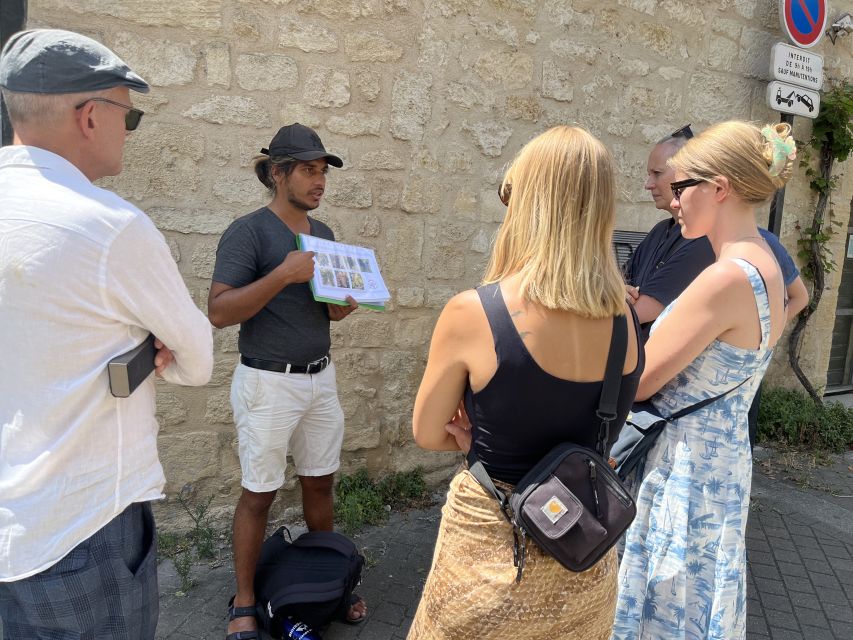
French wine labels can feel like a puzzle written in abbreviations. You’ll learn why they’re hard, then you’ll learn how to read them anyway. The tour covers grape varieties and gives you practical tools for interpreting what’s on a bottle—so you aren’t stuck translating everything word-for-word every time you see a new term.
One useful topic is remembering the names of Bordeaux wine villages. Instead of trying to memorize a long list like it’s homework, you’ll get a way to remember them that’s tied to what those places tend to represent in the wine world. That makes label reading more intuitive.
You’ll also get clarity on why bottles are commonly 75 cl. It’s one of those trivia points that suddenly makes sense once you understand the standard. Small detail, big confidence boost.
Finally, you’ll touch on the important Classification of wine. You don’t need to become a classifier on day one, but you do need basic context so you can recognize what people are talking about when they mention rankings or how Bordeaux is structured.
The walk stops that actually explain Bordeaux’s wine power
This is a sightseeing route built around iconic points you can see, photograph, and connect to wine history. You won’t enter monuments, and some sites are viewed from a distance while the guide explains what’s important about them. That’s worth keeping in mind if you’re hoping for interior visits or long museum-style time.
Here’s what the route feels like stop-by-stop:
Église Saint-Louis des Chartrons
You’ll make a photo stop at Église Saint-Louis des Chartrons. Even without going inside, it works as a waypoint. The guide’s explanation is the glue here—tying the neighborhood’s identity to the people and commerce that shaped Bordeaux over time.
CAPC Museum of Contemporary Art of Bordeaux
Next is the CAPC Museum of Contemporary Art of Bordeaux. It’s another quick look that broadens the picture: the wine merchant era is only one layer of Chartrons. Seeing modern Bordeaux in the same walk reminds you that the city evolves, even when its wine reputation is built on deep roots.
Pont de Pierre
You’ll get sightseeing time at Pont de Pierre. Bridges are natural story machines in a port city. From here, the river crossings help you understand why wine trade mattered so much: movement, logistics, and access.
Cité du Vin
You’ll also see the Cité du Vin from outside during your route. Since you won’t enter, don’t expect a full museum experience. But it’s a strong visual marker of modern wine culture—and a reminder that Bordeaux wine history doesn’t live only in old cellars. It’s an ongoing narrative the city celebrates.
Quais de Bordeaux and the finish back at Chartrons
As you make your way along the quays, you’ll get more photo stops and more riverside views. The tour ends at 24 Quai des Chartrons, which keeps the flow simple: you’re close to where the tasting happens, and you don’t spend the end hunting for transport.
Wine-and-cheese pairing at the local wine bar finish
The tour wraps up in a local wine bar with the tastings. This is where the earlier lesson clicks into place.
You’ll taste four Bordeaux wines—again framed by blind tasting—and pair them with three French cheeses. The included structure is clearly defined: 4 glasses of Bordeaux organic wines paired with 3 cheeses. You’re not paying extra per pour during the main experience, which matters when you’re trying to control costs in a short 2-hour window.
Why the cheese pairing is more than a side note: cheese changes how you perceive acidity, sweetness, and tannins. If you learn one thing from this finale, it should be how food can shift what a wine feels like in your mouth. That’s exactly the kind of practical takeaway that helps you order better at a restaurant later.
Also, because you’re tasting Bordeaux across a white, reds, and a sweet wine, you can compare how the same region behaves across different styles. That comparison is easier than trying to learn Bordeaux through only one type of wine.
Price and value: what $76 gets you in 2 hours
At $76 per person for a 2-hour experience, you’re paying for three things: expert guidance, a structured learning format, and a tasting package that includes wine and cheese.
The value is strongest if you want more than passive sightseeing. Walking time plus a real sommelier-led session means you’re not just buying a glass—you’re buying instruction. The blind tasting component alone is the kind of activity that usually costs more in many cities because it requires trained staff, careful guidance, and a set of wines.
You also get a defined tasting lineup: 1 white, 2 reds, and 1 sweet, all described as Bordeaux organic wines, plus 3 cheese pairings. If you were to recreate that yourself casually, you’d likely spend similar money on multiple glasses, and you wouldn’t have the learning framework.
One more value point: the tour emphasizes why labeling is difficult and how to read it. That’s a skill with travel legs. Once you understand the logic, you can shop confidently in Bordeaux or elsewhere in France.
Who should book (and who should skip)
This tour is a great fit if you want:
- A short, efficient way to learn Bordeaux wine basics
- Hands-on tasting coaching instead of a lecture
- A blend of city history and wine education through Chartrons walking
It’s not a fit if you prefer long museum visits, because you won’t enter monuments. Also, it’s not suitable for children under 18, and it’s not recommended for pregnant women.
Language-wise, it runs in English and Spanish, so you can match your comfort level. And it’s listed as wheelchair accessible, which is helpful for travelers who need mobility options during the walk.
If you’re a beginner, this tour can get you unstuck fast. If you already drink Bordeaux, you’ll likely appreciate the practical labeling tips and the structured blind tasting method.
Should you book this Bordeaux Wine History Tour?
Book it if you want a smart 2-hour reset for wine confidence. The biggest reason is the combination: you’ll walk through Chartrons and the riverfront context, then you’ll finish with a sommelier-style blind tasting plus cheese pairings. That pairing of place + palate is exactly how you remember things later.
Skip it if your ideal Bordeaux day is mostly about inside-the-building museum time, because the highlights on this walk are largely external, with monuments viewed from distance. Also skip if you’re bringing kids or if the tour’s suitability restrictions affect you.
If you do book, I’d show up ready to taste and take notes. You’ll leave with a method for reading labels, remembering Bordeaux village names, and understanding classification basics—so the next bottle you buy won’t feel like a guessing game.
FAQ
How long is the Bordeaux wine history tour with tasting?
The tour lasts 2 hours.
Where does the tour start and end?
It starts at 64 Quai des Chartrons and finishes at 24 Quai des Chartrons.
How do I recognize the guide at the meeting point?
Your guide will be holding a turquoise umbrella.
What’s included in the tasting?
You get 4 glasses of Bordeaux organic wines paired with 3 French cheeses (1 white, 2 reds, and 1 sweet wine).
Is the tasting blind?
Yes, you’ll do a blind tasting of 4 Bordeaux wines.
What will I learn on the tour?
You’ll cover grape varieties, how to read a French wine bottle label, why labels can be difficult to understand, the important Bordeaux classification, and why bottles are commonly 75 cl. You’ll also learn ways to remember wine village names in Bordeaux.
Can I visit monuments during the walk?
No. You will not enter monuments during the walking portion. Some monuments are only seen from a distance.
What languages is the tour offered in?
The live tour guide speaks English and Spanish.
Is the tour wheelchair accessible?
Yes, the tour is listed as wheelchair accessible.
Is extra wine included beyond the tasting?
Extra glasses of wine in the wine bar are not included.