REVIEW · HAVELOCK ISLAND
Ancient Lava Stream Trek through dense Tropical forest.
Book on Viator →Operated by Seashell Habitat Institute Activity Centre · Bookable on Viator
Tread lightly and watch your footing. This Ancient Lava Stream Trek pairs dense tropical forest with Areca nut plantation scenery, plus rope-assisted climbing as the ground gets slippery. I like that the experience is built like an outdoor lesson—plants, trees, and even Andaman geology get explained clearly. I also like the calm, pristine feel of walking through coastal forest that turns into deeper green shade. The one catch: it’s not for you if you have back, knee, cardio issues, or general weakness, because parts of the trek involve technical, slippery sections.
You start on Havelock Island at 1:00 pm near Govind Nagar (the meeting point is listed around 7M3JXXM5+63HXXM5+63H), then you head out for about 2 hours 30 minutes and return to the same spot. The group stays small (up to 15), and you get a mobile ticket, so you’re not stuck tracking paper. One other consideration: the trek works only in good weather—if conditions are poor, it’s rescheduled or refunded.
In This Review
- Key highlights I’d bet on
- Ancient Lava Stream Trek: what you’re really signing up for
- The route, step by step: coastal forest to Areca groves to the stream
- Rope-assisted sections: the part that decides if this fits you
- What makes the guide’s plant-and-geology focus valuable
- Areca nut plantation: seeing work life tied to the island
- Timing, small group size, and getting there on your own terms
- Who should book this trek (and who should skip it)
- Value check: is it worth $33.56 for 2.5 hours?
- If weather looks iffy, plan around the decision
- Should you book the Ancient Lava Stream Trek?
- FAQ
- How long is the Ancient Lava Stream Trek?
- Where does the trek start and end?
- What time does it start?
- What’s included in the price?
- What isn’t included?
- Is this trek suitable for people with physical issues?
Key highlights I’d bet on
- Botany-and-geology explanations that turn a hike into a real learning walk
- Coastal forest to dense jungle change in scenery without changing the basic route length
- Areca nut plantation stop for a peek at local harvesting life and island farming
- Rope-assisted climbing and rappelling-style sections when things get slick
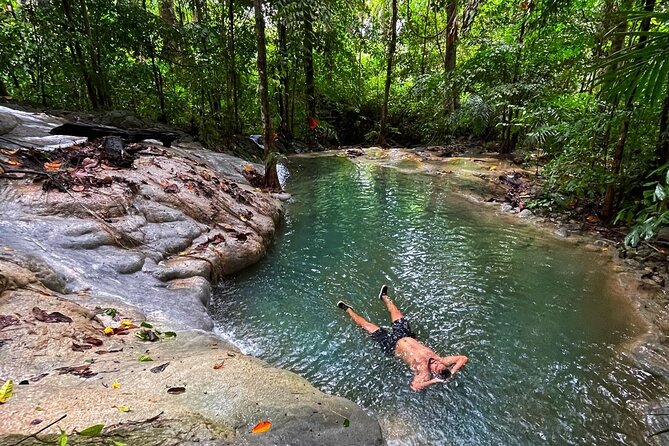
- Freshwater stream ending that adds meaning to the whole “lava stream” theme
Ancient Lava Stream Trek: what you’re really signing up for
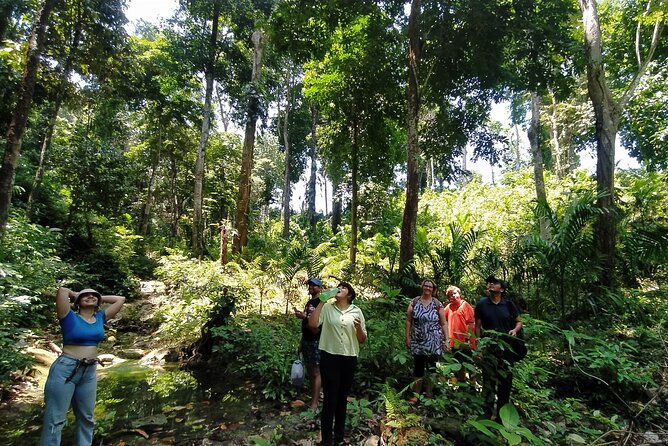
This trek isn’t just “walk in the woods.” It’s a guided route through a few different island ecosystems—starting in coastal forest, then moving into an Areca (betel nut) plantation, and finally deeper into dense tropical forest that leads you to a freshwater stream. The point of that structure is simple: you see how life adapts to the island’s conditions, and you get a guided sense of how the islands formed and how wildlife history fits into the picture.
The “ancient lava stream” theme matters because it signals the setting: you’re not just walking on flat, comfy ground. You’re moving through terrain shaped by past geology, and the guide’s explanations are aimed at helping you connect what you see—rocks, plants, and habitat—to how the island environment developed. In one of the top feedback notes (the Andaman Botany 101 style review), the standout was that the guide explained plants and trees and also geology in a detailed way. That’s a big deal for value: you’re paying for the hike, yes, but you’re also getting context that many jungle walks don’t include.
The route, step by step: coastal forest to Areca groves to the stream
From the first stretch, you’re in coastal forest. Expect a walking vibe that feels calmer and more open than the thickest jungle. This is a good mental warm-up part of the trek because you can start paying attention to what the guide points out—types of plants, how the forest is structured, and how coastal conditions influence growth.
Then the trek transitions into an Areca nut plantation (betel nut). This portion is not just pretty greenery. It’s a look at the human side of island ecology: how people are involved in beetle/Areca nut plantation and harvesting. You get a peek into everyday agricultural rhythm—what’s cultivated, how the plantation functions, and how the farming landscape sits alongside the surrounding forest. If you enjoy seeing the “how locals live” layer rather than only wildlife, this stop is one of the best-value pieces of the entire 2.5 hours.
After the plantation, you move back into dense tropical forest. This is where conditions can shift fast. The description is clear that the trek includes rope-assisted climbing and rappelling, and it gets slippery at times. That means you should mentally treat the hike like a short adventure route, not a casual stroll.
Finally, you reach a freshwater stream. Ending at water gives the walk a stronger sense of place. You’re not only collecting photos of leaves; you’re arriving at the natural feature that ties back to the “lava stream” theme and helps you understand why certain plants and animals might cluster where they do.
Rope-assisted sections: the part that decides if this fits you
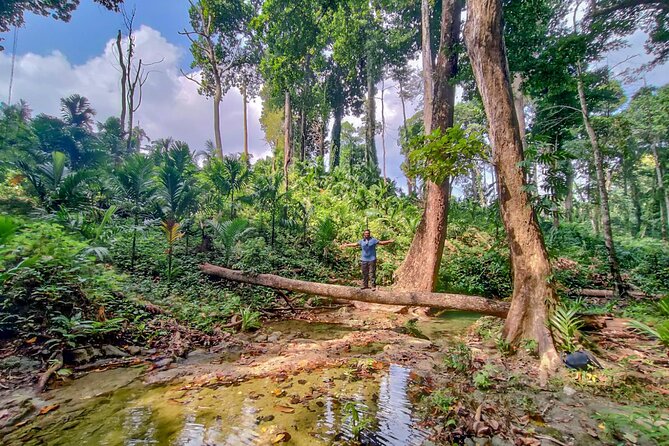
Let’s talk honesty: the most important info is the fitness warning. This trek is not recommended if you have any physical issues, especially back, knee, cardio vascular issues, or if you feel weak or unsteady. The rope-assisted climbing and rappelling elements aren’t there to be dramatic—they’re there because the ground can be slick and the route requires safe handling.
Here’s how I’d think about it before booking. Even though the total time is about 2 hours 30 minutes, you’re not guaranteed an easy pace the whole way. When the trail becomes slippery, your speed drops. You may spend more time adjusting your footing and using the rope support. That’s normal, but it means you’ll want to come in rested and ready to focus.
If you’re generally healthy and you like hikes that include hands-on scrambling, you’ll likely feel more comfortable. If you know you struggle with downhill footing or anything involving knee bending, take the warning seriously. This isn’t a “walk through a forest” type of day.
What makes the guide’s plant-and-geology focus valuable
One of the clearest praise points from the experience feedback is that the guide delivered an Andaman Botany 101 style walkthrough—plants, trees, and geology explained in a very detailed way. That kind of guide effort changes how you experience the jungle.
Without that guidance, jungle time can blur together: you see leaves, you hear birds, you take pictures, then you leave. With this kind of explanation, you start noticing patterns: which plants look adapted to the island’s conditions, and how the terrain links back to the island’s formation. The trek overview also highlights endemic flora and fauna—species that have adapted to the island environment. Even if you’re not a hardcore nature nerd, you’ll still get something useful out of that: better recognition, better context, and fewer moments of wandering around thinking, what am I looking at?
For me, that’s the best argument for value at this price point. You’re paying for a guided learning hike, not just access to a trail.
Areca nut plantation: seeing work life tied to the island
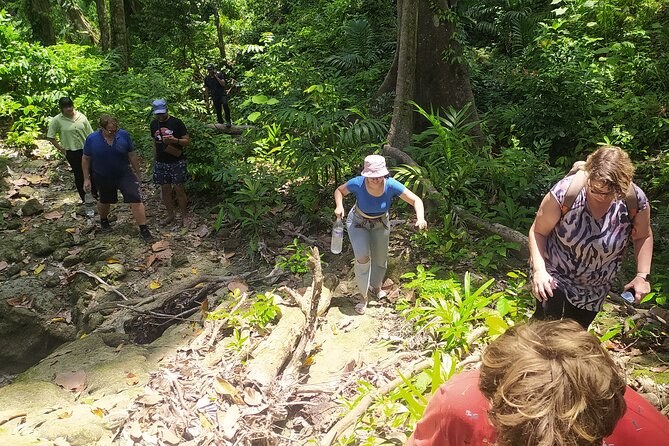
The Areca nut portion gives you a different kind of insight than the jungle sections. Here, you get a peek into the people and practices behind plantation and harvesting. That’s one of those details that makes a place feel real.
Also, it’s not separated from the rest of the day like a “drive-by stop.” It fits naturally between coastal forest and dense jungle, so you experience the shift from natural habitat to managed crops, then back to wild growth. You can think of it as a living lesson in land use: how humans work with the island ecology rather than ignoring it.
If you care about food and farming, or you just like understanding where ingredients come from, this stop will likely land well. Even if you don’t ask many questions, the guide’s role is built into the experience structure.
Timing, small group size, and getting there on your own terms
This is a 1:00 pm start. Duration is about 2 hours 30 minutes, and it ends back at the same meeting point. That return-to-start design is practical: you’re not trying to coordinate transport at the end of a sweaty, rope-assisted trek.
The group cap of 15 matters because it usually means you’re not stuck behind a long conga line. In hands-on hiking moments—like slippery sections and rope work—small groups tend to help everyone move safely and stay within the guide’s attention span.
Price is listed at $33.56 per person, and the tour is booked about 6 days in advance on average. For what’s included—all fees and taxes—the price can be quite reasonable if you’re looking for more than a basic jungle walk. The rope elements, the guided explanations, and the Areca nut and freshwater focus all add up.
One practical note: the air-conditioned vehicle isn’t included. If you’re arriving from farther away, you’ll need to plan your own transport to the meeting point near Govind Nagar.
Who should book this trek (and who should skip it)
This trek is best for you if:
- You want a guided forest walk with real explanations of plants and geology
- You’re curious about island farming and want to see Areca nut harvesting life
- You’re comfortable hiking for about 2.5 hours, including uneven, slippery terrain
This trek is a poor fit if:
- You have back or knee issues, any cardio vascular concern, or you feel generally weak
- You’re looking for a totally easy stroll without hands-on climbing or rope support
The most honest way to decide is to compare your comfort level with slippery footing and controlled rope use. The experience itself is quite clear that it’s not recommended for people with physical issues, and that warning is for a reason.
Value check: is it worth $33.56 for 2.5 hours?
For many tours, the price tells only part of the story. Here, the included items are mostly fees and taxes, while your “value” comes from the experience design:
- Guided botany and geology explanations (a major praised element)
- Multiple scenery zones in one session: coastal forest, Areca nut plantation, dense forest, and a freshwater stream
- Technical elements: rope-assisted climbing and rappelling-style sections
In other words, you’re paying for a guided interpretation of the environment, not just time outdoors. If you like learning while you walk and you’re physically suited to the tougher sections, the price feels fair. If you want purely relaxed sightseeing, the slippery and rope-assisted parts might not match what you’re after.
If weather looks iffy, plan around the decision
This activity requires good weather. If it’s canceled due to poor conditions, you’ll be offered a different date or a full refund. That matters because jungle terrain can become more slippery with rain. If you hate uncertainty, consider booking with a flexible schedule.
Also, I’d go in expecting that you’ll be using your judgment about footing. This is part of why the hike is short: it’s intense, then you’re done and back to the meeting point.
Should you book the Ancient Lava Stream Trek?
Book it if you want a guided, nature-meets-local-life hike that includes hands-on terrain and a real explanation of what you’re seeing—especially the plants, trees, and Andaman geology angle. The guide-focused learning is repeatedly the high point, and the route’s structure (coastal forest → Areca nut plantation → dense tropical forest → freshwater stream) keeps the day interesting without dragging on.
Skip it if rope-assisted, slippery ground sounds like a headache for your body or your nerves—because this isn’t marketed as an easy trek, and the safety warning is firm.
If you’re fit enough and you enjoy guided storytelling through real places, this is one of the better-value ways to experience Havelock Island beyond beaches: you’ll leave with both photos and a clearer sense of how the island environment works.
FAQ
How long is the Ancient Lava Stream Trek?
It’s listed at about 2 hours 30 minutes.
Where does the trek start and end?
It starts at the Govind Nagar area on Havelock Island (listed as 7M3JXXM5+63HXXM5+63H) and ends back at the same meeting point.
What time does it start?
The start time is 1:00 pm.
What’s included in the price?
All fees and taxes are included.
What isn’t included?
An air-conditioned vehicle is not included.
Is this trek suitable for people with physical issues?
It’s not recommended for anyone with physical issues, especially back, knee, cardio vascular issues, or general weakness.