REVIEW · OLYMPIA
Ancient Olympia: Archaeological Site and Museum Ticket
Book on Viator →Operated by KeyTickets · Bookable on Viator
Ancient Olympia turns a walk into a time machine. You get a pre-booked ticket for the Sanctuary of Zeus area, plus museum time to connect the stones to the stories. This is one of those places where you can stand in the same spaces that hosted the Olympics idea in antiquity and still feel how big the complex is.
I especially love how the visit is practical: you can spend time at the archaeological site at your own pace, then cool off in the museum when the sun gets loud. I also like that the route is clearly laid out, so you can move from major temple ruins to the training spaces and then to the exhibits that explain what you just saw.
One possible drawback: this ticket is non-refundable and not changeable, so if your day gets wrecked by transport delays or a tight cruise schedule, you’re taking a risk.
In This Review
- Key things to know before you go
- Ancient Olympia in one ticket: what you actually get
- Entering the Archaeological Museum: when your chosen time matters
- Walking the Sanctuary: Temple of Zeus and the big picture
- Temple of Hera and the athletic training spaces
- Archaeological Museum: turning ruins into readable history
- Museum of the History of the Olympic Games: context beyond stones
- Price and value: is $33.72 a good deal?
- Timing tips: how to build a calm, not rushed day
- What can go wrong: ticket scans, lines, and tight schedules
- Who this is best for
- Should you book this ticket?
- FAQ
- What is included with this Ancient Olympia ticket?
- Do I need to pick a time for everything?
- How long should I plan for the visit?
- Is hotel pickup or drop-off included?
- Who is this ticket for age-wise?
- Can I get a refund or change the date if plans change?
- Is the ticket valid for multiple days?
Key things to know before you go
- Time selection only for one place: pick a time/date for the Archaeological Museum entrance; the site and the Museum of the History of the Olympic Games follow your selected date.
- You’ll cover a lot of ground: the site is spread out, and there’s not much shade outside.
- Sun protection matters: plan for hot steps, dry air, and long viewing stretches.
- Have a backup mindset: if there’s any ticket-scanning confusion, you may need to stop at the ticket booth to get sorted quickly.
- Bring your tickets ready to scan: downloading ahead can save you grief with weak internet.
Ancient Olympia in one ticket: what you actually get
This experience packages one of Greece’s most meaningful archaeological visits: Ancient Olympia’s sanctuary zone, where the ancient Olympics spirit began. You’re not just buying entry. You’re buying a way to structure your day so the ruins and the artifacts speak to each other instead of feeling like random stone piles.
Your visit centers on three parts. First is the Archaeological Site of Olympia, the big open-air experience. Next comes the Archaeological Museum, which helps you read the site. Finally, you finish at the Museum of the History of the Olympic Games, focused on how the games developed and what was found from the periods when they were held.
The ticket is priced at $33.72 per person and is typically used for a 1 to 3 hour visit. That time range is realistic if you want to walk, read signage, and actually look at the artifacts in the museums without rushing.
You can also read our reviews of more tours and experiences in Olympia.
Entering the Archaeological Museum: when your chosen time matters
Here’s the key logistics point: you must select a specific time and day for the Archaeological Museum of Ancient Olympia. If you’re trying to build a flexible itinerary, this is the one piece that can’t flex.
That requirement affects how you plan your timing. If you arrive early and want to start at the site, that’s fine. Just don’t let yourself drift too long before museum time. The museum is where a lot of the context clicks into place—marble, finds, and explanations that make the ruins less mysterious.
It also helps to arrive with your confirmation ready. Olympia can have spotty connection, so having your ticket saved offline can prevent last-minute stress when you’re staring at a screen you can’t load.
Walking the Sanctuary: Temple of Zeus and the big picture
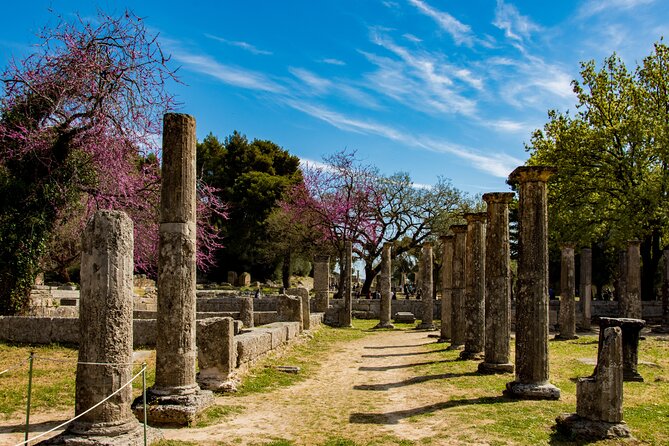
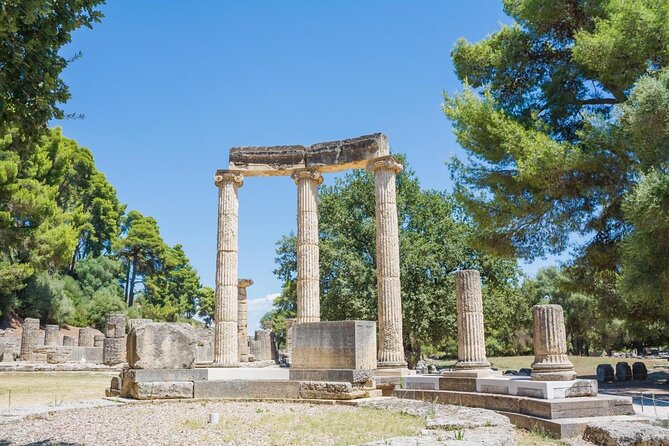
Once you’re at the Archaeological Site of Olympia, you’ll see why this place is so famous. The sanctuary includes monumental temple remains, including the Temple of Zeus, the largest in the Peloponnese. Even in ruin form, the scale hits you. You can stand where worship once faced, then look around and understand how the sanctuary acted like the stage for major events.
As you walk, focus less on finding one “perfect photo angle” and more on orientation: where the temples sit in relation to the rest of the grounds. That’s how the complex starts to make sense, not as a set of separate stops, but as one designed space.
Also note: outdoor viewing is mostly sun and open air. There’s limited shade. Bring water, wear something breathable, and consider a hat. If you’re sensitive to heat, an earlier start helps more than any smart-sounding plan.
Temple of Hera and the athletic training spaces
After Zeus, the route continues toward the Temple of Hera. This stop is older in spirit and feel, and it adds variety to your walk. Instead of only thinking about the biggest temple, you get a sense of how multiple sacred sites shaped daily life and event rhythms.
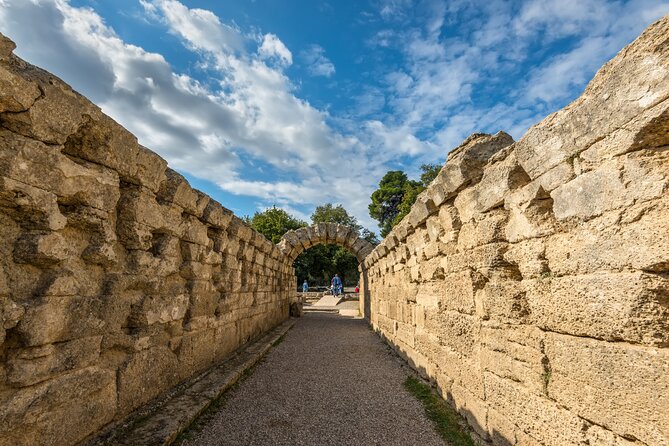
Then comes one of the most memorable parts if you like sports history: the athletic infrastructure. You’ll pass by areas connected to Olympic training and competition, including the hippodrome, wrestling school, stadium, and gymnasium. These names may sound like what you’d read on a sign, but on the ground they feel grounded—stone and layout showing how athletes moved and trained.
What to do in these sections: pause. Stand in the general area and imagine the movement. The stadium especially benefits from a slower pace. If you sprint through, you miss the spatial logic.
Archaeological Museum: turning ruins into readable history
The Archaeological Museum is where Ancient Olympia shifts from impressive ruins into a guided story you can follow. This museum is the natural second act: it presents the long history of the sanctuary of Zeus and includes artifacts that help you understand what you’re seeing outside.
Because your museum entry time is fixed, treat the museum as an anchor, not an extra. If you give it your full attention, the site outside becomes easier to interpret afterward.
In terms of value, this museum tends to justify the pre-booking—especially if you want to avoid the “standing around and hoping it works out” feeling that comes with day-of ticketing uncertainty. One caution: the experience includes admission, but some people who purchased similar add-ons felt audio guide options didn’t match what they expected. If you care about audio, it’s smart to check on-site availability and avoid assuming extra gear is included.
Museum of the History of the Olympic Games: context beyond stones
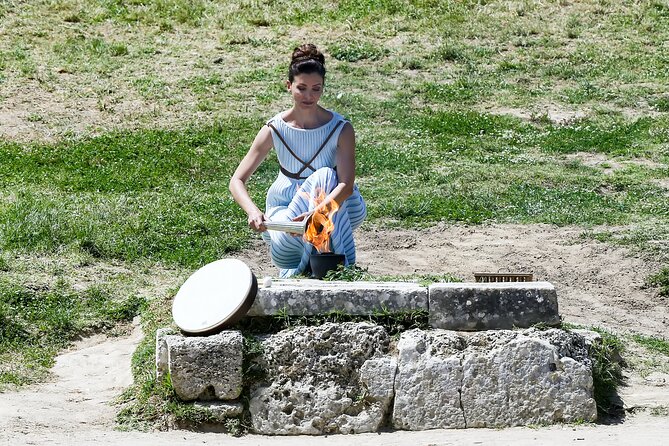
The final stop is the Museum of the History of the Olympic Games. This part is more about the games themselves—what they meant, how they were staged, and what evidence exists from the ancient period.
Think of it as the bridge between “this place was sacred” and “this tradition turned into organized competition with rules and meaning.” Even if you’re not a hardcore sports fan, the museum format helps you connect dates, symbols, and artifacts to real events and real people.
Also, this stop is more flexible in your schedule than the Archaeological Museum. You can enter it anytime on your selected date, so you can decide how much energy you want to spend outside before you head in.
Price and value: is $33.72 a good deal?

At $33.72 per person, this ticket can feel like solid value if you treat it as time insurance plus smoother museum entry. You’re not paying only for “admission.” You’re paying for a timed ticket requirement for the museum you’ll want to experience at least once without waiting.
That said, price isn’t the whole story. Some people felt the ticket cost more than buying at the gate and weren’t thrilled with that difference. If your schedule is loose and you’re comfortable with day-of ticketing, you might find cheaper options on site. But if you prefer certainty, especially in peak season, pre-booking has real value.
Here’s my practical take: book it if you’ll likely go on your selected day no matter what. Skip it if you think your day could slide due to cruise timing, missed connections, or uncertain transport. This ticket is non-refundable and not changeable, so “maybe we’ll make it” is not a great strategy.
Timing tips: how to build a calm, not rushed day
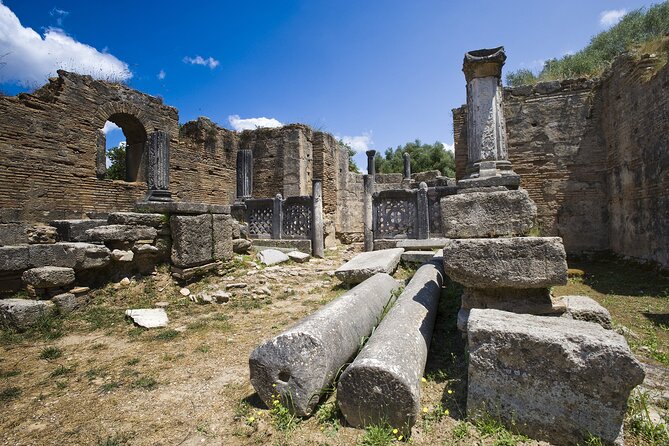
Because this experience spans outdoor ruins and two museums, your biggest enemy is dehydration and time pressure. Outdoor sun makes the walk slower than you’d expect, and museums take longer if you actually read.
A smart approach:
- Start early to reduce heat stress.
- Visit the open-air site first so the museum makes sense afterward.
- Keep the Archaeological Museum time as your hard checkpoint.
- Finish with the Museum of the History of the Olympic Games without rushing your last hour.
If you’re trying to see everything, assume more than the minimum. The complex covers ground, and the signage and exhibits reward patience.
What can go wrong: ticket scans, lines, and tight schedules
Two issues show up in the real world often enough to plan around them.
First, ticket scanning confusion can happen. If the museum scan marks your ticket as used, you could end up having to get help from a ticket booth to keep moving to the site. You can’t prevent every systems glitch, but you can reduce stress by arriving with time and having your confirmation ready on your phone or downloaded.
Second, this ticket is rigid about date and changes. That matters most if you’re coming from a cruise ship or any trip with a hard return deadline. If port timing shifts, you might be stuck. Pre-booking can be great, but only if your schedule has slack.
Who this is best for
This is a great choice for:
- You want a self-paced visit with a structured route.
- You like ancient sports history and sacred site history.
- You want the museums to explain what the ruins look like in context.
It may be less ideal if:
- You have limited mobility or you can’t handle a lot of walking in hot sun.
- You rely on flexible timing due to cruise or complex transport.
- You expect lots of shaded resting points throughout the site (there’s not much).
Should you book this ticket?
I’d book it if you’re going to Ancient Olympia on a day you can treat as solid and certain. The timed museum entrance is a good trade for the uncertainty you’d face otherwise, and the combination of ruins plus both museums makes the day more meaningful than either option alone.
Skip or reconsider if your travel day could change. With no refunds and no changes, the cost of “oops” is on you. Also, if you’re the type who hates checking time slots, remember only one part is time-controlled—the Archaeological Museum. You still get freedom for the site and the Museum of the History of the Olympic Games on your chosen date.
FAQ
What is included with this Ancient Olympia ticket?
The admission ticket is included. It covers entry to the Ancient Olympia archaeological site and museum stops included in the experience.
Do I need to pick a time for everything?
Only the Archaeological Museum of Ancient Olympia requires choosing a specific time and day. The archaeological site of Ancient Olympia and the Museum of the History of the Olympic Games can be entered any time on your selected date.
How long should I plan for the visit?
The experience is listed as about 1 to 3 hours.
Is hotel pickup or drop-off included?
No. Hotel pickup and drop-off are not included.
Who is this ticket for age-wise?
This ticket is for travelers over 25 years. Reduced-price tickets are not available online.
Can I get a refund or change the date if plans change?
No. The experience is non-refundable and cannot be changed for any reason.
Is the ticket valid for multiple days?
No. Your entry timing is tied to the selected date of your booking, with the Archaeological Museum requiring a specific time.