REVIEW · HVAR
Back to the Roots – Ancient Island Interactive Experience
Book on Viator →Operated by Terra Arhaica Experience · Bookable on Viator
A working kitchen teaches you island survival skills.
At Terra Arhaica in Hvar, Croatia, you step into an ancestral home and learn how families once made bread, wine, and everyday tools that kept life going. It’s not a slideshow. You try the work yourself. You even taste the results.
I love how hands-on it is: you grind your own wheat and learn to work with olive oil in a stone vessel. I also like the family-style welcome and the warm, story-led pace that makes the skills feel real, not staged.
One consideration: the whole experience is about 1 hour 15 minutes, so there’s less time for slow explanations or long roaming around like a museum visit.
In This Review
- Key highlights you’ll care about
- Terra Arhaica in Vrisnik: an ancient home you actually use
- What happens after you arrive in Hvar
- The bread lesson: peka heat, grinding wheat, and why it feels different
- Grapes, wine, and the tools behind a quiet process
- Fisherman life, net mending, and salt that actually counts
- The center of it all: fire, fireplace, and the cooking mindset
- The lunch: a farmer-and-fisherman meal you build yourself
- Paprenjok and the sweet side of tradition
- Beyond cooking: figs, weaving, cooper craft, and ironing with embers
- The people make the day: traditional clothing and warm guidance
- Price and value for a 1 hour 15 minute private experience
- When this is a great fit (and when it isn’t)
- Should you book Terra Arhaica’s Back to the Roots experience?
- FAQ
- Where does the Back to the Roots experience take place?
- How long is the experience?
- What language is the experience offered in?
- Is this a private tour?
- Do I get a ticket on my phone?
- How soon will I get confirmation after booking?
- Is the experience suitable for service animals?
- What kinds of things will I learn?
- What food and tastings are included?
- Is there free cancellation?
Key highlights you’ll care about
- Peka-style bread with olive oil: you grind wheat and then taste warm bread drizzled with fresh oil
- Farm-to-table lunch: salted sardines with tomatoes and zucchini you handpicked from the garden
- Fisherman skills included: mend a net using familiar tools and learn how to salt your own fish
- Fire and fireplace matters: you learn why the fire is the center of day-to-day cooking
- Sweet finish with paprenjok: you get the traditional cookie and the recipe story behind it
Terra Arhaica in Vrisnik: an ancient home you actually use
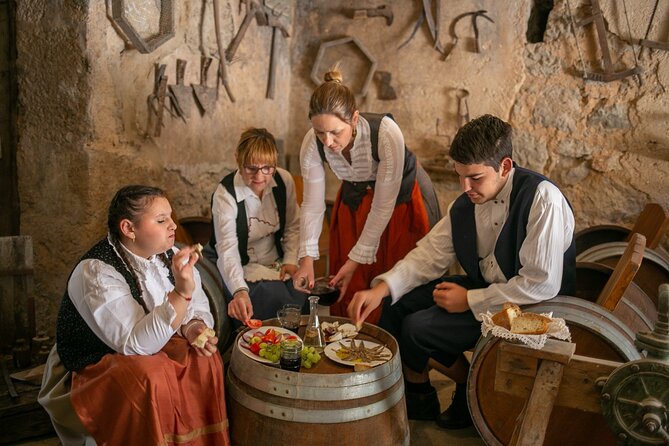
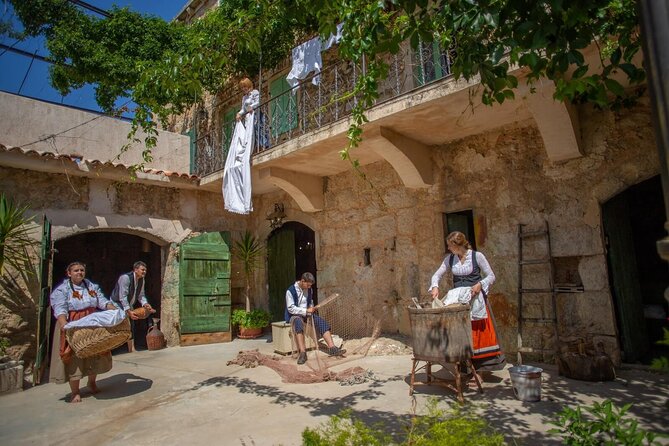
This experience is set in Vrisnik, at Terra Arhaica Experience, in a family ancestral setting that focuses on everyday life skills. Think of it as rural “how it was done” training, where the lessons connect directly to what lands on your plate.
What makes it different from a typical food tour is the mix of topics. You’re not only tasting. You’re learning the practical steps: breadmaking under the peka, grape pressing for wine, net mending, fish salting, and why the fire and fireplace are non-negotiable in island life. It’s history you can point to with your hands.
And yes, you’ll be wearing the same story shoes as everyone else in the group: the pace is interactive, not lecture-heavy. The hosts guide you through multiple small activities, then bring it all together with a meal and traditional sweets.
What happens after you arrive in Hvar
Your activity starts and ends back at the meeting point in Vrisnik (listed as 5M32+9F Vrisnik, Croatia). Expect a smooth, mobile-ticket check. It’s offered in English, and it’s a private experience, meaning it’s only your group.
That private format matters. Hands-on tours can get awkward when a big crowd is hovering. Here, you’re more likely to get a real back-and-forth with the people running it, plus more time to ask questions while you’re doing the tasks.
The experience also runs about 1 hour 15 minutes. That’s long enough to try several skills and sit down for lunch, but short enough that you shouldn’t plan it as a full half-day anchor.
The bread lesson: peka heat, grinding wheat, and why it feels different
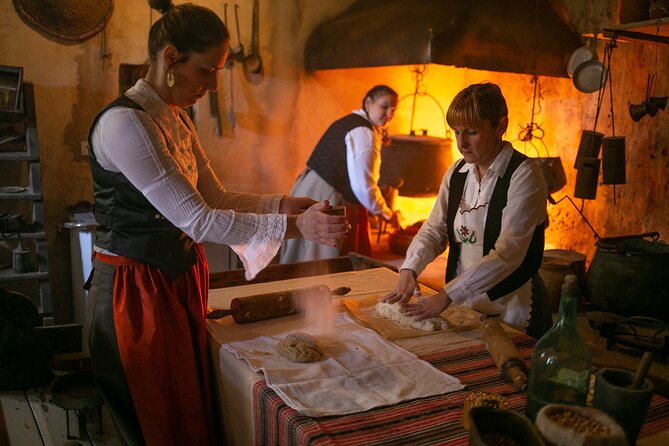
Bread is where the tour starts pulling you into the old methods. You learn how ancestors made bread under the peka—the traditional fire-heated approach—and you also get to grind your own wheat.
Why that part is so important: grinding wheat isn’t just a fun activity. It explains the logic of the whole meal. Freshly ground flour changes how bread tastes and how it behaves. It also connects you to the island rhythm where food doesn’t appear out of nowhere. You see the work behind it.
After the work, you get to taste fresh warm bread served with olive oil. The oil is not just a generic pour. You scoop oil from a stone vessel, which gives you a clearer sense of how early methods handled ingredients before modern bottling and measuring.
Grapes, wine, and the tools behind a quiet process
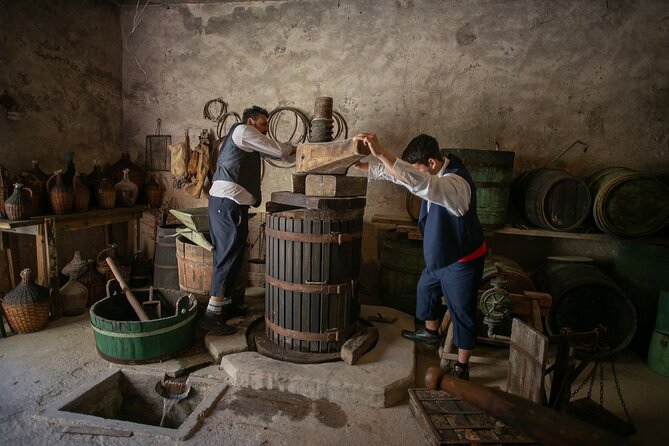
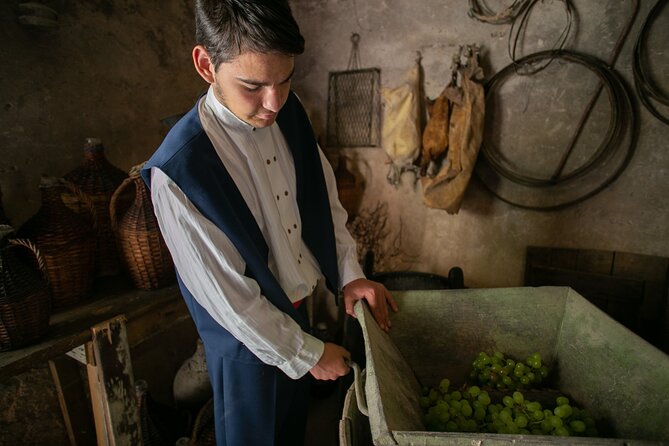
Next up is the grape side of island life. You’ll learn how to press the grapes and turn juice into wine. This is one of those lessons where the meaning lands fast: it’s not only about alcohol. It’s about preservation, timing, and using what the island gives you when it’s ready.
The pressing and wine-making explanation also ties into the broader theme of the day: fire matters, tools matter, and food systems are built around seasonal cycles. Even if you don’t leave as a winemaker, you’ll be able to explain the logic of how grape harvest becomes something you can enjoy later.
Fisherman life, net mending, and salt that actually counts
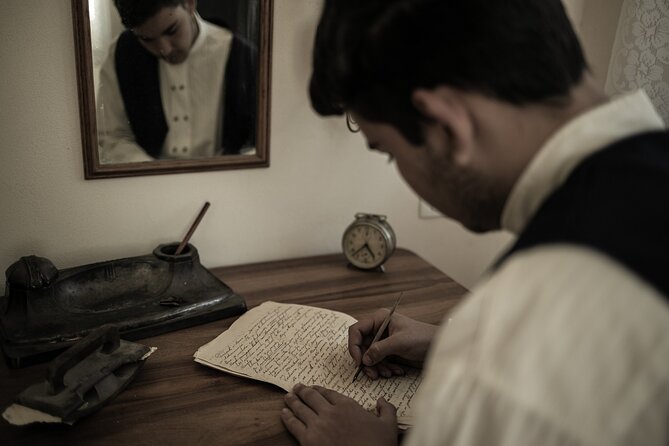
If bread and grapes are about land, the tour also pulls hard on fisherman skills. You learn how to mend a fisherman’s net and familiarize yourself with their tools. You also learn the importance of salting your own fish.
This is where the experience gets especially practical. Nets are about maintenance, not miracles. Fish salting is about control, not luck. The tour frames these skills as day-to-day survival work, done because the sea gives you a lot and because you can’t waste it.
Even if you’re not a craft person, the net work is one of those activities that makes you slow down and pay attention. It’s repetitive in the right way, and it gives you respect for the skill it takes to keep gear functional.
The center of it all: fire, fireplace, and the cooking mindset
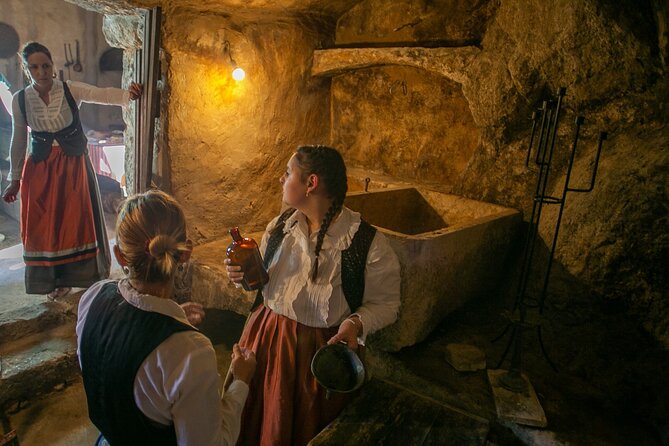
A big part of the tour is the importance of the fire & fireplace. This isn’t a throwaway theme. It’s the engine behind why different foods are made the way they are.
When you understand the fire, you understand timing. You understand why certain methods are used for bread, why slow cooking happens, and why tools and vessels matter. It also helps you connect separate lessons into one system: land products, sea products, and heat management all belong together.
The lunch: a farmer-and-fisherman meal you build yourself
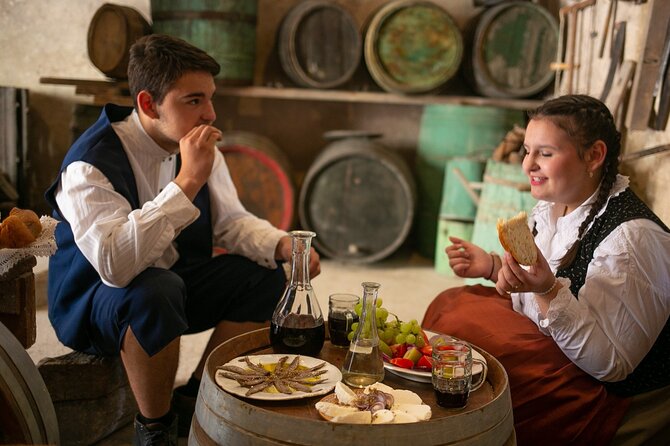
The tasting section is where everything clicks into flavor. You’ll scoop olive oil and taste bread first, then move into the main meal.
The lunch highlight is salted sardines mixed with fresh tomatoes and zucchini—plus the best kind of detail: you handpick the zucchini and tomatoes from the garden. That matters because it changes the meal’s texture and taste. It also makes the “farm” part feel earned, not just advertised.
The tour frames the lunch as a combination of a farmer’s and fisherman’s lunch. In practice, you’re seeing how two different food sources meet on the same table: garden vegetables alongside sea ingredients, with old methods tying them together.
You’ll likely recognize familiar Croatian flavors, but the difference is that you’ve just done the earlier steps that explain where those flavors come from.
Paprenjok and the sweet side of tradition
After the meal, you’ll treat yourself with the traditional paprenjok cookie and learn its secret recipe. If you like food traditions that come with a clear identity, this is the one.
The paprenjok part also reinforces the tour’s overall approach. Sweet cookies here aren’t an afterthought. They’re part of how rural life celebrates harvests and guests—often with recipes passed through family lines.
One more note from how the afternoon tends to run: you may also hear about other cookie varieties and local sweets connected to the same tradition of baking and preserving.
Beyond cooking: figs, weaving, cooper craft, and ironing with embers
This tour doesn’t stop at food. You also learn skills tied to daily life.
You’ll find out how figs were dried—a simple but powerful step in making seasonal fruit last. You’ll learn how to weave a scarf or bracelet, which puts textile work into your hands instead of leaving it as a museum display.
There’s also a cooper’s craft moment. A cooper traditionally works with wooden vessels, and that’s exactly the kind of trade that supports kitchens and storage on an island. Finally, you’ll learn how to iron clothes with embers, a method that explains how people handled laundry without modern irons.
These extra lessons matter because they round out the idea of “ancient island life.” Bread, wine, and fish are only part of the story. The rest is repair, clothing care, storage, and keeping daily systems running.
The people make the day: traditional clothing and warm guidance
A big reason this works so well is the way the hosts guide you. Multiple family members are mentioned by name in the accounts, including Jaksa, Lana, Magdalena, and Jacob. They often greet visitors in traditional clothing, then move through the home and kitchen with the confidence of people showing something they truly use.
You’ll likely feel like you’re stepping into someone’s working family space rather than being processed through a scripted route. That’s why the experience lands as more than just food: the story comes from the people living the tradition, not from a voice on a recording.
If you value small-group, personal storytelling, this format is a strong fit.
Price and value for a 1 hour 15 minute private experience
At $155.33 per person for about 1 hour 15 minutes, this isn’t a budget activity. It’s priced more like a premium class.
So what’s the value? You’re paying for more than lunch. You get:
- hands-on instruction across several island life skills
- tastings built around the lessons (bread, olive oil, salted sardines, and garden produce)
- traditional sweets like paprenjok
- a private setting where questions are easier and the tone stays personal
If you compare it to paying for just a meal in Hvar at a nice spot, you’ll notice something: here, the meal is the visible end point of a much bigger set of learning moments. That’s the trade-off for the price.
If your schedule is tight and you’re already spending time in Hvar’s main areas, this can be a smart “skills day” choice. If you want a long afternoon of wandering, this may feel short because it’s a compact format.
When this is a great fit (and when it isn’t)
This experience is best for you if you like:
- food that comes with a clear process
- hands-on activities instead of passive watching
- family-run storytelling and practical crafts
- learning how people lived from land and sea basics
It’s also a good option if you’re traveling with teens who enjoy doing things. In one family account, kids around ages 10 and 12 handled the interactive pace well, and the experience was described as a highlight.
You might skip it if:
- you hate any hands-on component (grinding, mixing, craft activities)
- you want a long, museum-style pacing with lots of empty time to roam
Should you book Terra Arhaica’s Back to the Roots experience?
I’d book it if you want a focused slice of island life that isn’t about posing or postcard views. You come for the food, but you leave understanding the “why” behind bread, oil, wine, nets, and preservation methods.
The biggest decision point is your tolerance for a fast, interactive 1 hour 15 minutes. If you like moving from station to station and tasting what you learn, this format is exactly right. If you need slow and spacious, plan something else.
Given the consistently high rating and the repeated emphasis on warmth, authenticity, and hands-on learning, this is the kind of activity that tends to justify itself quickly once you’re inside the ancestral home.
FAQ
Where does the Back to the Roots experience take place?
It takes place in Hvar, Croatia, with the meeting point listed in Vrisnik at 5M32+9F Vrisnik, Croatia.
How long is the experience?
The duration is about 1 hour 15 minutes.
What language is the experience offered in?
It is offered in English.
Is this a private tour?
Yes. It is private, so only your group participates.
Do I get a ticket on my phone?
Yes. It includes a mobile ticket.
How soon will I get confirmation after booking?
Confirmation is received within 48 hours of booking, subject to availability.
Is the experience suitable for service animals?
Service animals are allowed.
What kinds of things will I learn?
You’ll learn how bread was made under the peka (including grinding wheat), how grapes are pressed into wine, how to mend a fisherman’s net, how to salt fish, and why fire and the fireplace are important. You also learn about figs drying, weaving a scarf or bracelet, a cooper’s craft, and ironing clothes with embers.
What food and tastings are included?
You’ll taste warm bread with olive oil from a stone vessel, mix salted sardines with tomatoes and zucchini from the garden, and enjoy traditional paprenjok cookies with the recipe.
Is there free cancellation?
Yes. Free cancellation is available. You can cancel up to 24 hours in advance for a full refund, based on local time.