REVIEW · BAMBERG
Bamberg: Guided Beer History Tour with Optional Tasting
Book on GetYourGuide →Operated by AGIL Bamberg erleben · Bookable on GetYourGuide
Beer and Bamberg are basically inseparable. This 1.5-hour guided walk turns the city’s UNESCO old-town sights into a story of brewing, trade, and local drinking customs—without turning it into a lecture. I especially like how the guide ties the beer past to what you can see right now, stone by stone.
Two things I really enjoy: the tour’s mix of town highlights (Eisgrube, Domberg, Sandstraße) with very specific beer-history stopovers like the original Beer War locations, and the way the guide makes the details feel practical and easy to follow. One consideration: the optional tasting costs extra (€5 for four 0.1L samples), and the tour is in German only—so if you don’t read much German, you may want to plan for slower comprehension.
In This Review
- Quick hits
- Bamberg’s Beer Story Fits the UNESCO Old Town
- Your 1.5-Hour Route: From Beer War Spots to Sandstraße
- What the tour covers in real-world terms
- Beer Through the Ages: Monks, Hops, and Malt Houses
- Stop-by-Stop: Pfahlplätzchen, Eisgrube, Upper Parish Church, and Domberg
- Pfahlplätzchen
- Eisgrube and the Upper Parish Church
- Domberg
- Säufermännla and the Bamberg Beer War: The Fun Parts with Meaning
- Bamberg Beer War locations
- Säufermännla
- Sandstraße: When the Walk Becomes a Real Bamberg Stroll
- Optional Beer Tasting: What €5 Buys (and Who Should Skip It)
- Price and Value: Is $21 a Smart Buy?
- Who This Tour Is Best For (and Who Might Want Another Option)
- Should You Book This Beer History Tour?
- FAQ
- How long is the Bamberg beer history tour?
- How much does the tour cost?
- Is beer tasting included?
- Where does the tour meet?
- Is the guide included?
- What language is the tour in?
- Is this tour suitable for children?
- Are transfers included?
Quick hits
- UNESCO old-town sightseeing with a beer-focused story across key Bamberg landmarks
- Bamberg Beer War locations plus the local beer-symbol figures called Säufermännla
- Monastic brewing to hop trade to malt houses—explained in plain language
- Pfahlplätzchen, Eisgrube, Upper Parish Church, Domberg, and Sandstraße on one walking route
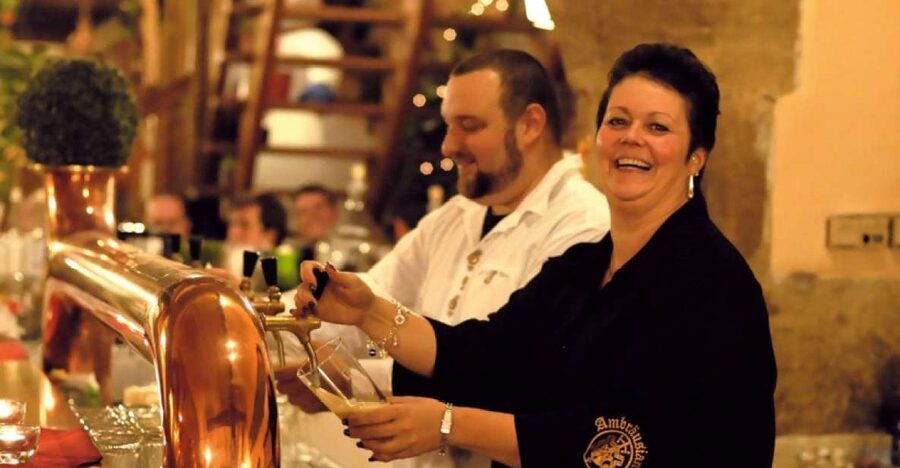
- Optional tasting includes light, dark, wheat, and smoked beers (small samples)
- Guides are known for being punctual and clear, including German guides like Jan
Bamberg’s Beer Story Fits the UNESCO Old Town
Bamberg is one of those places where history doesn’t sit behind glass. It’s on street corners, in the shape of squares, and in the way the town talks about its beer culture. That’s why this tour works so well: you’re not just hearing about brewing—you’re walking through the setting that made it matter.
I like that the experience is short (1.5 hours), which keeps you from turning your day into a stamina test. You’ll get a guided route that hits several “must-see” areas of Bamberg while staying focused on how beer shaped local customs and traditions.
The guide uses the city’s brewing arc—from monastic beginnings, through the flourishing hop trade, to later global commercial malt-house influence—to explain why Bamberg became such a beer name. Then you get to look at the actual town spots tied to that story, including areas connected to the Bamberg Beer War.
You can also read our reviews of more tours and experiences in Bamberg.
Your 1.5-Hour Route: From Beer War Spots to Sandstraße
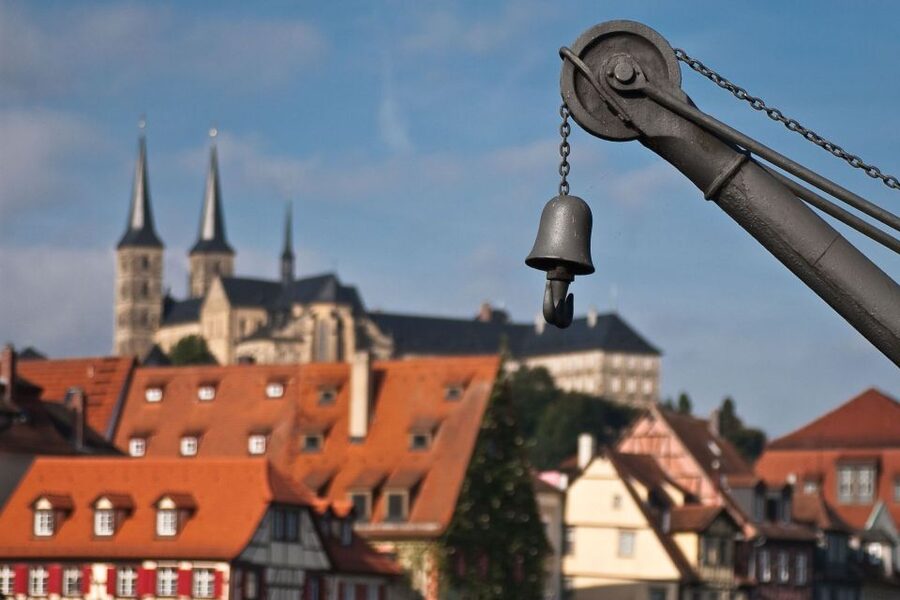
This is a walking tour designed to be efficient. You’ll start at AGIL Lädla, Alte Hofhaltung, Domplatz 7, 96049 Bamberg, and then move between historic stops that connect the beer story to the city’s main sights.
A big part of the fun is the variety of “types” of stops. You’ll see religious and civic landmarks (like the Eisgrube area and the Upper Parish Church connection) but also more playful local features tied to beer culture, including the Säufermännla. It’s a reminder that brewing wasn’t only serious business—it was community life, joked about, and celebrated.
What the tour covers in real-world terms
You should expect a smooth, guided stroll where the guide explains the significance of each location as you pass. The tour includes several named town areas, plus the places linked to beer competition and local drinking customs—so it feels like you’re building a map in your head as you go.
And because the tour is only 1.5 hours, you won’t feel stuck for an entire afternoon in one topic. You’ll come away with enough context that you can keep exploring Bamberg on your own afterward.
Beer Through the Ages: Monks, Hops, and Malt Houses
Bamberg’s brewing story is built on a chain of connected ideas. The tour frames it like this: start with monastic brewing, then follow how hops helped the trade grow, then look at how brewing practices and supply matured into broader commercial systems.
What I like about this approach is that it gives you a timeline without drowning you in dates. When you’re looking at an old European city, it’s easy to get lost in “wow, old stones.” This tour turns those stones into reasons—why brewing mattered enough to shape trade routes and local customs.
The hop trade piece is especially important here. Hops aren’t just a beer ingredient. They’re tied to how beer stayed consistent, how flavor and preservation worked better over distance, and how a town could grow its reputation.
Then the story expands to the idea of global commercial malt houses. Even if you’ve never heard the term before, the guide’s job is to make the connection between what was local and what later became wider industry. It’s a neat way to see how a hometown tradition fits into larger economic changes.
Stop-by-Stop: Pfahlplätzchen, Eisgrube, Upper Parish Church, and Domberg
One reason I’d choose this tour is the lineup of named locations. You’re not guessing what’s important; the guide points you toward the key pieces of Bamberg’s geography.
Pfahlplätzchen
Pfahlplätzchen is one of those town stops that sounds specific because it is. On a beer-history tour, places like this matter because they help anchor the story in something you can point at. You’ll understand how the tour’s beer narrative relates to the city layout around it.
Eisgrube and the Upper Parish Church
The Eisgrube with the Upper Parish Church is a highlight area you’ll hear referenced as part of the city’s classic Bamberg sight pattern. The tour uses it as a major checkpoint in the walk so you get both atmosphere and context.
It also helps that this isn’t just “look at a building.” The guide connects the location to the bigger story of Bamberg’s identity, including how brewing history and local culture played out in everyday life.
Domberg
Then you move toward Domberg. In Bamberg, Domberg is one of the city’s key top areas, and it’s repeatedly linked with the landmarks that help define the old town’s character.
On tours that only focus on beer, you can miss how strongly the brewing story was tied to the town’s institutions and community. Here, Domberg helps keep the perspective grounded in the real setting where people lived, worked, worshiped, and traded.
Säufermännla and the Bamberg Beer War: The Fun Parts with Meaning
Not every beer tour gives you the playful side of brewing culture. This one includes specific “beer culture” elements—things you’ll recognize as local rather than generic.
Bamberg Beer War locations
The tour takes you to the original locations associated with the Bamberg Beer War. This adds a layer of conflict and competition that most beer stories skip. Beer wasn’t only craft and tradition; it could also be about business pressures, rights, and who controlled what.
If you like history that has stakes, this portion is likely your favorite. It turns beer culture from a background theme into something that shaped decisions.
Säufermännla
You’ll also meet the Säufermännla—local figures associated with drinking culture. These aren’t just decorative. On this tour, they’re used as a gateway to understand how the city approached beer socially: as something people joked about, celebrated, and used to form shared identity.
That’s where the guide’s skill shows. You’re seeing a symbol, but you’re also learning what it meant in the context of Bamberg’s brewing traditions and customs.
Sandstraße: When the Walk Becomes a Real Bamberg Stroll
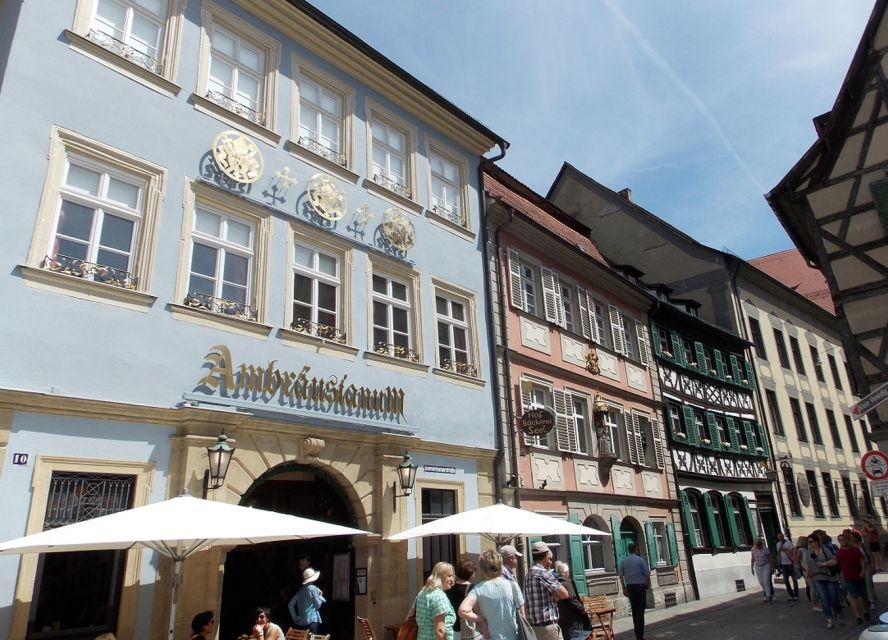
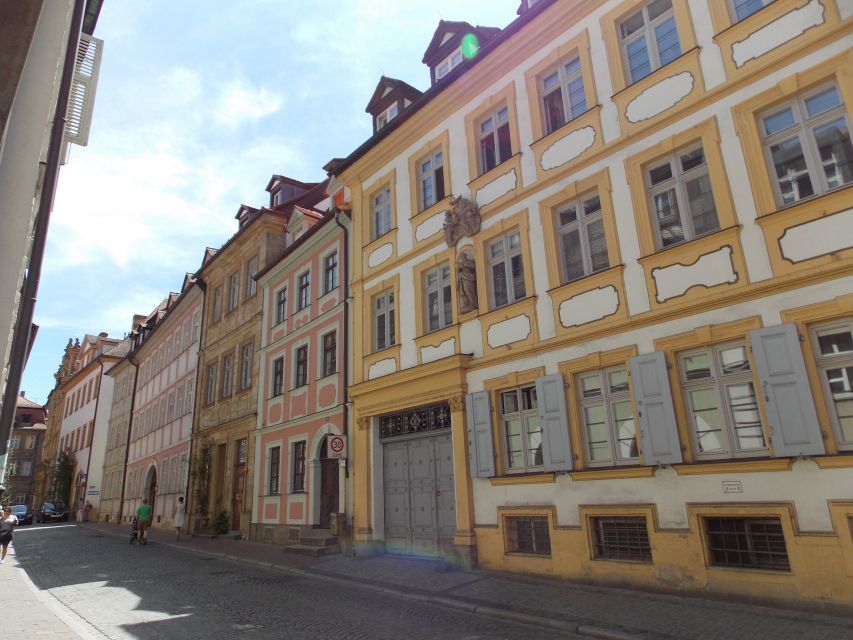
Sandstraße is another named stop in the tour, and it matters because it’s part of how Bamberg feels. This isn’t only about landmarks on big postcards. It’s about the streets you’ll actually want to keep wandering after the tour ends.
By the time you reach Sandstraße, you usually have enough context that the route makes sense. You’ve heard how beer culture grew from monastic beginnings to broader trade impacts, and you’ve seen the key locations tied to that story. Now you can look around and connect it to the physical experience of the town.
This is also where you get the most “human scale” feel. The guide keeps you moving, but you’re still in a walking pace that lets the town register—shops, street rhythm, and the way the old town holds onto its identity.
Optional Beer Tasting: What €5 Buys (and Who Should Skip It)
Here’s the deal: the base tour price is $21 per person and includes the guide. The beer tasting is optional and costs €5.00 for four 0.1L samples—light, dark, wheat, and smoked beer.
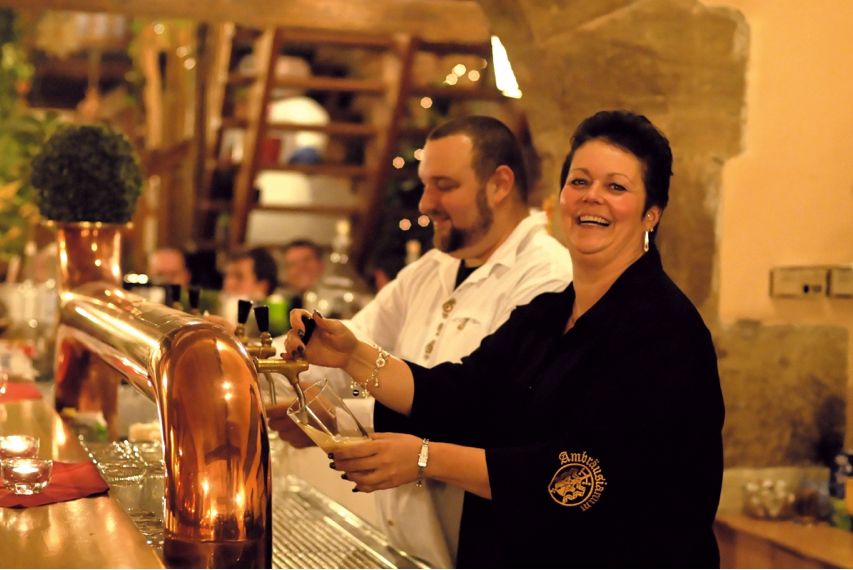
So is it worth it? In my view, it’s a good add-on if you’re the type who learns better by tasting. Small samples are exactly what you want on a short guided walk. You don’t get stuck with a single heavy pour, and you can compare styles while the guide’s context is still fresh.
I’d skip the tasting only if:
- You’re not that into beer styles and prefer to save your budget for Bamberg’s food instead.
- You know you’ll feel rushed drinking while walking.
- You’re strongly sensitive to alcohol or can’t drink for any reason.
Either way, you’ll still get the full sightseeing and beer-story backbone of the tour. The tasting is just the icing.
Price and Value: Is $21 a Smart Buy?
For $21, you’re paying for a guided 1.5-hour route that links multiple key Bamberg sights with beer history. The guide is included, and the tour also notes you can skip the ticket line—useful if you’re juggling time in a UNESCO old town.
The value isn’t just “a cheap tour.” It’s that the guide’s job is to connect what you see (Eisgrube area, Domberg, Sandstraße, and Pfahlplätzchen) with what those places meant to Bamberg’s brewing culture. That makes the walk more than a checklist.
Then you have a low-friction optional add-on at €5.00. You can keep your spending flexible depending on your mood that day.
One more practical angle: there are no transfers included. That’s not a deal-breaker—Bamberg is the kind of town where you can often manage on foot—but you should plan how you’ll reach the meeting point at Domplatz 7.
Who This Tour Is Best For (and Who Might Want Another Option)
This tour is aimed at adults. It’s not suitable for children under 18, which makes sense given the beer-focused theme.
You’ll probably enjoy it if you:
- Want a guided overview that connects beer with Bamberg’s main sights
- Like local stories with named places, like the Beer War locations and Säufermännla
- Prefer shorter tours where you can keep exploring afterward
- Appreciate a guide who can explain brewing trade changes in a way that makes sense on the street
Because the tour language is German, it’s best for travelers who feel comfortable with German conversation, or at least with following guided explanations. If you don’t, you might still enjoy the visuals and general flow, but the deeper story will be harder to catch.
Should You Book This Beer History Tour?
If you want Bamberg with a clear theme, book this. It’s a focused beer-history walk that uses real town landmarks—UNESCO streets, specific local beer-culture spots, and major sight areas—so you leave with more than photos.
I’d especially recommend it if you like when a guide brings the material to life. The tour is known for friendly, punctual guidance with strong subject knowledge, and guides like Jan are highlighted for making the story entertaining and easy to follow.
Only reconsider if you don’t do well with German-only tours, you’re not interested in beer at all (tasting is optional, but the theme is still beer), or you can’t manage a 1.5-hour walking format.
FAQ
How long is the Bamberg beer history tour?
The tour lasts about 1.5 hours.
How much does the tour cost?
It costs $21 per person.
Is beer tasting included?
No. Beer tasting is optional and costs €5.00 for four 0.1L samples (light, dark, wheat, and smoked beer).
Where does the tour meet?
You meet at AGIL Lädla, Alte Hofhaltung, Domplatz 7, 96049 Bamberg, Germany.
Is the guide included?
Yes. The tour includes a live tour guide.
What language is the tour in?
The live tour guide is German.
Is this tour suitable for children?
No. It is not suitable for children under 18.
Are transfers included?
No. Transfers are not included.