REVIEW · BANGKOK
Bangkok Heritage & Street Art Private Walking Tour
Book on Viator →Operated by WanderSiam · Bookable on Viator
Street art in Bangkok hides in plain sight. This private walk threads Charoen Krung and Talat Noi together with roast duck, old churches, and wall-to-wall creativity where the past still shows. You’ll get off the main routes and work through quiet lanes, riverfront warehouses, and shophouse corridors that feel much less tour-bus than the usual Bangkok circuit.
I especially like the way this tour pairs “food first” with big-picture culture. The Prachak Roasted Duck stop is a real Bangkok staple, and my other favorite part is the guide storytelling, which makes each corner feel connected rather than random.
One thing to plan for: you’ll be walking through local streets for about 4 hours 20 minutes, and it’s not set up for people with walking disabilities. Also, the tour ends in Talat Noi, so you’ll need to handle getting back on your own.
In This Review
- Key things you’ll notice on this tour
- How the 4-hour walk turns street corners into a story
- Charoen Krung and Talat Noi: the two neighborhoods that change everything
- Stop-by-stop: Prachak duck, churches, warehouses, and a Hakka shrine
- Prachak Roasted Duck: the food stop that sets the tone
- Wat Suan Phlu: a calm pocket off the main road
- Assumption Cathedral and Holy Rosary Church: Catholic architecture with local roots
- East Asiatic Company Building: the riverfront’s old industrial grandeur
- Bang Rak: the district that keeps changing
- Talat Noi: the market-quarter mood that feels older than the map
- Rong Kuak Shrine: the Hakka connection you’ll be glad you didn’t miss
- What $83.17 gets you (and when it’s a smart value)
- Guide energy matters: Net and Nikki as examples of the right style
- Street art you can actually connect to place
- Logistics you should plan around (without overthinking it)
- Who should book this tour, and who might skip it
- Should you book? My practical take
- FAQ
- What time does the Bangkok Heritage & Street Art Private Walking Tour start?
- Is hotel pickup included?
- How long is the tour?
- Do I need to pay for entry fees at the stops?
- What’s included in the price besides the guide?
- Does the tour end at the hotel?
- Is the tour offered rain or shine?
- Is the tour suitable for people with walking disabilities?
Key things you’ll notice on this tour

- 1909 roasted duck at Prachak, a longtime local stop for hungry visitors and picky locals alike
- Free-entry religious landmarks across Catholic and Thai heritage spots
- Street art that fits the neighborhood, not just wall photos and a quick stop
- A real meal plus snacks and water so you’re not scrambling between sights
- Hotel pickup included, but you’ll finish in Talat Noi instead of returning to your hotel
- Private group format with an English-speaking guide (and real flexibility for questions)
How the 4-hour walk turns street corners into a story
If you like Bangkok that feels lived-in, this tour hits the sweet spot. It’s not a checklist of famous buildings. It’s a guided walk through Charoen Krung and Talat Noi, two areas where you can still feel how trading, migration, and religion shaped daily life.
The best part is the rhythm. You move at a human pace, then you pause for food, prayers, architecture, and street art. That flow matters because Bangkok can feel loud and fast, but this route slows the city down just enough to let you notice details.
It also helps that the tour is private. You’re not stuck waiting on strangers who are arguing about where to stand. Your guide can adjust the pace, answer your questions, and keep you moving through narrow lanes without the usual group bottlenecks.
You can also read our reviews of more tours and experiences in Bangkok.
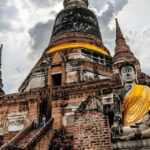
Charoen Krung and Talat Noi: the two neighborhoods that change everything
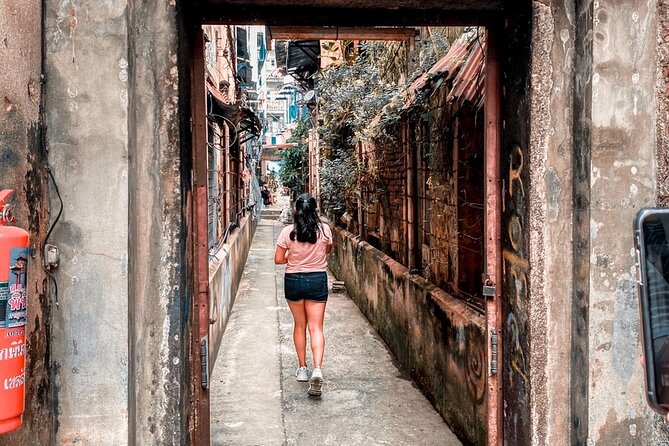
Charoen Krung is one of Bangkok’s older riverfront corridors. Here, history shows up in layers: shophouses, old institutional buildings, and the quiet sense that the city once revolved around trade and foreigners as much as it did around temples. Even when sections feel forgotten, they still hold a strong sense of place.
Talat Noi, right nearby, feels like the older Bangkok version of a neighborhood street. It’s part of Chinatown, but it doesn’t read as a theme park. You’ll experience it as a community space where family heritage and local routines still matter.
This pairing is clever because it gives you contrast without long travel. You start on the river-adjacent side with big landmarks and Catholic architecture, then you shift into Talat Noi’s older market-town mood with Hakka-Chinese heritage details and shrine culture.
Stop-by-stop: Prachak duck, churches, warehouses, and a Hakka shrine
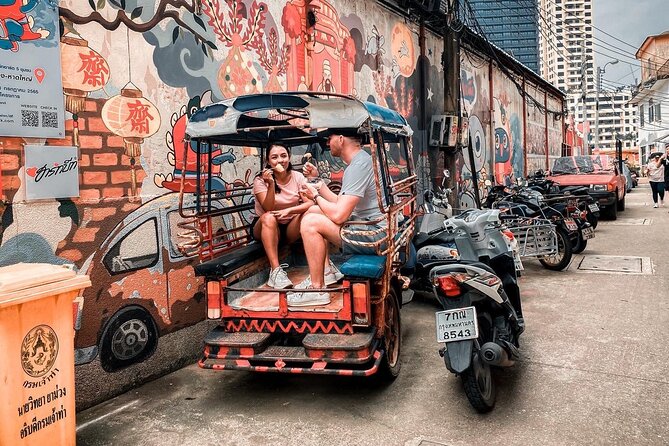
Prachak Roasted Duck: the food stop that sets the tone
You start with a bite at Prachak Roasted Duck. This is one of those no-frills places locals have treated as a serious lunch option since 1909, and it shows. The roasted duck is the headline, and it’s the kind of dish that makes you understand why a city food tour can be more than a snack crawl.
This first stop works for two reasons. First, it powers you for the walking ahead. Second, it puts you straight into everyday Bangkok, where the best meals often come from places that look quietly confident rather than fancy.
Wat Suan Phlu: a calm pocket off the main road
Next is Wat Suan Phlu, tucked down a quieter alley off Charoen Krung Road. You get a breather from the street noise, with the feeling that this temple is part of daily neighborhood life rather than a tourist spectacle.
It’s also interesting because of its historical connection to what used to be betel-nut gardens, tying the modern city back to older land use patterns. Even if you don’t read every plaque, the setting helps you grasp how Bangkok’s geography shaped its culture.


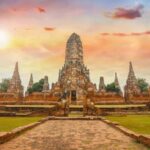

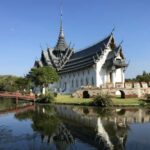
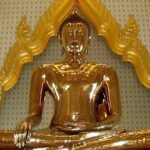
Assumption Cathedral and Holy Rosary Church: Catholic architecture with local roots
The tour then shifts into Roman Catholic landmarks. Assumption Cathedral is the principal Catholic cathedral in Bangkok, built in the early 1800s under French mission influence. Nearby, the route brings you past the Holy Rosary Church, locally known as Kalawar Church, known for its Gothic Revival architecture by the river.
If you’re curious about how different faiths took root in Bangkok, these stops give you more than photo ops. They show how Western religious institutions worked within the local urban fabric, especially along river trade corridors where international communities had reason to build and stay.
One practical note: these are active religious sites. Dress respectfully and keep your tone calm. It’s the kind of visit where small manners make a big difference.
East Asiatic Company Building: the riverfront’s old industrial grandeur
After the churches, you’ll see the East Asiatic Company Building, built in 1901 with an Italian Renaissance feel. It’s the sort of structure that reminds you Bangkok wasn’t only temples and markets. It also had serious commercial infrastructure, and the riverfront still reflects that legacy.
This is a good stop for architecture watchers and anyone who likes comparing old building styles across different Asian port cities. Even if you’re not a detail fanatic, you’ll feel the contrast between “business-era grand” and the quieter shophouse streets nearby.
Bang Rak: the district that keeps changing
You also pass through Bang Rak along Charoen Krung Road. This area has seen diplomatic and trading life, then shifted into a more overlooked corner at times, and later returned as people rediscovered it. It’s a reminder that Bangkok neighborhoods evolve, sometimes quietly, and your route helps you catch that evolution in motion.
This segment is valuable because your guide links the dots between architecture, geography, and migration. You leave with a better sense of why Bangkok looks the way it does now.
Talat Noi: the market-quarter mood that feels older than the map
Talat Noi is where the tour really leans into atmosphere. You’ll spend about 1.5 hours here, and that’s long enough to actually slow down, look around, and notice the neighborhood rhythm. It’s described as timeworn, and you can feel that in the street layout and the sense that the area runs on local needs rather than visitor traffic.
This is also where you’re more likely to notice small creative touches—tucked-away galleries, street art details, and coffee-shop style pauses that make the walk feel less like a march and more like a guided wander.
Rong Kuak Shrine: the Hakka connection you’ll be glad you didn’t miss
Near the end, you visit Rong Kuak Shrine (also known as Chao Hon Wong Kung Shrine). It’s tied to Hakka-Chinese heritage and the deity Hon Wong Kung, with roots reaching back to the early Rattanakosin era. Even if religious symbolism isn’t your focus, it’s a rare chance to see how community identity shows up in local shrine culture.
This stop is short, but it lands well after the market streets. It gives the day a clear cultural ending—something specific, not generic, and clearly tied to the people who have carried the neighborhood forward.
What $83.17 gets you (and when it’s a smart value)
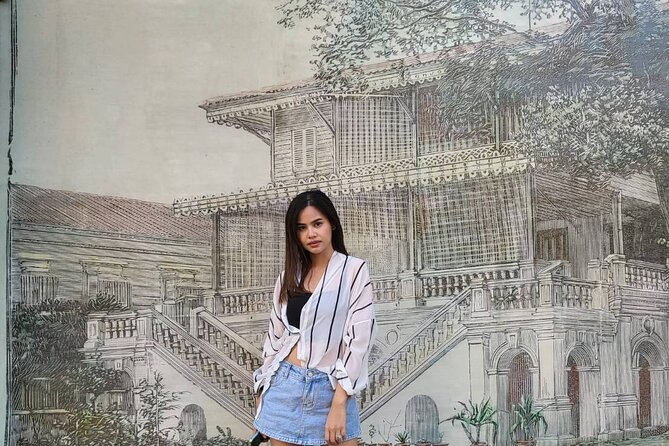
This tour costs $83.17 per person and runs about 4 hours 20 minutes. On paper, that might feel like a lot for a walking tour. In practice, the price makes more sense because it includes hotel pickup, an English-speaking guide, a small meal, snacks, and drinking water.
The big value point is what’s bundled in. Many “culture walks” leave you handling food and logistics on your own. Here, you’re fed early with a real dish, and you get the basics covered so you don’t spend the day hunting for a safe, predictable lunch.
It’s also private. Private-format tours cost more than group tours, but they pay off if you want a calmer experience in the backstreets. Your guide can also help if you have dietary needs; one review highlighted a guide who accommodated different dietary preferences without turning it into a hassle.
Finally, many of the sights along the route are free to enter. That doesn’t mean the experience is free, but it does keep the day’s costs predictable and helps the tour feel like you’re paying for guidance and access to context rather than tickets and fees.
Guide energy matters: Net and Nikki as examples of the right style
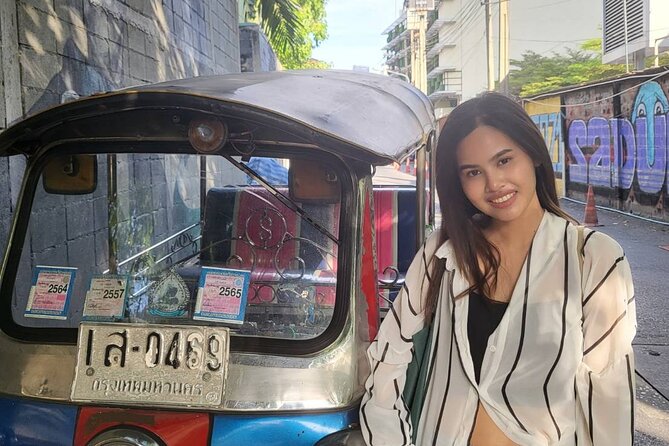
The difference between a good tour and a great tour is often the guide. In this case, the guides named in reviews—Net and Nikki—are described as high-energy and fun, with a focus on keeping things moving while still making time to answer questions.
That matters on a street art and heritage walk because you need someone who can explain what you’re seeing without making it feel like a lecture. A lively guide also helps you enjoy small, quick moments—like noticing a particular architectural detail or understanding why a shrine matters to the people living nearby.
If you’re the type who asks why something is where it is, you’ll probably love this format.
Street art you can actually connect to place
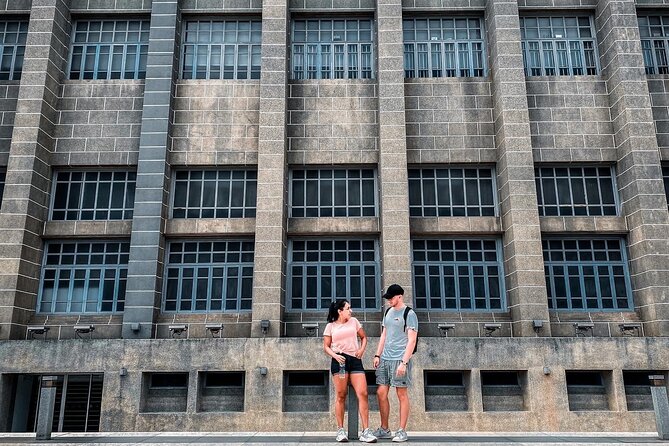
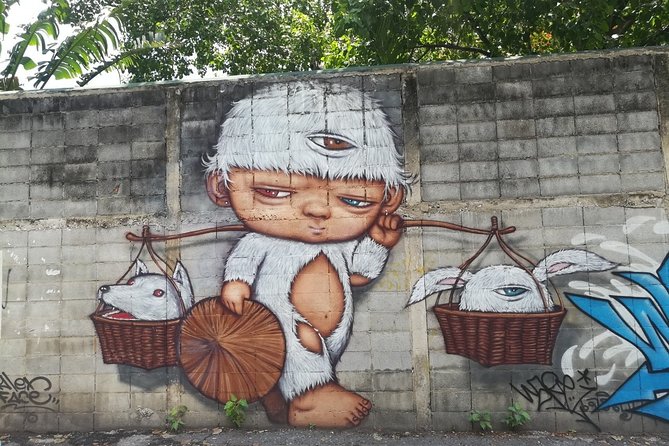
A lot of street art tours feel like scavenger hunts. You find art, you take photos, you leave. This tour tends to connect creativity to neighborhood history instead of treating murals like isolated attractions.
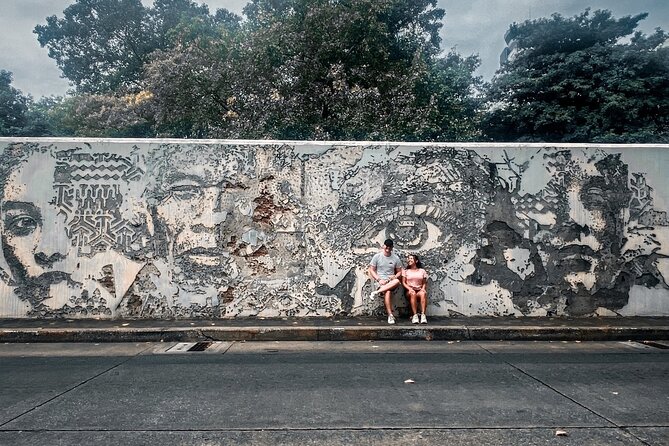
Because you walk through older districts with visible heritage—Catholic churches, old company buildings, long-standing market areas—you start seeing street art as part of the city’s ongoing conversation. It’s not “random color on a wall.” It’s Bangkok speaking in its own current voice while history sits nearby.
Your best approach is to keep your phone ready, but also look longer than a quick snap. The creativity you’ll spot in side streets tends to reward slow glances.
Logistics you should plan around (without overthinking it)
The tour starts at 9:00 am and runs a little over four hours. Hotel pickup is included, and you’ll also get a mobile ticket. The route works near public transportation, which is handy if you need a backup plan.
Two timing tips:
- Wear comfortable walking shoes. The tour is not designed for anyone who struggles with mobility.
- Bring a light layer. Morning weather can change fast, and the tour runs rain or shine.
If it rains heavily, the operator tries to seek shelter and then continues when the weather eases. During rainy season, you’ll want a raincoat or poncho so you can keep moving.
Also note the ending: the tour finishes in Talat Noi. You’ll need to travel back to your hotel on your own after that.
Who should book this tour, and who might skip it
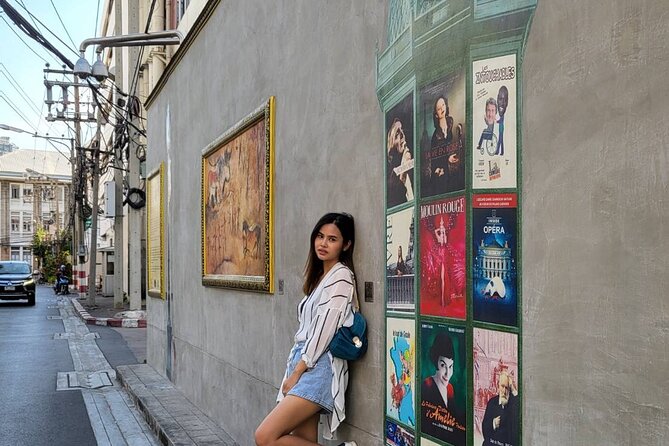
This is a great fit if you want Bangkok that feels less manufactured and more locally grounded. It suits culture lovers, architecture fans, and food-first travelers who like tasting their way through the day.
You’ll also enjoy it if you care about multicultural roots—Thai and Chinese heritage side-by-side with Catholic landmarks along the river-adjacent corridors. The mix makes the walk feel like a connected map of Bangkok’s identity.
You might skip it if you have limited walking ability or want a fully structured, end-to-end itinerary that returns you to your hotel. Since it ends in Talat Noi, your plans after the tour should account for travel time back.
Should you book? My practical take
Book this tour if you want a smarter, quieter Bangkok morning that ties together food, heritage landmarks, and street art in the same route. The included meal, snacks, water, and pickup make the $83.17 price feel more realistic than a basic walking tour where you’re paying extra for everything else.
Skip it if you need a tour that is easy on mobility or one that automatically returns you to your hotel. Also, if you only want the biggest, most famous Bangkok sights, this route may feel more “neighborhood” than “icon.”
If you’re willing to walk and you enjoy details, this is the kind of tour that gives you more than photos. It gives you a better sense of how Bangkok’s old trade streets became the creative streets you see today.
FAQ
What time does the Bangkok Heritage & Street Art Private Walking Tour start?
The tour starts at 9:00 am.
Is hotel pickup included?
Yes, hotel pickup is included.
How long is the tour?
The duration is approximately 4 hours 20 minutes.
Do I need to pay for entry fees at the stops?
The tour indicates that admission is free for the listed stops.
What’s included in the price besides the guide?
The price includes a small meal, snacks, and drinking water, plus an English-speaking guide.
Does the tour end at the hotel?
No. The tour ends in Talat Noi, and transfer back to your hotel is not included.
Is the tour offered rain or shine?
Yes, tours operate rain or shine. If it rains heavily, the operator seeks shelter and continues when weather improves.
Is the tour suitable for people with walking disabilities?
It is not recommended for travelers with walking disabilities.