REVIEW · RIO DE JANEIRO
Rio de Janeiro: Afrobrazilian Heritage & Black History Walk
Book on GetYourGuide →Operated by Rio Encantos Experiences · Bookable on GetYourGuide
A good walking tour can change how you see a city. This one links the pain of the transatlantic slave trade to the living cultures that grew from it, from Valongo Warf to Pedra do Sal. I like how the story stays practical and human, and I also like that the guide’s perspective comes from Rio’s Afro-Brazilian community, so the details land with weight.
One possible drawback: this is not a light stroll. Expect a serious topic (enslavement and trafficking by the Portuguese over 380 years) plus a steady walk, rain or shine, so bring the right gear and mental space.
In This Review
- Key moments you’ll feel on this walk
- What this Rio heritage walk is really about
- Where you start: Praça Mauá vs. Saúde
- The story begins in the port zone: Saúde and downtown Rio
- UNESCO and the Valongo Warf: what you’re seeing and why it counts
- “Little Africa” around Pedra do Sal: samba origins in everyday space
- Food note
- Largo São Francisco da Prainha: history in the streets
- Afrobrazilian religions: candomblé, umbanda, and syncretism
- The Etnias mural and Estúdio Kobra: art as memory
- What the tour includes (and what you should plan for)
- Price and value: $64 for 150 minutes that actually teaches
- The guide quality that makes the difference
- What to bring and how to prepare
- Who this tour is best for (and who may want to skip)
- Should you book this Rio Encantos heritage walk?
- FAQ
- How long is the Rio de Janeiro Afrobrazilian Heritage & Black History Walk?
- Where do I meet the guide?
- Are there other starting locations besides Praça Mauá?
- What languages is the tour offered in?
- Is the tour wheelchair accessible?
- Is food included in the price?
- Does the tour run in bad weather?
- What should I bring?
- Are pets allowed?
- Can I cancel for a full refund?
Key moments you’ll feel on this walk
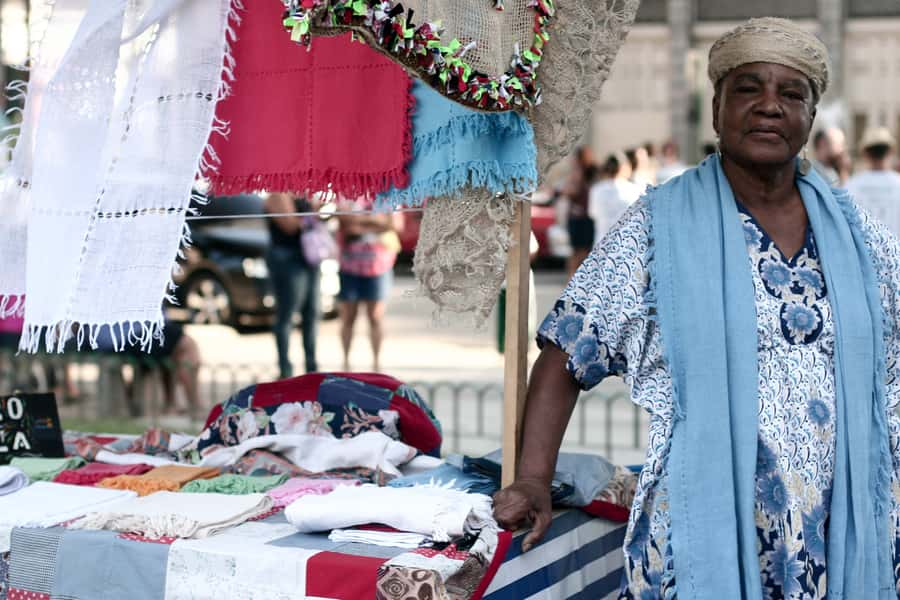
- UNESCO at Valongo Warf: the transatlantic slave trade site you can’t understand from photos alone
- “Little Africa” around Pedra do Sal: the heart of samba origins and the weekly rodas de sambas tradition
- São Francisco da Prainha and Praça Mauá: downtown stops that connect geography to memory
- Candomblé and Umbanda origins: how African religions formed and adapted through syncretism
- Orishas, nkisis, voduns, and nature gods/goddesses: spiritual names and ideas you’ll hear explained clearly
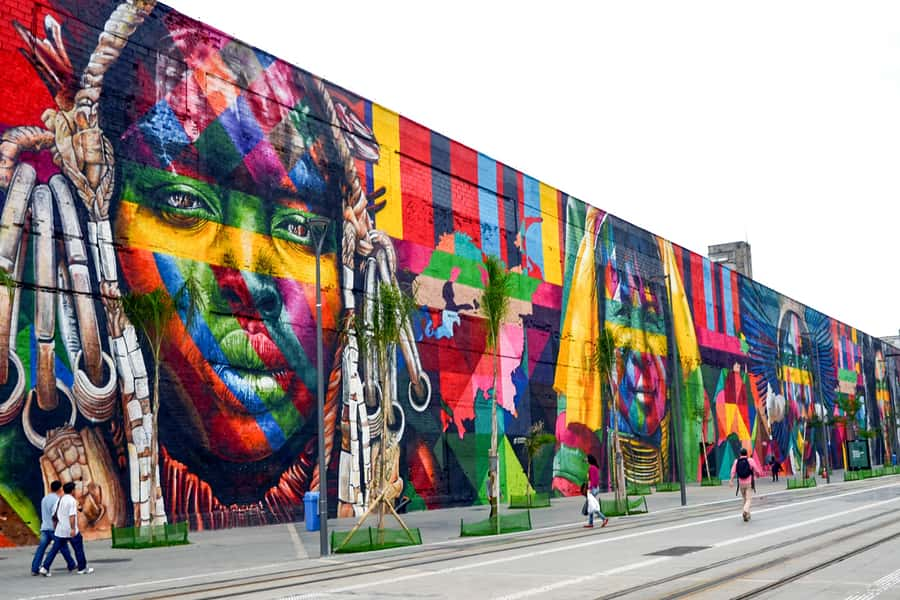
- Real streets, real murals: the route may include the Etnias mural by Estúdio Kobra
What this Rio heritage walk is really about
This isn’t a generic “Black history highlights” tour with a few neat photo stops. It’s a guided walk through places where Rio’s Afro-Brazilian life is tied to the city’s oldest wounds. You’ll move through downtown and port-adjacent streets, learning how enslaved Africans were brought into Brazil, how the Portuguese shaped that system for centuries, and how descendants built cultural power anyway.
The emotional range is wide: you’ll hear about forced trafficking, auctions, and family separation. Then the tone shifts toward music, faith, community, and continuity—samba in the open air, and Afro-Brazilian religions with their own languages of spirits and nature.
The guide plays a big role. In this kind of subject, you don’t want someone reading a script. The tour runs with a live guide in English, Spanish, or Portuguese, and you’ll hear explanations from African descent guides based in Rio—names you may encounter include Kelly and Jaisé, both praised for detailed historical knowledge and careful storytelling.
You can also read our reviews of more tours and experiences in Rio De Janeiro.


Where you start: Praça Mauá vs. Saúde
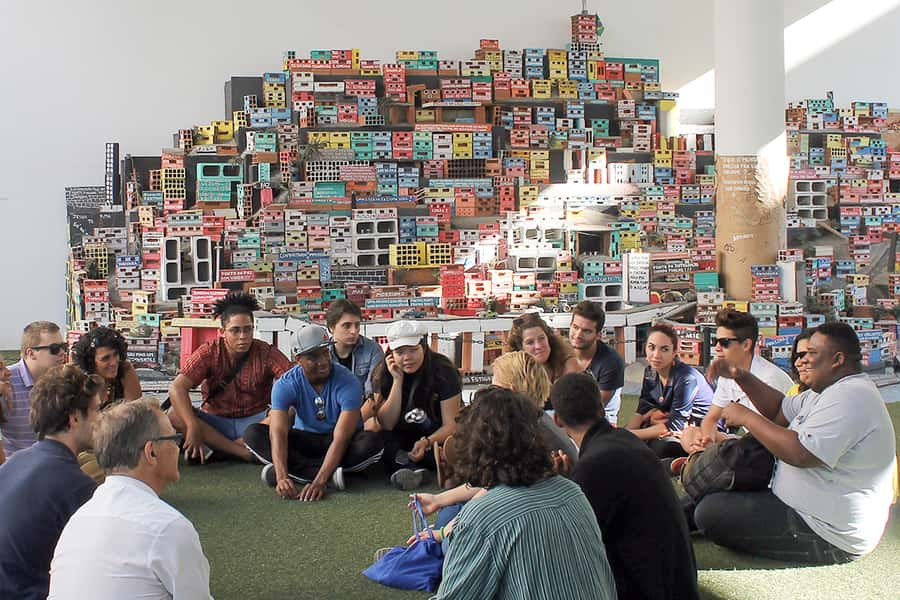
Meeting point is under the trees in front of the MAR Museum (Rio Art Museum) at Praça Mauá. That’s a smart place to begin because it puts you close to the port zone and the UNESCO memory site route.
Depending on the start option that day, you might begin at Museu de Arte do on R. Pedro Ernesto, 32 in the Saúde area. If that’s your group setup, there’s a short 15-minute walk early on to connect you with the downtown story line.
Either way, you’ll be moving as a group, and the early minutes matter: you’re not just getting from A to B. You’re being oriented—what to look for, what to listen for, and why the route is built the way it is.
The story begins in the port zone: Saúde and downtown Rio
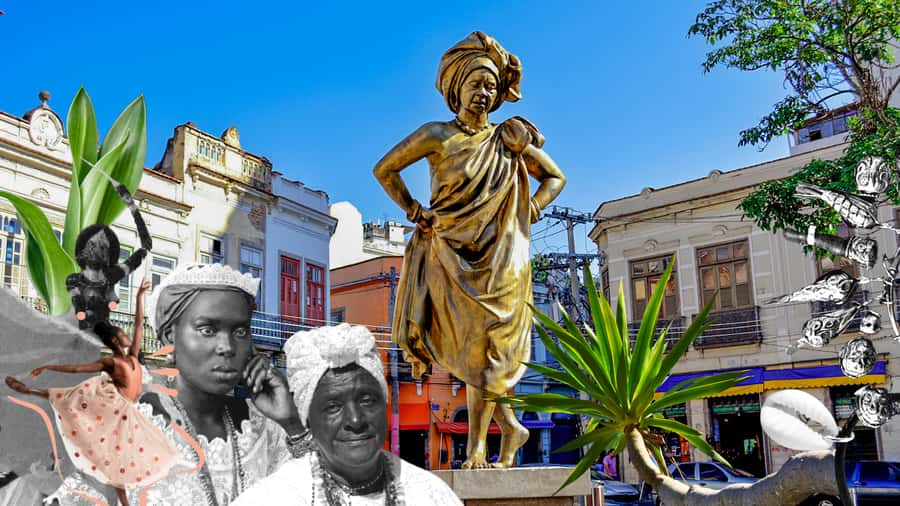
After the initial meeting and orientation, the tour carries you into Rio’s downtown context. You’ll hear how the slave system created a pipeline of people into the city and how African descendants formed communities that still shape Rio today.
Two downtown areas come up in the tour route: Largo São Francisco da Prainha and Praça Mauá. These stops help you understand why the city’s geography matters. In Rio, memory isn’t just in books; it’s in streets, waterfront adjacency, and the neighborhoods that grew up around arrival and exchange.
This part of the walk is where the tour’s tone firms up: you’ll learn what happened when millions of Africans arrived to be sold, and why the biggest slave market of the Atlantic matters as a historical reference point. If you only know Brazil through Carnival posters and beach scenes, this section recalibrates your understanding fast—in a good, grounded way.
UNESCO and the Valongo Warf: what you’re seeing and why it counts
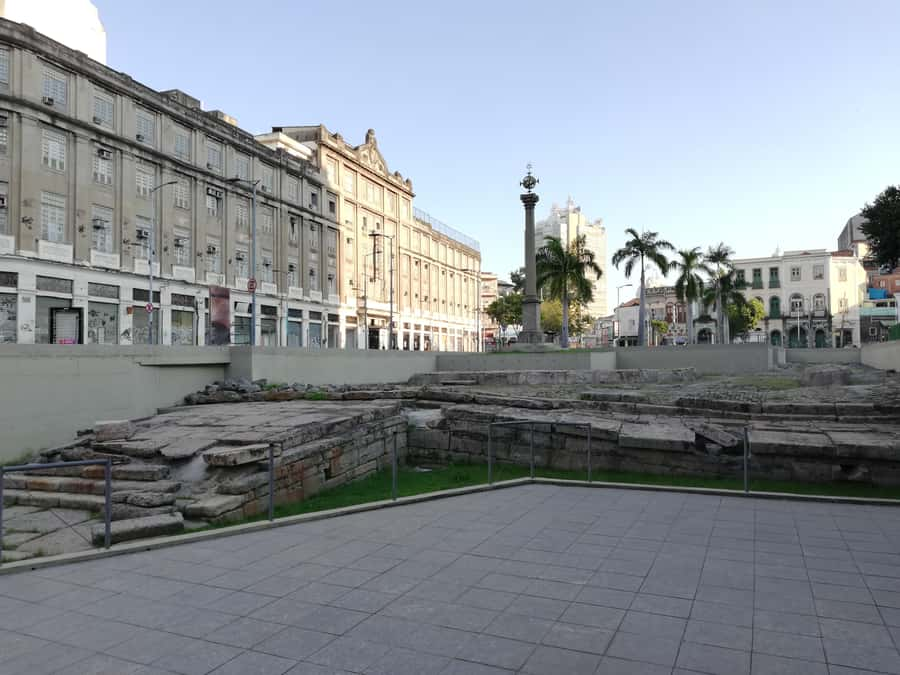
The centerpiece is the Cais do Valongo / Valongo Warf, designated as a UNESCO World Heritage Site tied to the transatlantic slave trade.
Here’s the practical value of visiting this site with a guide: it’s easy to walk past a place like this and treat it as a monument. With interpretation, you learn what the space represents—how arrival translated into sale, and how that system affected generations.
This is also one of the tour’s most praised parts. The route is designed so you can place the big historical story into specific ground you can stand on. The guide’s job is to connect facts to human lives, including what Africans experienced after arrival and the cultural legacies they left behind.
If you’re the type who likes your history tied to real streets, you’ll appreciate how the tour uses Valongo Warf as an anchor point. If you’re not into heavy topics, you might want to know this up front: the tour doesn’t soften the subject.
“Little Africa” around Pedra do Sal: samba origins in everyday space
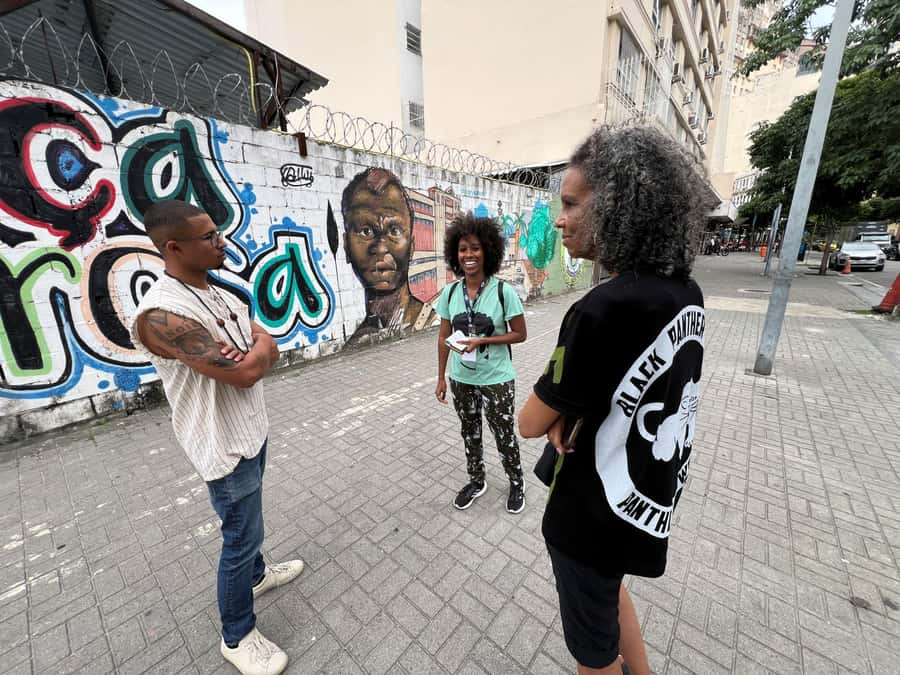
Then you shift into a more musical, community-focused chapter at Pedra do Sal—the area often described as the center of “Little Africa.”
This is where the tour makes a key connection: samba wasn’t invented in a vacuum. At Pedra do Sal, musicians and community members gathered to sing and dance, and the tradition links back to early Carnival bloco parties and parades. The area remains active, with roda de sambas happening weekly.
What I like about this stop is that it helps you hear samba as culture, not just genre. Samba is rhythm, sure. But it’s also social memory—people building together after displacement and oppression.
The tour also notes that you’ll see the birthplace-type role Pedra do Sal plays for samba musicians, and you can pair what you learn here with a real-world music plan later that day.

Food note
The walking plan includes regional food around Pedra do Sal, but the tour price doesn’t list food as included. So think of this as an opportunity to grab a snack or local bite on your own after you learn the context—ask the guide for local programming tips on music and restaurants too.
Largo São Francisco da Prainha: history in the streets
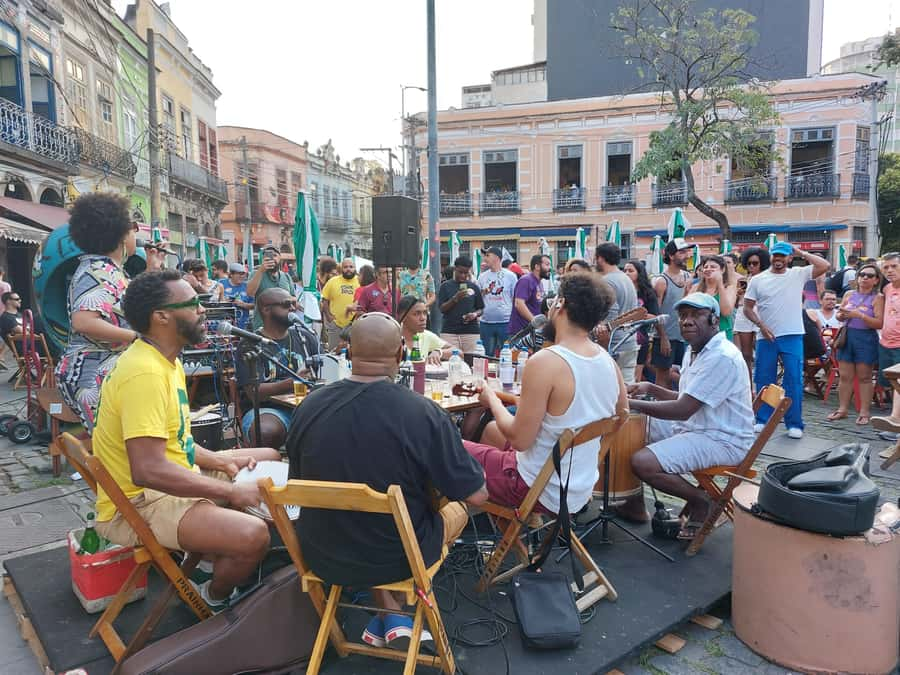
Another significant stop is Largo São Francisco da Prainha, a downtown location that helps connect the port story to broader Afro-Brazilian life in Rio’s core.
Why this matters: the tour doesn’t only point at the biggest slave-trade landmark. It also shows you the surrounding network of sites tied to African descendants and community presence in the city.
If you’ve ever wondered why some neighborhoods have a strong cultural identity even centuries later, this is the tour section where you can start forming that answer. You’re looking at the city as a map of outcomes, not just attractions.
Afrobrazilian religions: candomblé, umbanda, and syncretism
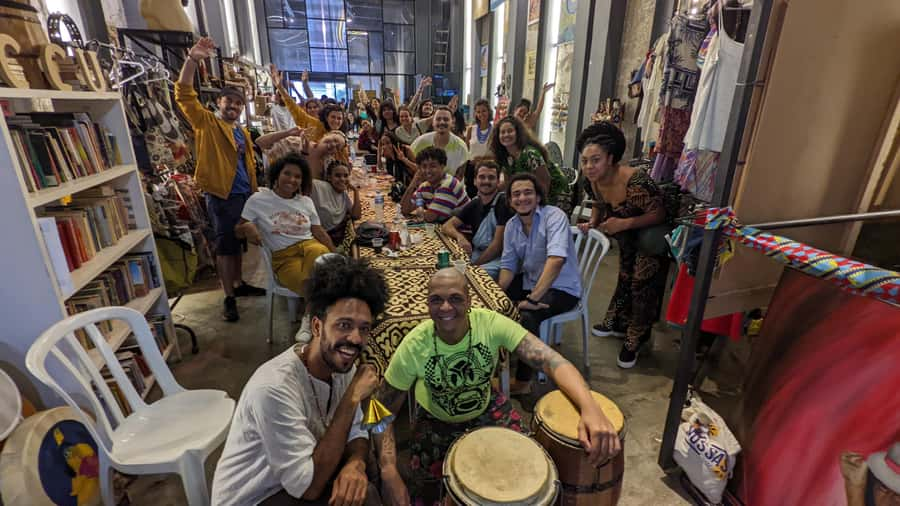
One of the most valuable parts of the walk is the spiritual education, explained in clear, grounded language rather than vague mysticism.
You’ll learn about the origins of candomblé and umbanda, and how these traditions connect to African religious systems through sincretism with Christian religions. The guide also covers the legacy of Orishas (deities) and other spiritual frameworks referenced as nkisis and voduns.
The tour also brings in Brazilian ancestral gods and goddesses of nature. That’s not just trivia. It helps you understand how Afro-Brazilian religion often links spirituality to the natural world—winds, waters, land, and seasons—because so much of life historically depended on nature.
If you’ve seen religious iconography in Brazil but never understood the logic behind it, this tour gives you a starting map. You won’t leave with every answer, but you’ll leave with better questions—and that’s what good cultural context does.
The Etnias mural and Estúdio Kobra: art as memory
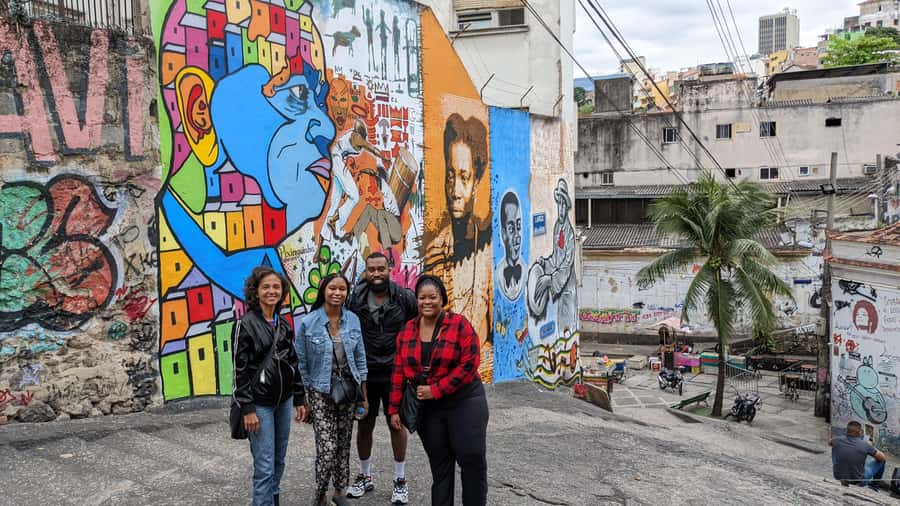
On the walk route, you may end near the Etnias mural linked to Estúdio Kobra.
It’s an easy stop to gloss over if you’re rushing. But with the tour’s focus, it can read differently—art in public space acting like a visual bridge between identity, history, and modern expression.
The mural isn’t a substitute for historical sites like Valongo Warf. It’s different. Still, it helps you see how remembrance and identity show up on today’s Rio streets, not only in archives.
What the tour includes (and what you should plan for)
Included:
- A guided walking tour with interpretation on Afro-Brazilian culture and history
- Visits tied to the Valongo Warf UNESCO site
- Samba origins and how they connect to community gathering points like Pedra do Sal
- Discussion of Orishas and other spiritual systems including nkisis and voduns
- Local programming tips for music, art, museums, restaurants, and the local scene
Not included:
- Museum entrance tickets (the Museum of Tomorrow and Rio Art Museum are listed as not included)
- Food
- Transfers
Practical tip: since you’re walking downtown and port-adjacent streets, plan for steady time on your feet. Bring comfort first. Your best photos will come when you’re not distracted by sore legs.
Price and value: $64 for 150 minutes that actually teaches
At $64 per person for about 150 minutes, this is priced like an education-forward guided experience, not a quick sightseeing add-on.
You’re paying for:
- A route that includes a UNESCO World Heritage site memory location
- The guide’s specialized explanations of Afro-Brazilian religion and cultural origins
- Context that helps you connect samba, community gathering, and spiritual systems to specific Rio sites
If your goal is just a few landmarks and you don’t care about meaning, you’d probably do better with a cheaper self-guided route. But if you want Rio with context—especially around African descendant heritage—this feels like fair value. The guide time and interpretation are the product here.
The guide quality that makes the difference
The tour lives or dies by the guide. In the experience of this provider’s past participants, guides like Kelly and Jaisé get praised for detailed historical knowledge and thoughtful pacing, plus the way they answer questions in a human way.
That matters because Afro-Brazilian heritage in Rio isn’t only about dates. It’s about language, belief systems, community structures, and the way culture carries memory forward. A guide who’s able to explain those pieces clearly is what turns a walking route into real understanding.
What to bring and how to prepare
This is rain or shine, so pack smart. The tour asks you to bring:
- A reusable water bottle
- Comfortable clothes for walking
- A hat
- Rain gear
Also, keep the basics ready: comfortable shoes help more than anything else. And mentally, decide how you want to hold the heavy parts of the story—because the tour does address slavery and trafficking directly.
Who this tour is best for (and who may want to skip)
Best fit:
- You want Rio beyond beaches and skyline photos
- You’re curious about how samba and Afro-Brazilian religions developed in Brazil
- You like guided history tied to physical locations
- You want practical recommendations for music and local culture after the walk
You might reconsider if:
- You prefer strictly “lighter” sightseeing
- You don’t want to spend time walking and discussing slavery and forced trafficking
- You’re hoping for a hands-off, minimal explanation style tour
Should you book this Rio Encantos heritage walk?
Book this tour if you want your Rio experience to make sense at ground level. It’s a focused heritage walking tour built around Valongo Warf UNESCO, “Little Africa” at Pedra do Sal, and the cultural logic behind samba and Afro-Brazilian religions like candomblé and umbanda.
Skip it if your schedule only supports quick photo stops, or if heavy history will derail your day. In that case, you can still see Rio—but you’ll lose the chance to understand why the music and faith you’ll encounter later carry such deep roots.
FAQ
How long is the Rio de Janeiro Afrobrazilian Heritage & Black History Walk?
It lasts about 150 minutes (around 2.5 hours).
Where do I meet the guide?
Meet under the trees in front of the MAR Museum (Rio Art Museum), Praça Mauá.
Are there other starting locations besides Praça Mauá?
Yes. There are two starting options: Museu de Arte do (R. Pedro Ernesto, 32) and a Saúde start that includes a 15-minute walk.
What languages is the tour offered in?
The guide speaks English, Spanish, and Portuguese.
Is the tour wheelchair accessible?
Yes, it’s listed as wheelchair accessible.
Is food included in the price?
No. Food isn’t included, even though there’s a stop in the Pedra do Sal area where regional food is part of the plan.
Does the tour run in bad weather?
Yes. It runs rain or shine.
What should I bring?
Bring a reusable water bottle, comfortable clothes, a hat, and rain gear.
Are pets allowed?
Pets are not allowed. Assistance dogs are allowed.
Can I cancel for a full refund?
You can cancel up to 24 hours in advance for a full refund.