REVIEW · CLARENCE
Blue Mountains: Zig Zag Railway Heritage Train Ride
Book on GetYourGuide →Operated by ZIG ZAG RAILWAY · Bookable on GetYourGuide
Heritage trains move fast on Blue Mountain time. On the Zig Zag Railway, you get the satisfying sight-and-sound of a real heritage locomotive working through the Mountains, plus big scenic views from the stations and along the line. It’s a short trip that still feels like something you can talk about later, especially if you like trains, engineering, or just a good photo moment.
I also like the way the ride is built around choice: you can pick from multiple route options that match your schedule. One drawback to plan around is access: wheelchair access is limited, with stairs-only access at Zig Zag station on some routes.
In This Review
- Key highlights worth aiming for
- Why the Zig Zag Railway ride feels special in the Blue Mountains
- Route choices and timing: how to pick the right 45–90 minutes
- Clarence: the moment the heritage line comes into view
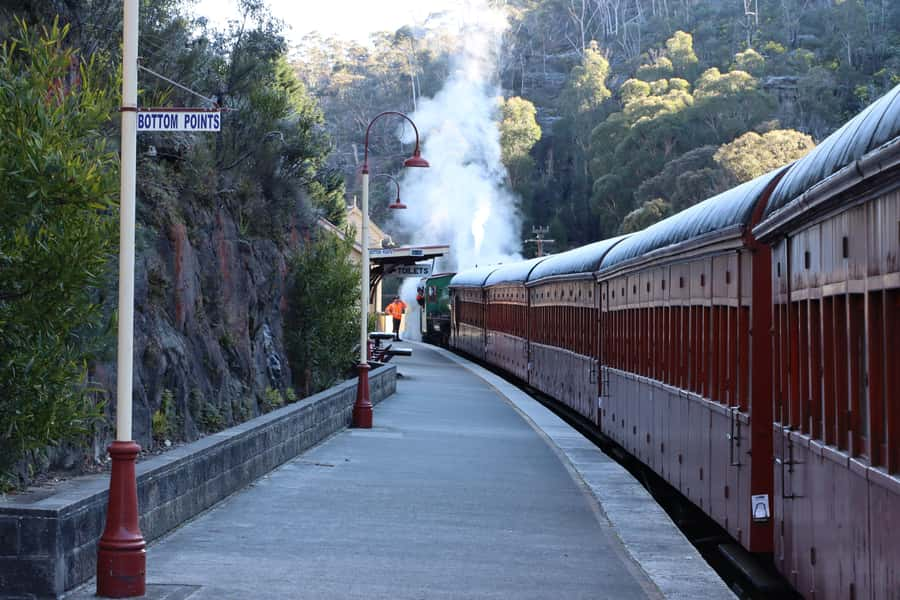
- Bottom Points and Top Points: where the run-around steals the show
- Station facilities: café, souvenir shop, and time to stretch
- Views you can actually use for photos (not just vague scenery)
- The engineering and history angle that makes the ride stick
- Price and value: is $26 per person worth it?
- Who this ride suits best (and who should think twice)
- Practical notes that make your day smoother
- Should you book the Blue Mountains Zig Zag Railway Heritage Train Ride?
- FAQ
- How long is the Zig Zag Railway heritage train ride?
- How much does it cost?
- What route options are available?
- Will I see the locomotive reposition at the stations?
- Are there toilets on the train?
- Is wheelchair access available?
- Are pets allowed?
- Is smoking allowed?
- What facilities are available during the visit?
Key highlights worth aiming for
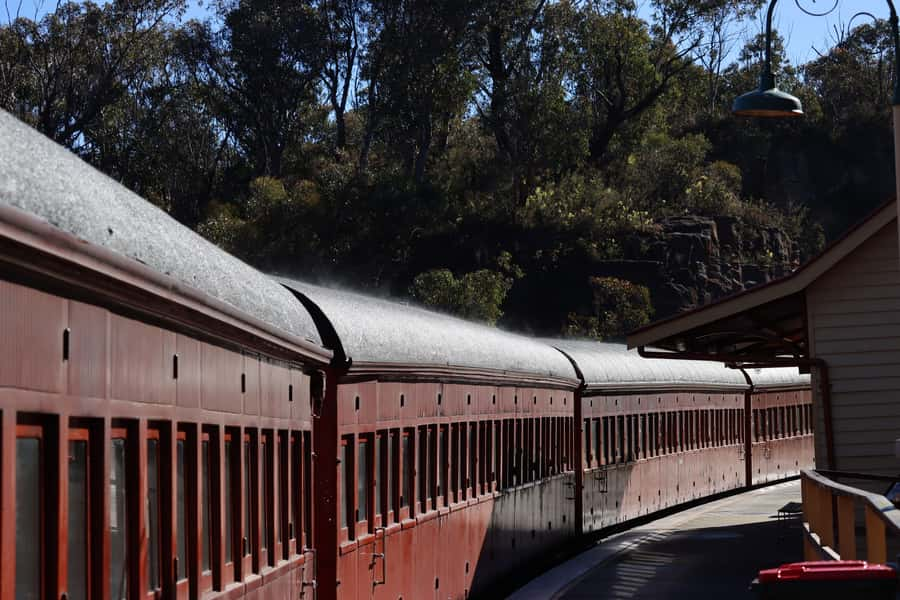
- Run-around action you can see as the locomotive repositions at the terminus
- Sandstone cliffs, forests, and valleys on the way through the Blue Mountains
- Flexible route lengths (45–90 minutes) depending on what you book
- Station facilities on your visit, including a café and a souvenir shop
- Walkable viewing areas at stations for photos and quick scenic breaks
Why the Zig Zag Railway ride feels special in the Blue Mountains
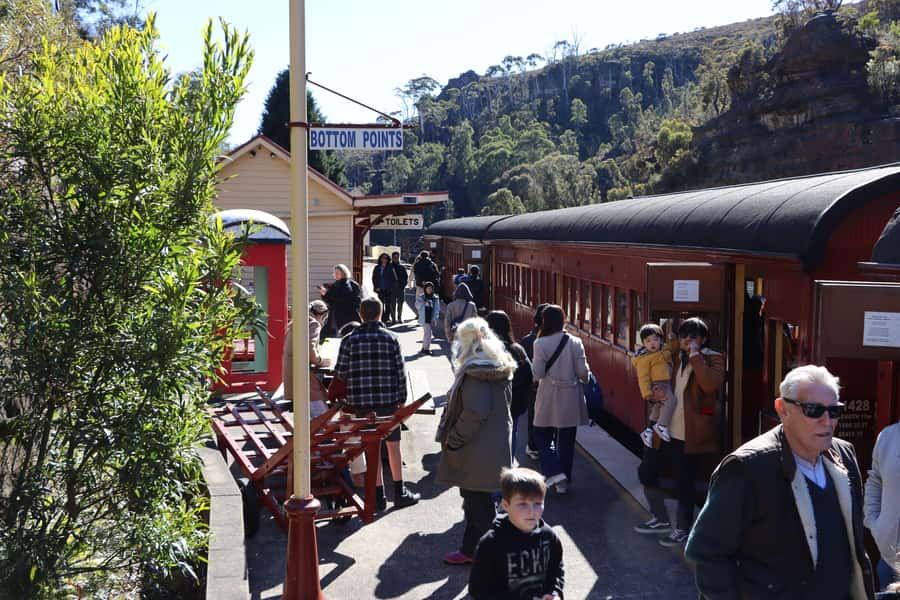
There’s scenic rail, and then there’s working-rail. The Zig Zag Railway sits in that second category. When a heritage locomotive pulls in and then has to reposition, you get a front-row view of the method—slower, deliberate, and built for the climb. You’re not just watching a train roll by. You’re watching a system do its job.
For me, the best part is the blend of old-school mechanics and real-world scenery. You travel past sandstone cliffs, lush forests, and sweeping valleys, and you also get repeated chances to look around at stations. That matters because the Blue Mountains are all about viewpoints, and this ride gives you time on the ground at each terminus.
The trip is also short enough that it fits easily into a day out. At around 45 to 90 minutes, you can add it without turning your schedule into a spreadsheet. It’s a great way to get a “Blue Mountains day” credit when you don’t want a full-day commitment.
Route choices and timing: how to pick the right 45–90 minutes
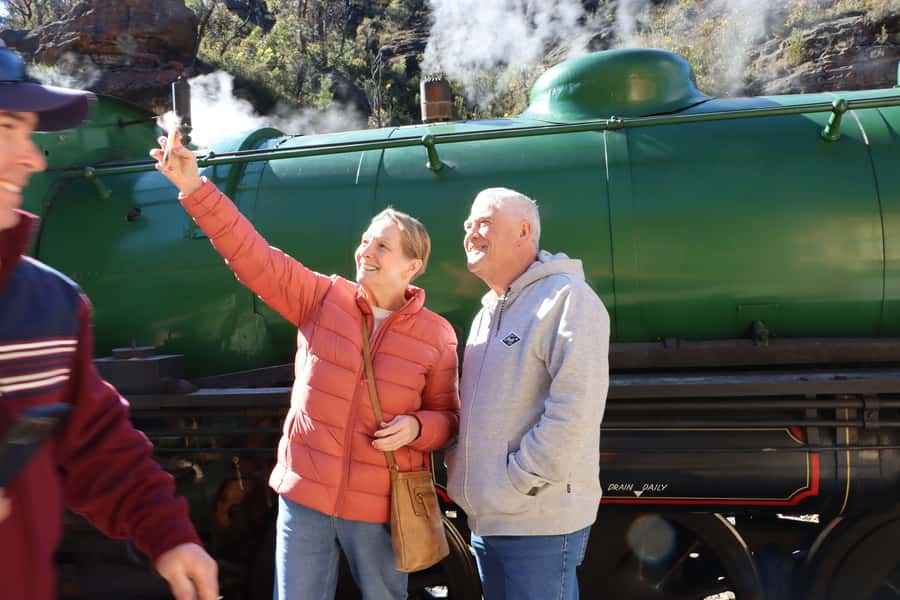
One thing you’ll notice fast: the Zig Zag Railway offers multiple route options. That sounds vague until you realize what it really means for you. You can choose a ride that matches your time, and you’ll still get the signature feature—locomotive run-arounds at terminus points you visit.
A classic option runs as a round trip from Clarence to Bottom Points and back, with a stop at Top Points so you can see the locomotive run-around. If you’re trying to hit the “greatest hits” pattern—travel, see the engine work, then see it work again—this type of route is a strong bet.
If you’re tight on time, focus on the total duration (45–90 minutes) rather than trying to guess which scenic segments will look best. Most of what you’ll remember is the repeat viewing: train movement, engine repositioning, and station time for photos, café stops, and exploring the surroundings.
Two practical tips:
- Check starting times for the day you plan to go, since some services or routes may not run due to track works or maintenance.
- Plan to arrive a bit early so you can settle in at the right station area before boarding.
Clarence: the moment the heritage line comes into view
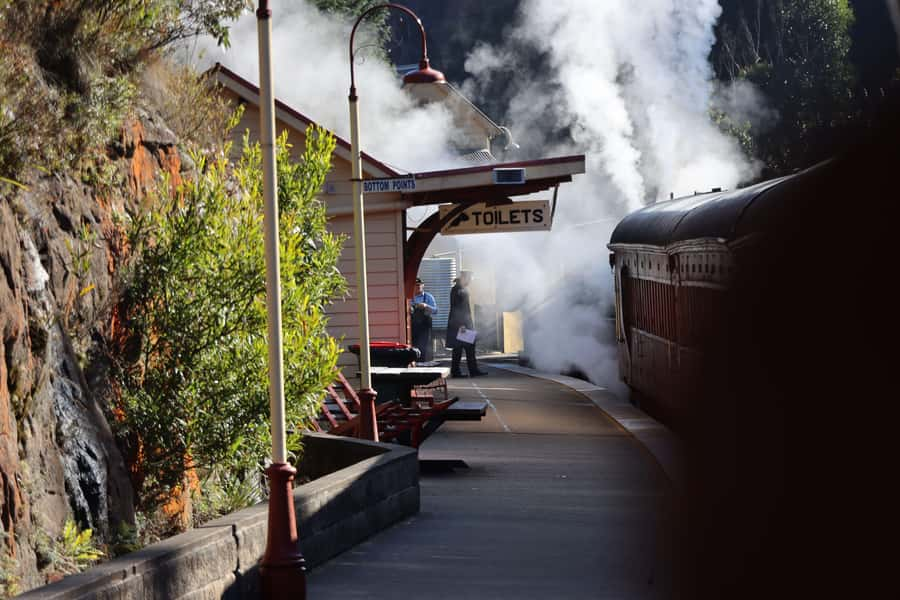
Most of the magic starts before the train even leaves. At the station, you can feel the vibe: this isn’t just a ride; it’s a restored heritage operation kept going by volunteers and volunteers’ enthusiasm. That shows in how the train experience is presented—expect history and engineering insights, not just “sit and look out the window.”
When you board, you’re heading into the heart of what makes this line special: a climb route where the locomotive has to be repositioned. That’s why the run-around moments matter so much. You’ll see the engine’s job isn’t effortless or hidden. It’s visible and explained through the way the service is run.
Clarence is also a good place to set yourself up for photos. You’ll want to watch for the moment the train is about to move and also look for station viewing spots nearby. The experience is designed for short, repeat photo windows, not one long viewing stretch.
A small but important note: toilets are available at all stations, but not on board the train. So if you’re sensitive about timing, handle bathroom stops at the stations you’re actually standing in.
Bottom Points and Top Points: where the run-around steals the show
If you go just for the locomotive action, you’re going to have a great time at the terminus stops. The Zig Zag Railway includes locomotive run-arounds at each terminus, and you get time to watch the repositioning in action.
Here’s what makes Bottom Points and Top Points special in practice:
- You’re not only traveling through scenery—you’re getting a break where the train is working, not just moving.
- You can take photos without racing the timetable inside the carriage.
- You can step out and look around the station area, then return to catch the next movement.
On the round trip pattern, the service typically goes Clarence → Bottom Points → back, with a stop at Top Points for the locomotive run-around. That stop at Top Points is often where people enjoy the swap from “watching the ride” to “watching the process.”
A helpful way to think about it: this ride is structured so you see the engine do its work more than once. That repeats the same thrill, and it also makes it easier to understand the engineering behind why the line needs this kind of repositioning.
One consideration: the run-around is a visible moment, but it can also be brief. Show up to the viewing area a little earlier than you think, and don’t stay glued to the carriage window if you want the best view.
Station facilities: café, souvenir shop, and time to stretch
This is a train ride, but the stations are part of the experience. During your visit, you’ll have access to station facilities, including a café and a souvenir shop. That’s useful because it turns the ride into a relaxed outing instead of a purely transport-only segment.
When you’re on the ground, you also get the chance to do quick exploring around the station—look for walkable viewing areas where you can get better angles for photos and take in the surrounding scenery. Those viewing breaks help the whole trip feel less like “watch from a seat,” more like “experience the Blue Mountains with a train theme.”
And yes, it’s worth planning around the bathroom situation. Toilets are at stations, but there aren’t toilets on board the train. That means if nature calls mid-ride, you’ll need to wait for the next station stop.
Views you can actually use for photos (not just vague scenery)
The Blue Mountains are known for dramatic lookouts, but the value here is that you’re not relying on one distant viewpoint. The ride offers views of sandstone cliffs, lush forests, and sweeping valleys as you travel, and you also get station time to look around and take photos when you’re not moving.
For photographers and plain old picture-takers, here’s a simple strategy:
- Spend your first minute at each station identifying where you can stand for the best angle.
- Use the run-around moment for your “train engine” shots, then shift to scenery shots during the brief downtime.
Lighting can vary across the Mountains, so try not to wait until the last second. If you want that train-versus-valley look, station time is your friend.
Also, bring realistic expectations: this isn’t a full marathon of viewpoints. It’s a short heritage ride with repeated viewing moments. That’s why it works for families, older visitors, and train fans who want a satisfying experience without a huge time commitment.
The engineering and history angle that makes the ride stick
The Zig Zag Railway is more than a nostalgic ride. The historic line was originally built in the 1860s and is now restored and maintained by volunteers. That matters because you can see the engineering decisions in the way the service is run today.
Even if you’re not a rail nerd, the ride teaches you through observation. When the locomotive has to reposition at a terminus, you’re watching an old solution to a real challenge. You’re also getting “history and engineering insights,” which helps you connect what you’re seeing to why it exists.
This is one of those rare tours where the spectacle is also educational, and the education comes from your senses first: sightlines, movement, and the mechanics of the run-around. It’s not just a lecture before you board.
Price and value: is $26 per person worth it?
At around $26 per person for a 45–90 minute heritage train experience, the value is mainly in what you get repeatedly: the heritage locomotive experience, the run-around moments, and access to station facilities (café and souvenir shop), plus photo opportunities.
If you compare it to paid attractions that are mostly passive, this feels like better value because you do more than watch. You witness a working heritage operation, you step out at stations, and you get multiple chances to capture the action.
Also, your money supports the restored line and the volunteer operation that keeps it running. That’s hard to quantify in dollars, but it’s a real part of why people keep returning to Zig Zag Railway.
One more reason it’s good value: it’s short. If you’re visiting the Blue Mountains and want one well-targeted activity that won’t eat your entire day, this price-to-time ratio is pretty fair.
Who this ride suits best (and who should think twice)
This is a strong fit if you:
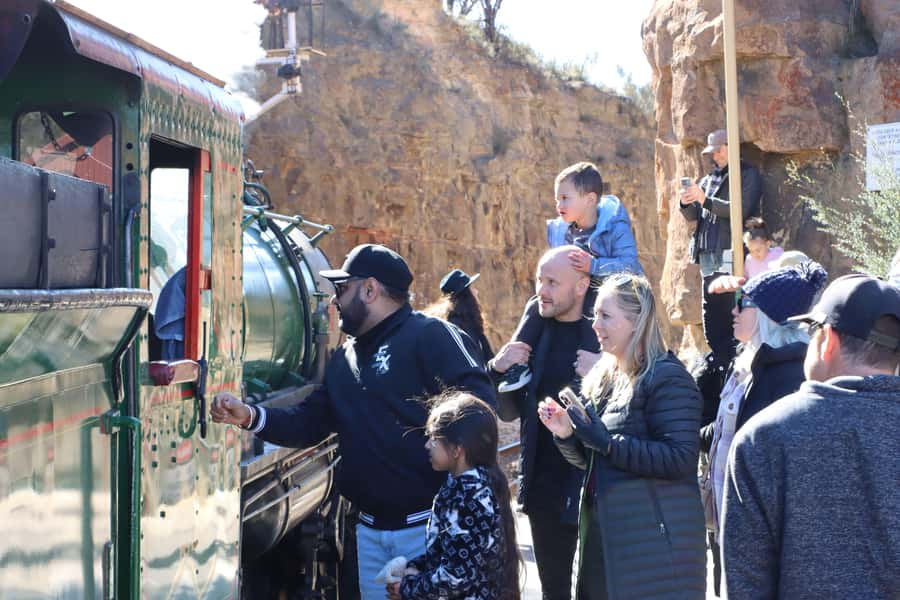
- Love heritage trains and want to see the locomotive work up close
- Want Blue Mountains scenery without committing to a long hike day
- Prefer structured fun with clear moments to watch and photograph
- Are traveling with people who appreciate short outings that still feel complete
It’s also a good match for train enthusiasts of all ages. The high rating (4.6 average from available reviews) lines up with what the experience is designed to deliver: professional, friendly operation and lots of visible train action.
If you’re a wheelchair user, keep in mind the limited wheelchair access and that some routes have stairs-only access at Zig Zag station. That pushes it into the “plan carefully” category.
Practical notes that make your day smoother
A few details can prevent headaches:
- Toilets: available at all stations, not on board the train.
- No pets and no smoking.
- Routes can be affected by track works or maintenance on certain days, so check the day you’re traveling.
- The host or greeter is English, so you should feel comfortable even if you’re not rail-expert level.
If you’re bringing someone older, this kind of ride often works because it’s time-efficient and doesn’t require long, uphill walking. Just remember you may still do some station walking and viewing area movement.
Should you book the Blue Mountains Zig Zag Railway Heritage Train Ride?
I’d book it if you want one high-satisfaction experience that mixes train mechanics with Blue Mountains scenery in a compact time window. The standout reason is the locomotive run-around you can actually watch, not just hear about. Add in station time for café breaks, souvenirs, and photo stops, and the trip becomes more than a ticket—it becomes a small day out.
I’d hesitate if mobility access is a key concern for your group. The limited wheelchair access and stairs-only access on some routes at Zig Zag station can make the experience harder than it should be.
If you’re the type who likes seeing how things work, this ride pays off quickly. You’ll walk away with pictures, stories, and a clearer sense of why this heritage line still earns its place in the Blue Mountains.
FAQ
How long is the Zig Zag Railway heritage train ride?
The ride duration is typically between 45 and 90 minutes, depending on the route option and starting time.
How much does it cost?
The price is listed as $26 per person.
What route options are available?
There are multiple route options. One described option is a round trip from Clarence to Bottom Points and back, with a stop at Top Points for a locomotive run-around.
Will I see the locomotive reposition at the stations?
Yes. The experience includes locomotive run-arounds at each terminus you visit.
Are there toilets on the train?
No. Toilets are available at all stations, but there are none on board the train.
Is wheelchair access available?
Wheelchair access is limited, and there can be stairs-only access at Zig Zag station on some routes. It is noted as not suitable for wheelchair users.
Are pets allowed?
No, pets are not allowed.
Is smoking allowed?
No, smoking is not allowed.
What facilities are available during the visit?
You have access to station facilities, including a café and a souvenir shop. You’ll also have photo opportunities and time to explore the surroundings at terminus stations.