REVIEW · JEDDAH
Historical & Heritage Tour in Jeddah Al Balad
Book on Viator →Operated by Abha Trips · Bookable on Viator
Old Jeddah can feel like a time machine. This 5-hour heritage walk through Al Balad pairs city-lane history with real market sights, from restored heritage buildings to a mosque used since around 1000 AD. It also has an easy structure: pickup, a focused route, and return travel covered by an air-conditioned vehicle.
What I like most is the small-group pace (max 14), which makes it easier to slow down in the alleys and ask questions. I also love the way the stops mix major landmarks with practical everyday life, like the Qabel Trail specialized market for perfumes, spices, dates, honey, and household goods.
One thing to consider: the tour is built around walking through old lanes and narrow areas, so comfortable shoes matter, and you may want to plan for a more active afternoon/evening rather than a sit-down sightseeing loop.
In This Review
- Key highlights worth knowing
- Why Al Balad’s lanes feel special in Jeddah
- Price and value: what $109 gets you (and what it does not)
- Getting there smoothly: pickup, meeting point, and timing window
- Stop 1: Al-Balad in 1 hour—what you’re really doing on this opening stretch
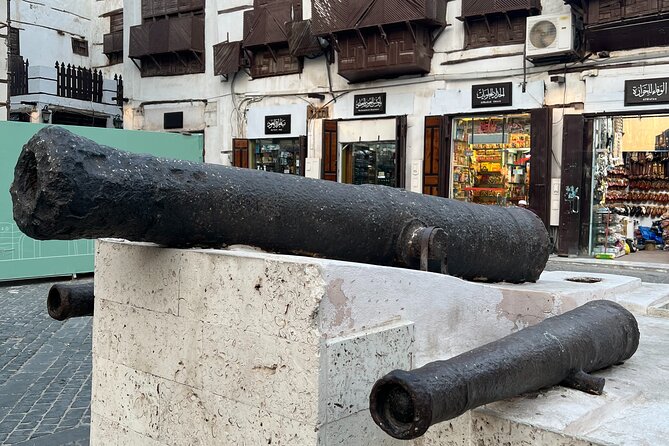
- Stop 2: Nassif House Museum—700-year flag mast plus a cannon
- Stop 3: Qabel Trail market—electronics, perfume, spices, dates, and honey
- Stop 4: Al Shafei Mosque in narrow alleys off Suq Al Alawi
- The guides make the difference: pace, questions, and local context
- What the “5 hours” really feels like on the ground
- Small-group comfort: staying together in tight old streets
- Practical tips for shopping and enjoying the market hour
- Should you book this Al Balad heritage tour?
- FAQ
- How long is the Al Balad historical and heritage tour?
- What is the price per person?
- Is pickup available, and where does the tour start?
- What’s included in the tour price?
- Are tickets included for all stops?
- Is dinner included?
- What time does the tour operate?
- What is the maximum group size?
- What is the cancellation policy?
Key highlights worth knowing
- Al Balad first, with a full hour to orient yourself in the older town fabric
- Nassif House Museum stop includes major artifacts like a 700-year-old flag mast and a 15th-century cannon
- Qabel Trail market gives you a shop-and-smell snapshot of what people actually buy
- Al Shafei Mosque sits in narrow alleys off Suq Al Alawi, with a site used as a mosque since c. 1000 AD
- Guides can shape the route to your pace, with examples like Abdullah, Adil, Ferial, and Saliman
Why Al Balad’s lanes feel special in Jeddah
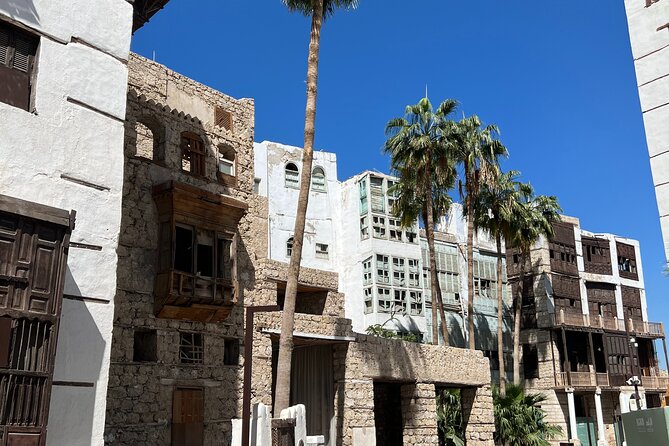
Al Balad is not just a pretty old-town photo stop. This coastal part of Jeddah became the core of the city before it was known as the royal seaport for Makkah in 657 AD. The name Balad even translates to The Town, which is a hint at what you’re really seeing: a lived-in town layout, not a theme park.
The route is designed so you start by getting your bearings. You’ll walk among older structures and learn what to look for as you move—things like how buildings cluster, how streets funnel you into small alley pockets, and why certain areas became central for daily life and trade.
And yes, the energy of the bazaar side is part of the point. This is where you can connect the buildings you’re studying to the smells and goods you see moving through the market lanes.
Price and value: what $109 gets you (and what it does not)
At $109 per person for about 5 hours, you’re paying for more than just walking. You get an air-conditioned vehicle for pickup and return, plus a route that strings together heritage sites and market areas without wasting your time hunting for locations.
A helpful value detail: not every stop charges you extra. Al-Balad has an admission ticket included, while the Nassif House Museum, Qabel Trail, and Al Shafei Mosque stops are listed as ticket free. That means your main paid portion is effectively centered on the Al Balad admission.
What’s not included is dinner and any purchases you make during shopping time. So if you want a full meal afterward, plan to eat on your own. I also suggest you budget a little for snacks or local drinks if you find something that fits your taste during the cafe and market moments.
Getting there smoothly: pickup, meeting point, and timing window
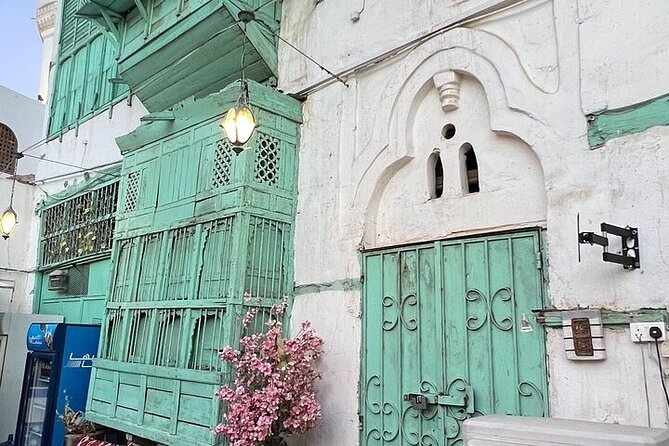
This tour works best if you match your plan to its timing. The activity’s operating window is 4:30 PM to 11:00 PM, running daily, so you’re usually sightseeing later in the day. That can be a plus: you avoid the harshest midday heat and get a more comfortable walking rhythm.
Pickup is offered from your hotel or from the cruise pier. If you’re not staying centrally, that pickup service matters because old Jeddah isn’t laid out for easy self-navigation on your first evening.
If you’re using the stated meeting point, look for Prince Majid Park (المكرونة فرعي، الربوة، Ar Rabwah, Jeddah 23446). The tour ends back at the meeting point, and the vehicle return is part of the plan.
Group size is capped at 14 travelers, so you can expect a more personal feel than large bus tours. Still, it’s a group, so you’ll want to stay close when your guide is moving you through narrow lanes.
Stop 1: Al-Balad in 1 hour—what you’re really doing on this opening stretch
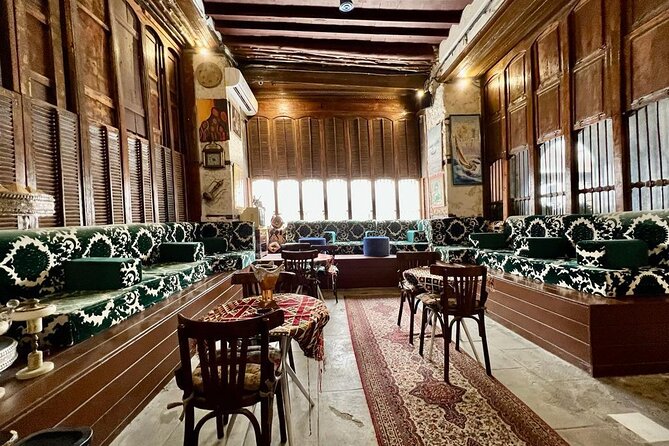
Your first hour is built around walking around Al-Balad’s unique buildings and learning the local story as you go. This is the moment when the tour gives you context so the rest of the sites make sense.
Here’s what to watch for:
- How street patterns shape movement. Narrow lanes and grouped buildings affect where people gather and how trade happened.
- What stands out structurally. Even if you’re not an architecture expert, you’ll start spotting features that make the town feel older than modern Jeddah blocks.
- The rhythm of the town. The tour isn’t just monuments; it’s daily-life space, which makes the later market stop feel connected instead of random.
The stop includes the admission ticket for Al-Balad. In practical terms, this means you’re paying once for access to the core old-town area, then layering on nearby heritage buildings and market zones that don’t require additional admission.
Stop 2: Nassif House Museum—700-year flag mast plus a cannon
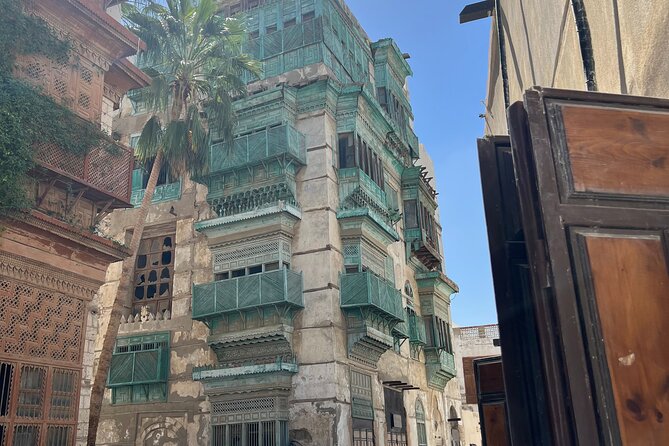
Next comes Nassif House Museum, with a full hour on site. This is a restored heritage building that also points you to what has been preserved from older Jeddah.
Two details stand out from this stop:
- a 700-year-old flag mast
- a 15th-century cannon
Both help you understand that this town wasn’t only about houses and shopping. It also had a maritime and defensive story tied to Jeddah’s role in the region.
One more useful thing: the building is described as one of several crumbling structures that the government preserved. That means you’re not walking through a fully polished museum experience. You’re seeing how heritage sometimes survives with age, repair, and partial ruins kept visible for meaning.
If you like history that has physical weight, this stop will give you that. If you want only polished interiors, it might feel rough around the edges—but in a way that actually matches the place.
Stop 3: Qabel Trail market—electronics, perfume, spices, dates, and honey
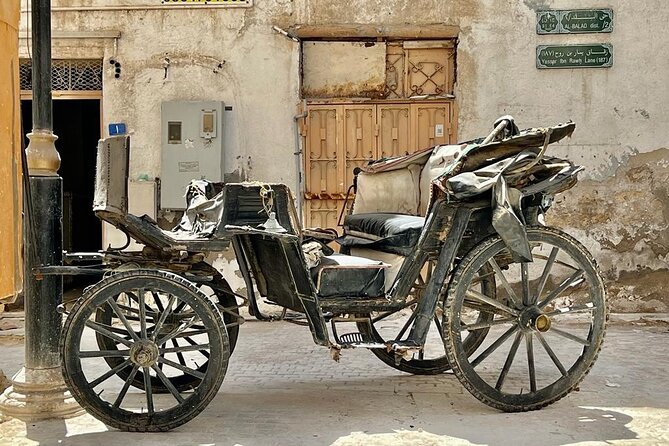
This is the practical, sensory hour. Qabel Trail is a specialized marketplace inside Balad with a mix of everyday goods and higher-touch items like fragrances and spices.
You’ll see categories such as:
- electronics
- perfumes
- spices
- dates and honey
- household items
It’s smart that the market comes after the heritage museum. After you’ve seen history in one form, the market helps you connect it to commerce and daily life. In old towns, trade routes and neighborhood buildings often grew up together. This stop makes that connection easier to feel.
Shopping time is also where you can shape the tour to your preferences. Want to slow down and look longer? You’ll usually have room to do it as long as you communicate with your guide and keep the group together.
Practical note: purchases aren’t included, so plan to handle your own spending. Also, decide ahead of time whether you’re browsing for gifts, picking up specific items, or just enjoying the atmosphere.
Stop 4: Al Shafei Mosque in narrow alleys off Suq Al Alawi
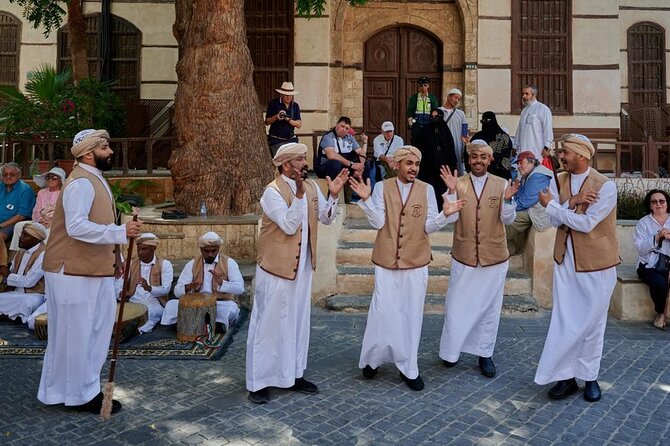
Your final heritage stop is Al Shafei Mosque. It sits in narrow alleyways in old Jeddah, off Suq Al Alawi, and it’s easy to miss if you’re walking without guidance. That’s part of why this tour works: you get routed to the places you’d likely not find on your own the first time.
The mosque looks more recent in construction, but the site has been used as a mosque since around c. 1000 AD. That kind of layering is what old towns do best: newer structures may replace older ones, but the sacred function and location remain.
This is also a good moment to slow down for respect and observation. The tone here shifts slightly from the market’s commerce vibe to a quieter, more reflective pocket of the town. Even if you’re not there for religious study, the age reference helps you see Jeddah as a place with long continuity.
The guides make the difference: pace, questions, and local context
A major reason this tour scores so high is the way guides handle the flow. I’ve seen the effect firsthand in many cities: when a guide can match your pace, you actually enjoy the walking instead of just enduring it.
Here, the pattern is consistent. Guides are described as helpful between stops, able to explain the meaning of what you’re seeing, and willing to adapt to the group. Names you might encounter include Abdullah, Adil, Ferial, and Saliman, with multiple mentions of a friendly, local-friend style approach.
One practical benefit of a good guide: they can point out details you would otherwise skip. On old-town lanes, small cues matter, like which turns are worth taking, where a building’s story connects to the bigger maritime history, and when to pause so the group doesn’t just trudge through.
Also, the small group size matters here again. With max 14 people, it’s easier for your questions to stay in the conversation instead of getting rushed.
What the “5 hours” really feels like on the ground
The itinerary is straightforward: walk heritage, see a museum stop, shop the market, end at a mosque, then return by vehicle. But the feel depends on pace.
You’ll likely spend:
- about 1 hour at Al-Balad
- about 1 hour at Nassif House Museum
- about 1 hour at Qabel Trail
- about 1 hour at Al Shafei Mosque
- plus driving time and the in-between movement time through the old lanes
So you should treat it as a late-day active outing, not a quick highlights tour. If you’re the type who likes to linger at street corners and ask questions, this format works well.
If you’re the type who hates walking and prefers constant seating, you might find the alley navigation tiring. Still, the structure is efficient, and the vehicle and route help reduce wasted steps.
Small-group comfort: staying together in tight old streets
Old Jeddah lanes aren’t made for modern roaming. Even with a guide, you’ll need to keep your bearings and stay within the group path.
A few tips that help:
- wear closed-toe, comfortable shoes
- keep your phone ready for photos, but don’t let it turn into slow drifting
- bring a light layer if you run hot while walking
- pace yourself early so you’re not rushing at the market or the mosque
Also, the tour allows service animals, and it notes that most travelers can participate. That’s a good sign for variety in visitor needs, but it still doesn’t change the fact that you’re walking in old-town streets.
Practical tips for shopping and enjoying the market hour
The Qabel Trail market sells a mix of items, so don’t treat it like one single shop street. You’ll move through different stalls and product categories, including perfumes and spices as well as electronics and household goods.
To enjoy it:
- browse first, buy second (so you don’t miss what’s available)
- ask your guide if there’s something specific you want to find, since the market is specialized
- keep an eye on your time because the tour has fixed stop lengths
If you’re hoping for a “make your own shopping plan” experience, this tour gives you that flexibility during the market hour. Just remember the goal here is cultural and heritage context, so shopping should stay part of the journey, not replace it.
Should you book this Al Balad heritage tour?
I’d book it if you want:
- a first-time introduction to old Jeddah that connects buildings to daily commerce
- a guided route that helps you find lanes and landmarks without stress
- a small-group walk with time at the market and meaningful heritage stops
I’d think twice if:
- you dislike walking through narrow alleys
- you’re looking only for modern city sights or a fully indoor museum day
- you want a dinner included package
For most people doing Jeddah with limited time, this feels like a smart use of an evening. You get the heritage basics, the market reality, and a guide-led pace that helps the town make sense instead of just looking old.
FAQ
How long is the Al Balad historical and heritage tour?
The tour runs for about 5 hours.
What is the price per person?
The price is $109.00 per person.
Is pickup available, and where does the tour start?
Pickup is offered from your hotel or the cruise pier, and the meeting point is Prince Majid Park.
What’s included in the tour price?
The tour includes an air-conditioned vehicle, and it also includes admission for Al-Balad.
Are tickets included for all stops?
Al-Balad has admission ticket included. Nassif House Museum, Qabel Trail, and Al Shafei Mosque are listed as admission ticket free.
Is dinner included?
No, dinner is not included.
What time does the tour operate?
The activity is listed as running daily from 4:30 PM to 11:00 PM.
What is the maximum group size?
The tour has a maximum of 14 travelers.
What is the cancellation policy?
You can cancel for a full refund up to 24 hours in advance. If you cancel less than 24 hours before the start time, the amount paid is not refunded.