REVIEW · BRIGHTON
Brighton: Piers & Queers LGBTQ History Tour
Book on GetYourGuide →Operated by Ric's Tours · Bookable on GetYourGuide
Brighton has secrets, and this walk shows them. This 1.5-hour Brighton LGBTQ history tour strings together over 200 years of real lives, from Regency dandies to political activism, as you move from the big seafront to the old Lanes and finish in Kemptown. I love the way the stories are anchored in specific places, not just names on a page, and I also like that you get a Blue Badge guide—so you’re not just hearing folklore, you’re getting solid context.
My favorite part is the range: Regency figures like Lord Byron and Oscar Wilde, plus Anne Lister (the subject of BBC/HBO’s Gentleman Jack), and even 1950s lesbian and gay life. You’ll also hear about pop culture connections like Dusty Springfield, then zoom out to activism and unsung heroes you might never spot on your own. One thing to consider: it’s a walking-focused tour, so wear comfortable shoes and be ready to spend your time listening, not bouncing between stops independently.
Quick hits before you walk
- Blue Badge guide: a qualified guide brings extra credibility to the stories and the routing.
- 200+ years of queer history: Regency, mid-20th century, and early 1900s activism show up in one loop.
- From seafront to Kemptown: you’ll see how Brighton’s big public face and its queer districts connect.
- Known + lesser-known figures: Anne Lister, Byron, Wilde, Dusty Springfield, plus unsung people.
- Real-life milestones: including an early same-sex marriage in 1923 and other groundbreaking stories.
In This Review
- First steps at Regency Square: get your bearings fast
- Brighton’s seafront meets Regency glamour (and the famous names you’ll link to place)
- Into the Lanes: where coded life and everyday bravery take center stage
- Anne Lister in Brighton: when history connects to TV, then back to reality
- The 1923 milestone and other boundary-breakers
- Finishing in Kemptown: turning stories into a map you can use
- Price and value: why $52 can make sense for this kind of tour
- Who this tour is perfect for (and who might want a different plan)
- Should you book the Brighton Piers & Queers LGBTQ History Tour?
- FAQ
- Where does the tour meet?
- How long is the tour?
- How many people are in the group?
- What areas of Brighton does the route cover?
- What is the tour focused on?
- Who leads the tour?
- Is the tour wheelchair accessible?
- What famous people are mentioned?
- What is the cancellation and booking flexibility like?
First steps at Regency Square: get your bearings fast
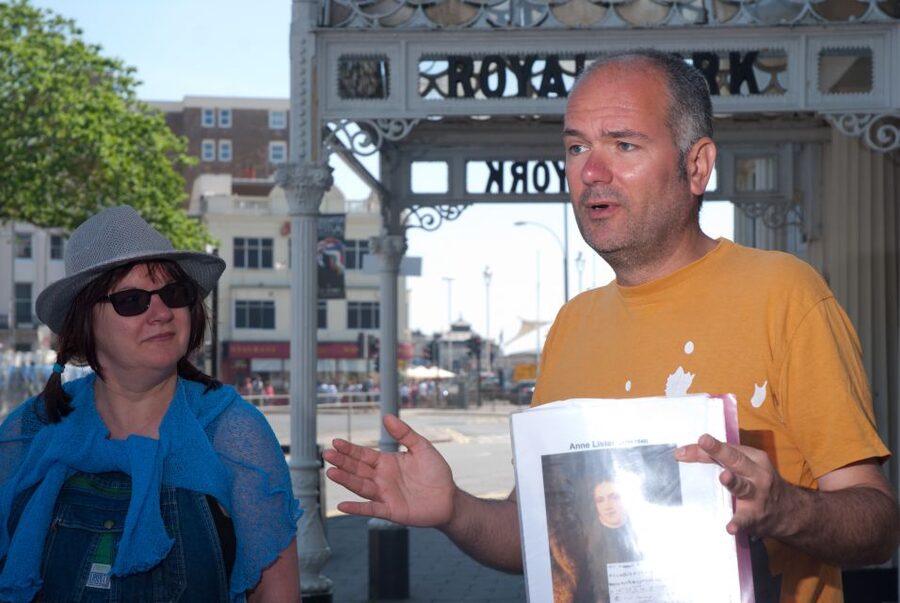
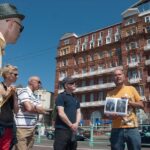
The tour starts at the statue by Regency Square, Brighton (BN1 2FZ). That’s a smart starting point. From here, you can orient quickly: you’re near the seafront grandeur, but close enough to transition into the older streets that make Brighton feel like a patchwork of eras.
In practice, the early minutes matter. A good guide doesn’t just list facts; they help you read what you’re about to see. This tour’s structure does that well, with a route that moves from wide, open views to narrower lanes and then into a district closely associated with LGBTQ community life. If you’ve never been to Brighton, this “start with the big picture, then shrink into the details” approach helps you make sense of where you are.
Also, the group size stays small—up to 12 people—which keeps the pace more conversational. You’re more likely to ask a question without feeling like you’re interrupting a train of tourists.
Brighton’s seafront meets Regency glamour (and the famous names you’ll link to place)
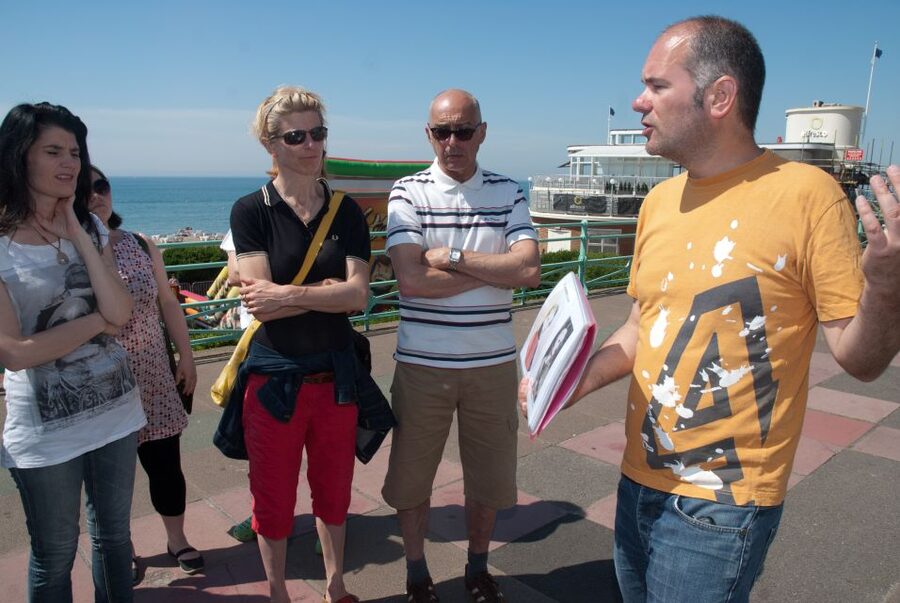
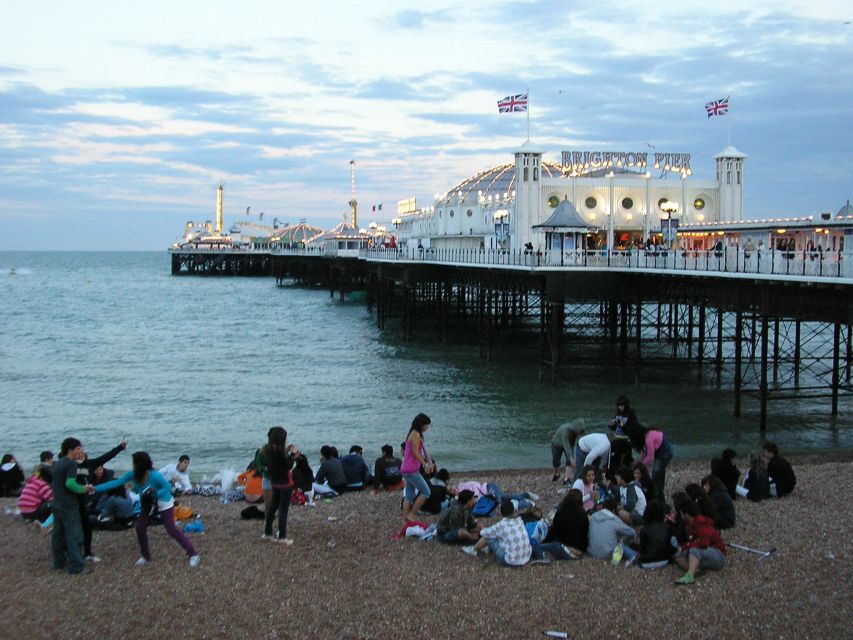
The walk begins with the seafront side of Brighton—those classic coastal views that make the city look effortlessly dramatic. Even if you’ve seen postcards, the seafront is useful on a history tour because it anchors the mood. You’re watching how public space works: who’s seen, who’s noted, and how social life played out in visible areas.
From there, the tour leans into the Regency period. You’ll hear about Regency dandies and how the social theater of the time shaped who had room to exist openly (and who didn’t). This is where the tour becomes more than trivia. It gives you a framework for thinking about how style, class, and public behavior could be both protective and risky.
Then come the big literary and cultural names—Lord Byron and Oscar Wilde—and you learn why Brighton matters to their stories. The value here isn’t that you’ll memorize every timeline detail. It’s that you’ll start to notice connections between where these figures could move, and how later LGBTQ life in Brighton developed out of earlier social patterns.
If you’re a person who likes famous names but also gets bored fast, this section helps. It doesn’t treat the celebrities as an end goal; it uses them as doorways into real people and real conditions.
You can also read our reviews of more tours and experiences in Brighton.
Into the Lanes: where coded life and everyday bravery take center stage
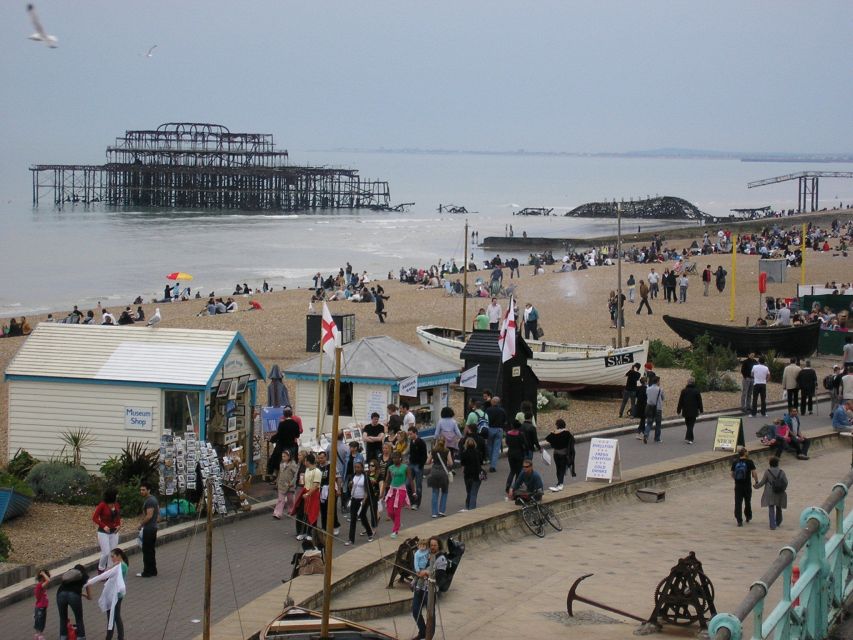
After the seafront, the route shifts into the old Lanes, where Brighton’s streets feel narrower, moodier, and a bit more mysterious. This part is important for the theme of the tour: queer history often hides in plain sight. Narrow lanes can help you imagine how people navigated the world—watching, waiting, meeting, moving on.
Here’s what I like about this transition: it’s not random. The tour uses the change in scenery to mirror changes in how people lived. Wide public spaces can be intimidating. Lanes can feel safer, more private, or simply harder for outsiders to track. Even if you don’t know the exact historical event tied to each corner, the street shape alone gives you a stronger sense of what life might have required.
During this segment, the tour brings in political activism and the mid-20th-century layer—1950s lesbian and gay life. That’s a key bridge, because it connects the earlier Regency-era social world to the later push for visibility, rights, and community. You’re not just hearing about individual lives; you’re also learning how collective action grew.
You’ll also get the kind of context that makes you rethink what you see. For example, the tour doesn’t only focus on people who became famous. It includes unsung heroes, including a pioneering doctor who lived as a man long before women were allowed to practice medicine. That story matters because it forces you to see “queer history” as more than nightlife and famous names. It’s also health, labor, survival, and choosing a life that society refused to offer.
Anne Lister in Brighton: when history connects to TV, then back to reality
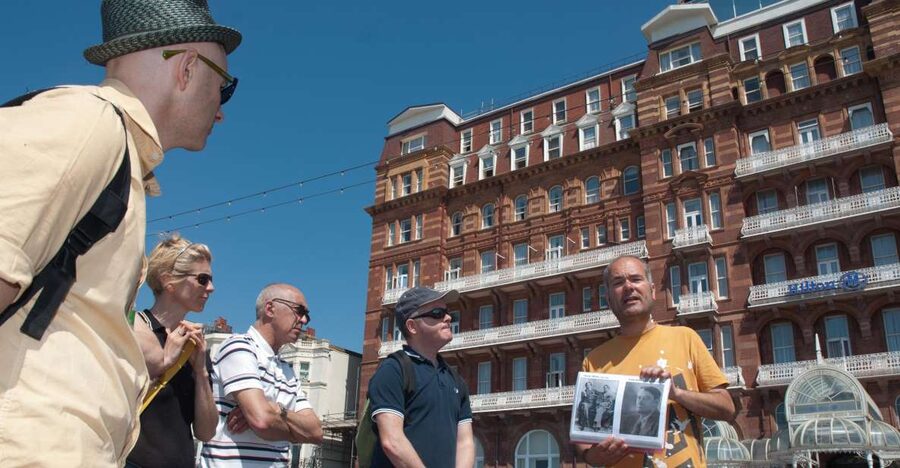
One of the standout threads is Anne Lister, including her trip to Brighton. If you’ve watched Gentleman Jack, this part helps you swap the glow of dramatized storytelling for the grounded reality of where someone like her actually went, and why those visits mattered.
This isn’t just a pop-culture detour. The point is to understand how queer life could be both intensely personal and deeply shaped by place. Anne Lister’s story gives you a window into a particular kind of courage—careful, deliberate, and often constrained by social rules that could be brutal.
What you’ll walk away with is a sense of continuity: Brighton isn’t only a modern reputation. It’s a city where patterns of identity, concealment, and self-expression have long histories. That makes the rest of the tour hit harder, because you’re not treating each era like a separate planet.
And if you don’t know Anne Lister’s work at all, you’re still fine. The tour’s job is to orient you—so you know what you’re looking at, and why you should care.
The 1923 milestone and other boundary-breakers
A powerful moment in the tour involves a same-sex marriage in 1923. Even if you already know the phrase, it’s one of those facts that feels unreal until you place it in a real setting. This is where the walk becomes emotionally memorable—not because it’s shock value, but because it shows how long before modern terms and debates, people were already finding ways to claim legitimacy and partnership.
The tour also includes an Edwardian story about a drag king, plus additional accounts of people who pushed against gender norms at times when options were limited. Again, the details matter, but the deeper takeaway is the pattern: people adapted. Some used performance. Some used community networks. Some lived as themselves as far as the world would allow.
This part is especially valuable if you’re the type who wants a “then what?” answer. Queer history can feel like separate stories until you understand how one era’s boundaries create the next era’s pressure for change. The tour nudges you toward that bigger picture—without turning it into an academic lecture.
Finishing in Kemptown: turning stories into a map you can use
The tour ends in the gay district of Kemptown. That ending is practical. It gives you a destination you can keep exploring after the walk, instead of sending you back into the city with nothing but feelings.
Kemptown matters because it’s tied to the modern identity of Brighton as a queer-friendly hub—often described as the gay capital of Britain. The tour helps you understand why that reputation exists. It’s not only about present-day venues. It’s about how communities formed, how visibility changed over time, and how the city’s spaces supported (and sometimes resisted) people’s lives.
You also get recommendations near the end, which is a big help if your time is tight. After 1.5 hours of history, it’s nice to switch from listening mode to explore mode. You’ll know what to look for and why certain areas feel connected to the stories you just heard.
And because the route moves from public Brighton to the older streets to a modern queer district, you leave with a mental map. It’s easier to walk around on your own afterward because you can connect the dots.
Price and value: why $52 can make sense for this kind of tour
At $52 per person for 1.5 hours, you’re paying for a few things at once: a live guide, a small-group format (max 12), and a planned route that links history to place. That mix is what usually makes walking tours worth it—when they’re done well.
If you tried to replicate this on your own, you’d likely end up with two problems: (1) you might not know where to focus, and (2) you’d miss the connecting tissue between eras. This tour’s value is that the guide ties everything together—Regency dandies, 1950s life, political activism, and boundary-breakers like the 1923 milestone and the stories of people who lived in gender-bending ways earlier than many people realize.
One more value point: the guide is a live English-speaking professional and the tour is run as a semi-private group. That usually means you can ask questions and get answers that match the pace of the walk.
Would I call it cheap? No. But for a tight, story-driven route that covers a lot of time and includes both major names and unsung heroes, the price feels fair. It’s a history tour that actually behaves like a walking tour, not a lecture in motion.
Who this tour is perfect for (and who might want a different plan)
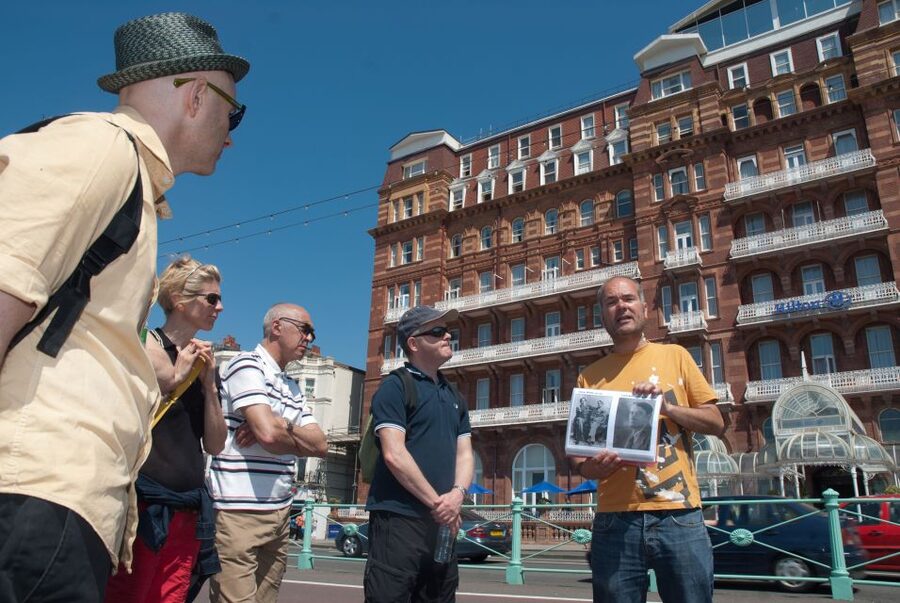
This experience is best for you if you like:
- LGBTQ history tied to real streets and places
- A short format that gives you direction for the rest of your day
- Stories that balance big names with lesser-known lives
- A guide you can talk to during the walk
It’s also a good fit if you’re visiting Brighton for the first time. The route gives you structure: seafront first, then the Lanes, then Kemptown. That’s how you avoid wasting your sightseeing time guessing.
If you’re not a fan of walking, or you’re hoping for a food-and-drinks style tour instead of history and context, this might feel like the wrong kind of focus. Also, because the tour leans into stories from different eras—including activism and personal boundary-breaking—go in with curiosity rather than expecting a simple sightseeing highlight reel.
Should you book the Brighton Piers & Queers LGBTQ History Tour?
I think you should book it if you want a fast, meaningful way to understand why Brighton has such a strong LGBTQ reputation. The Blue Badge guide, the tight 1.5-hour format, and the route that takes you from the seafront through the Lanes to Kemptown make it a practical win.
It’s also a smart choice if you care about nuance—Regency society, 1950s queer life, and political activism all in one walk. Add in the emotionally memorable stories like the doctor who lived as a man before women were allowed to practice medicine, the Edwardian drag king, and the 1923 same-sex marriage, and you get a tour that feels both human and grounded.
If you’re ready to trade a few casual photo stops for context you can actually use, this is a solid booking.
FAQ
Where does the tour meet?
Meet by the statue at Regency Square, Brighton (BN1 2FZ), UK.
How long is the tour?
The tour lasts 1.5 hours.
How many people are in the group?
It’s a small group semi-private tour with a maximum of 12 people per tour.
What areas of Brighton does the route cover?
You’ll go along the seafront, through the old Lanes, and finish in the gay district of Kemptown.
What is the tour focused on?
The tour explores hidden histories of LGBTQ interest in Brighton, spanning over 200 years, including Regency life, 1950s lesbian and gay life, and political activism.
Who leads the tour?
A professional live tour guide leads the walking tour, in English. The tour guide is Blue Badge qualified.
Is the tour wheelchair accessible?
Yes, the tour is listed as wheelchair accessible.
What famous people are mentioned?
The tour includes stories and connections related to Anne Lister, Lord Byron, Oscar Wilde, and Dusty Springfield.
What is the cancellation and booking flexibility like?
You can cancel up to 24 hours in advance for a full refund, and you can reserve now and pay later.