REVIEW · AMSTERDAM
Amsterdam: Allard Pierson Heritage Collections Entry Ticket
Book on GetYourGuide →Operated by Allard Pierson · Bookable on GetYourGuide
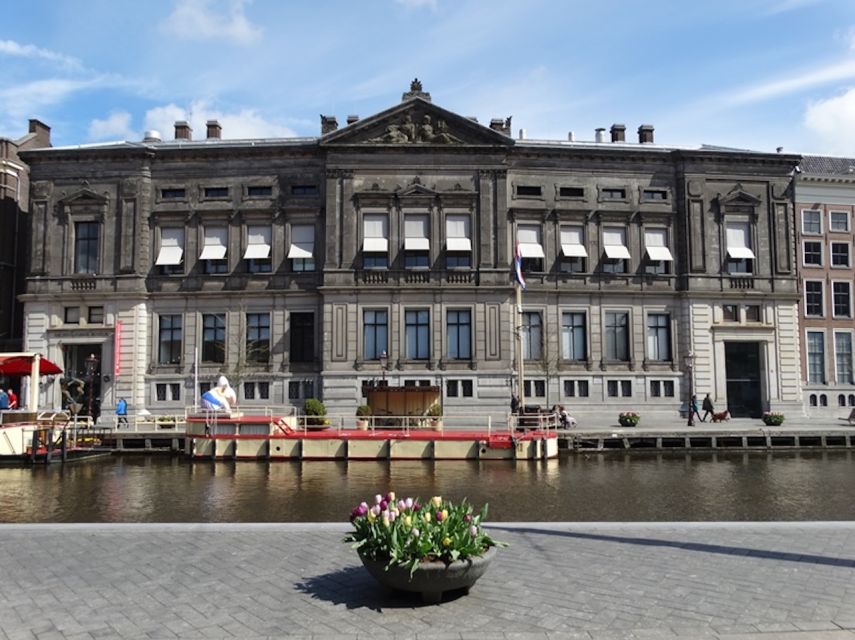
A museum ticket that feels like a storybook. The Allard Pierson Heritage Collections Entry Ticket lets you connect ancient artifacts to Amsterdam’s modern curiosity, with book history, maps and atlases, and more in one day. I especially like how the permanent display links writing, early printing, and everyday theater and trade to real objects you can actually see.
Your ticket covers the permanent galleries and a temporary exhibition called Face to Face: The People Behind Mummy Portraits. One thing to consider: if you want a simple, single-theme museum experience, this one can feel wide-ranging, moving across archaeology, cartography, manuscripts, and visual art craft.
In This Review
- Key Things to Know Before You Go
- Allard Pierson in One Day: how to pace your visit
- The Permanent Galleries: ancient curiosity meets Amsterdam
- Book History of Amsterdam: manuscripts, printing, and everyday reading
- Maps and Atlases: when cartography gets seriously large
- The Plaster Cast Attic and the audioguide for Greek and Roman art
- Ancient Egyptian and Sudanese collections you can actually connect to
- Face to Face: The People Behind Mummy Portraits (the temporary exhibition)
- Museum breaks: shop and cafe inside the same ticket
- Price and value: is $18 for one day a good deal?
- Who should book this ticket (and who might skip it)
- Should you book this Allard Pierson ticket?
- FAQ
- What is included in the Allard Pierson Heritage Collections entry ticket?
- How long is the ticket valid?
- Is the ticket limited to English-language experiences?
- Is there a temporary exhibition included?
- What is Face to Face: The People Behind Mummy Portraits about?
- Are there plaster casts in the museum?
- How much does the ticket cost?
- Is the museum accessible for wheelchair users?
- Is free cancellation available?
- Is there a reserve now & pay later option?
Key Things to Know Before You Go
- Permanent galleries tell one long human story, from writing to early industrial book production.
- Book history of Amsterdam is a real focus, not just background decoration.
- Maps and atlases are a major draw, including what’s described as one of the largest collections in the world.
- Plaster casts in an attic give you a hands-on feel for Greek and Roman statuary, with an audioguide available.
- Egyptian and Sudanese collections broaden the offer beyond classic Western art museums.
- Face to Face adds mummy portraits from the Roman period, plus the people behind the research and collecting.
Allard Pierson in One Day: how to pace your visit

Your ticket is valid for 1 day, so you’re free to set your own rhythm. That matters here, because the museum isn’t just a hallway of highlights. It’s a set of different subject areas that reward slow looking, especially around text-based objects and cartography.
I’d plan a focused morning on the permanent collections, then use the afternoon for the temporary exhibition, or vice versa. If you only have time for one priority, make it the section that matches your curiosity—book history, maps, or Egyptian material—then let the rest be bonus.
Also note the practical side: you’ll have access to the museum shop and cafe, so you can reset without leaving the museum grounds. For a museum that covers so many eras, a short break keeps you from feeling like your brain just got archived.
You can also read our reviews of more tours and experiences in Amsterdam.


The Permanent Galleries: ancient curiosity meets Amsterdam
The permanent presentation is built around how the ancient and modern worlds keep talking to each other. It follows a through-line about humankind’s curiosity, from the origins of writing to early industrial book production, and even into Amsterdam’s historical connections like Assyrian merchants and theatre makers.
You’ll see the collections arranged so the story feels like one big conversation, not separate boxes with labels. For example, the museum pairs things like ancient writing-style artifacts with later European manuscripts and printed materials. That’s useful because it shows how knowledge traveled, changed, and got packaged for new audiences.
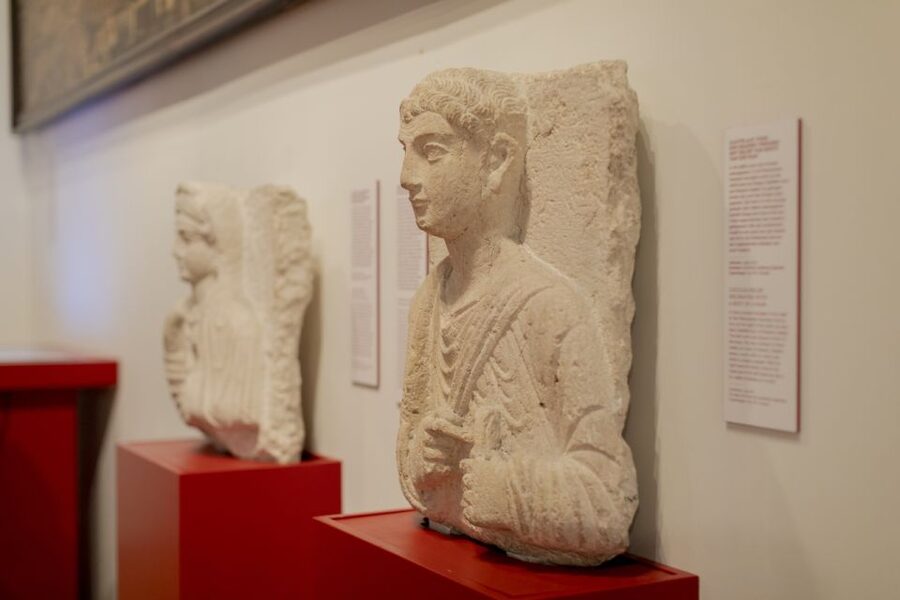
Expect a mix of object types too: Egyptian hieroglyphs, Greek pottery, Roman glass, Medieval manuscripts, 17th-century atlases and books, and cookbooks. It’s a lot to process, but it also keeps you from getting bored—no single gallery dominates your whole day.
Book History of Amsterdam: manuscripts, printing, and everyday reading
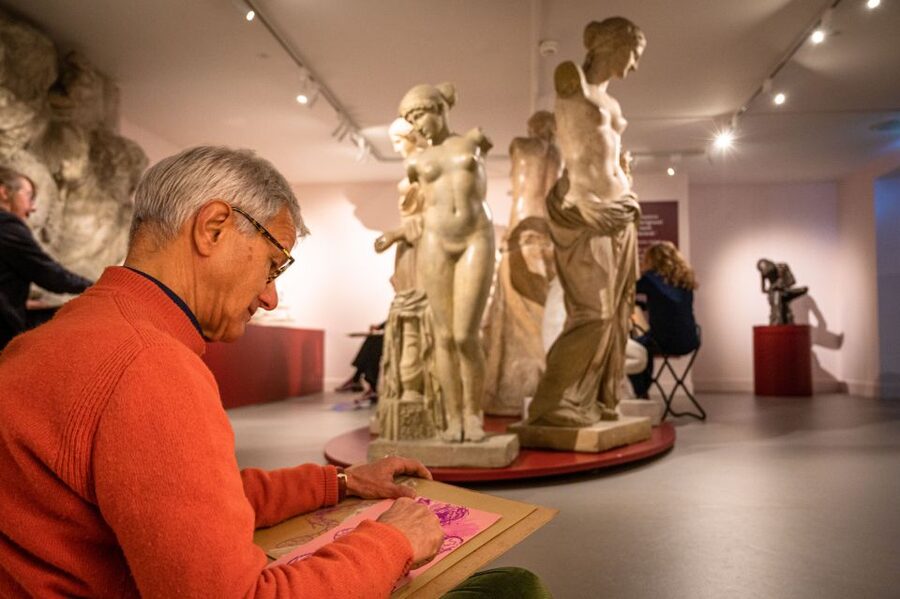
If you like the idea of tracing how people recorded, traded, and shaped knowledge, this is one of the best parts. The museum specifically highlights the book history of the city of Amsterdam, connecting local history to broader developments.
What I like is how book culture shows up as something practical. It isn’t only about rare manuscripts behind glass. It’s about early book production, changing audiences, and how written material fit into daily life and commerce.
The display examples include Medieval manuscripts and 17th-century atlases and books, plus cookbooks. That last detail is important: cookbooks are a reminder that literacy and publishing weren’t only for scholars. People used printed text for family life, work, and tradition.
If you’re new to museum-going or you don’t have a deep background in book history, this section still works. The story framing helps you get your bearings fast without making you feel like you’re behind.
Maps and Atlases: when cartography gets seriously large
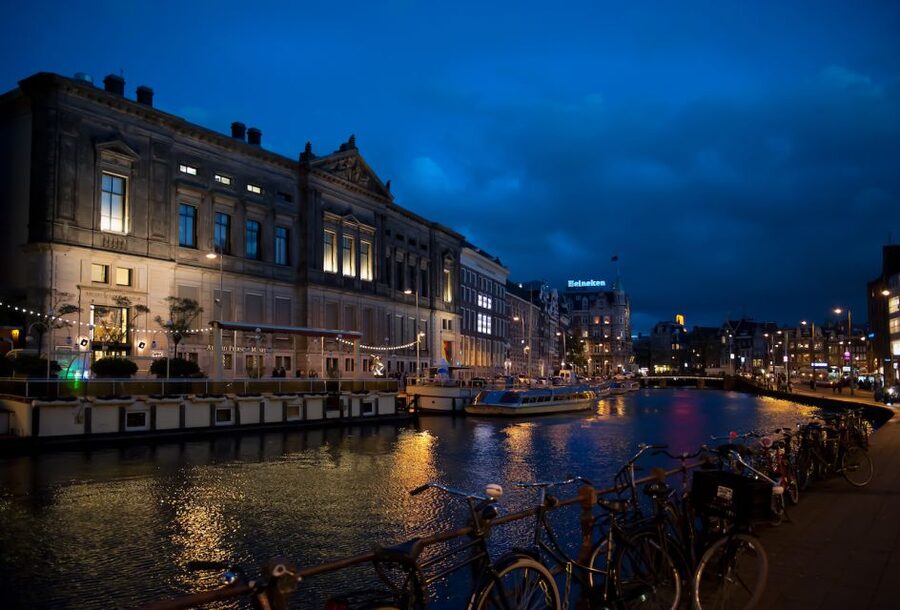
The museum’s maps and atlases collection is a major reason to buy the ticket. The information provided calls it one of the largest collections in the world, and you can feel the scale in how the museum treats cartography as a core heritage topic.
This isn’t about looking at one decorative map and moving on. It’s about seeing how maps reflect exploration, political thinking, and the urge to measure and name the world. When a collection is described as world-class in size, you should expect variety: different periods, different map styles, and different ways of representing distance and place.
Practical tip: take your time with the sections that feel text-heavy and visually dense. Maps can be tiring if you rush. Slow down, read labels, and let your eye adjust to the details. The reward is that you start noticing how cartography evolved rather than treating it as a static art form.
The Plaster Cast Attic and the audioguide for Greek and Roman art
One of the most distinctive features here is the attic space with a plastercast collection from the Greek and Roman era. If you’ve only experienced classical art through paintings or sculptures in outdoor settings, the plaster casts offer a different way to learn: through replicas that help you compare forms, poses, and stylistic choices.
The ticket includes access to the museum areas and also an audioguide for the plaster collections. Use it. The plaster cast room works best when you have a guide explaining what you’re looking at, since the value is in observation and comparison.
I also like the tactile feel of plaster casts as a learning tool. They remind you that art history is partly about studying form and partly about understanding how later people learned from earlier models. The audioguide helps turn looking into reading.




Ancient Egyptian and Sudanese collections you can actually connect to
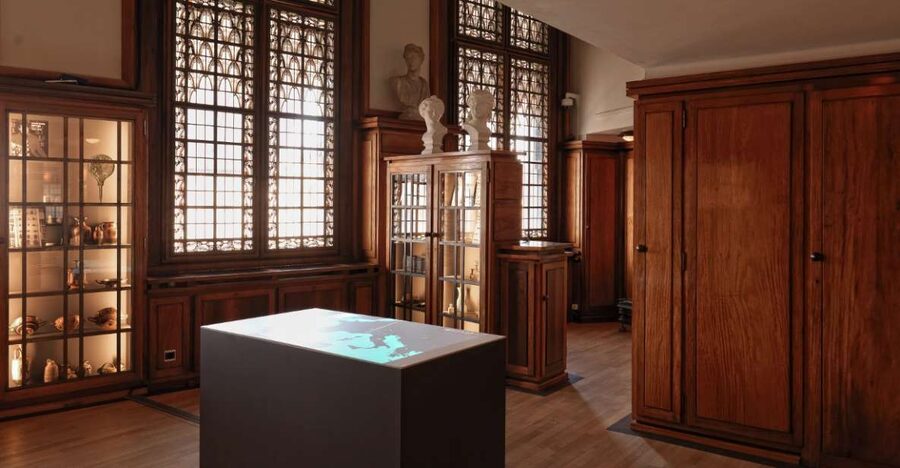
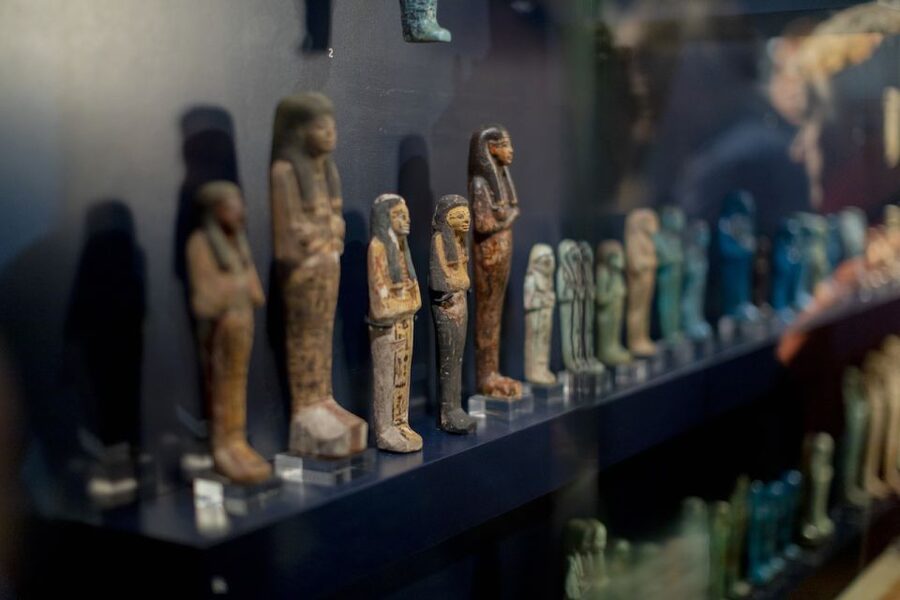
The Allard Pierson Heritage Collections aren’t limited to one civilization. The museum includes Ancient Egyptian and Sudanese collections, with items like Egyptian hieroglyphs among the examples of what’s on display.
What makes this section feel more meaningful is the way the museum organizes the experience. The permanent story isn’t stuck in pure chronology. It’s about how humans wrote, traded, represented beliefs, and built knowledge systems. That framing gives Egyptian and Sudanese material a context that feels less like a side exhibit and more like part of the same bigger story.
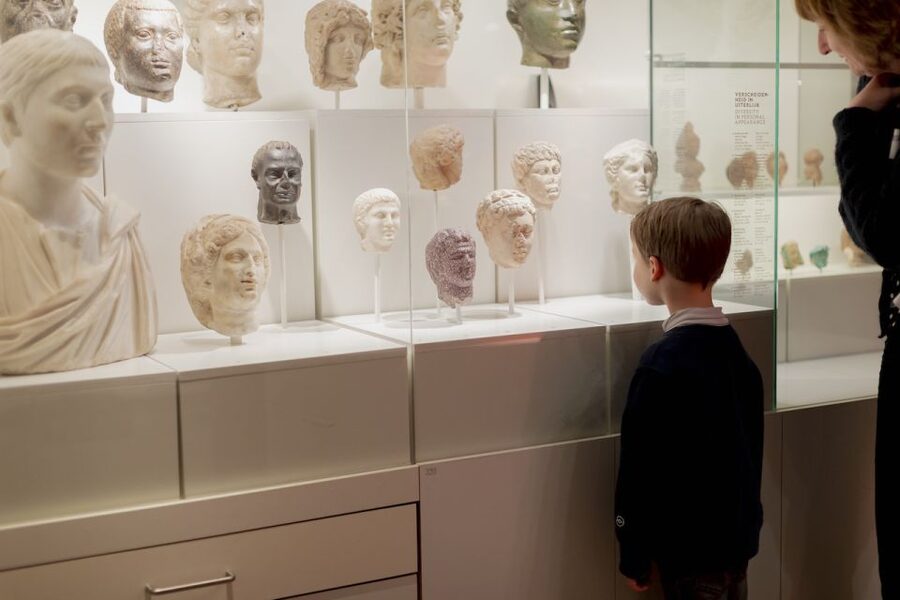
You’ll also see mixed-object types across the galleries, including Roman glass and Greek pottery. That matters because it helps you connect daily-life objects with the wider cultural systems that produced them.
If you’re the kind of visitor who likes variety—art, artifacts, manuscripts, and everyday items—this museum gives you multiple entry points without feeling random.
Face to Face: The People Behind Mummy Portraits (the temporary exhibition)

If your visit happens during the exhibition dates, Face to Face is a strong reason to go. The temporary show runs 6 October – 25 February and focuses on ancient Egyptian mummy portraits, also called Fayum portraits.
These portraits were made during the Roman period in Egypt, from the 1st to the 4th century AD, and placed over the faces of mummified persons. The exhibition’s angle is especially human: it’s not only about the artwork, but about the people behind the portraits.
From the information provided, the show brings together portraits from across the world—38 portraits—and it includes masterworks from the Louvre and the J. Paul Getty Museum in addition to items from the museum’s own collection. That international mix is a practical advantage: it means you’re not just seeing one local slice of the story.
What I’d expect you to notice, if you take time here, is how the exhibition expands the timeline beyond ancient Egypt. The museum connects viewers to creators, descendants, followers, collectors, archaeologists, and researchers. In other words: you get a portrait of the portraits’ full life—how objects move through time, hands, and scholarship.
Museum breaks: shop and cafe inside the same ticket
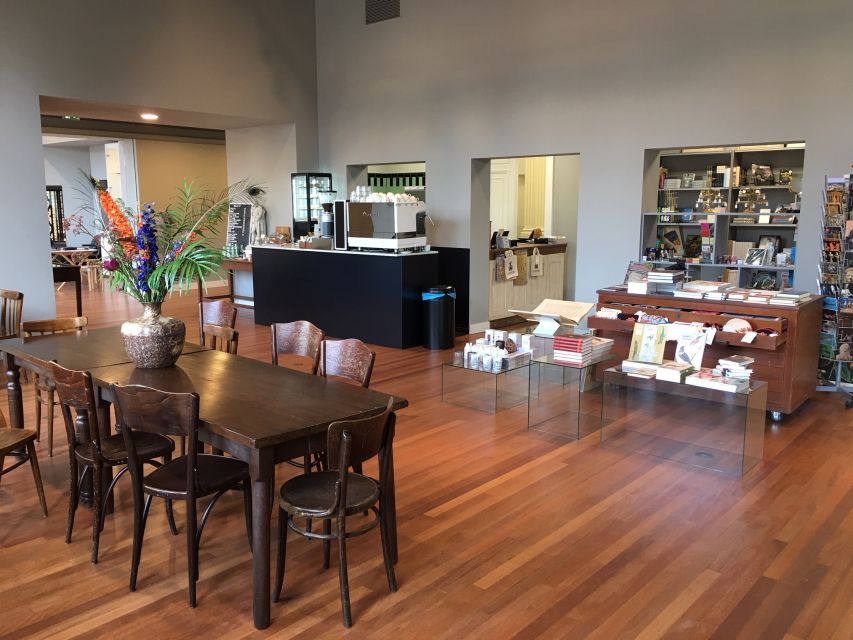
Your entry ticket includes access to the museum shop and cafe. This sounds small, but it’s a smart detail. All-day museums can wear you out because you’re visually working the whole time.
Use the cafe stop as a reset point. Grab a coffee, refill your water, and then come back ready to focus again. The shop is also helpful after the temporary exhibition, because you can look for reading material aligned with mummy portraits, cartography, or book history themes—without hunting around outside the museum.
If you prefer to keep your whole day low-stress, staying on-site for a break makes the visit feel smoother.
Price and value: is $18 for one day a good deal?
The ticket price is listed as $18 per person, valid for one day. On the value side, I like that you’re not paying extra for the museum experience itself—you get the permanent galleries and the temporary exhibition under one ticket.
This is the kind of museum where value depends on your interests. If you’re excited by any of these topics—book history, maps, Egyptian or Sudanese material, or Greek and Roman plaster casts—you’re likely to feel like you got your money’s worth. If you only want one narrow thing, you might wish the museum were smaller or more focused.
But that’s the tradeoff with a heritage collections museum: the breadth is the product. For many visitors, that turns into value because you get multiple “aha” moments rather than one concentrated peak.
For planning: since the ticket is valid 1 day, don’t rush it. Spending the full day is how the price feels fair, not stressful.
Who should book this ticket (and who might skip it)
This is a great fit if you love mixing subjects—history plus art plus text plus objects. You’ll likely enjoy it most if you get curious about how knowledge is made and spread, whether that’s through manuscripts, early printing ideas, or cartographic design.
It’s also a good choice if you like museum storytelling. The permanent presentation is framed as a journey about human curiosity, which helps you connect different artifacts into one coherent experience.
You might want to skip or reconsider if you only want a narrow, single-era museum visit. The galleries move across many fields—archaeology, cartography, book history, church history, zoology and more—so it’s not built as a one-track trip.
Should you book this Allard Pierson ticket?
Yes, if you want a one-day Amsterdam museum that mixes big collections with a thoughtful narrative. The permanent galleries make it easy to understand why objects matter, especially through connections like origins of writing, early book production, and Amsterdam’s historical roles in trade and theater.
Book it if at least one of these hooks pulls you in: the book history of Amsterdam, large maps and atlases, the plaster casts with an audioguide, or the Face to Face mummy portraits exhibition during 6 October – 25 February.
Don’t book it only if you’re trying to keep your day strictly simple and uniform. This museum rewards curiosity and patience, not speed.
FAQ
What is included in the Allard Pierson Heritage Collections entry ticket?
Your ticket includes entry to the permanent and temporary exhibitions, access to the museum shop and cafe, and an audioguide for the plaster collections.
How long is the ticket valid?
The ticket is valid for 1 day. Starting times depend on availability.
Is the ticket limited to English-language experiences?
The host or greeter is English, and the listed language for the activity is English.
Is there a temporary exhibition included?
Yes. The temporary exhibition Face to Face: The People Behind Mummy Portraits runs 6 October to 25 February.
What is Face to Face: The People Behind Mummy Portraits about?
It focuses on ancient Egyptian mummy portraits (Fayum portraits) made in Roman-period Egypt and includes discussion of the people involved in collecting and researching these portraits.
Are there plaster casts in the museum?
Yes. The experience highlights an attic with a plastercast collection from the Greek and Roman era, and it includes an audioguide for that plaster collection.
How much does the ticket cost?
The price is listed as $18 per person.
Is the museum accessible for wheelchair users?
Yes, it is listed as wheelchair accessible.
Is free cancellation available?
Yes. Free cancellation is available up to 24 hours in advance for a full refund.
Is there a reserve now & pay later option?
Yes. You can reserve now and pay later, keeping travel plans flexible.