REVIEW · CANAKKALE
Canakkale: Full-Day Ancient Troy and Museum of Troy Tour
Book on GetYourGuide →Operated by Crowded House Tours · Bookable on GetYourGuide
Troy feels impossible until you’re there. This full-day trip stacks Museum of Troy artifacts with the UNESCO site, so you get the objects and the place in one smooth arc. I especially love walking the defensive lines and hearing the story of Troy laid out by a real local guide.
The big drawback to plan for: the schedule is tight, so if you want long museum wandering, the time can feel short. You still get a good taste of everything, but this is more “focused day trip” than slow, linger-and-learn.
In This Review
- Key things I’d watch for before you go
- A 6-hour Troy day from Çanakkale: timing that actually works
- Troia Museum: the artifacts that give Troy context
- UNESCO Troy with an English guide: myths, layers, and walking the real edges
- The walls and everyday houses: why the site feels more real than photos
- “Nine cities on top of each other”: the archaeology lesson you’ll remember
- Lunch, breaks, and what the schedule means for your day
- Price and value: is $164 per person worth it?
- What kind of person should book this Troy tour?
- Should you book Canakkale’s Full-Day Ancient Troy and Museum of Troy?
- FAQ
- What time does the tour start?
- How long do I spend at the Museum of Troy?
- Is lunch included?
- Do I get a guide at the UNESCO site of Troy?
- How long is the full tour?
- What do I need to bring?
- Is the tour wheelchair accessible?
Key things I’d watch for before you go
- Museum first, then the ruins: you do the Troia Museum at your own pace, then switch to live guidance on-site.
- A named guide can make a difference: Ibrahim’s interpretation of Troy is a standout in the English-led portion.
- Layered Troy is the point: you’re shown how multiple settlements sit on top of each other, not just one frozen moment.
- Walking the city walls: you’ll get real movement at the UNESCO site, not just stop-and-stare photos.
- Time feels structured: 2 hours in the museum and 2 hours on the UNESCO tour means you should arrive ready to focus.
- Lunch is on you: plan for time to eat, but the tour doesn’t include meals or drinks.
A 6-hour Troy day from Çanakkale: timing that actually works
This is a half-day-and-a-bit kind of outing: about 6 hours total, starting with pickup from your Çanakkale hotel at 10:00 AM. You’ll ride about 30 minutes to the Trojan area, and the rest of the day is carved into two main blocks: the Troia Museum and then the UNESCO-listed ruins of Troy.
If you like history days that don’t sprawl, the pacing makes sense. You get time to reset between sections too, including a 1-hour break for Troy time/lunch before the guided part on the UNESCO site. That break matters, because the guided walking part can feel more intense if you’re hungry or rushed.
One practical note: you’ll travel by air-conditioned vehicle and you’ll be dropped back at your hotel door after the tour. There are multiple pickup and drop-off hotel options around Çanakkale, so you shouldn’t have to transfer to a distant meeting point.
What you should bring is simple: passport or an ID card. And if you’re traveling with a pet, this tour does not allow them. Wheelchair users also aren’t suited to this route, since the plan involves walking around the site.
Troia Museum: the artifacts that give Troy context
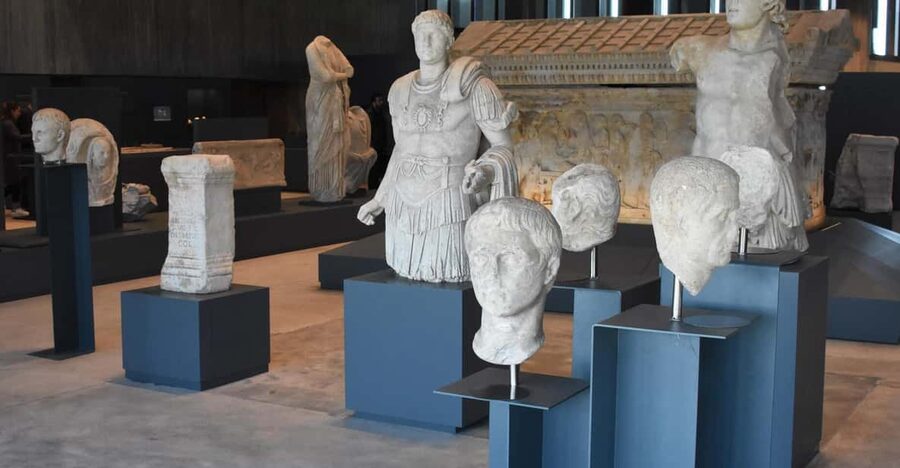
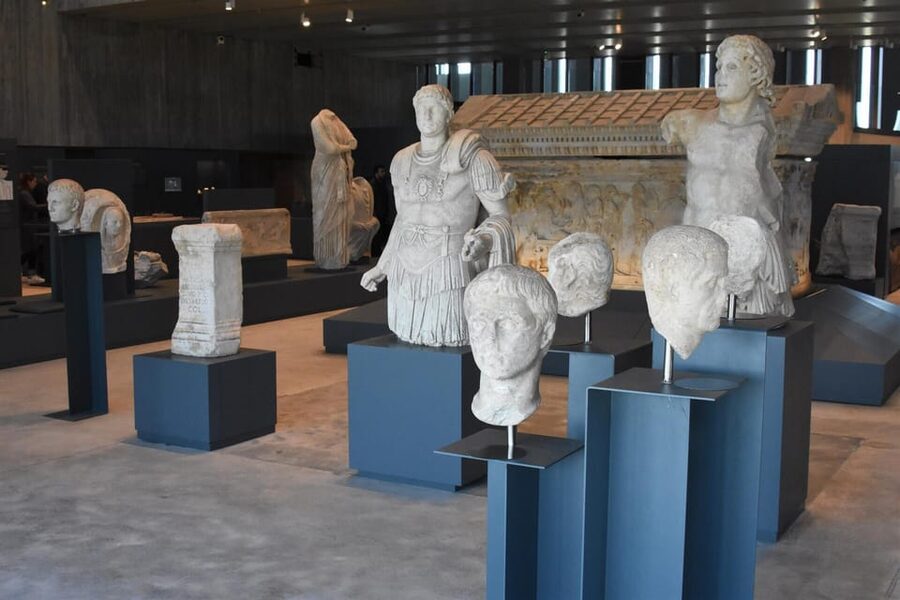
The day’s first major stop is the Troia Museum, where you spend about 2 hours. This part is without a live guide, which I think is smart here. Museums work best when you can move at your own speed—pause at a case, step back, read labels, then keep going.
You’ll see artifacts excavated in the Trojan area. That’s important because Troy on the ground can feel abstract at first. The museum helps you connect what you’re looking at outside—walls, building remains, and layers—to real objects that came from the site.
If you want an extra layer of help, you can hire an audio guide at the museum entrance. Since there’s no live guide during this museum block, audio is your best option if you want narration and smoother explanations while you walk.
A fair heads-up: one review noted that the actual visit time felt shorter than expected. That lines up with the schedule: you’re working with a fixed 2-hour window. If you’re the type who loves reading every label, you may want to pick a few themes in advance—like everyday life objects versus war-related material—so your time stays satisfying rather than stressful.
UNESCO Troy with an English guide: myths, layers, and walking the real edges
After the museum, you’ll have your break time (including time for lunch) before meeting your local guide for the UNESCO site. This guided portion is about 2 hours, and it’s where the tour really changes gear.
Here’s the heart of it: your guide explains the mythology around Troy and ties it to the archaeological discoveries. You’ll hear a story that runs from Troy’s discovery period in the 1870s by Heinrich Schliemann to the work continuing today. That timeline matters because it shows you Troy wasn’t just invented by legend—people have been digging, arguing, refining interpretations, and finding new material for more than a century and a half.
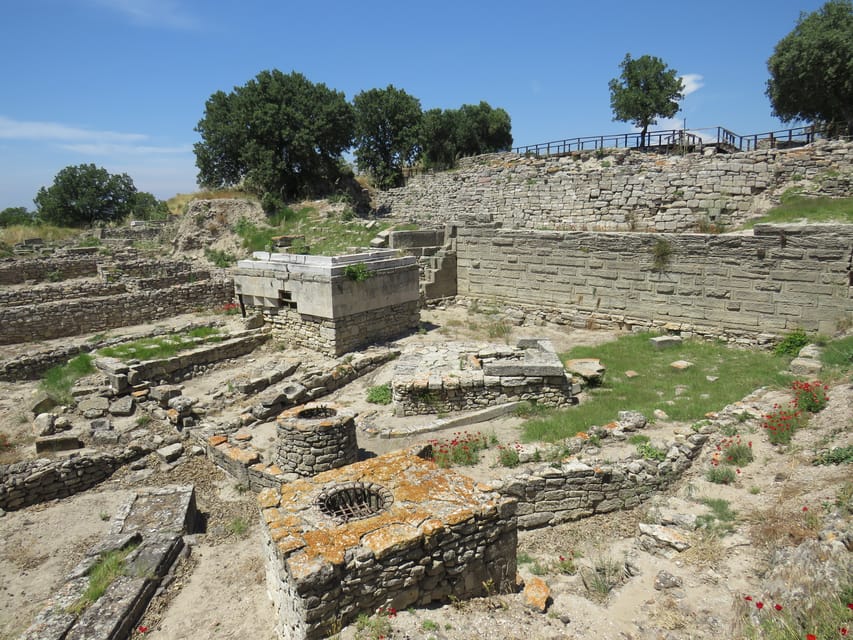
At the UNESCO site, you’ll walk and look at multiple layers of settlement—nine cities built on top of each other, dating back to before 3500 B.C. You’ll also hear how the Troy most people know from Homer’s Iliad is only one chapter in a much longer sequence.
The guide I’m most happy to highlight from the experience feedback is Ibrahim, described as amazing. When a guide can connect myth to site details, the ruins stop feeling like “old rocks” and start feeling like a lived-in place.
The walls and everyday houses: why the site feels more real than photos
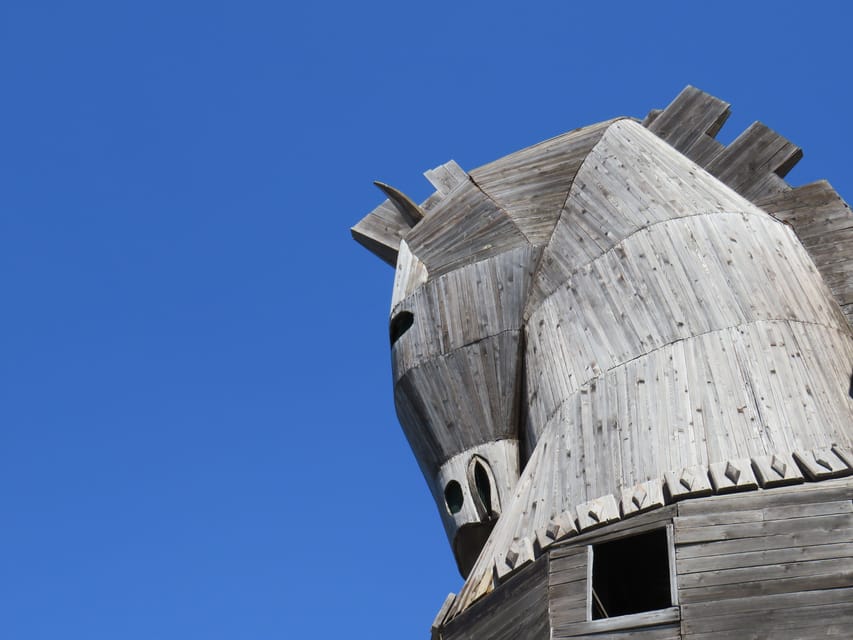
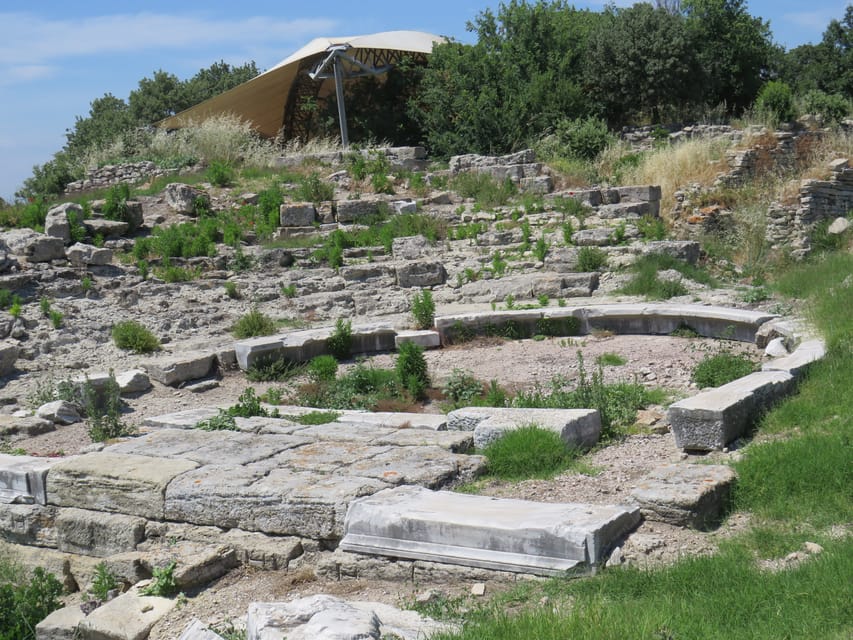
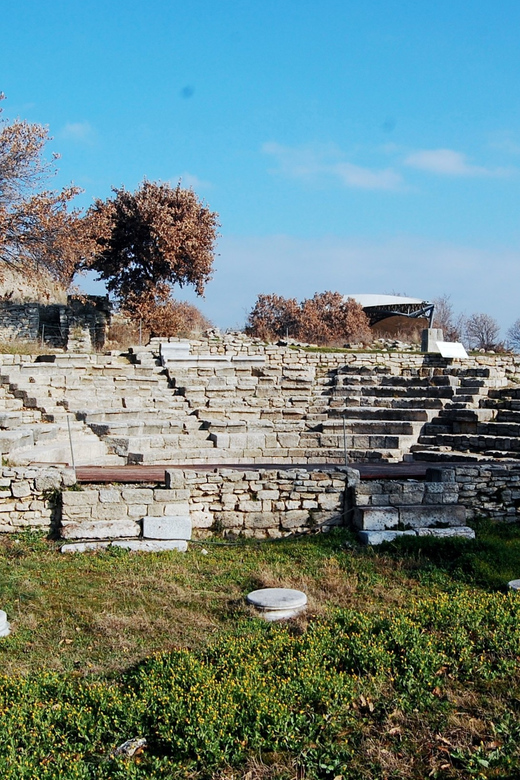
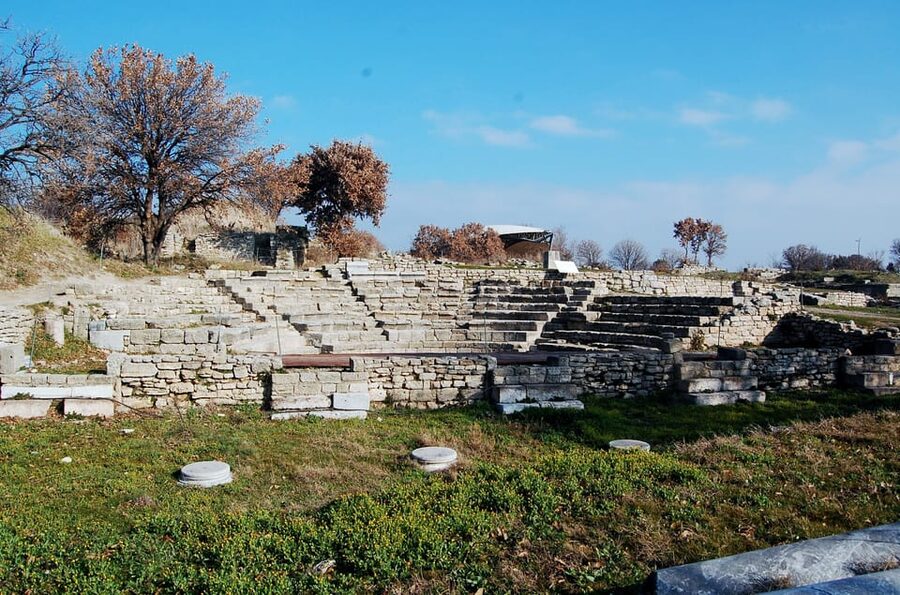
One of the most concrete highlights is the walk along 3,700-year-old city walls. Standing near defensive lines like this does something quick to your imagination. You stop thinking in eras and start thinking in choices: where people would stand guard, where they’d funnel movement, and how geography shapes survival.
Then there are the remains of more ordinary spaces. You’ll be able to walk past the ruins of everyday houses dating back more than 3,000 years. This is a big deal because it shifts Troy from “war story” to “human story.” Even if you don’t know the names of every layer yet, you can still sense daily routines—rooms, pathways, and the logic of building where people needed to live.
This is also where the layered concept becomes tangible. The site isn’t one uniform ruin. It’s a pile of time, with each settlement rising over earlier ones. That means you’re not just looking at one location—you’re looking at multiple chapters of the same ground, rewritten again and again.
If you like to see how archaeologists interpret changes across centuries, the guided explanations are what make the physical remains click. Without that guidance, the transitions between layers might feel confusing. With it, the walking route becomes a narrative trail.
“Nine cities on top of each other”: the archaeology lesson you’ll remember
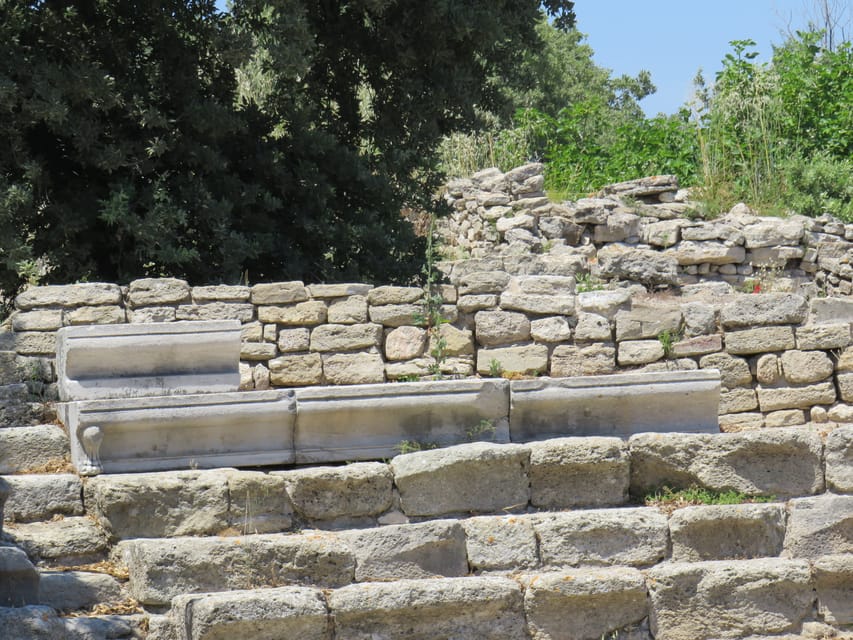
Troy’s greatest teaching isn’t just that it’s old. It’s that it’s repeated. You’re seeing a place where communities kept rebuilding, adapting, and leaving traces that later people then built over.
Nine cities have been identified at the site, built one atop another, extending to dates before 3500 B.C. The Homer-linked Troy is only one part of that story. That detail is worth holding in your mind before you arrive, because it changes the way you interpret what you see.
You also get a clear explanation of excavation history: Schliemann’s famous 1870s discovery work is mentioned, along with the fact that the site continues to produce treasures even today. That long arc helps you understand why Troy is still debated and still exciting. Archaeology isn’t “finished.” It keeps turning over questions as techniques improve and new finds appear.
I like that this tour frames the site as both myth and evidence. You don’t have to choose one lens. You can enjoy the legend while also learning how real digging, careful sorting, and ongoing research shape what we know.
Lunch, breaks, and what the schedule means for your day
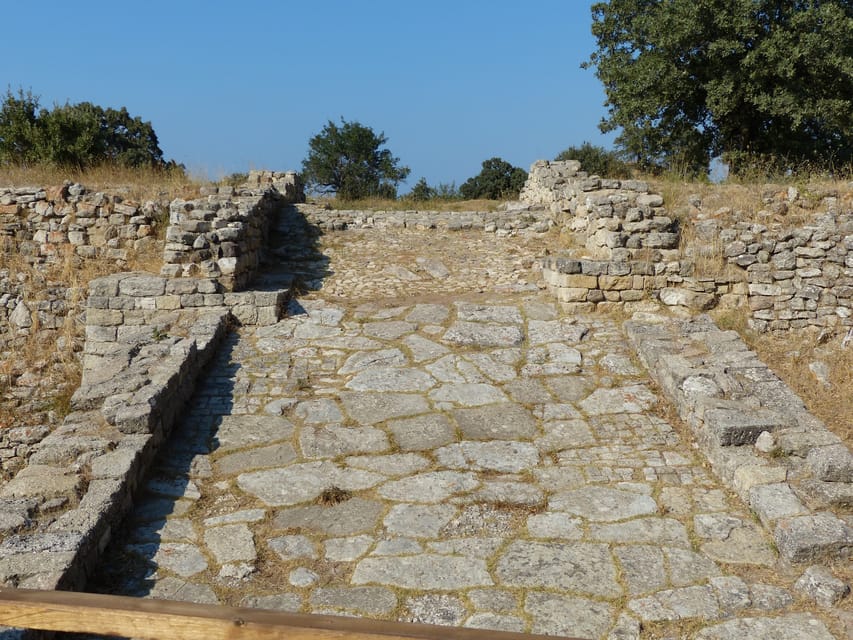
You’ll have free time for lunch during the day, and the break time is about 1 hour at Troy. Lunch and drinks are not included, so you’ll want to plan to buy food locally or bring something simple if that fits your style.
Because the guided section is later, don’t treat this break as “arrive whenever.” If you’re late back to the meeting point after lunch, you can lose part of the guided walking time. The tour is structured enough that you benefit from being on time with your group and guide.
Also, keep expectations realistic about the overall length. Museum time is 2 hours, and the guided UNESCO portion is 2 hours. If you want to linger for an extra hour in the museum, you might feel a pinch. On the other hand, if you want a well-paced day without logistical stress, this plan delivers.
Price and value: is $164 per person worth it?
At $164 per person, this isn’t a bargain-basement excursion. The value comes from what’s included—and what isn’t.
Included:
- Hotel pickup and drop-off in Çanakkale
- Air-conditioned vehicle
- Museum and UNESCO entrance fees
- A professional local guide for the UNESCO site
- The museum stop with self-paced time
Not included:
- Lunch and drinks
- A guide for the museum portion
So you’re paying partly for convenience (the pickup, transport, entrances), and partly for the guided interpretation at the UNESCO site. In my view, this is a fair trade if you care about understanding the myths and how the archaeology is layered. If you only wanted to stand in the ruins taking photos, you might question the price. But if you want the explanation—especially the guide’s storytelling—the ticket starts to feel more reasonable.
What kind of person should book this Troy tour?
This fits best if you:
- want both the Museum of Troy and the UNESCO site in one day
- enjoy guided explanation, especially for myth + archaeology connections
- like a structured plan with clear time blocks rather than an open-ended wandering day
It’s less ideal if you:
- want lots of unhurried museum time with a live guide in the galleries
- need wheelchair-friendly access (the tour isn’t suitable for wheelchair users)
- plan to travel with pets (not allowed)
If you’re short on time in Çanakkale, this is one of the smartest ways to cover Troy without juggling separate tickets and timing.
Should you book Canakkale’s Full-Day Ancient Troy and Museum of Troy?
If you’re aiming for a “big Troy overview” with real context, I’d book it. The combination is strong: museum artifacts first so the ruins make sense, then a guided walk where stories become physical place. And the named guide praise—especially for Ibrahim—is a good sign that you’ll get more than dates and definitions.
Just go in with the right expectation: this is not a slow, deep museum day. It’s a tight 6-hour circuit with fixed time blocks, and one concern raised in feedback was that the time didn’t feel as long as hoped. If that would frustrate you, plan to focus on your top interests at the museum and accept that you’re buying breadth more than hours.
FAQ
What time does the tour start?
Pickup is at 10:00 AM from your Çanakkale accommodation. You should wait in the hotel lobby about 5 minutes before pickup.
How long do I spend at the Museum of Troy?
You visit the Troia Museum for about 2 hours. This museum portion is without a live guide, but you can hire an audio guide at the entrance.
Is lunch included?
No. Lunch and drinks are not included, and the itinerary includes a break time at Troy where you can eat.
Do I get a guide at the UNESCO site of Troy?
Yes. You’ll meet your local English-speaking guide for the guided tour of the UNESCO-listed site of Troy (about 2 hours).
How long is the full tour?
The total duration is about 6 hours.
What do I need to bring?
Bring a passport or ID card.
Is the tour wheelchair accessible?
No. The tour is not suitable for wheelchair users.