REVIEW · CEBU CITY
CEBU: Cebu City Heritage and Uphill Guided Tour
Book on GetYourGuide →Operated by Explore Cebu Tours · Bookable on GetYourGuide
Up the hills, Cebu tells its story. This tour pairs landmark walks with panoramic uphill viewpoints, and it’s handled with air-conditioned van transport and clear, friendly guidance. You’re not just seeing names on a map; you get context you can use right away.
I especially like the way the route mixes church-and-fort heritage with scenic outlooks, from Magellan’s Cross to hilltop stops like the Taoist Temple and Temple of Leah. One thing to consider: it’s an uphill itinerary with steep road sections and some walking, so if you’re sensitive to heights or slow-going routes, plan accordingly.
In This Review
- Key things I’d plan around
- The 4–5 hour format: a smart hit of Cebu, not a half-day scramble
- Pickup in Cebu City or Mandaue City: getting started without stress
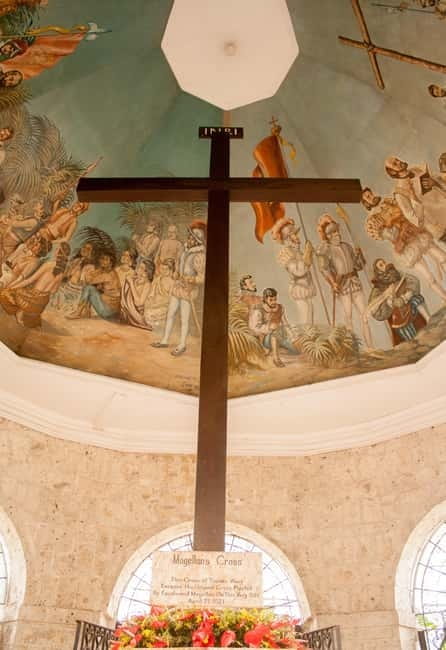
- Magellan’s Cross to Basilica Santo Niño: Cebu’s spiritual and colonial anchors
- Yap-SanDiego Ancestral House: architecture and trade-era clues
- Fort San Pedro photo stop: quick harbor energy and an easy break
- Heritage of Cebu Monument and the Taoist Temple: two belief systems, one city view
- Temple of Leah and Sirao Flower Farm: the scenic payoff
- Guides can make or break it: Oliver, Ric, and the storytelling you actually remember
- The value check: what $61 buys you (and what it saves you)
- How to make the uphill day feel easy
- Who this tour is best for
- Should you book this Cebu City Heritage and Uphill Tour?
Key things I’d plan around
- Hilltop views built into the schedule, not tacked on at the end
- Skip-the-ticket-line convenience at key sights
- Guides with real personality, including Oliver and Ric-style storytelling
- A 4–5 hour structure with focused 30-minute stops
- AC ride time that’s actually useful, with bottled water and a Cebu souvenir included
The 4–5 hour format: a smart hit of Cebu, not a half-day scramble
This is the kind of tour that works well when you want a lot of Cebu City highlights without spending your day guessing bus routes. The timing is built on short, guided blocks, most of them around 30 minutes, with van time to connect the stops. That means you get explanations, photos, and a bit of breathing room instead of feeling like you’re sprinting from one place to another.
The “uphill” part matters. Cebu City isn’t flat, and the viewpoints help you understand why locals built communities where they did. You’ll move from the central area toward higher ground, so the day naturally shifts from busy streets to calmer, elevated vantage points.
Also, the inclusion list is practical for a first-timer. You get air-conditioned transport, bottled water, and the tour covers applicable entrances and fees. That matters because Cebu City sights can add up once you start paying entry by entry.
Pickup in Cebu City or Mandaue City: getting started without stress
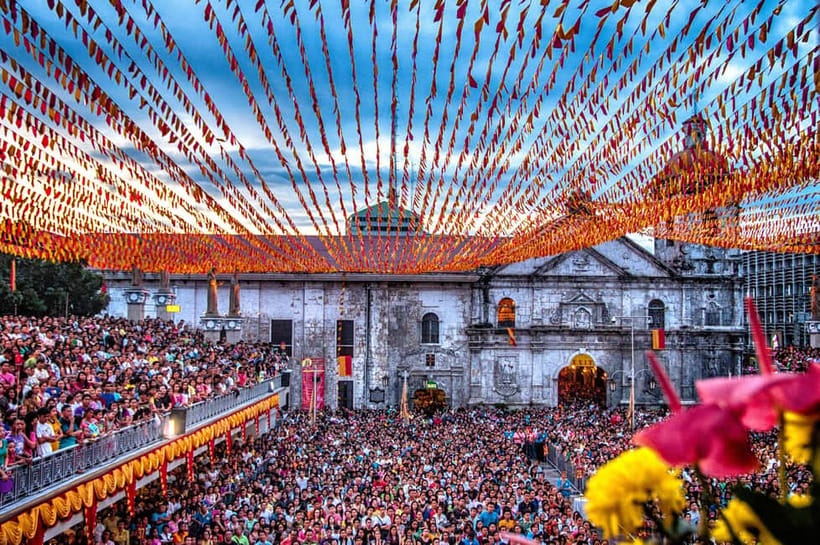
You have two pickup options: Cebu City or Mandaue City. From there, you’ll be in a van ride that’s about 30 minutes before your first major stop. That early drive is useful because it gets you oriented fast, and it avoids the awkward moment of figuring out where to stand and what to do.
To keep the pickup smooth, plan to be at the lobby about 10 minutes before your assigned time. The guide brings signage, and you’ll get pick-up instructions after messaging on WhatsApp. If you don’t like depending on messaging apps while traveling, this is worth noting before you book.
Magellan’s Cross to Basilica Santo Niño: Cebu’s spiritual and colonial anchors
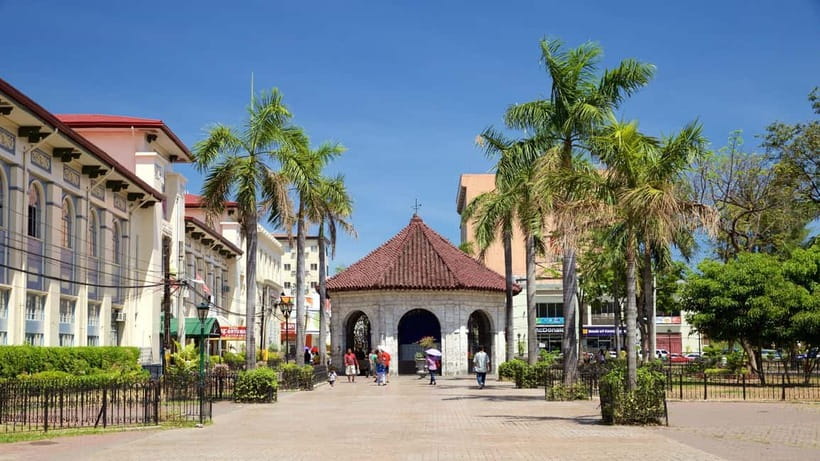
Your guided route begins with Magellan’s Cross, and then continues to the Basilica Minore del Santo Niño de Cebu. These stops are the kind of places where the details matter, because they connect a lot of Cebu’s identity to larger Philippine and Spanish-era narratives.
What I like about this pairing is that it doesn’t feel like two random stops. You get a guided explanation at each one, then you move on while the story is still fresh in your mind. The tour keeps each visit to about 30 minutes, which is long enough to look closely, take photos, and listen, but not so long that you lose the momentum of the day.
Practical note: religious sites can be warm and busy. With a guide controlling the pacing, you can focus on what’s in front of you rather than timing your own movements.
Yap-SanDiego Ancestral House: architecture and trade-era clues
Next comes the Yap-SanDiego Ancestral House, a stop that adds a different angle to the day. If the churches give you the faith-and-colonial thread, this house helps you see how Cebu’s wealth and social structure formed over time.
The visit is guided and timed at about 30 minutes. That’s helpful because these heritage homes can be easy to misunderstand if you’re just looking from the outside. With a guide’s explanations, you’ll likely connect the physical layout and historical background to the people who lived there and the era they represent.
If you’re the type who likes to “read” old buildings, this is one of the stops where your attention can really pay off.
Fort San Pedro photo stop: quick harbor energy and an easy break
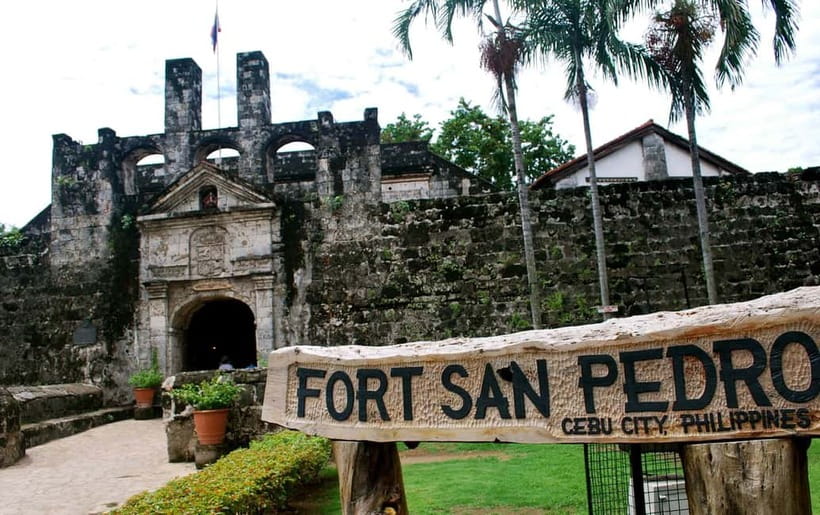
Then you switch to Fort San Pedro, with a photo stop of about 30 minutes. This is a good checkpoint in the tour because it’s less of a deep guided walk and more of a chance to reset and capture a few photos from the outside.
Why I think it works here: after several guided heritage visits, a photo stop gives you a change of pace. You can step back, look around, and take in how the fort fits into the broader story of Cebu’s coastal history.
If you prefer lots of walking, you may want more time here. If you prefer a focused day, the 30-minute block is a decent trade.
Heritage of Cebu Monument and the Taoist Temple: two belief systems, one city view
After Fort San Pedro, you’ll visit the Heritage of Cebu Monument for a guided portion. This stop helps stitch together the “why” of Cebu City landmarks. It’s the kind of place where a guide’s narration can turn static monuments into something you understand as part of a bigger civic identity.
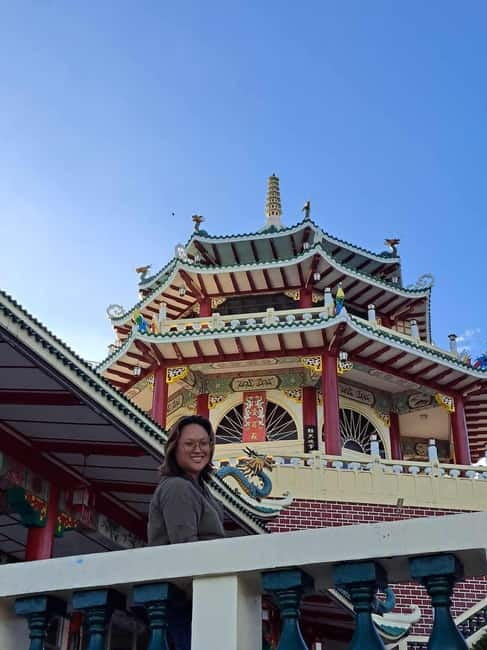
Then you head to the Taoist Temple, also handled with guided time. The benefit of placing it after the monument stop is rhythm. One site supports the civic story, and the next gives you a different tradition and a new visual mood.
This is also where you start to feel the “uphill” character of the route. The roads and viewpoints are part of the experience, and they affect how you see the city below. If you like travel days where you get both meaning and scenery, this section delivers.
Temple of Leah and Sirao Flower Farm: the scenic payoff
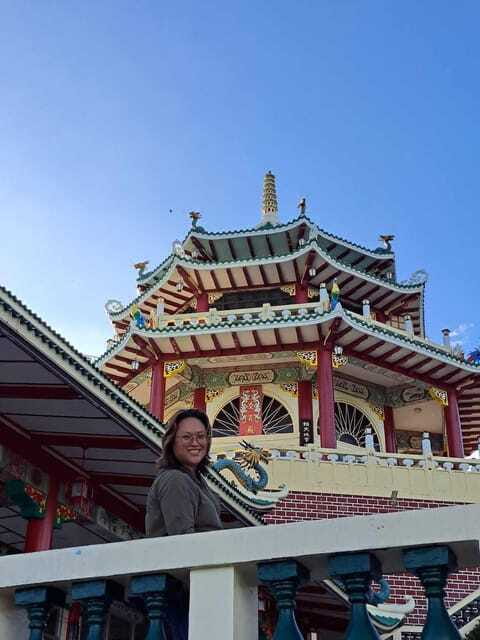
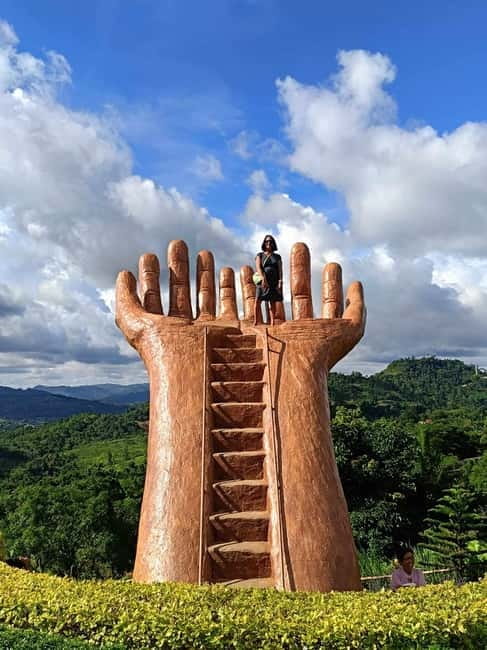
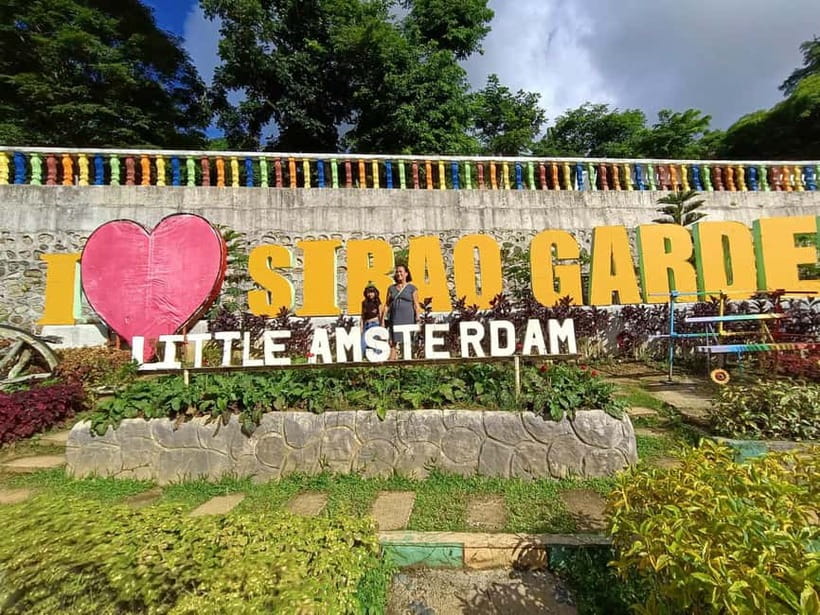
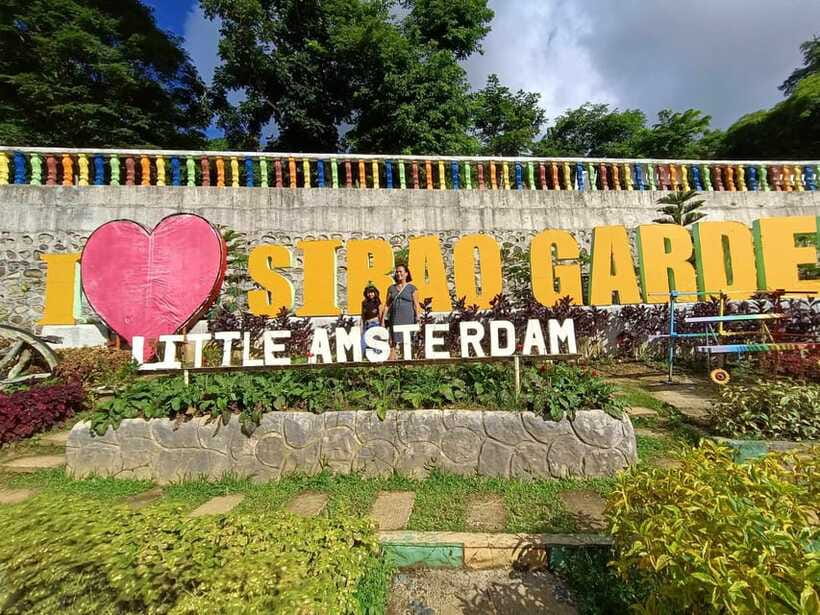
The tour finishes with two sightseeing-heavy stops: Temple of Leah and Sirao Flower Farm, each about 30 minutes.
This is where you cash in on the uphill idea. Temple of Leah is primarily about the view and the setting, while Sirao Flower Farm is known for the garden scenery. One review specifically called out a beautiful colorful garden and the outlook across Cebu City, which matches how these stops tend to feel in person: you see the city from above, and you get a calmer break from the tight schedule of landmark walking.
A quick expectation check: these are timed sightseeing windows, not long wandering sessions. If you love slow, photo-by-photo exploration, you’ll want to take your favorite angles early, since your guide will likely keep the group moving to stay on schedule.
Guides can make or break it: Oliver, Ric, and the storytelling you actually remember
This tour’s biggest strength is the human part. The guides are described as passionate and informed, and their style seems to turn the route into more than a checklist.
Two guide names came up in the feedback I saw:
- Oliver, praised for being professional, friendly, patient, and even using humor and a singing voice. That kind of relaxed energy helps when you’re spending hours in a group setting.
- Ric, described as explaining what’s worth knowing about Philippine history, with strong organization and smooth pacing.
Either way, the guides seem to do the same job: connect what you’re looking at to something you can repeat later. You’re not just collecting photos; you’re collecting context.
If you want an experience that feels guided but not stiff, this is likely a good match.
The value check: what $61 buys you (and what it saves you)
At $61 per person for 4–5 hours, the pricing can make sense when you look at what’s included. You’re getting:
- Air-conditioned transportation
- A professional tour guide
- Applicable entrances and fees
- Bottled water
- A Cebu souvenir
That last item is small, but it signals you’re not paying extra for every little add-on. More importantly, entrances and fees matter because that’s where many city tours quietly balloon.
You also get skip-the-ticket line support, which saves time at busy sites. Even if you’re fine waiting normally, a tour that’s structured around 30-minute blocks is better when lines are reduced.
Not included is also straightforward: personal expenses, and anything not listed. So the best “budget planning” move is to bring only what you realistically need for snacks, souvenirs beyond the included one, and any extra water or transport you might want after the tour ends.
How to make the uphill day feel easy
You can’t change the geography, but you can control your comfort. Here are the moves that help this kind of day go smoothly:
- Wear shoes you don’t mind getting a bit warm or dusty, since you’ll be moving around multiple stops.
- Bring sun protection. Even with breaks, you’ll be outdoors for viewpoints and temple areas.
- Pace your photos. Save your slower, detail shots for the garden and view stops like Sirao Flower Farm and Temple of Leah.
- Keep your phone ready for WhatsApp pickup instructions. It reduces uncertainty when you’re meeting the group.
And if you’re prone to motion sickness, consider sitting where you feel most comfortable in the van. You’ll have driving time between clustered areas, so comfort matters.
Who this tour is best for
This tour shines if you fit one of these profiles:
- You’re short on time in Cebu City but want both cultural sites and hillside viewpoints.
- You want guided context at major landmarks instead of self-guided wandering.
- You’re traveling with someone who appreciates different types of sights in one day: churches, heritage homes, forts, and garden scenery.
It may be less ideal if:
- You have mobility limits or you strongly prefer flat walking routes.
- You hate group pacing and would rather linger for long periods at one location.
The good news: the tour’s structure is predictable. You’re not stuck for hours at any single place, and the transport reduces the hardest parts of getting between stops.
Should you book this Cebu City Heritage and Uphill Tour?
I’d recommend booking if you want a structured, guide-led day that blends Cebu’s key heritage anchors with real uphill viewpoints, without nickel-and-diming entrances. The included transport, guide, entrances, bottled water, and even a Cebu souvenir make the $61 feel more reasonable than “pay-as-you-go” sightseeing.
Skip it if you need a very slow day, you strongly dislike any uphill walking, or you want lots of unstructured time in one location. Otherwise, this is a practical way to get oriented quickly, see a range of cultural sites, and end with scenery that actually lets you take a breath.