REVIEW · KOCHI
Stories of Jew Town: Guided Heritage Walk in Kochi
Book on GetYourGuide →Operated by Lets Go Far · Bookable on GetYourGuide
Jew Town’s history walks right beside you. This guided heritage walk strings together Kochi’s spice-trade past and its faith communities, from Cochin Spice Market aromas to Paradesi Synagogue interiors. It’s a route that feels like chapters in one city, not museum boxes.
I love the small group setup (up to 10), because it keeps the pace human and makes questions easy. I also like how the walking route connects art and daily life: spice commerce, Kerala-style palace details, Jewish landmarks, and Old Syrian Christian architecture all show up in one evening-style loop.
One thing to plan for is the walking. You’ll cover historic lanes and market paths for about 2.5 hours, and it isn’t suitable for wheelchair users, so comfortable shoes and pacing matter.
In This Review
- Key things to look forward to
- Why this walk feels like Kochi, not just history
- Starting at St. George Orthodox Koonan Kurish Old Syrian Church
- The Cochin Spice Market: smell, trade, and street-level context
- Mattancherry Palace (Dutch Palace): Kerala architecture with story in the walls
- Jew Town’s lanes: antiques, galleries, and the cultural overlap you can feel
- The Jewish Cemetery stop: quieter, slower, and full of meaning
- Paradesi Synagogue: Belgian glass, ancient scrolls, and a museum feel
- Price and pacing: why $12 feels fair for what you get
- Guides make or break it: what to expect from the leadership
- What to bring (and what rules you should follow)
- Who this tour suits best (and who may want to skip it)
- Should you book Stories of Jew Town in Kochi?
Key things to look forward to
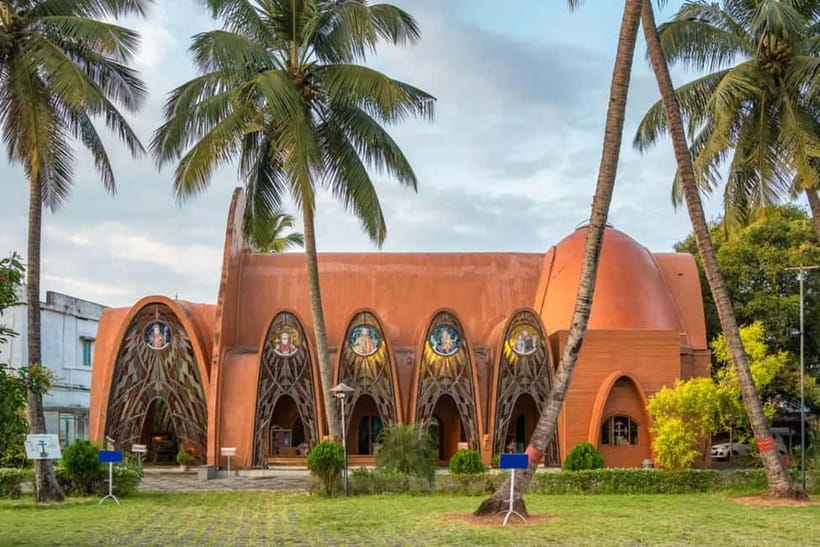
- St. George Old Syrian Church start: you begin with early Christian traditions and standout architecture in Mattancherry
- Cochin Spice Market stop: learn why spices drove trade and what you’re actually looking at
- Mattancherry Palace (Dutch Palace) murals: see Kerala-style design plus Hindu mythology and royal-life paintings
- Jew Town lanes + antique shops: you’ll walk the neighborhood with galleries, cafés, and lingering cultural overlap
- Paradesi Synagogue details: Belgian glass chandeliers, ancient scrolls, and a synagogue museum-style display
Why this walk feels like Kochi, not just history
Stories of Jew Town is built like a real neighborhood stroll with education layered on top. You start in Mattancherry and move through landmarks that represent different communities who shaped Kochi’s identity. The best part is the “why” behind what you see. You’re not only looking at old buildings; you’re learning how trade, religion, and migration shaped the streets around you.
The timing also helps. In about 2.5 hours, you cover enough ground to make the route feel substantial, but not so long that your feet and attention burn out. And because the group is capped at 10, your guide can slow down when questions pop up.
If you’re the type who likes photos, you’ll have plenty of them. But you’ll also have context for what’s worth photographing, like palace mural themes or synagogue objects you might otherwise miss.
You can also read our reviews of more tours and experiences in Kochi.



Starting at St. George Orthodox Koonan Kurish Old Syrian Church

You begin at T D High School in Mattancherry, then head to St. George Orthodox Koonan Kurish Old Syrian Church. This first stop matters because it sets the religious and architectural base for the whole walk. Kochi’s Christian story here is described as ancient, with the church presented as an architectural highlight.
What to pay attention to on arrival:
- How the building reads as part of local Kerala style, not an imported look
- Signs of long continuity in how Christian tradition is practiced and expressed in the area
- How your guide links this start point to later stops in the route
A practical note: early in the walk is when it’s easiest to get your bearings. You’ll want to be awake and listening at this stage, because the later “connections” between places land better when you start with a clear framework.
The Cochin Spice Market: smell, trade, and street-level context
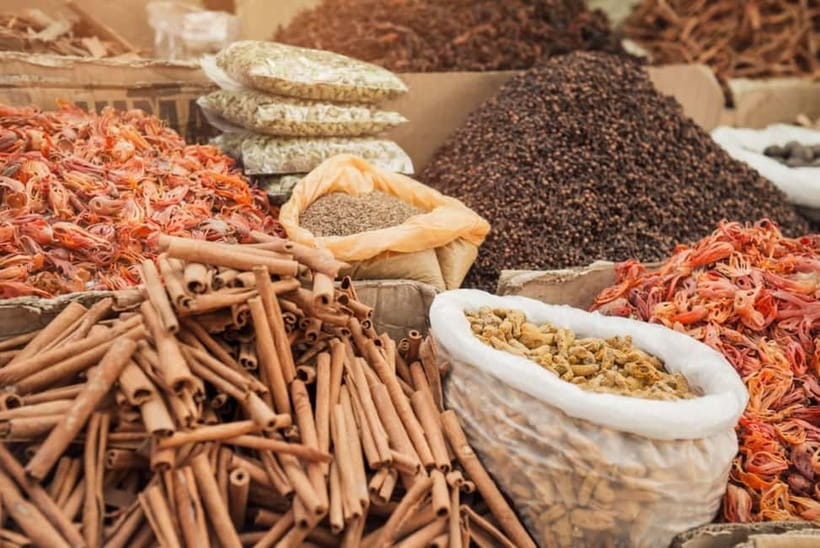
Next comes the Cochin Spice Market, and this is where the experience turns from landmark-focused to sensory. You’ll be surrounded by spices, colors, and lively vendors. Your guide’s role here is key: you’re learning why spices mattered to Kochi’s trade heritage, not just what spices look like.
What makes this stop valuable for you:
- You’ll connect the dots between market goods and historical wealth—spices weren’t a side thing; they were a driver.
- Your guide helps you interpret what you see, which makes the market feel more understandable and less like random shopping chaos.
Keep in mind the practical side. Markets mean heat, standing time, and strong smells. Bring the basics your day will demand: water, sunglasses, sunscreen, and a sun hat. If you’re someone who gets overloaded by crowds or scents, aim to stay close to the guide so you don’t get separated in the busiest stretches.
Mattancherry Palace (Dutch Palace): Kerala architecture with story in the walls
Then you move to Mattancherry Palace, often called the Dutch Palace. The focus here is architecture plus storytelling. Expect Kerala-style design and intricate murals showing Hindu mythology and royal life.
This is one of the stops where a guide can really change the whole experience. Murals are easy to look at and hard to interpret if you don’t know what you’re seeing. The way this walk is framed gives you a “read” on the palace walls: what the imagery suggests, how it connects to royal culture, and why the palace matters in Kochi’s layered identity.
On the ground, I’d watch for:
- The way Kerala design elements show up in a European-era label (Dutch Palace is the common name, but the style you’re seeing is deeply Kerala)
- Mural scenes that relate to court life and mythology, which helps you connect the visuals to the human world that lived there
If you like art, slow down during this stop. Taking in murals takes time, and the walk’s pace gives you just enough breathing room to do it properly.
Jew Town’s lanes: antiques, galleries, and the cultural overlap you can feel
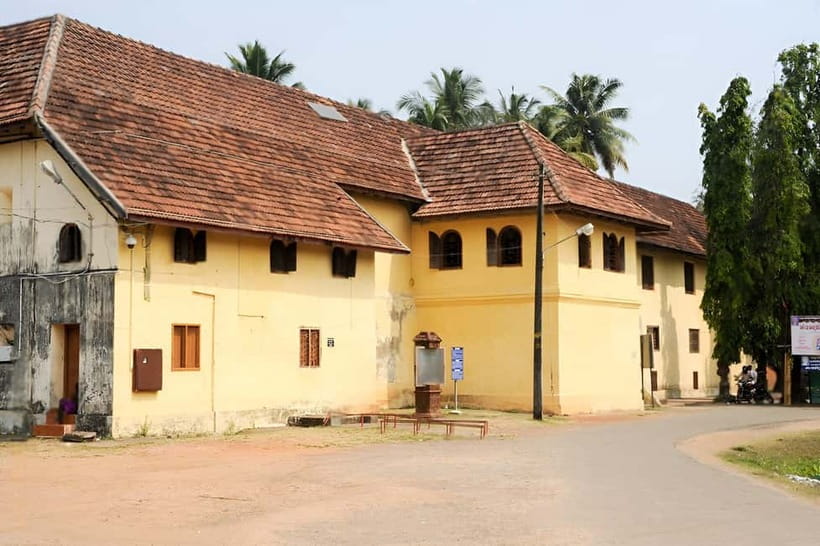
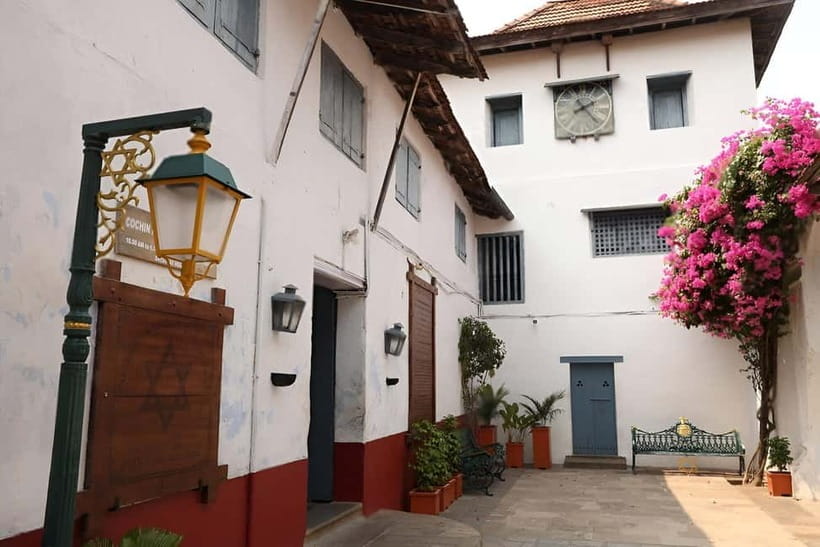
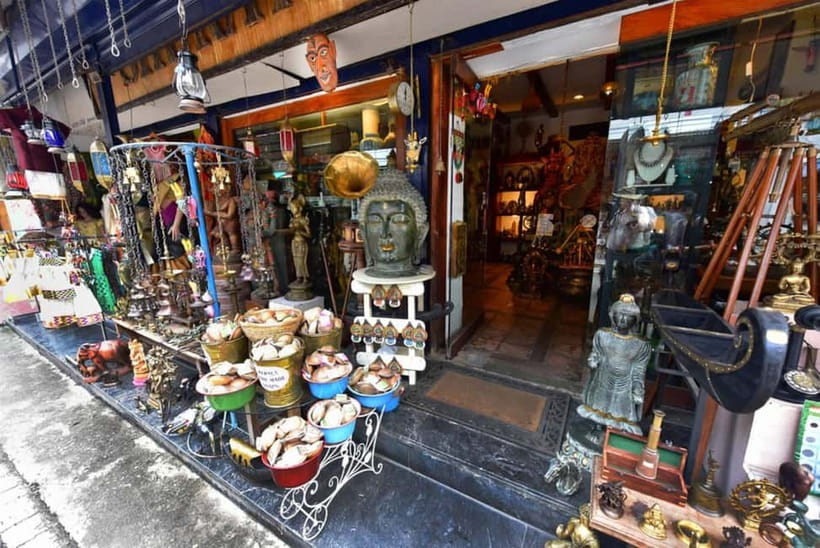
After the palace, you head into Jew Town, Kochi—a neighborhood of charming lanes with antique shops, art galleries, and cafés. This part is less about one monument and more about how a place “feels” when different communities overlap over centuries.
You’ll also get one of the most meaningful transitions of the day: from grand architecture to the everyday scale of streets. That matters because history isn’t only in big buildings. In Jew Town, it’s in storefronts, local businesses, and the way the neighborhood holds onto old identities even after communities shrink.
What you can look for as you walk:
- Old-world shopfront details and how antiques and art are treated like living culture, not just collectibles
- Any signage, symbols, or remnants your guide points out
- Moments when the guide ties street life back to religious and trade connections
A few past groups have described extra layers beyond the fixed landmarks—like spending time with artists, sometimes including visiting an artist’s home and speaking with creatives directly. That kind of interaction is why this neighborhood stop works so well. It turns Jew Town from a history lesson into something more human.


The Jewish Cemetery stop: quieter, slower, and full of meaning
You’ll also visit a Jewish Cemetery, described as serene and tied to Kochi’s multicultural heritage and the once-thriving Jewish community. This is the emotional “breather” in the route.
For your mindset, approach this stop with the right tone:
- Take your time. This part doesn’t reward rushing.
- Use your guide’s context to understand the legacy and contributions of the community in Kochi’s cultural fabric.
One consideration from experience shared by other visitors: access to older graveyard areas may be limited. You might only be able to view certain sections from outside a fence. That’s not the guide’s fault, but it’s worth knowing so expectations match reality.
Paradesi Synagogue: Belgian glass, ancient scrolls, and a museum feel
The walk finishes at Paradesi Synagogue, one of the oldest active synagogues in India. The details you’re told to look for are specific: Belgian glass chandeliers, ancient scrolls, and the synagogue’s long history.
This stop tends to be memorable because it’s both beautiful and informative. You’re not walking into a vague “old building.” You’re seeing named features and objects your guide points out, and you also get museum-style context—some visits include basic Judaism 101 material displayed alongside antique ritual objects.
If you care about photography, this is where it often pays to ask your guide what’s best to capture. Lighting can vary, and synagogues may have areas where you’ll need to be careful with how you position yourself.
Also keep the emotional weight in mind. This isn’t just architecture you’re viewing; it’s a living religious site. Dress and behavior should be respectful, and you’ll get the best experience when you treat this stop as the close of the story, not a final sightseeing checkbox.
Price and pacing: why $12 feels fair for what you get
At about $12 per person and roughly 2.5 hours, this walk is priced as a value option compared with how many major stops you cover. You’re paying for:
- A live English/Hindi guide
- Guided access and interpretation for key heritage sites
- Time with multiple neighborhood layers, including Jew Town and the cemetery
- Small-group pacing (limited to 10 participants), which keeps it interactive
Is it “cheap”? Yes, in the sense that it’s not a long private tour price. Is it “lightweight”? Not really. You’ll cover several major places plus walking between them, and the guide does the heavy lifting by connecting the dots between Christian traditions, spice trade, palace art, and Jewish heritage.
Two practical tradeoffs:
- Because it’s a walking route through historic streets and markets, you need stamina for a compact program.
- The route is structured. If you want to spend extra time only in one place, you may feel a little rushed at some stops, especially during market and synagogue transitions.
Guides make or break it: what to expect from the leadership
This is a guided experience, and the guide quality is consistently highlighted in previous groups. Names like Dominic, Sajeev, and Satish come up repeatedly, with praise for deep local understanding and a calm focus on comfort.
What that means for you:
- You can expect explanations that connect places, not just facts read from a page.
- You’ll likely get practical route guidance so the day stays smooth.
- In some groups, there are added moments like stopping for a chai break or coordinating time around local artists and studios.
Because guides operate the walk in real time, your best move is to bring your curiosity. Ask questions about anything you notice—symbols, murals, market items, or street details. The small group size is designed for that.
What to bring (and what rules you should follow)
Plan your day like a market-and-museum hybrid:
- Comfortable shoes (this is a walking tour)
- Water
- Sunglasses, sun hat, sunscreen (sun and heat are real on walking routes)
- Some cash (useful for small purchases)
And a couple of clear restrictions:
- Intoxication, alcohol, and drugs aren’t allowed.
That last point matters because it keeps the vibe respectful at heritage sites and in enclosed religious spaces.
Who this tour suits best (and who may want to skip it)
This walk is a great match if you:
- Want one compact route that ties together Christian, Jewish, and trade history in Kochi
- Like walking neighborhoods where shops and art are part of the story
- Appreciate guides who can explain what you’re seeing rather than just point and move on
It’s less ideal if you:
- Need wheelchair accessibility (it isn’t suitable for wheelchair users)
- Prefer minimal walking or hate market crowds
- Want only one or two major stops and lots of time for slow sightseeing inside
Should you book Stories of Jew Town in Kochi?
I’d book it if you want a focused heritage walk that gives context to both famous landmarks and the smaller streets that connect them. The mix of St. George Church, Spice Market, Mattancherry Palace, Jew Town, the Jewish Cemetery, and a finish at Paradesi Synagogue makes the day feel full without turning into an all-day marathon.
Skip it or adjust your expectations if you need mobility support, or if you’d rather spend most of your time in one single site instead of moving through several in one run. Also, if you’re hoping for maximum detail on Jewish community customs beyond the sites themselves, you might want to add extra reading or a separate focused visit.
If you’re ready to walk, look closely, and ask questions, this tour is the kind of Kochi experience that sticks with you after the photos fade.