REVIEW · COLORADO SPRINGS
Colorado Springs: Guided Ghost Story and History Tour
Book on GetYourGuide →Operated by JNSemprise · Bookable on GetYourGuide
One quick step outside the Antlers and the past starts talking. This 90-minute walking ghost story adds spooky legends to real city locations, with an entertaining storyteller and lots of period details. I especially like how the tour ties together the Railroad-era murders and underground 1918 Spanish Flu aftermath, not just random scary claims. The main drawback is simple: it runs on foot and stays closer to outdoor walking and storytelling, so wear comfortable shoes and plan for it to run a bit long on busy nights.
You’ll pass a string of well-known stops in Colorado Springs while hearing about Judge Baldwin, the Rabbit Hole (linked with the city morgue in the 1900s), and La Burla Bee, which is said to hold several ghosts. You can also expect story beats involving black mists, moving objects, and chilling apparitions. If you want a full-on gadget experience, note there’s no EMF detector included.
In This Review
- Key things to know before you go
- First stop: The Antlers Hotel and Judge Baldwin’s atmosphere
- The Rabbit Hole and the city morgue legend (and why it hits harder)
- Cheyenne Building and the city’s “in-between” stories
- La Burla Bee: ghosts, legend, and playful dread
- Spanish Flu 1918 and the underground that stories won’t let go
- The former YWCA, a tragedy, and what it means for local memory
- Underground tunnels and the old City Auditorium connection
- Colorado Mining Exchange: the practical boom that fuels ghost stories
- Peak Theatre and the loop back to the Antlers
- Price and value: $28 for a story you can’t get on your own
- Who this tour is perfect for (and who should skip it)
- Should you book the Colorado Springs Guided Ghost Story and History Tour?
- FAQ
- How long is the Colorado Springs ghost and history walking tour?
- How much does the tour cost?
- Where do I meet for the tour?
- What language is the tour in?
- Is an EMF detector included?
- Is the tour wheelchair accessible?
- What stops are included during the walk?
- What kinds of stories will I hear?
- Can I reschedule or cancel if plans change?
Key things to know before you go
- Stories tied to specific addresses and landmarks, so you’re not just hearing vague ghost talk.
- Spanish Flu 1918 pop-up morgues and crematoriums are part of the narrative, with spirits still linked to the underground.
- Video evidence is sometimes shown on the guide’s phone during stops.
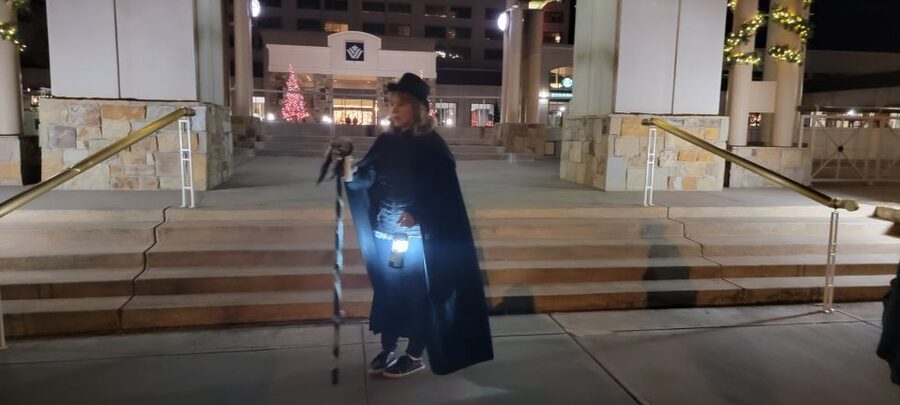
- Full regalia storytelling keeps the tone theatrical without turning it into pure comedy.
- Tour timing can stretch, especially with larger groups, so don’t schedule a tight plan right after.
- Ending where you started makes it easy to roll straight into dinner or a nightcap.
First stop: The Antlers Hotel and Judge Baldwin’s atmosphere
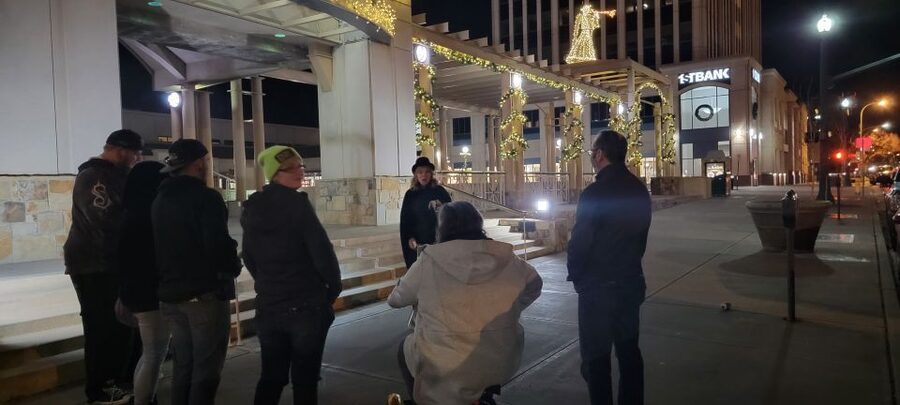
The tour begins at The Antlers, A Wyndham Hotel, right by the Palmer arch. It’s an easy meet-up spot, and the setting matters. The Antlers has that classic old-building vibe that helps the stories land—before you even get moving.
Early on, you’ll hear about Judge Baldwin and other spirits. That’s a good choice for a first stop. Instead of starting with the scariest place on the map, the guide builds context: who had power in Colorado Springs, what the city looked like in earlier decades, and why certain names keep resurfacing in ghost lore. And yes, the guide is typically in full regalia, so the mood shifts quickly from normal tourist strolling to night-story mode.
What I like most here for your practical planning: this first segment sets your expectations. You’ll know whether the guide leans more into historical detail, paranormal legends, or a mix—and that helps you enjoy the rest of the route instead of getting surprised later.
You can also read our reviews of more tours and experiences in Colorado Springs.

The Rabbit Hole and the city morgue legend (and why it hits harder)
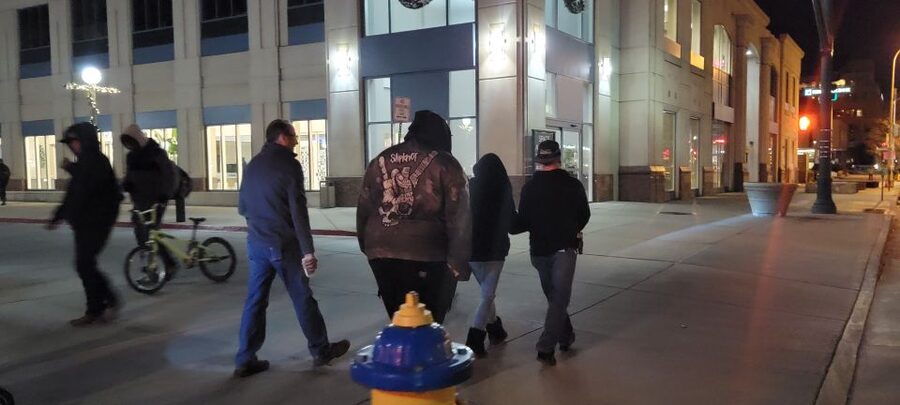
After the opening, you head toward the Rabbit Hole. The story thread attached to this stop is grim: the premises housed the city morgue in the 1900s. Whether you take the paranormal parts literally or treat them as legend, the foundation is what makes this stop effective—the idea that the building’s purpose changed over time, and that echoes linger.
You’ll also hear about creepy goings-on tied to the Rabbit Hole. The tour keeps it moving, but it lingers on the emotional weight of the site. A good ghost tour doesn’t just say something happened. It helps you understand why people would remember it, fear it, or build stories around it.
One tip for your comfort: this is not a tour that tries to shock you with gore. It’s more about atmosphere, reported sightings, and connecting history to places you can actually stand in. Still, if you’re sensitive to medical-mortality themes, expect the tone to get darker at least once.
Cheyenne Building and the city’s “in-between” stories
Next up is the Cheyenne Building. This is the kind of stop that works best on a walking tour: you can see the structure, look up at details, and let the guide connect the dots between architecture and local lore.
This part of the tour tends to focus on the way certain buildings get wrapped into the paranormal stories of a city. You might hear mentions of apparitions and strange activity—things like mysterious black mists and moving objects. Even when you’re skeptical, the guide’s pacing keeps the stories tied to what’s around you, not just a random slideshow of claims.
For you, the value here is that it changes how you look at normal downtown structures. After this stop, you’ll probably spot how many places in Colorado Springs have long histories of changing ownership and use.
La Burla Bee: ghosts, legend, and playful dread
La Burla Bee is another major stop on the route, and it’s known—at least in tour lore—for housing several ghosts. If the Antlers gives you the formal start, and the Rabbit Hole gives you the darker grounding, this stop often feels like the turning point into more purely paranormal stories.
I like this balance because it keeps the tour from becoming one-note. You move from the history-linked “how could this be remembered?” ideas into the more classic ghost-story mode: repeated sightings, strange events, and the feeling that a place has a memory.
If you’re traveling with friends, this is also a good location to share a quick laugh after the heavier sites. The stories have that slight theatrical edge thanks to the guide’s regalia and storytelling style—plus the humor mentioned in guide experiences from other nights.
Spanish Flu 1918 and the underground that stories won’t let go
One of the most compelling segments is the discussion of the Spanish Flu of 1918 and the pop-up morgues and crematoriums that emerged during that crisis. The tour ties this event to spirits that many believe are still wandering in the underground.
This is where the tour earns its “history plus paranormal” promise. The flu story isn’t just background color—it helps explain why cities end up with long-lasting haunting legends. When so many people die quickly, traditional systems get overwhelmed. People remember the emergency measures. They remember the fear. And over time, rumor takes over where records leave gaps.
The tour also points you toward the idea of the underground—spirits lingering where activity happened long ago. Even if you don’t treat everything as factual, the human logic is strong: mass tragedy tends to generate stories, and those stories often attach to specific places and pathways.
The former YWCA, a tragedy, and what it means for local memory
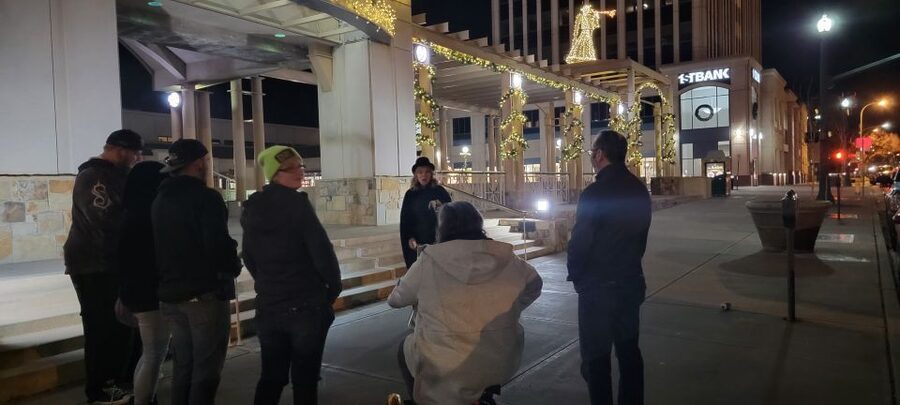
The route includes the former YWCA and a tragic event associated with it. The guide uses this stop to show how personal loss becomes part of city legend. It’s not just about the building itself—it’s about how people in Colorado Springs kept telling the story after the fact.
This is also a good stop for understanding tone. If the tour ever veers too far into pure “spooky stuff,” the guide can pull it back by anchoring it in documented human suffering and the way community memory works.
For you, it’s worth mentally switching from tourist mode to listening mode here. Stand still for a moment. Look around. Think about what the building would have meant in earlier decades. That’s when these stories get their weight.
Underground tunnels and the old City Auditorium connection
Another standout element is the discussion of underground tunnels that led to the old City Auditorium. Tunnels are always good story fuel: they imply hidden movement, secret passage, and a layer of the city most visitors never see.
And here, the guide links those hidden connections to the paranormal claims. If you’ve ever wondered why some haunting legends feel “closer” than others, it’s because tunnels make the imagination work harder. Even if you don’t believe in spirits, you can understand why people would think something could move beneath your feet.
The practical upside: you don’t need special gear. You’re hearing a guided narrative and seeing the city as a layered place—surface streets above, older structures and pathways below in the legend.
Colorado Mining Exchange: the practical boom that fuels ghost stories
The tour includes the Colorado Mining Exchange, and this is where the story widens out from single-site legends to the city’s larger economic engine. Mining shaped Colorado Springs in big ways. Trade, money, and power tend to leave behind both proud history and dark corners.
For ghost stories, those “boom years” matter. Wealth and rapid growth often mean crowded conditions, risky work, and institutions changing hands fast. The guide uses these connections to help you understand why certain buildings and names keep resurfacing in local lore.
As a visitor, you’ll come away with a clearer sense that the hauntings aren’t floating in space. They’re attached to how the city developed—why certain areas mattered, and how the past kept moving into the present.
Peak Theatre and the loop back to the Antlers
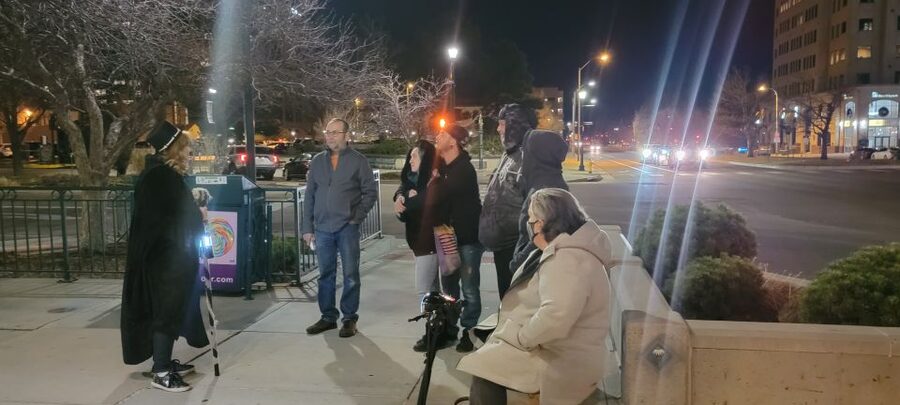
You’ll also visit Peak Theatre as part of the walking route. The guide uses theatre spaces well in these tours: they’re places where crowds gather, emotions run high, and stories get performed—sometimes to the point where people start believing the building itself participates.
Then it’s time to head back to the Antlers to end the evening of history and paranormal. Ending at the start is more than convenience. It helps your brain “close the loop.” You started in a polished hotel lobby mood, and you end with your sense of the city altered—in a way that sticks.
One small planning note: the tour is listed for about 90 minutes, but it can run a bit long. On at least one night, it went past two hours, even when the group didn’t get cut off. So keep your post-tour plans flexible, especially if you’re meeting someone or catching a show.
Price and value: $28 for a story you can’t get on your own
At $28 per person, this is priced like a true walking-tour deal: one guide, multiple stops, and a full evening narrative rather than a quick stop-and-go experience. The value is strongest if you’re the type of traveler who likes being led—someone doing the connecting for you while you watch and listen.
Also, this isn’t a “buy a gadget and wander” tour. You pay for an experienced storyteller in full regalia, with English narration and a clear route through places tied to murders, flu-era crises, and ongoing ghost legend. Even better, some guides show video evidence on their phone at certain landmarks, so the tour gives you more than just words.
If you’re traveling with a group, the price stays simple: one ticket gets you the whole route. If you’re solo, it can still be a great buy because the guide style and group energy tend to keep the time moving.
The only real cost is time and shoes. You’ll be walking and standing while the guide tells stories. If you hate that format, you might feel restless. If you like it, this price is hard to beat.
Who this tour is perfect for (and who should skip it)
This is a great fit if you:
- enjoy ghost stories but want them tied to real locations
- like urban history and how cities reuse buildings over time
- want a guide who mixes humor with darker material
- prefer a guided night walk rather than a self-guided app
It may not be ideal if you:
- want lots of hands-on paranormal gear (none is included, including no EMF detector)
- strongly dislike walking tours or don’t handle uneven nighttime pacing well
- only want “light” entertainment and not the flu/morgue/murder themes
If you’re on the fence, think about your favorite kind of travel evening. This one is for people who like hearing a story in the exact place where it supposedly began.
Should you book the Colorado Springs Guided Ghost Story and History Tour?
Yes, I’d book it if you want a guided night walk that mixes local history with haunting legends in specific, recognizable locations. The combination of the Antlers start, the Rabbit Hole morgue connection, Spanish Flu underground stories, and stops like the Cheyenne Building and La Burla Bee makes it feel like a real circuit, not random wandering.
Skip it only if you want a strictly academic historical tour or you’re looking for a fully technical paranormal setup. Otherwise, you’ll get your money’s worth in story, mood, and the kind of city-view shift that sticks long after you’re back in your hotel.
FAQ
How long is the Colorado Springs ghost and history walking tour?
It runs about 90 minutes.
How much does the tour cost?
The price is $28 per person.
Where do I meet for the tour?
Meet in front of the Antlers at the Palmer arch by the sidewalk.
What language is the tour in?
The tour is conducted in English.
Is an EMF detector included?
No. An EMF detector is not included.
Is the tour wheelchair accessible?
Yes, it’s wheelchair accessible.
What stops are included during the walk?
The route starts at the Antlers, A Wyndham Hotel and includes stops such as the Rabbit Hole, the Cheyenne Building, La Burla Bee, the Colorado Mining Exchange, and Peak Theatre. It also covers stories tied to places like the former YWCA, the old City Auditorium (via tunnels), and underground areas.
What kinds of stories will I hear?
You’ll hear tales involving apparitions, mysterious black mists, moving objects, and other paranormal claims, alongside historical topics like the Judge Baldwin story and the Spanish Flu of 1918, including pop-up morgues and crematoriums.
Can I reschedule or cancel if plans change?
There is free cancellation up to 24 hours in advance for a full refund, and you can reserve now and pay later.