REVIEW · BUDAPEST
Budapest: Jewish Heritage Guided Tour with Synagogue Ticket
Book on GetYourGuide →Operated by Hungaria Koncert Ltd. · Bookable on GetYourGuide
Budapest’s Jewish sites hit hard, and teach fast. I love the skip-the-line entry that gets you into key places without fuss, and I love how the guide connects what you see—synagogue architecture, museum rooms, memorial parks—to the people behind the story. One heads-up: it is not suitable for wheelchair users, and you’ll do steady walking on uneven streets.
This is a focused 2–4 hour walk through the Pest Jewish Quarter, built around the big emotional arc: community life, cultural identity, then the devastation of the Holocaust, and finally remembrance and survival. Expect ornate buildings, sobering monuments, and a guide who can answer the real questions you’ll have as you move from site to site.
In This Review
- Key takeaways before you go
- A fast way to understand Budapest’s Jewish Quarter
- Meeting up and choosing your starting point
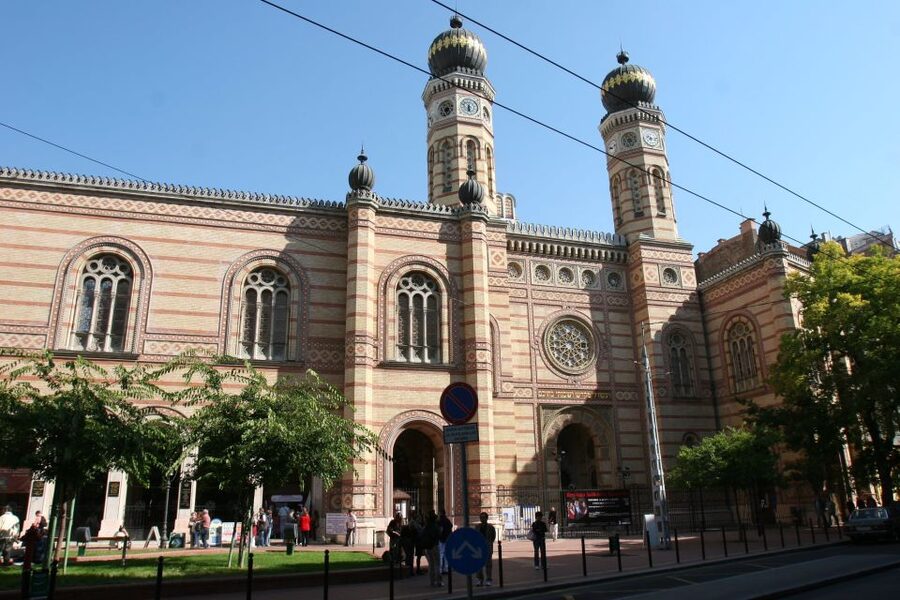
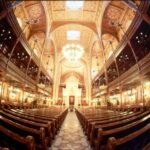
- Dohány Street Synagogue: Europe’s largest synagogue, up close
- Jewish Museum Budapest: context you can feel
- From memorials to names: Raoul Wallenberg and Martyrs’ Cemetery
- Rumbach Street Synagogue: Moorish Revival in the 4-hour option
- Kazinczy Street Synagogue and the Ghetto Wall exhibition
- Tour pace and how the guide shapes your experience
- Price and value: is $81 worth it?
- Who should book this tour (and who might want something else)
- Should you book this Budapest Jewish Heritage Guided Tour?
- FAQ
- How long is the Budapest Jewish Heritage guided tour?
- What does the tour price include?
- Where does the tour start?
- Is this tour wheelchair accessible?
- What should I bring and wear?
- What is the cancellation and payment flexibility?
Key takeaways before you go
- Skip-the-line synagogue entry saves time and keeps the pace smooth
- Dohány Street Synagogue interiors are a must-see, not just a photo stop
- Jewish Museum Budapest blends art, everyday life, and Holocaust commemoration
- Raoul Wallenberg Memorial Park and Martyrs’ Cemetery give the story a physical place to stand
- Rumbach Street Synagogue’s Moorish Revival style is a standout (4-hour option)
- Guides like Benjamin, Orshi, Suzanne, Scilla, Ursula, and Barbi are often praised by name for clear, human storytelling
A fast way to understand Budapest’s Jewish Quarter
Budapest can feel big and layered. This tour gives you a tight path through one of the city’s most meaningful areas, where history shows up in stone, street layout, and architecture.
The value here is not just ticking off attractions. It’s the order of the stops. You start with landmarks that signal community presence—especially the synagogues—then you move into museum context that explains what Jewish life looked like, including traditions and holidays. After that, you hit the memorial spaces, where the mood changes and the story becomes less about artifacts and more about lives lost and people trying to protect others.
You’ll also learn how Hungarian Jewish life changed over time, and how today’s community connects its past to the present. That’s the emotional through-line that makes this walk feel more like a guided narrative than a checklist.
You can also read our reviews of more tours and experiences in Budapest.


Meeting up and choosing your starting point
Your meeting point can vary depending on the option you book. In practice, you’ll start either near Dohány Street Synagogue or at the Jewish Museum Budapest.
Why this matters: starting location affects how the tour flows for you. If you start at Dohány Street Synagogue, you get the biggest architectural impact early. If you start at the museum, you ease into the story with context first, then you’ll head into the synagogue experience. Either way, the overall route keeps the same core themes.
Before you go, pack like this:
- Bring a passport or ID card
- Wear comfortable shoes (there’s walking)
- Leave pets and large luggage behind, since they’re not allowed
- If you use mobility aids, note the tour is not wheelchair-friendly
Dohány Street Synagogue: Europe’s largest synagogue, up close
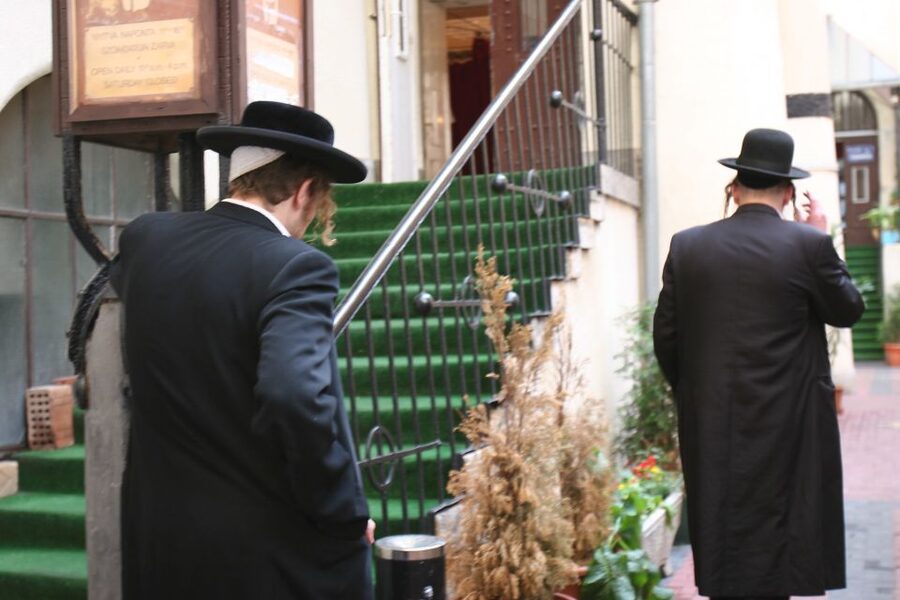
Dohány Street Synagogue is the first big emotional marker on the route, and it earns its reputation fast. Exteriors are impressive, but the real impact comes when you step inside.
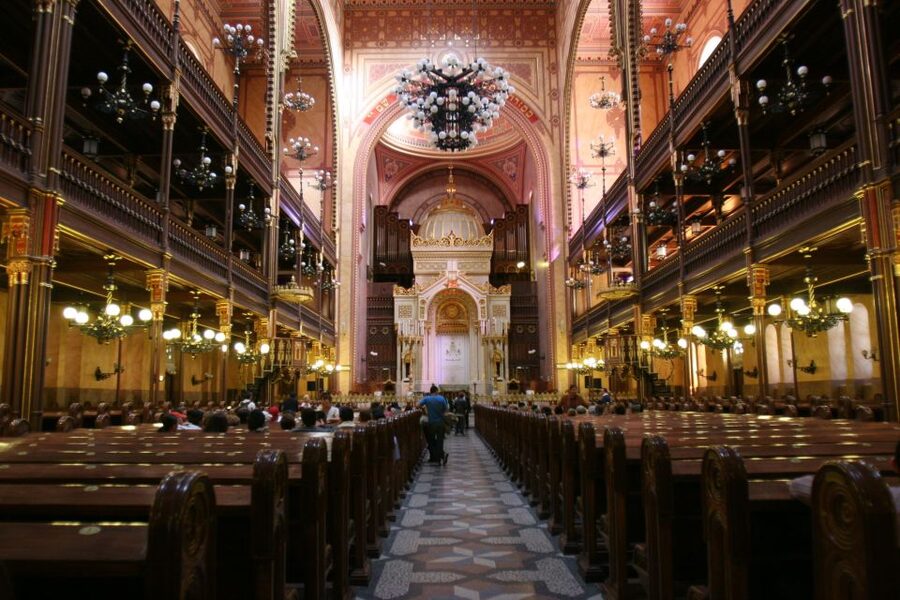
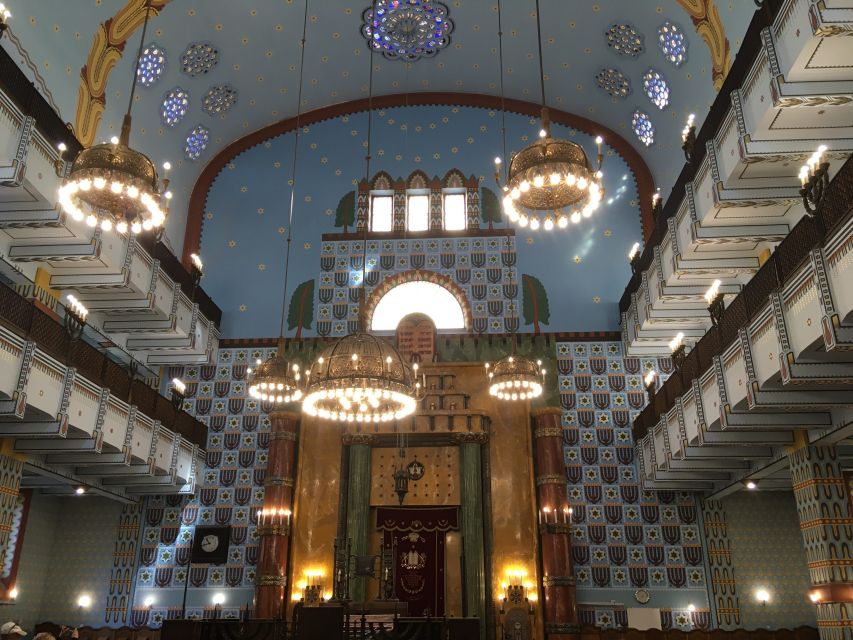
The tour includes entry to the Dohány Street Synagogue, with help skipping the line via a separate entrance. That matters because this site can be busy. Losing time in queues would be a waste here, since the interior is where the story really takes shape—high ceilings, ornate details, and the sense of scale that tells you how central this building was to community life.
You’ll also hear how this synagogue fits into broader Hungarian Jewish history. The guide’s job is to connect the architecture and location to real community experience: gathering, identity, education, and resilience.
One more practical point: this is a place where you’ll probably want a moment to look up and take it in. If you rush, you’ll miss the details that make the building feel alive rather than just grand.
Jewish Museum Budapest: context you can feel
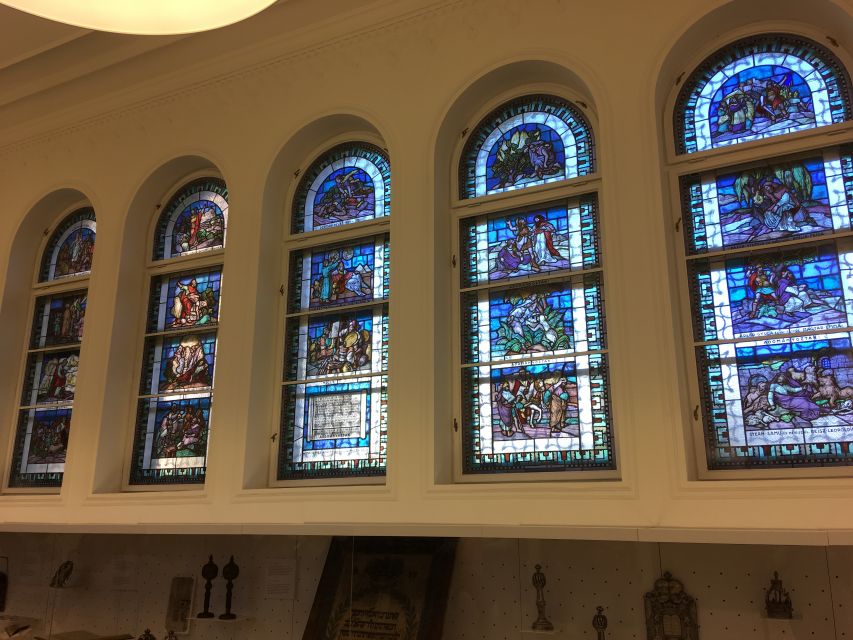
After the synagogue, the tour shifts to the Jewish Museum Budapest, and that’s where many people feel the tour becomes more than sightseeing.
You get guided entry to the museum, which is important because the museum rooms cover a lot: artifacts and displays connected to generations of Jewish heritage across Hungary and Eastern Europe, plus explanations of Judaism—holidays and everyday life. The museum also dedicates a separate room to commemorate the Hungarian Holocaust and those who perished.
That layout changes the experience. Instead of treating the Holocaust as one section among many, the museum builds a dedicated space for commemoration. For you, that means the emotional weight lands in a clear, structured way.
A useful expectation to have: you might not be able to read every label. The tour is designed for guided understanding, not museum marathon time. This is a good thing if you want clarity and narrative. It’s a drawback only if you’re the kind of visitor who needs long stretches to read slowly and cover every display.
If you like asking questions, this is the part where you’ll benefit most. Many guides on this route are praised for two-way conversation, not just a one-direction lecture.
From memorials to names: Raoul Wallenberg and Martyrs’ Cemetery
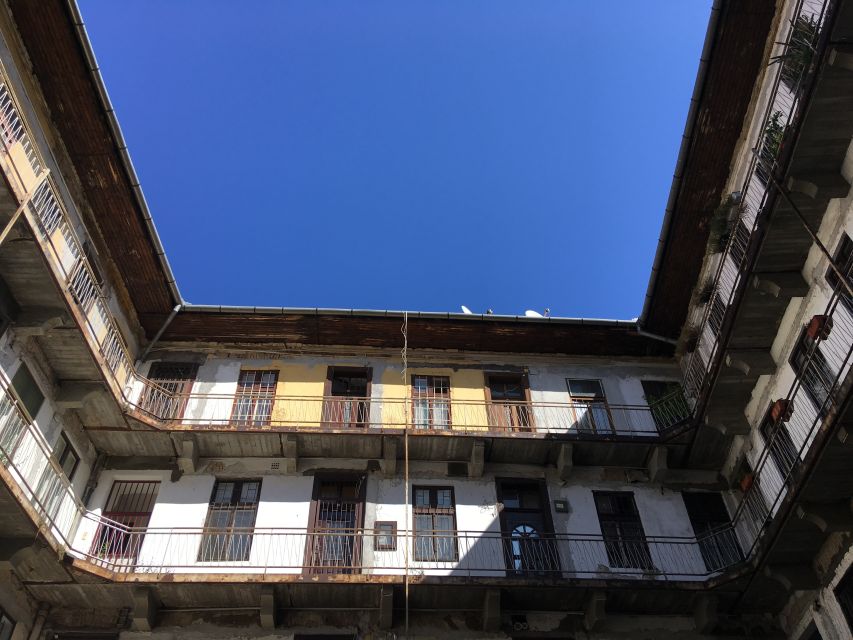
Once the tour leaves the museum, it moves into remembrance spaces that feel more personal than the words can describe.
You’ll visit the Raoul Wallenberg Memorial Park, including the Tree of Life, and you’ll also stop at the Martyrs’ Cemetery. The itinerary also includes the Heroes’ Temple as part of the walking sequence.
What I like about this part of the route is that it doesn’t just say tragedy happened. It gives you a set of locations that represent how people remember, honor, and keep moving forward. You’re asked to stand in places built to hold memory—quietly, respectfully, and with time to look around.
If you’re visiting Budapest for a short stay, don’t skip this section just because it’s emotional. This is the moment when the tour stops being about buildings and becomes about human stakes. It also makes your later time in the city more meaningful, because you’ll recognize how the Jewish Quarter’s story shaped the broader city.


Rumbach Street Synagogue: Moorish Revival in the 4-hour option
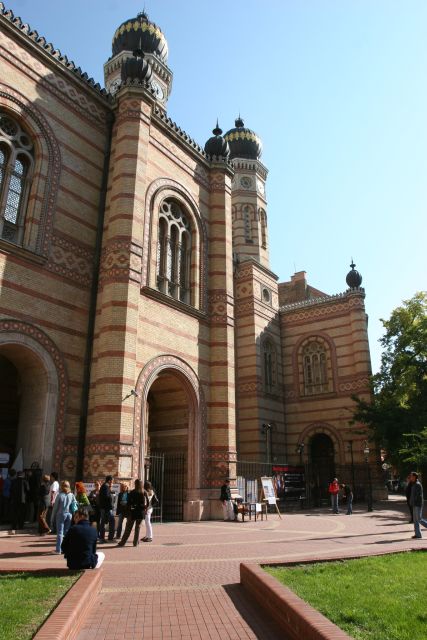
If you book the longer option, you’ll add the Rumbach Street Synagogue. The headline here is architecture: it’s known for Moorish Revival style, and the exterior and overall feel can look striking against the surrounding streets.
The tour description says you’ll enter the Rumbach Synagogue in the 4-hour option, so you’re not just getting a look from the sidewalk. For many visitors, this is the payoff moment when Budapest’s Jewish heritage stops being one single narrative and becomes a set of visible styles, eras, and community needs.
Even if you already love architecture, I think this stop works best because the guide ties it back to what you’ve already learned. You’re not seeing a cool building in isolation. You’re seeing how different Jewish communities expressed identity through place.
Kazinczy Street Synagogue and the Ghetto Wall exhibition
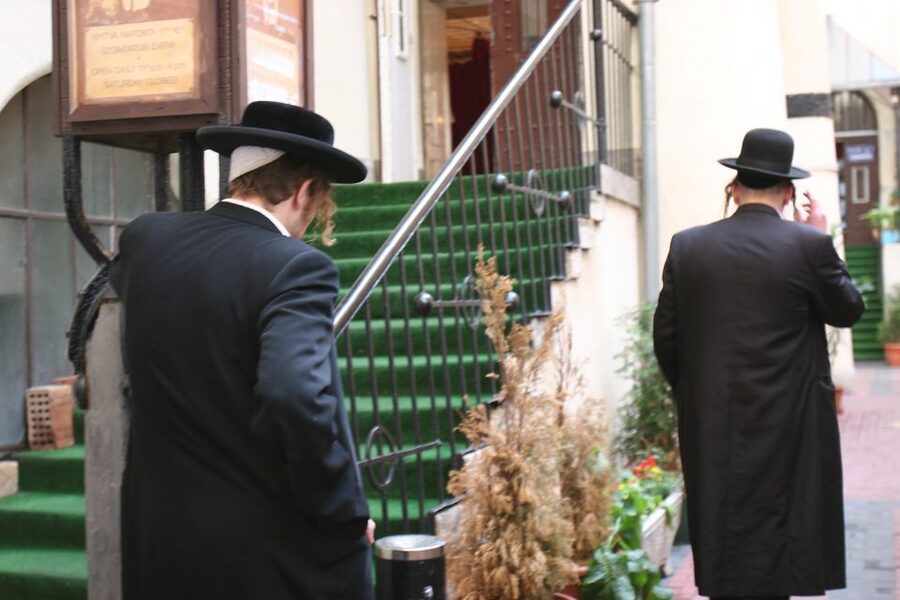
The walking route also includes stops such as Kazinczy Street Synagogue and, on the longer option, the Ghetto Wall with exhibition.
These are the kinds of locations that reward attention. Even if you only see them briefly, they help you connect the dots between what survived, what was changed, and what the city decided to preserve as evidence.
The Ghetto Wall exhibition is included only on the 4-hour option, so if you’re serious about understanding the physical traces of the ghetto, that extra time is worth it. This part can be a heavy read, but it’s also one of the most direct ways to understand how history shows up in the built environment.
Tour pace and how the guide shapes your experience
You’re paying for more than ticket access. You’re paying for someone to explain what you’re seeing while you walk.
One pattern shows up again and again in the experience: guides tend to be praised for clear structure and for inviting questions. Names mentioned by guests include Benjamin (often singled out), plus Orshi, Suzanne, Scilla, Ursula, and Barbi. Even if you don’t get the exact same guide, the tour’s style seems consistent: story-first, Q-and-A friendly.
Pace is also built into the design. The tour lasts 2–4 hours, and the stops are spaced so you’re not stuck in one location for too long. That’s helpful if you’re on a tight schedule. It also means museum time can be quick compared with a solo visit—great for guided clarity, less great if you want to read every single label.
If you want to maximize your experience:
- Go in ready to ask questions, especially about what you see in the synagogue interiors and how the museum connects daily life to historical events
- Take short pauses for photos and for looking up, then rejoin the narrative so you don’t lose the thread
Price and value: is $81 worth it?
At $81 per person for 2–4 hours, the price sits in the middle for a guided experience in a major European city. What makes it feel fair is the mix of paid entry points and the time-saving details.
You get:
- A guided walking tour
- A live English-speaking guide
- Entry to the Jewish Museum
- Entry to the Dohány Street Synagogue
- Entry to Raoul Wallenberg Memorial Park (as listed)
- On the longer option: entry to Rumbach Synagogue and the Ghetto Wall exhibition
Also key: the tour includes skip-the-line access via a separate entrance for the synagogue. That alone can matter a lot on a busy day, because the main synagogue stop is the one most likely to eat time.
So, the real value isn’t just the sites. It’s the way the guide connects those sites into one story you can remember. If you’re a self-guided traveler, you might cover these places on your own, but you’d lose the narrative stitching. For most people, that’s the difference between seeing history and understanding it.
Who should book this tour (and who might want something else)
This tour is a strong match if you:
- Want an organized path through Budapest Jewish heritage without guessing where to start
- Appreciate a guide-led narrative in places that carry emotional weight
- Like architecture with context, not just photos
- Plan to spend a day in the area and want it to feel meaningful, not rushed
It may be less ideal if you:
- Need wheelchair access (this tour isn’t suitable)
- Hate structured pacing and prefer reading everything at your own speed
- Want a more entertainment-style tour (this one is serious and reflective)
If you’re traveling with family or a mixed group, I’d still say it can work well—just be ready for the tone to shift as you move from synagogues and museum rooms into memorial spaces.
Should you book this Budapest Jewish Heritage Guided Tour?
Yes, if you want the best version of Budapest’s Jewish Quarter in a short time. The combination of synagogue entry, Jewish Museum access, and memorial park stops is exactly what makes this more than a standard city walk. And if you choose the 4-hour option, you add Rumbach Street Synagogue plus the Ghetto Wall exhibition, which strengthens the story with more physical context.
Book it if:
- You value context and respectful storytelling
- You’re comfortable with a tour that will be emotional at points
- You want your questions answered while you’re standing in the actual places
Skip it if:
- You need wheelchair accessibility
- You want minimal guidance and lots of unstructured wandering
If you fall into the first group, this is one of those tours where you come away feeling like you understand what you saw—and why it matters—long after you’ve left the neighborhood.
FAQ
How long is the Budapest Jewish Heritage guided tour?
The tour runs for 2 to 4 hours, depending on the option you choose.
What does the tour price include?
It includes a walking tour, a live English guide, and entry to the Jewish Museum and Dohány Street Synagogue. It also includes entry to the Raoul Wallenberg Memorial Park. On the 4-hour option, it additionally includes entry to the Rumbach Synagogue and the Ghetto Wall with exhibition.
Where does the tour start?
The meeting point can vary based on the starting option. The tour starts either near the Dohány Street Synagogue or the Jewish Museum Budapest.
Is this tour wheelchair accessible?
No. The tour is not suitable for wheelchair users.
What should I bring and wear?
Bring a passport or ID card and wear comfortable shoes for walking.
What is the cancellation and payment flexibility?
You can cancel up to 24 hours in advance for a full refund, and you can reserve now and pay later (meaning you can book without paying immediately).