REVIEW · MARDIN
Deyrulzafaran Monastery, Dara Ancient Ruins and Old Town Tour in Mardin
Book on Viator →Operated by Ayse Yildiz · Bookable on Viator
A day like this turns Mardin into a living textbook. You’ll walk Old Town streets, then step into Syriac Orthodox and Roman time periods without feeling rushed. I really love how Ayşe Yildiz connects the dots between the churches, mosques, and crafts you see, and how the views from Mardin’s back streets make the city feel bigger than it looks on a map. One heads-up: you’ll do a good chunk of walking on uneven cobblestones, so bring shoes you trust.
The pacing is built for comfort. You get air-conditioned private transfers between farther points, yet the heart of Old Town is on foot. And the mix of landmarks is practical: paid sites are limited, and several major stops are free.
If you’re expecting a long sit-down museum day, this isn’t that. It’s a “see, learn, look again” day.
In This Review
- Key things to know before you go
- A 7-hour loop through Syriac, Roman, and Old Town Mardin
- Deyrulzafaran Monastery: Syriac Orthodox history in stone
- Dara Ancient Ruins: Roman-era remains a short ride from Old Town
- Kırklar Kilisesi and the Great Mosque: faith landmarks you can’t miss
- Mardin Arkeoloji ve Etnografya Muzesi: a former Patriarchate turned museum
- Tellallar Çarşısı and Şatana Konağı: crafts and architecture in one sweep
- Private transfers and the on-foot plan: what feels easy, what feels real
- Price and what you’re really paying for ($359)
- Who this tour fits best
- A few tips to get the most from your day
- Should you book this Deyrulzafaran, Dara, and Old Town tour?
- FAQ
- How long is the Deyrulzafaran Monastery, Dara Ruins, and Old Town tour?
- Is pickup offered for this tour?
- Is this a private tour or will I be with other groups?
- Do I receive a mobile ticket?
- Is the tour mostly walking?
- Which sites are free of entrance tickets on this tour?
- Which stops have entrance tickets not included?
- Is lunch included in the price?
- Is the transportation air-conditioned?
- What is the cancellation policy?
Key things to know before you go
- Ayşe Yildiz’s storytelling focuses on multiple communities and current context, not just dates.
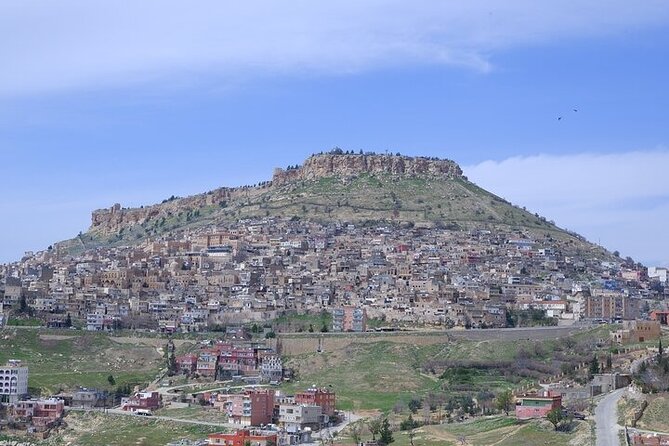
- Old Mardin on foot means you’ll actually feel the city’s steep streets and stone lanes.
- Free stops are real: Dara ruins, Kırklar Kilisesi, Great Mosque, and Tellallar Çarşısı don’t require entrance tickets on this tour.
- You’ll budget for a few paid sites: Deyrulzafaran Monastery, the archaeology museum, and Şatana Konağı.
- AC private transport keeps the long hops comfortable.
- Good-weather dependent planning means you’ll want to check the forecast the morning of.
A 7-hour loop through Syriac, Roman, and Old Town Mardin
This is the kind of day that makes Mardin click. You start with a major Syriac Orthodox monastery outside the city flow, then shift to Dara’s Roman-era ruins, and finally spend your time inside the layered Old Town where faiths and languages overlap in stone.
I like that the day has structure. Each stop has a clear time window, so you don’t waste half your trip waiting around. The private setup also matters. It’s just your group, so you can ask questions and adjust pacing without feeling like you’re stuck behind a crowd.
Cost-wise, the price tag of $359 for about seven hours is only a bargain if you use the full value: the guided interpretation plus private AC transport plus multiple sites in one day. If you’re the type who likes to see a lot but also wants someone to explain what you’re looking at, this tour makes sense.
Deyrulzafaran Monastery: Syriac Orthodox history in stone
Your first anchor stop is Deyrulzafaran Monastery, a famous Syriac Orthodox site in the Mardin area. You’ll spend about 45 minutes here. Entry isn’t included, so plan for a ticket cost on top of the tour price.
What I like about starting here is the mood shift. The monastery gives you a calmer, reflective entry point into the region’s Christian history. And the time is long enough to slow down and notice details instead of doing the usual quick photo stop and moving on.
A practical note: monasteries often mean stairs, uneven ground, and quiet spaces. If you’ve got moderate mobility needs, wear supportive shoes and take your time. The tour is marked for moderate physical fitness, which fits a day that blends walking with short transfer hops.
Dara Ancient Ruins: Roman-era remains a short ride from Old Town
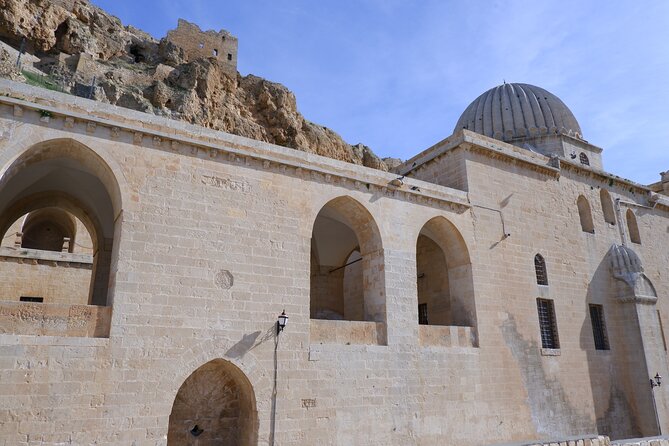
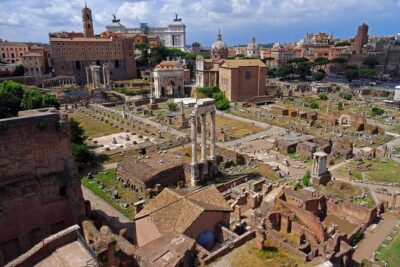
Next comes Dara Mesopotamia Ruins, about 30 minutes from the old center. You’ll get around 1 hour on site, and the admission is free for this tour.
Dara is a good “stop and think” location. In that one hour, you can get a sense of the scale of an ancient Roman city without feeling like the day disappears into archaeology-only mode. It’s also an easy contrast to the monastery: you’re moving from religious architecture to a more urban, defensive, and historical landscape.
If you’re the type who enjoys ruins but also needs interpretation to make sense of what you’re seeing, this is exactly where a guide helps. Even in a relatively short visit, the story turns clearer when someone connects the ruins to the wider region and time periods.
Kırklar Kilisesi and the Great Mosque: faith landmarks you can’t miss
Old Town Mardin is famous for the way religious buildings sit in the city’s vertical maze. Two stops make that point quickly.
First up is Kirklar Kilisesi (Mor Behnam / Kırklar Kilisesi). You’ll have about 20 minutes, and admission is free. The tower of this church is considered a symbol of Christianity in Mardin. It’s one of those details you notice even if you’re not trying hard—your eye keeps going back to it.
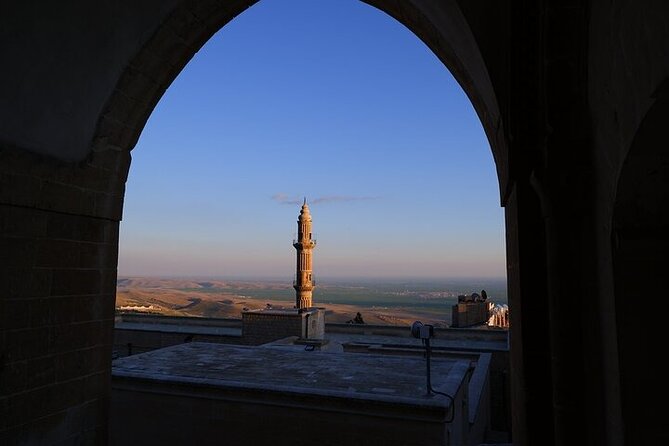
Then you’ll move to the Great Mosque of Mardin, also around 20 minutes and also free. The minaret is the kind you can’t really miss while you’re walking the back streets. The effect is simple: as you change streets, the city’s identity shifts with the skyline.
The value here isn’t just the buildings. It’s how the tour links them to everyday life in Mardin—how communities overlap, how history stays visible, and how different faith symbols share the same narrow streets.
Mardin Arkeoloji ve Etnografya Muzesi: a former Patriarchate turned museum
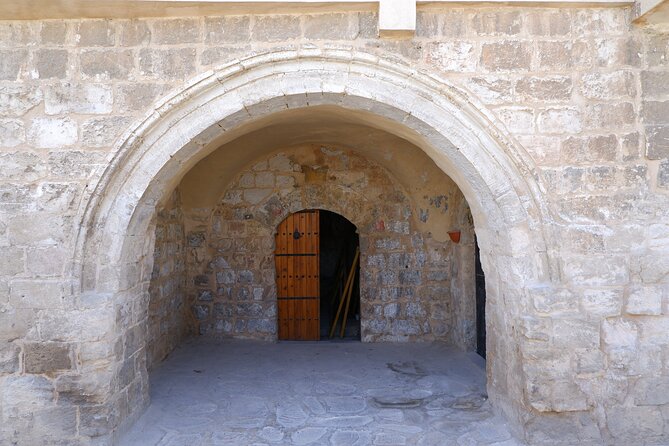
A solid middle stop is the Mardin Arkeoloji ve Etnografya Muzesi. You’ll spend about 45 minutes, and admission isn’t included.
This museum sits in the former Syriac Catholic Patriarchate building, which gives it extra weight. You’re not just looking at exhibits behind glass. You’re inside a place that carries the memory of a religious institution turned civic purpose in 1995.
For me, this is where the day becomes more than sightseeing. Museums help you slow down and connect what you saw outside to the broader cultural record—especially in a region where Syriac, Kurdish, Armenian, and other influences overlap. If you like learning the “why” behind the visible stone, you’ll appreciate this stop.
Tellallar Çarşısı and Şatana Konağı: crafts and architecture in one sweep
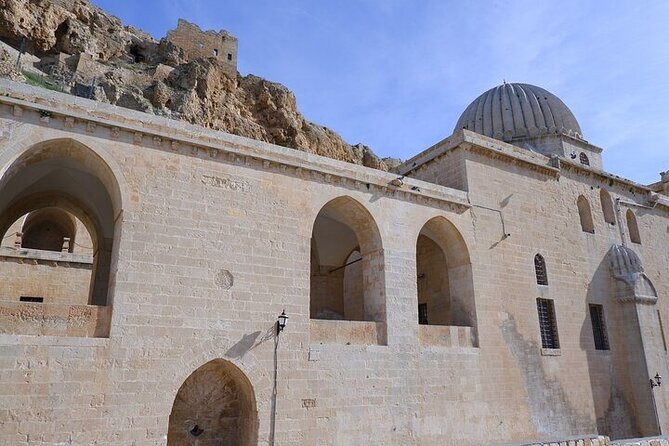
You finish your Old Town time with two character-heavy stops.
Tellallar Çarşısı (Revaklı Çarşı) is about 30 minutes and free. This bazaar area is known for şahmeran workshops. Even if you’re not shopping, it’s worth walking through with your senses turned on: the look of the workshops, the rhythm of the lanes, and the small cues that this place still works as a craft zone, not a stage set.
Then there’s Şatana Konağı (listed as Maü Uygulama Oteli), where you’ll get about 20 minutes. Admission isn’t included. This building started as an old post office and is associated with the architect Sarkis Lole. It’s a neat stop because it shifts you from religion and ruins into the city’s more everyday infrastructure—how information moved, how buildings served real life.
One practical drawback here: bazaar and historic buildings can mean lots of surfaces you’re not used to. Keep your phone ready for photos, but also keep your footing steady. Your day is coming to an end, so don’t rush the last stretch.
Private transfers and the on-foot plan: what feels easy, what feels real
This tour mixes private air-conditioned transport with a walkable Old Town. That balance is smart. You’re not trapped on a bus all day, and you’re also not trying to power-walk across Mardin’s districts in heat.
The time allocation supports that. Longer meaningful stops (monastery, Dara, museum) are followed by shorter landmark visits (church tower, mosque minaret, bazaars). It feels like a “greatest hits” day, but with enough time per site to actually register what you’re looking at.
Still, you should plan as if there will be uneven pavement and stairs. The tour is marked for moderate fitness. If you’re comfortable with cobblestones and a few uphill stretches, you’ll be fine. If not, consider whether you want a slower day with fewer steps.
Price and what you’re really paying for ($359)
Let’s be honest about value. At $359 for roughly seven hours, this isn’t the cheapest way to see Mardin. You’re paying for three things you can’t easily DIY:
- A guide (the guiding fee is included)
- Private air-conditioned transportation between sites
- A structured day that reduces backtracking
The paid entrance items are only at a handful of stops: Deyrulzafaran Monastery, Mardin Archaeology and Ethnography Museum, and Şatana Konağı. Several big sights are free in this plan (Dara, Kırklar Kilisesi, Great Mosque, and Tellallar Çarşısı). That matters for value. You’re not stuck adding dozens of separate fees just to do the basics.
The guide factor is the real difference. In the provided feedback about Ayşe Yildiz, the big theme is that she explains history and culture in a way that feels more practical than what you can piece together from articles. In other words, she helps you see what you might otherwise miss.
If you’re traveling with a group that likes conversation and questions, you’ll likely get more out of the guide time than if you prefer silent self-guided wandering.
Who this tour fits best
I think this suits a few kinds of travelers:
- You want to cover Old Town plus Dara and the monastery in one day
- You like architecture and religious landmarks, but you also want context
- You enjoy learning from a guide who connects different communities and eras
- Your comfort level matches moderate walking on historic streets
It’s less ideal if you want a long, slow pace with lots of free time to browse independently. This is scheduled. You can pause, but the tour keeps moving.
A few tips to get the most from your day
The tour includes coffee/tea and lunch as not included, so plan to buy something when you can. If you skip food, your “I can totally do this” energy will fade faster than the afternoon light on the stones.
Also, give yourself a little margin for photos. Mardin views are the kind where you think you got the shot, then you spot another angle ten steps later. That’s the city. Build time for it.
Finally, when you meet Ayşe Yildiz, lean into the Q and A. The best tours aren’t just about moving from site to site. They’re about using the guide as your shortcut to meaning.
Should you book this Deyrulzafaran, Dara, and Old Town tour?
Yes, if you want a full-day Mardin experience that ties together Syriac Christian history, Roman ruins, and the real-life geometry of Old Town. The value is strongest when you want guided interpretation and when you’re comfortable with a walk-heavy historic core.
Skip it (or choose a different pace) if you need minimal walking or if you’re only interested in one type of site—this day blends monastery, ruins, churches, mosque, museum, bazaar, and a historic post-office building.
If your goal is to leave Mardin with a clearer picture of how layers of culture still sit on the street corners, this is a smart way to do it—without turning the trip into a transportation puzzle.
FAQ
How long is the Deyrulzafaran Monastery, Dara Ruins, and Old Town tour?
It’s listed as about 7 hours.
Is pickup offered for this tour?
Yes, pickup is offered.
Is this a private tour or will I be with other groups?
It’s a private tour/activity. Only your group will participate.
Do I receive a mobile ticket?
Yes, a mobile ticket is included.
Is the tour mostly walking?
The experience includes exploring the city on foot, which is described as an eco-friendly option.
Which sites are free of entrance tickets on this tour?
Dara Mesopotamia Ruins, Kirklar Kilisesi, the Great Mosque of Mardin, and Tellallar Çarşısı (Revaklı Çarşı) are listed as admission ticket free.
Which stops have entrance tickets not included?
Deyrulzafaran Monastery, Mardin Arkeoloji ve Etnografya Muzesi, and Şatana Konağı (Maü Uygulama Oteli) list admission tickets as not included.
Is lunch included in the price?
No. Coffee and/or tea and lunch are not included.
Is the transportation air-conditioned?
Yes. The tour includes an air-conditioned vehicle and private transportation.
What is the cancellation policy?
You can cancel for a full refund up to 24 hours in advance. If canceled within 24 hours, the amount paid isn’t refunded. The experience also requires good weather; if it’s canceled due to poor weather, you’ll be offered a different date or a full refund.