REVIEW · KAMAKURA
Private Kimono photo shooting tour in ancient city Kamakura
Book on Viator →Operated by Oriel Tourism · Bookable on Viator
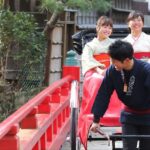
Kimono photos in calm Kamakura feel effortless. This private shoot pairs traditional dress with a professional photographer so you can relax, pose well, and walk through iconic temple and shrine scenes without feeling lost in the crowd. The guide also helps you make the route work for photos, not just sightseeing.
I love how the schedule starts quiet and then builds toward the big-name landmarks. You’ll begin at Daigyoji Temple near Kamakura Station, then move through classic temple settings like Myohonji and Jufukuji, and finish with time around Tsurugaoka Hachimangu and shopping on Komachi Street.
One consideration: kimono rental costs 3800Yen and it isn’t included in the base price. If you want the full kimono moment, that extra budget matters.
In This Review
- Key highlights you’ll feel right away
- Why Kamakura works so well for kimono photos
- Price and what you actually get for $85.20
- Private tour setup: meeting point, timing, and pace
- Daigyoji Temple: the quiet start near Kamakura Station
- Myohonji Temple: wooden structures and seasonal calm
- Tsurugaoka Hachimangu Shrine: the grand approach and pond breaks
- Jufukuji Temple: the tree road vibe
- Komachi Street: souvenir time after the shrine walk
- The photographer part: posing help and edited photo limits
- Kimono choices, non-kimono option, and what to plan
- Who this tour suits best
- Should you book this kimono photo shooting tour?
- FAQ
- How long is the private kimono photo shooting tour in Kamakura?
- Where does the tour start and where does it end?
- Is kimono rental included in the price?
- How many photos will I receive, and are they edited?
- Are there admission fees for the temples and shrine stops?
- What is the cancellation policy, and what if the weather is bad?
Key highlights you’ll feel right away
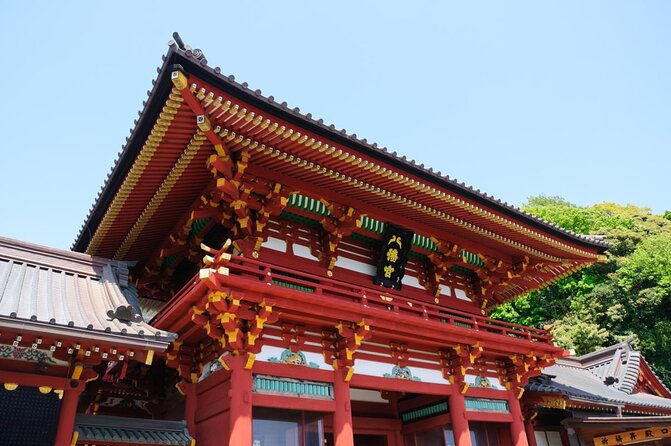
- Private photo session just for your group, with pacing that doesn’t feel rushed
- Up to 30 edited photos so you leave with finished, ready-to-share images
- Calm-to-iconic route that balances quieter temples with major Kamakura sights
- Daigyoji and Jufukuji for easy posing with less photo competition at the start
- Tsurugaoka Hachimangu photo backdrops like the long approach and the pond area
- Komachi Street time for souvenirs and a break between temple shots
Why Kamakura works so well for kimono photos
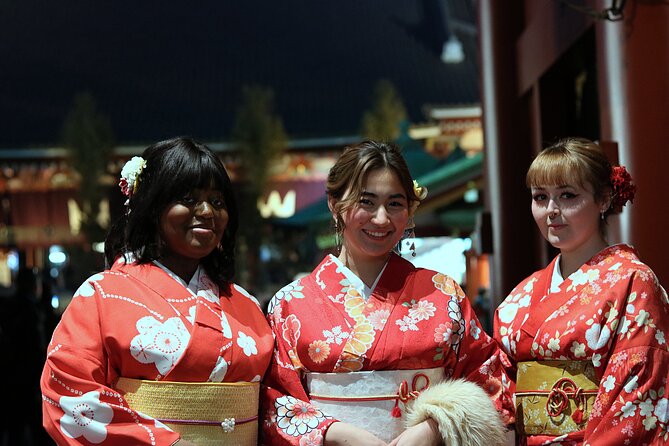
Kamakura is one of those places where the scenery already looks staged for photos—especially when you’re in kimono. The old lanes, temple roads, and shrine grounds give you natural backdrops without needing to hunt for the perfect angle.
What makes it work better than many big cities is the mix of quiet and iconic. You get breathing room at the beginning, then you shift into the famous Kamakura scenes that many people travel specifically for.
Also, the whole vibe is easy to understand fast. A guide helps you connect what you’re seeing with where you are in Japanese culture, so the walk feels more meaningful than just wearing an outfit and pressing the camera shutter.
You can also read our reviews of more tours and experiences in Kamakura.
Price and what you actually get for $85.20
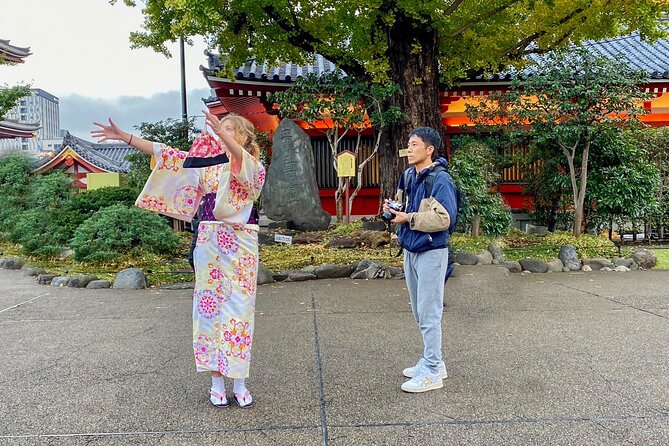
At $85.20 per person, this is priced like a photo experience, not like a generic walking tour. You’re paying for a private session, professional shooting, and editing time—plus the route includes multiple temple and shrine stops.
You’ll receive 30 edited photos included. The wording here matters: you can get photos according to what you want during the shoot, and then the final edited set is capped at 30. That’s a good setup if you want high-quality results without receiving a huge dump of unedited images.
Included extras are small but helpful in the moment: bottled water and WiFi on board. It’s the kind of detail that keeps things comfortable while you’re changing, checking poses, and moving between locations.
Budget note: kimono rental is not included (3800Yen). If you plan on wearing kimono, treat that as part of your true trip cost, not an optional add-on.
Private tour setup: meeting point, timing, and pace
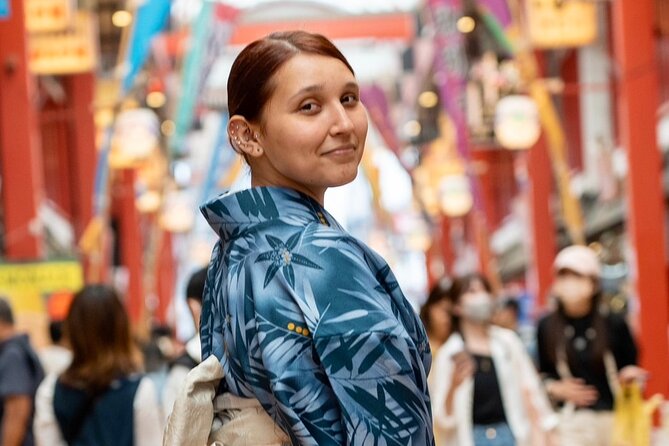
You meet at the Kamakura City Tourist Information Center (1-chōme-1-1 Komachi, Kamakura). The tour ends back at the same meeting point, so you’re not stuck figuring out how to get back after photos.
The total time is 2 to 3 hours, and that includes travel time and changing time. That matters because kimono isn’t like putting on a T-shirt. Plan to use the time calmly, not on a tight schedule.
This is a private tour, meaning only your group participates. That’s a big deal for photos. You don’t have to wait your turn at popular spots, and you can take direction without worrying about holding up strangers.
There’s also customization flexibility. If you want the walk to match your interests—more shopping time, calmer temple corners, or a slightly different route direction—the setup is built to adapt.
Finally, this experience requires good weather. If weather is poor, you’ll be offered a different date or a full refund.
Daigyoji Temple: the quiet start near Kamakura Station
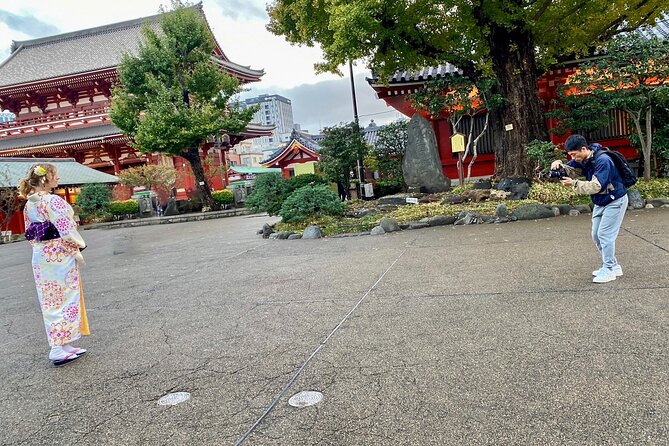
Your shoot begins at Daigyoji Temple, a small temple just by Kamakura Station. That location is smart because it gives you an easy warm-up without a long commute.
The big benefit here is comfort. It’s described as quiet and not crowded, which means you can get into your kimono and start posing without feeling like you’re competing for space. When you’re learning how to stand, turn, and angle your face, less crowd pressure helps a lot.
Daigyoji is also a clean photo warm-up visually. Even if you’re not a photography expert, you’ll get quick practice with depth, stone textures, and temple grounds, which makes later stops easier.
Practical tip: start with the basics—relaxed shoulders, chin slightly adjusted toward the camera, and steps that look natural in motion. Early shots like this set the tone for the rest of the session.
Myohonji Temple: wooden structures and seasonal calm
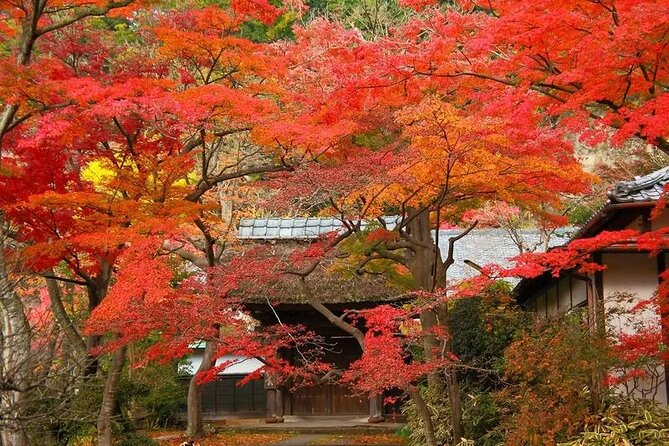
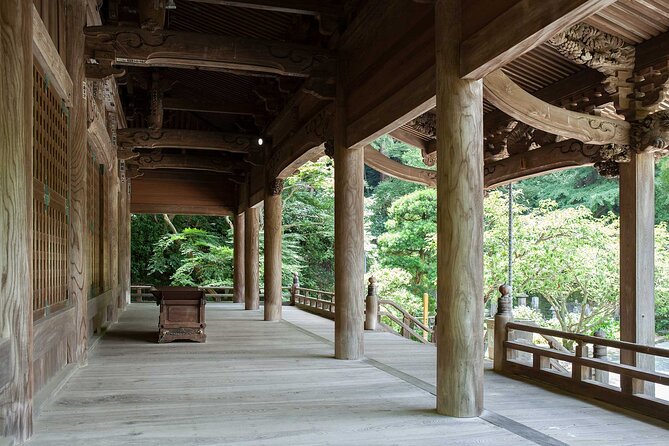
Next up is Myohonji Temple, known as the oldest temple of the Nichiren Buddhism tradition (日蓮宗), founded around 1260. This matters because it’s not just a pretty stop; it’s a place with a long-lived religious setting.
The visual payoff is in the atmosphere. You’ll see beautiful natural seasonal moments—like blooming sakura in spring or autumn leaves—plus historic wooden structures. In plain terms: it’s the kind of scenery where your kimono won’t look like a costume. It looks like it belongs.
Time at this stop is about 20 minutes, which is enough for a few different shot styles without rushing. Expect calm pacing: you’ll likely get a mix of full-body shots and closer portraits as the background changes.
One drawback to note, though: Myohonji is also a real temple space. That means you should keep movements smooth and quiet, and you’ll want to be mindful when you pause for photos.
Tsurugaoka Hachimangu Shrine: the grand approach and pond breaks
Tsurugaoka Hachimangu is Kamakura’s landmark shrine. It’s a Shinto site founded in the 12th century by Minamoto no Yoritomo, and it’s dedicated to Hachiman, the god of war and protector of the Minamoto clan.
For photo backdrops, this place has classic ingredients:
- an impressive entrance gate
- a long approach lined with cherry trees
- a large pond
You’ll spend about 25 minutes, and the plan includes moments to look, take photos, and take a break. There’s even a bench beside the pond area, which is great because it gives you a natural rest point and an easy “seated portrait” option without forcing it.
This is also where your photographer’s job gets important. At a major sight like this, you can’t control how many people walk by. A good pro helps you frame around movement so your final photos still feel clean and intentional.
If you’re aiming for the most flattering portraits in busy settings, listen for the small directions: slight angle shifts, step timing, and where to stand relative to the pond and the approach lines.
Jufukuji Temple: the tree road vibe
Jufukuji Temple is a quieter counterpart to the larger, more famous shrine energy. It was established in 1200 by Hojo Masako, the wife of Minamoto no Yoritomo.
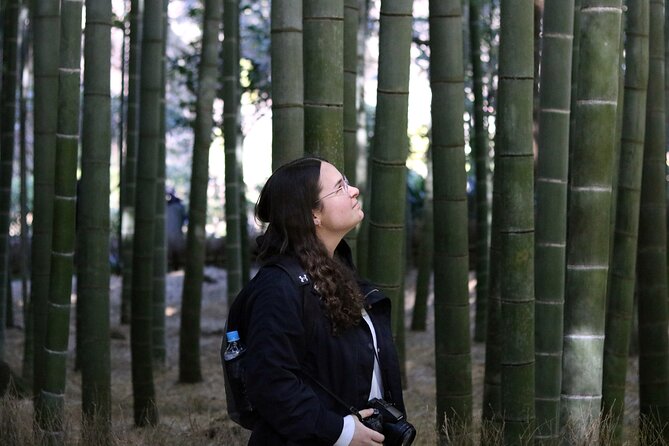
The main feel here is tranquil. There’s a beautiful road leading to the main temple lined with trees, plus a peaceful atmosphere that works especially well for kimono portraits.
You’ll have around 10 minutes here, which sounds short, but it’s often the right length for a focused photo stop. You’ll want to use that time for shots that look grounded—front-facing portraits, side portraits along the tree-lined path, and a few variations of walking poses.
There’s also a small shrine next to the area. That’s useful because it can give you an extra background style without adding another full stop.
Komachi Street: souvenir time after the shrine walk
After the temple-and-shrine portion, you’ll head to Komachi Street. This is Kamakura’s heart for shopping, named after the Heian period poetess Ono no Komachi (784–1184).
Komachi Street is described as bustling, with shops, boutiques, cafes, and restaurants. It’s a practical place to pick up souvenirs and local crafts, and it’s also a natural place to keep your kimono day from feeling like a straight line of photo spots.
This time can be a nice balance: after standing on holy grounds and focusing on portraits, you get to stroll more casually, browse, and grab a treat if you want one. The session notes also make it clear you can look at shops and buy something you like.
One photo tip for this phase: don’t only aim for “shopfront shots.” If your photographer can catch you mid-step or mid-laugh as you browse, the photos often feel more real than posed snapshots.
The photographer part: posing help and edited photo limits
The heart of this experience is the photography. You’re not just taking pictures; you’re getting guided direction so your body language looks natural in kimono.
In the feedback I’ve seen, the photographer (Shuhei is specifically mentioned) is friendly and supportive. The key value is not just taking photos—it’s coaching your poses when you’re unsure what to do.
If you’ve ever stood in front of a camera thinking, Great, now what, this is the part you’ll appreciate. Pose suggestions can change everything: where your feet go, how to angle your shoulders, and how to hold your face so it looks relaxed, not stiff.
On the photo output side, you’ll get up to 30 edited photos included. That’s a good limit for quality. Instead of getting overwhelmed with unfiltered images, you walk away with a finished set you can actually use right away.
Also, the shoot is designed for flexibility in how you want photos delivered. You’ll have the chance to request photos during the session, then the edited set is capped—so you aren’t left thinking you missed your shot.
Kimono choices, non-kimono option, and what to plan
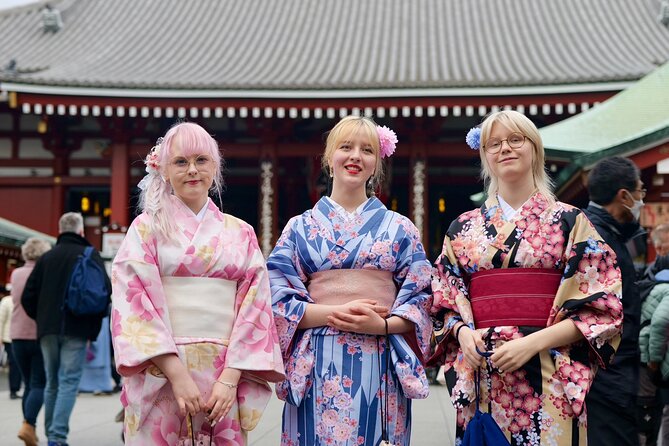
Kimono is the headline, but you still have choices. The experience includes selecting your favorite kimono from various options. It also notes that a non-kimono option is available, so you’re not forced into the full costume if you’d rather do the photo walk in another style.
Still, most people come for the kimono look, and that’s where you should plan ahead. Since kimono rental costs 3800Yen and isn’t included, check how that fits into your budget before you book.
Changing time is part of the 2 to 3 hour total. I recommend arriving with enough time to stay calm during dressing and styling. When you’re rushed, poses can feel awkward and you’ll feel less in control.
Finally, if you’re sensitive to weather, keep your planning flexible. This experience requires good weather, and you’ll get offered an alternate date or a full refund if it’s canceled due to poor conditions.
Who this tour suits best
This tour fits best if you want photos with direction. If you like the idea of wearing kimono and walking Kamakura, but you’d rather not coordinate a route and a camera setup yourself, the private format is a strong match.
It also works well if you care about photos that don’t look like typical sightseeing snapshots. The route is built around quiet-to-famous transitions: you start in calmer temple grounds, then hit bigger landmarks, then finish in shopping streets.
If your group includes people with different interests—some want photos, some want a stroll—this setup’s customization option can help you keep everyone happy.
Should you book this kimono photo shooting tour?
I’d book it if you want the day to be about one great experience, not a long list of stops. For the price, you’re getting a guided photo session, a structured route across recognizable Kamakura locations, and 30 edited photos that you can share without additional editing work.
I’d think twice if kimono rental cost is a dealbreaker for your budget, since the base price doesn’t include it. Also, if your schedule is tight and you can’t shift for weather, you might want a plan B.
If you’re ready for a calm morning-or-afternoon walk in real temple spaces, plus coached posing and a finished photo set, this is a solid way to do Kamakura. You’ll leave with images that look like Kamakura, not like a backdrop you passed by too quickly.
FAQ
How long is the private kimono photo shooting tour in Kamakura?
The tour takes about 2 to 3 hours, and that total includes travel time and changing time.
Where does the tour start and where does it end?
You meet at the Kamakura City Tourist Information Center (1-chōme-1-1 Komachi, Kamakura, Kanagawa 248-0006, Japan), and the tour ends back at that same meeting point.
Is kimono rental included in the price?
No. The tour price is listed without kimono rental. Kimono rental is 3800Yen and is not included.
How many photos will I receive, and are they edited?
You’ll receive up to 30 edited photos included. During the shoot, you can receive photos according to what you want, with the edited set capped at 30.
Are there admission fees for the temples and shrine stops?
Admission tickets are listed as free for the temple and shrine stops on the route, including Daigyoji Temple, Myohonji Temple, Tsurugaoka Hachimangu Shrine, and Jufukuji Temple.
What is the cancellation policy, and what if the weather is bad?
You can cancel for a full refund if you cancel at least 24 hours in advance. The experience requires good weather, and if it’s canceled due to poor weather, you’ll be offered a different date or a full refund.