REVIEW · SAN JUAN
Discover Old San Juan Rich Heritage
Book on Viator →Operated by exPeRience Puerto Rico · Bookable on Viator
Old San Juan has stories in every stone. This tour turns a simple stroll into a guided lesson on Puerto Rico’s colonial past and Caribbean strategy, led by Dr. José Morales, a historian with a PhD. I love how the small-group pace keeps it personal, and how Dr. José Morales explains the big picture without sounding like a textbook.
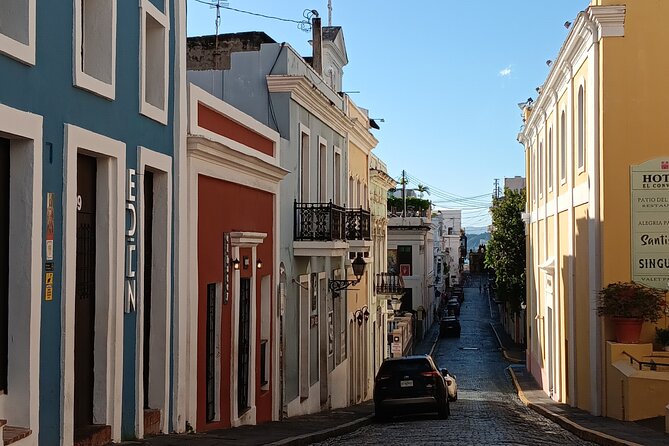
What I like most is the way you get both orientation and context in one smooth route. You’ll walk the kind of streets you’d otherwise speed through, then suddenly the forts, churches, and plazas make sense. The second win for me is that he tells the story like a local teacher, with room for real questions and practical advice for where to go next.
One consideration: you’re still walking on cobblestones for about 2 hours, and the experience depends on good weather. If you’re sensitive to heat or uneven ground, bring water and plan for a slower rhythm.
In This Review
- Key highlights in Old San Juan with Dr. José Morales
- Why two hours in Old San Juan feels like a full day
- Meeting at Parque de las Palomas and getting your bearings fast
- Forts and the Spanish imperial chessboard in the Caribbean
- Churches, plazas, and how everyday life fits the story
- Castillo San Felipe del Morro and the view that explains everything
- Limbers, questions, and practical tips that help after the tour
- Price, group size, and what to pack for a smooth walk
- Should you book this Old San Juan history stroll?
- FAQ
- Where does the tour start and end?
- How long is the Old San Juan experience?
- What is the price per person?
- What’s included in the tour?
- Are admission tickets included?
- How many people are in the group?
- Is the tour near public transportation?
- What kind of experience is it?
- What if the weather is poor?
- Can I cancel for a full refund?
- Is Spanish available?
Key highlights in Old San Juan with Dr. José Morales
- PhD-level storytelling focused on Puerto Rico and the wider Caribbean power shifts
- Small group format (max 15) that keeps questions from getting lost
- Historic forts, churches, and plazas connected into one clear narrative
- Local flavor breaks, including a limber stop that people remember
- Photo-ready viewpoints built into the walk, not tacked on at the end
Why two hours in Old San Juan feels like a full day
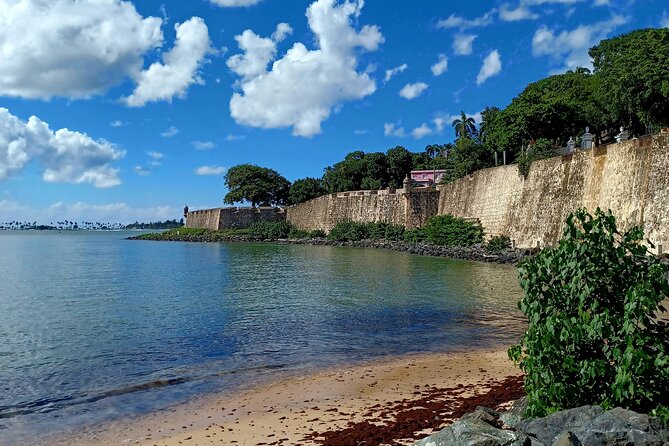
Old San Juan can be overwhelming fast: walls, streets, steps, viewpoints, and lots of plaques. This is one reason I love this format. In roughly two hours, you don’t just see landmarks—you learn what to notice while you’re looking at them.
The pacing also helps you enjoy the area instead of grinding through it. You get stops where the guide slows down, points, and connects the dots between colonial rule, sea power, and the people who lived through it. That means you finish with a mental map, not just photos.
And because the group size stays small, the tour avoids the usual shuffle. You can ask questions, pause for photos, and take breaks without feeling like you’re holding up a bus.
You can also read our reviews of more tours and experiences in San Juan.
Meeting at Parque de las Palomas and getting your bearings fast
Your walk starts at Parque de las Palomas, near C. Tetuán (with the rest of the route ending at Castillo San Felipe del Morro). From the first minutes, the guide’s job is to get you oriented: where you are in the city, why the area was so strategically important, and how the streets relate to the story you’re about to hear.
This matters more than it sounds. When you understand how the fortifications connect to the city’s role in Caribbean history, you stop seeing the old town as random scenery. Instead, it becomes a working layout shaped by defense, trade, and power.
I also like that the start and end points are very “real” for visitors: you’re not trapped in a loop that leaves you lost afterward. Ending at Morro makes it easier to keep exploring on your own with a stronger sense of direction.
Forts and the Spanish imperial chessboard in the Caribbean
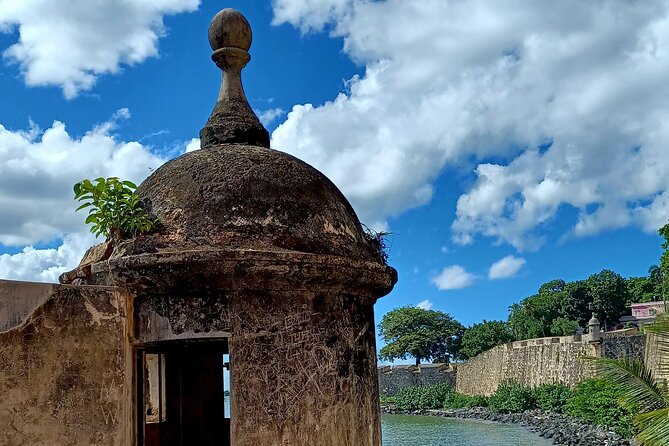
Old San Juan’s forts aren’t just dramatic backdrops. They were built for a reason: controlling sea routes and protecting the colonial system. That’s the through-line you’ll hear as you stroll past historic defensive structures and key town spaces.
Dr. José Morales connects the architecture to strategy in a way that stays human. You don’t need to be a military history nerd. The story is explained in plain terms, with enough detail to make the structures feel like they were designed by people who expected real threats.
You’ll also get a clearer sense of Puerto Rico’s place in the wider Caribbean. Rather than treating the island as an isolated stop, the tour frames it as a node in a larger network—shaped by outside empires and also shaped in return by local culture and identity.
Churches, plazas, and how everyday life fits the story
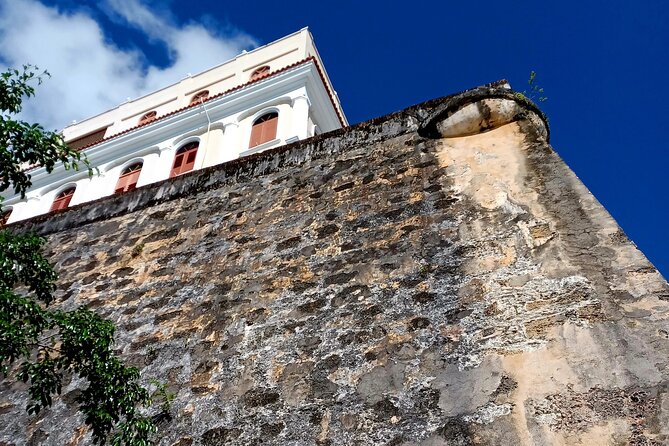
Forts get headlines, but churches and plazas reveal the other half of the past: community, faith, and civic life. As you move through Old San Juan, you’ll visit historic churches and public squares that helped define how people gathered and organized their lives.
I like that the tour doesn’t treat religion or culture like side notes. The guide weaves these places into the colonial story so you understand why they mattered, not just what year they were built. You also get a broader view that touches indigenous roots and African influences, which helps round out the full picture.
A neat bonus: the guide’s local connections have sometimes helped groups access special areas during the tour. For example, reviews mention inside looks connected to religious sites like a convent nativity display and visits connected to institutions near the governor’s area. Just keep in mind access can vary by day and rules, so treat those as possible extras rather than a guaranteed stop.
Castillo San Felipe del Morro and the view that explains everything
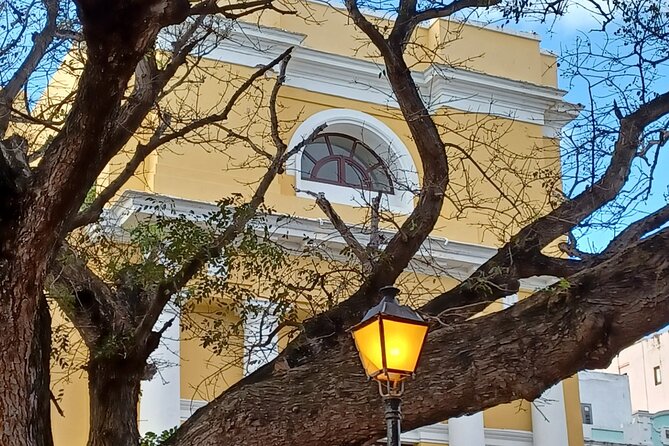
The walk finishes at Castillo San Felipe del Morro on Calle Norzagaray. Even if you’ve seen Morro in photos, there’s a difference between viewing it and understanding what it was meant to do. As you approach, the guide’s explanations make the fort feel less like a monument and more like a tool—built to watch, defend, and control movement.
This is also where the views do their job. The vantage points around Morro help you visualize the coastline and the sea lanes that made this city so valuable. You’ll also likely want time for photos because the best angles tend to require a slow stop, not a quick pass.
One practical note: admission ticket details aren’t included. If you want to go inside, you may need a separate ticket for fort-related entry. The tour still gives you the context, but your entry depends on what you choose to add.
Limbers, questions, and practical tips that help after the tour
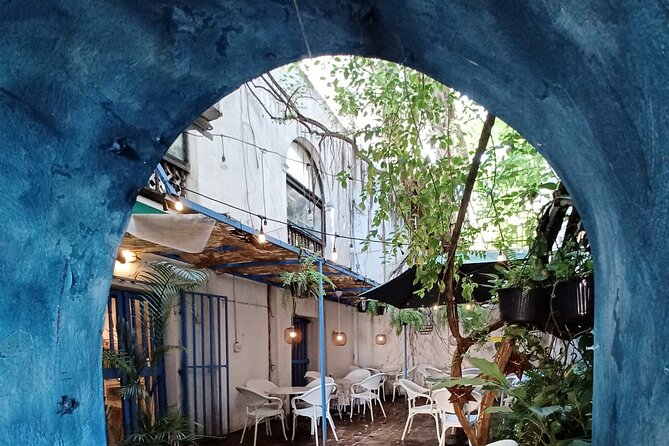
One of the most praised parts of this experience is the human side. People highlight that Dr. José Morales is open to questions and encourages interaction, including during those little pauses where you can ask how history ties into what you’re seeing right now.
Then there’s the fun break: limbers, a local frozen treat. Reviews mention a stop for limbers and even a memorable moment with a bell tied to the tradition. It’s not just a snack. It’s a low-stress way to cool down during warm afternoons while keeping the tour feeling like a local walk, not a lecture.
You can also expect helpful recommendations at the end. Reviews mention that he shares favorite local places to eat, which is exactly what you want after your first big sightseeing session. It turns the tour into a starting point for the rest of your trip.
Price, group size, and what to pack for a smooth walk
At $45 per person for about two hours, this works best when you value interpretation. You’re not paying for bus transportation or a stack of included admissions. You’re paying for a guided historic walk led by a PhD historian, with a small group size capped at 15.
That small group matters for value. It helps you ask questions, get pacing that feels human, and avoid the usual rush-through. It’s also a better setup for photos because you’re not constantly waiting for the slowest person at the back of a line.
What to pack:
- Comfortable shoes with good grip for cobblestones
- Water, especially if you’re walking midday
- Sun protection (Old San Juan can get hot)
And plan around weather. The experience requires good weather, and if it’s canceled due to poor conditions, you’ll be offered a different date or a full refund.
Should you book this Old San Juan history stroll?
Book it if you want Old San Juan explained in a way that sticks. This tour is ideal for first-timers who want context fast, and for history buffs who like their facts told with clarity and story. The small group and the guide’s question-friendly style make it feel more like learning with a professor than following a script.
Skip or pair it with something else if you’re looking for a strictly self-guided, clockwork sightseeing list, or if you mainly want interior museum time since admission for forts isn’t included. Also, if walking on uneven cobblestones is a problem for you, consider whether you can comfortably handle a two-hour urban walk.
If you want a smart, story-driven way to understand why Old San Juan looks the way it does, this is an easy yes.
FAQ
Where does the tour start and end?
The tour starts at Parque de las Palomas (near C. Tetuán, San Juan, 00901, Puerto Rico) and ends at Castillo San Felipe del Morro (501 Calle Norzagaray, San Juan, 00901, Puerto Rico).
How long is the Old San Juan experience?
It lasts about 2 hours.
What is the price per person?
The price is $45.00 per person.
What’s included in the tour?
The tour includes an expert guided tour by Dr. José Morales.
Are admission tickets included?
No. The admission ticket is not included.
How many people are in the group?
The tour has a maximum of 15 travelers.
Is the tour near public transportation?
Yes, it’s listed as near public transportation.
What kind of experience is it?
It’s a walking tour through Old San Juan with stops that focus on historic forts, churches, and plazas, along with Puerto Rico’s colonial past and strategic importance in the Caribbean.
What if the weather is poor?
The experience requires good weather. If it’s canceled due to poor weather, you’ll be offered a different date or a full refund.
Can I cancel for a full refund?
Yes. You can cancel up to 24 hours in advance for a full refund. Canceling less than 24 hours before the start time isn’t refunded.
Is Spanish available?
The tour is guided by Dr. José Morales, and there are examples in which he accommodated Spanish for a Spanish-speaking family member when needed.